Octro Poker holdem poker games
- 2.00K
- 4.3
- Installs
- 1.00M
- Price
- Free
Screenshots

Analysis by Reviewed
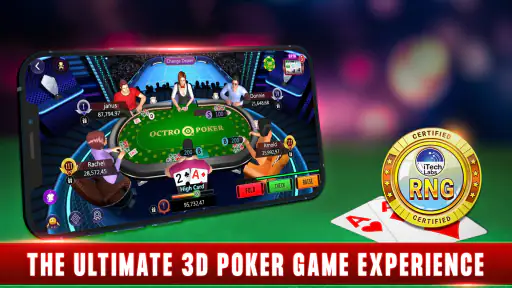
I approached Octro Poker as a mobile Texas Hold’em table rather than as a quick card diversion, and that distinction matters. The game’s defining capability is its three-dimensional presentation: instead of reading a flat list of cards and buttons, I play around a table where the poker action is given a more physical, festive feel. That extra layer does not change the rules of Hold’em, but it changes how the game feels during a short session.
Octro, Inc. has built this as a free card game for Android, and it is aimed at players who want familiar poker decisions in a more lively mobile setting. I found the appeal strongest when I wanted to play a few hands without opening a full desktop-style poker experience. The visual treatment makes the table easier to settle into, while the underlying appeal still comes from choosing when to fold, call, raise, or wait for a better opportunity.
The game has been available since late 2015, and its continued presence is reflected in a 4.3 average from around 26 thousand ratings. It has also passed one million installs, so this is not an obscure experiment with a handful of players. That level of adoption makes it easier to understand why the game continues to attract people who prefer poker with a more animated presentation.
Why the 3D table changes the poker experience
The most important feature here is not simply that the table looks three-dimensional. The useful effect is that the game creates a stronger sense of place than a plain card interface. When I move through a hand, the table presentation gives the action more rhythm: cards arrive as part of a scene, decisions feel connected to the table, and the festive style makes the game less severe than a purely competitive poker client.
That atmosphere is especially helpful for casual players who know the basics of Texas Hold’em but do not want an intimidating interface. A flat layout can be efficient, yet it can also feel like a spreadsheet of cards and controls. Octro Poker makes the same decisions feel more approachable. I still need to understand position, hand strength, community cards, and betting pressure, but the setting makes the learning process feel less dry.
There is a trade-off, though. A richer presentation can draw attention away from the actual poker decision. If I am playing carelessly, I may focus on the animation and festive mood instead of asking whether my hand is worth continuing with. The 3D style works best when I treat it as an interface for poker, not as a substitute for poker judgment.
The practical strength of the 3D design is emotional clarity, not strategic assistance. It helps a hand feel like an event, but it does not make a weak starting hand stronger or remove the need to manage risk. Players who already enjoy Hold’em will recognize the familiar structure quickly; newcomers should still learn the rules separately if they want to make informed decisions rather than rely on the visual excitement.
How a typical session feels
I would use the game in short blocks: open it when I have a few spare minutes, settle into the table, and play until I have had enough hands to feel engaged. That makes it a good fit for waiting rooms, commutes, or a quiet break. It is more involving than a simple solitaire round because every hand asks me to interpret changing information, but it does not demand the long preparation associated with a serious poker session.
The first useful habit is to slow down before acting. The table’s lively presentation encourages quick taps, especially when I am eager to see the next card. I get better results when I read my hole cards, check the community cards, and consider what the current betting suggests before touching an action button. This small pause prevents the most common mobile mistake: making a decision because the screen feels active rather than because the hand deserves it.
A second habit is to separate entertainment value from bankroll thinking. The game is free to download, but it includes in-app purchases ranging from $0.99 to $999.99 per item. That is a very wide range, and it is important for me to decide in advance whether I am playing only with the free experience or whether I am comfortable spending. I would not treat the purchase system as part of the strategy. Poker decisions should remain poker decisions, not reactions to a desire to keep a session going.
The age rating is Teen, which is another reason I would introduce younger players to the game with a clear conversation about spending and competitive card play. A teen rating is not a guarantee that every family will view the game in the same way. Parents should consider whether the combination of poker themes, purchases, and animated presentation suits the player using the device.
Reading the table instead of chasing the next card
One non-obvious benefit of playing Hold’em in a visually engaging environment is that it can make me more aware of my own habits. When the table feels festive, I notice how easily I start chasing a possible draw simply because the next card might be exciting. That is exactly when I need discipline. If the chance of improving is poor and the cost of continuing is high, folding can be the more satisfying decision in the long run.
I also recommend using the game as a practice routine for decision quality rather than as a test of how many hands can be played. Before a session, I can choose one focus: folding weak hands early, avoiding emotional calls, or paying attention to the board texture. This turns a casual game into a more useful exercise. The 3D table supplies the atmosphere, while the player supplies the learning goal.
Another practical tip is to avoid playing while distracted by conversation or multitasking. Mobile poker is easy to start during a busy moment, but Hold’em punishes missed information. If I am only half watching the table, the visual richness becomes a disadvantage because it gives me more to notice while I am already dividing my attention. A short, focused session is better than a longer one played on autopilot.
The best everyday scenario
The strongest use case is a player who wants a recognizable poker game during a short break but finds conventional online poker interfaces too plain or too serious. Imagine having fifteen minutes before an appointment. A solitaire game may feel too repetitive, while a full multiplayer game may require more commitment than the moment allows. Octro Poker sits between those choices: it gives the break a social-card-game atmosphere without requiring a large setup.
I also see value for friends who already talk about Texas Hold’em and want a more approachable way to get familiar with the flow of a hand. The 3D presentation can make it easier to explain what is happening at the table than a bare screen filled with small labels. It does not replace teaching poker strategy, but it gives beginners a concrete visual setting in which to connect hole cards, community cards, and betting decisions.
For a regular poker player, the best scenario is different. This game can provide a lighter alternative when I want the mood of poker without sitting down for a serious tournament-style experience. I would not choose it solely for the most rigorous competitive environment. I would choose it when the table atmosphere matters almost as much as the cards.
Where the presentation helps and where it gets in the way
The visual style gives the game personality, but personality is not the same as efficiency. Players who prefer fast, information-dense interfaces may find the festive 3D approach less direct than a conventional poker app. If my priority is to scan statistics, make rapid decisions, and minimize visual decoration, a simpler alternative may suit me better.
This is also not the right choice for someone who dislikes the pressure associated with in-app purchases. The game costs nothing to download, but the available purchase range means I would review my spending settings before handing the device to a child or letting a casual session become a habit. I prefer to decide my boundaries outside the game, when I am not caught up in a close hand or an entertaining table sequence.
Another limitation is that the presentation may create expectations that the game will teach poker automatically. It does not. The format can make the rules feel more welcoming, but it cannot tell me when an opponent is likely representing strength, when a draw is overpriced, or when folding is the most sensible move. A dedicated poker-learning resource or a simpler practice table would be better for someone whose first priority is structured instruction.
Compared with solitaire, Octro Poker offers more uncertainty and more decision-making, but it is less relaxing if I want a completely private, low-pressure puzzle. Compared with traditional flat poker games, it offers more atmosphere but may feel less streamlined. Compared with a physical poker night, it is more convenient and easier to start, yet it cannot reproduce the conversation, body language, or shared room that make live play special.
What to consider before installing
The game is free, and the current version is 4.68.11. It requires Android 7.0 or later, so I would check the device before trying to install it on an older phone or tablet. Those details make it reasonably accessible for many Android users, but compatibility still matters if the device has been kept for several years.
I would also decide what I want from the app before opening it. If I want colorful table presentation and familiar Hold’em structure, the game has a clear reason to exist. If I want a quiet offline card puzzle, a pure solitaire title is probably a better match. If I want advanced poker study, hand analysis, or a highly stripped-down competitive interface, I would look toward a more specialized option.
The rating and install history suggest that many players find the balance appealing, but popularity does not remove the personal question of fit. Some people enjoy the festive style because it makes repeated hands feel less mechanical. Others may quickly prefer a cleaner table with fewer visual distractions. I would give the game a few focused sessions rather than judging it after a single hand, because its value appears gradually through the way it frames ordinary Hold’em decisions.
Who gets the most from this version of poker
Octro Poker is at its best for casual Texas Hold’em players who want atmosphere, accessibility, and short-session entertainment. It is particularly suitable for someone who understands the basic idea of poker but finds serious-looking interfaces uninviting. The 3D table gives that player a friendlier entry point, while the familiar card structure keeps the game from becoming a purely decorative experience.
Experienced players can enjoy it too, especially when they want a lighter session. My advice would be to use the presentation as a reason to return, not as a reason to abandon sound decisions. Set a time or spending limit, slow down before each action, and treat folding as a normal part of the game rather than a failure. Those simple rules make the colorful design work in your favor.
I would skip it if I dislike poker themes, want a completely distraction-free interface, or know that purchase prompts make me play longer than intended. I would also skip it as a primary learning tool if I need detailed lessons and structured feedback. In those cases, a simpler card game or a dedicated poker-training product would be more appropriate.
My final impression is positive but specific: this is not valuable because three-dimensional graphics magically improve Texas Hold’em. It is valuable because the table presentation gives familiar poker a more welcoming mood and makes short sessions feel like an occasion. As long as I keep the entertainment layer separate from my spending and strategy choices, the game delivers a pleasant mobile poker experience. For players who want that festive table feeling without giving up the recognizable rhythm of Hold’em, Octro, Inc.’s game is an easy one to consider.
Pros
- Smooth gameplay with responsive controls and quick table loading.
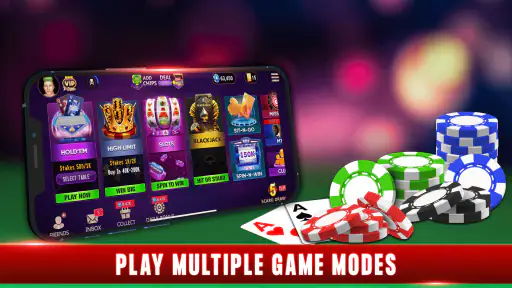
- Multiple poker tables and formats suit both casual and experienced players.
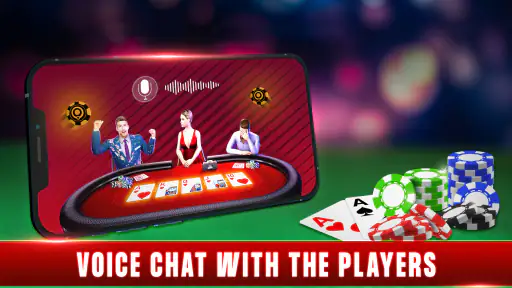
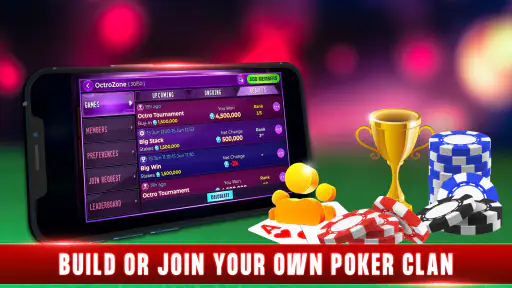
- Social features make it easy to challenge friends and interact at the tables.
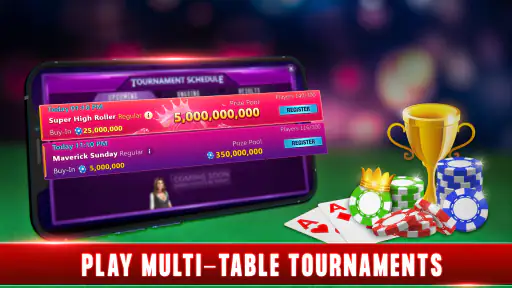
- Frequent events and tournaments add variety beyond standard cash games.
- Clear interface makes betting
- folding
- and checking simple on mobile screens.
Cons
- Online play depends heavily on a stable internet connection.
- In-app purchases can encourage spending on virtual chips.
- Random matchmaking may place beginners against highly experienced players.
- Ads and promotional offers can interrupt the overall playing experience.
- Virtual chips have no real-world cash value and cannot be withdrawn.

- Category
- Card
- Version
- 4.68.11