Ocean Is Home :Island Life Sim
- 903.00
- 4.4
- Installs
- 10.00M
- Price
- Free

Screenshots

Analysis by Reviewed
Before settling into a longer building session, I’d use the first few visits to learn which everyday tasks feel satisfying and which feel repetitive. That is a better test of fit than judging the game by its island views alone: the lasting appeal comes from the routine of looking after a place and deciding what to improve next. If you enjoy that small-scale planning, even an ordinary session can feel worthwhile without a major milestone.
A practical way to plan each visit
When I have limited time, I find it useful to treat one play session as a single errand rather than a full tour of island life. I might gather materials for one planned project, then stop once that goal is met. On a longer visit, I can move from gathering to food and then construction. This approach reduces aimless wandering and makes it easier to tell whether the game’s pace suits me.
It also helps to decide what not to do. If I begin with a building idea, I try not to switch to several unrelated plans as soon as I notice another activity. Keeping one priority makes resource decisions clearer, while leaving a little room for fishing, farming, or exploration if I want a change. The trade-off is that players who prefer to follow a tightly guided quest line may find this self-made structure too loose.
Who should choose this island routine
Ocean Is Home: Island Life Sim is a better match for someone who likes a calm game with practical choices than for someone seeking a constant stream of objectives. I would suggest it to players who enjoy building gradually, checking in on a virtual home, and choosing their own small projects. It can also work well for a shared household where one person wants a gentle game to dip into, though its Teen rating is something families should consider when deciding who it is appropriate for.
By contrast, I would skip it if I wanted a competitive challenge, a focused plot, or action that gets underway immediately. A decorating title may be a better fit if I only want to arrange a space without managing survival needs. A more intense survival adventure may suit me better if danger and pressure are the main attraction. This game sits between those familiar options, and that middle ground is appealing only if I genuinely want both routine and creative control.
Free to start, with spending to consider
The game is free to download, with optional in-app purchases ranging from $0.99 to $49.99 per item. I would first play long enough to decide whether gathering and building feel rewarding on their own, rather than treating a purchase as a shortcut to a better experience. If you are setting it up for a younger player, it is sensible to review purchase settings on the device as well as the Teen content rating; that is a practical safeguard for any game with optional spending.
RAVEDOG GAMES has built a recognizable loop around island upkeep rather than a quick sequence of levels. Its audience is substantial, with over 10 million installs and a 4.4 average from around 60,000 ratings, but those figures cannot predict whether you will enjoy its self-directed rhythm. I would use them as context, then let the first few sessions answer the more personal question: do I like deciding what this island needs next?
More From Our News Desk

Weather by Xiaomi Review: Clear at a Glance, Less Clear Up Close

X Under Pressure: Can It Recover When Posting Goes Wrong?

Clash of Clans Is Won Between the Battles

Android Auto Makes the Case for Quieter Car Software

MobiOffice: Transforming Mobile Productivity with Seamless Integration

EA SPORTS FC™ Mobile Soccer: Redefining Mobile Sports Gaming
I tend to enjoy island games most when they give me a reason to make small decisions, not just admire the scenery. Ocean Is Home: Island Life Sim works best in that quiet, hands-on mode: I can gather, plan a modest project, and leave the island feeling that I made progress. It is an adventure game from RAVEDOG GAMES, and its mix of survival, building, strategy, and social life makes it more involved than a simple virtual beach visit.
How quickly the island gets going
The appeal is easy to grasp, but I would not approach it expecting instant, constant action. The opening rhythm is shaped by practical priorities: finding resources, deciding what to make, and turning a basic place into somewhere more comfortable. That gradual pace suits players who like seeing a plan take shape. If you want immediate combat or a tightly scripted story to pull you from one dramatic scene to the next, this is a slower and less directed choice.
For a short session, I find it helpful to choose one clear goal before starting: collect what I need for a home improvement, tend to food, or explore a little. That keeps the game from feeling like a string of chores. The trade-off is that progress can feel less rewarding if I wander without a purpose, especially when several needs compete for attention. I would treat it as a relaxed routine rather than a game that constantly supplies urgent objectives.
Busy moments and practical play
The busiest stretches come when I try to handle survival tasks and construction at once. It is tempting to spend every resource on the house, but keeping food and basic supplies in mind makes the island routine feel more balanced. I get better results by separating a session into a simple loop: gather first, deal with immediate needs, then use any remaining time on a building or crafting goal. That small bit of planning makes the strategy feel meaningful without turning play into a spreadsheet.
This is also where the game’s appeal depends on what I want from a mobile session. A quiet evening at home is a good fit for exploring its systems, while a couple of minutes in a queue may be better spent on one uncomplicated task. I would not choose it when I need a fast, self-contained burst of action; its pleasures are more cumulative, and the satisfaction comes from returning to a place I have gradually shaped.
Reliability, expectations, and device fit
I would describe the visual approach as restrained rather than demanding, but that impression is not a promise that every phone will run it identically. The game is listed for Android versions from 5.0 onward, and the current version is 0.702. A compatible operating system is only a starting point: available memory, background apps, and the age of a device can all affect how comfortable a game feels. If performance seems uneven, closing other demanding apps and restarting the game are sensible first steps before judging the experience.
Its slower, mostly self-directed structure gives me room to pause and resume at a natural point, rather than relying on a rapid chain of timed action. Still, I would avoid assuming that a long play session will feel equally smooth on every device. The best practical test is to begin with a short session, see how the controls and visuals feel on your phone, and then decide whether it suits longer building or resource-gathering stretches. I would also keep some free storage available, as a general precaution for any game that develops over repeated use.
A New World to Discover
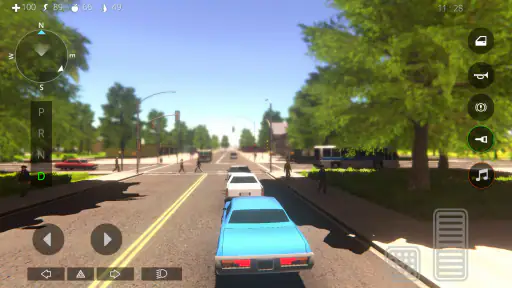
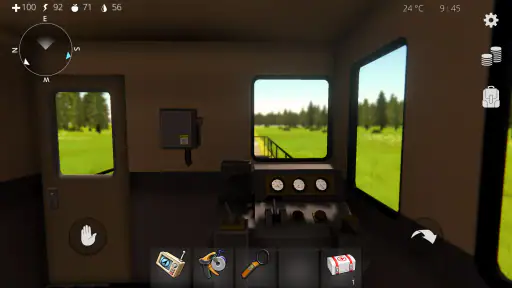
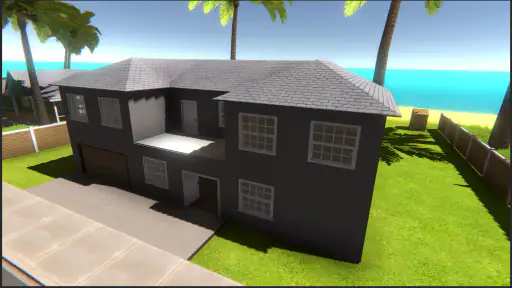
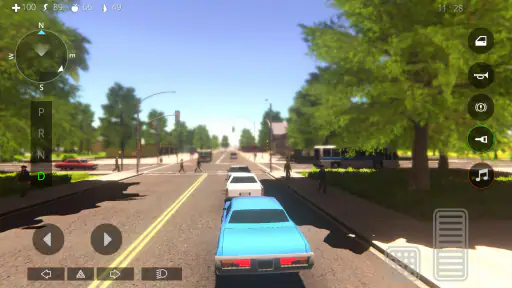
When I first launched Ocean Is Home: Island Life Sim, I was greeted with a serene and picturesque island view. The game drops you right into the heart of nature, with lush greenery, pristine beaches, and endless ocean views. It’s like stepping into a postcard. The graphics are not hyper-realistic, but they strike a perfect balance between being visually appealing and not too demanding on your device.
Building Your Paradise
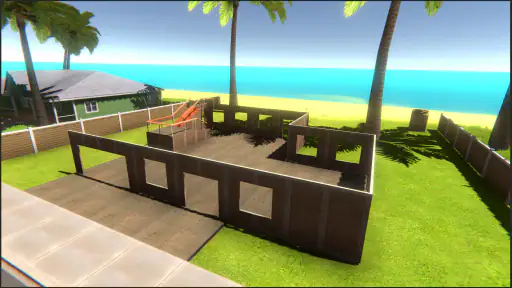
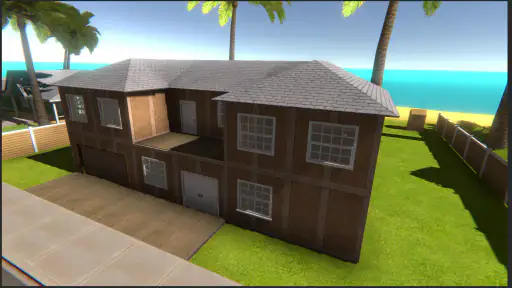
One of my favorite aspects of the game is the freedom to build and customize your own island paradise. You start with just a few resources, and from there, it's all about crafting, constructing, and expanding your dream home. The building mechanics are intuitive, which is great because I didn’t want to spend hours just figuring out how to place a wall. Plus, there's something incredibly satisfying about watching your island evolve from a simple plot of land into a thriving community.
Survival and Strategy
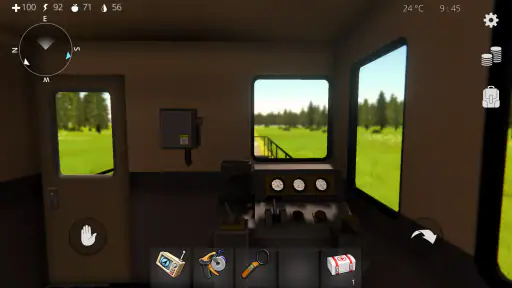
But it’s not all sunshine and rainbows. Living on an island means you have to think about survival. Gathering resources, hunting, and farming are essential elements of the gameplay. I enjoyed the strategic aspect of deciding what to prioritize – should I focus on building a shelter or should I gather food first? These decisions kept me engaged and made the game more than just a mindless building simulator.
Interactive Island Life
What makes Ocean Is Home stand out is its interactive environment. The island isn’t just a static backdrop. You can interact with almost everything, from the animals to the vegetation. Fishing, farming, and cooking are just a few of the activities you can dive into. These features add depth to the game and make the island feel alive. It was refreshing to see my efforts bear fruit, quite literally, as I harvested crops and cooked meals.
Moreover, the game has a day-night cycle and weather changes, which further enhance the realism. It’s amazing how these little details can draw you into the game world, making you feel like you’re really part of this island community.
Choosing it over other island games
Compared with a typical decorating game, this one asks me to earn the comfort I want through resource gathering and survival decisions. Compared with a survival game focused on danger and pressure, its building and everyday island activities give the experience a gentler center. That balance is its strongest distinction, though it may not satisfy someone who wants either deep, competitive strategy or a story-led adventure with a clear ending.
A useful approach is to let practical needs guide the order of projects. I would secure the basics before spending a session on cosmetic ambitions, then use farming or fishing as a change of pace from construction. These activities are not just scenery around the house-building loop; switching between them helps the island feel like a place to manage, rather than a single crafting menu. The downside is that players who dislike repeating resource-gathering tasks may find the routine slow.
Who will enjoy the slower routine
I would recommend it to players who like shaping a home over time, balancing simple needs, and exploring at their own pace. It also suits someone who wants a low-pressure game to return to after work, provided they enjoy making their own short-term goals. A realistic session might be a quiet half-hour at home: check what the island needs, gather materials for one improvement, then finish with fishing or tending crops rather than trying to do everything at once.
I would steer away from it if your ideal mobile game is a quick match, a polished narrative campaign, or a demanding action challenge. The Teen content rating is worth keeping in mind for families choosing a game, and the free download has optional in-app purchases priced from $0.99 to $49.99 per item. I would treat those purchases as a choice rather than a requirement and decide whether the base routine is enjoyable before spending anything.
What the numbers say—and what they do not
The game has a 4.4 average from around 60,000 ratings, with more than 10 million installs, so it has found a broad audience for this particular blend of island survival and home building. It was released on September 30, 2020, and its current version is 0.702. Those figures give useful context, but they do not tell me whether its pace or controls will suit a particular player; a brief first session is still the best way to judge that.
For reliability, I would keep expectations practical: no game can be assumed to behave the same on every phone, and I would not read a calm visual style as proof of low resource use. If it stutters or closes unexpectedly, I would first close background apps, restart the device, and try a shorter session. If the issue persists, checking that the phone meets the Android requirement and has enough free storage is a sensible next step. I would avoid promising that these steps fix every problem, but they make a useful, low-effort check before giving up on the game.
Final Thoughts
In conclusion, Ocean Is Home: Island Life Sim offers a delightful escape from reality. It’s the kind of game that you can pick up for a few minutes or a few hours, depending on how much time you have. While it may not have the flashy graphics or intense action some players crave, it excels in providing a serene, engaging, and interactive experience. If you’re looking for a game that lets you unwind and flex your creativity, this might just be the perfect fit.
My main reservation is that its freedom can sometimes leave the player responsible for supplying their own momentum. I enjoy that when I want a peaceful, self-directed project, but it is less appealing when I am tired and want the game to tell me exactly what to do next. For me, the best reason to try it is the combination of practical island living and gradual building, not a promise of nonstop novelty. If that sounds like your kind of escape, I would start with one small goal and see whether the routine draws you back.
Ocean Is Home :Island Life Sim Frequently Asked Questions
Can I play Ocean Is Home: Island Life Sim at my own pace?
Ocean Is Home: Island Life Sim is an island-life simulator with elements of strategy, social life, and house building. Its survival and exploration activities give you several ways to spend time in the game, from gathering resources to developing a place to live. If you prefer a game centered on crafting and gradually shaping your surroundings, its flexible simulation style may appeal to you.
What kind of gameplay should I expect from Ocean Is Home: Island Life Sim?
This is an adventure game focused on island survival and simulation rather than a short, linear story. You gather resources, craft items, build structures, and explore your surroundings as you work toward making life on the island more sustainable. The mix of practical tasks and open-ended activities suits players who enjoy setting their own goals and steadily improving their in-game home.
What age group is Ocean Is Home: Island Life Sim suitable for?
Ocean Is Home: Island Life Sim has a Teen content rating, so it is aimed at players who are comfortable with adventure and survival-themed gameplay. That rating can help families decide whether the game is appropriate, but it is still worth checking the rating details in your app store and considering the preferences of the person who will play.
Who developed Ocean Is Home: Island Life Sim, and is it still receiving updates?
Ocean Is Home: Island Life Sim is developed by RAVEDOG GAMES. The game’s current version is 0.702, and it was released on September 30, 2020. Checking the game’s page in your app store before installing is a practical way to see the version available for your device and whether an update is ready. Updates can affect compatibility and may include changes to the game.
What is Ocean Is Home: Island Life Sim about?
Ocean Is Home: Island Life Sim is a captivating mobile simulation game that lets players experience the life of a castaway on a deserted island. Players must gather resources, build shelters, and explore the island to survive and thrive. The game offers a blend of survival, crafting, and adventure elements, providing an immersive experience for those who enjoy open-world exploration and self-sustained environments.
Pros
- Immersive open-world environment
- Realistic day-night cycle
- Diverse crafting system
- Relaxing gameplay experience
- Offline play supported
Cons
- Limited character customization
- Occasional in-game ads
- Repetitive tasks over time
- Requires significant storage space
- Graphics may not suit all players
- Category
- Adventure
- Version
- 0.702