Mini Fidget Antistress Games
- 145.00
- 4.5
- Installs
- 10.00M
- Price
- Free
Screenshots
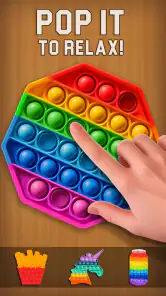
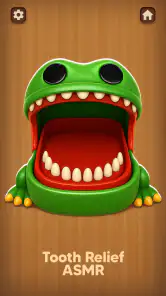
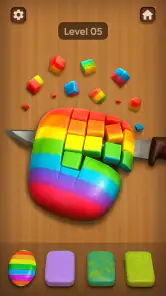



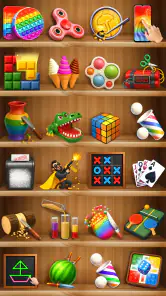
Analysis by Reviewed
I see Mini Fidget Antistress Games as a small, low-pressure casual game for the moments when I want something to tap and explore without committing to a long session. Its appeal is variety: rather than centering on one elaborate challenge, it brings together mini-games built around fidget-style play. That makes it an easy option to open during a quiet break, though it is less suited to anyone looking for a deep game to master or a structured campaign to work through.
Quick play built around small distractions
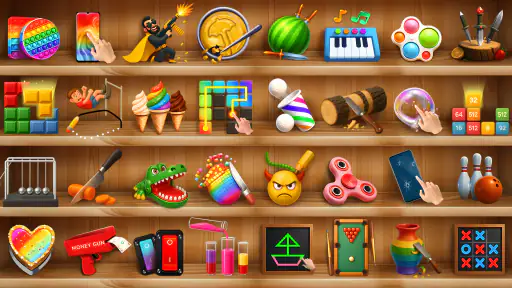
The basic idea is straightforward: choose a mini-game and spend a little time with it. The emphasis on pop-it toys points toward tactile, repetitive interactions, while the broader collection gives the experience more range than a single virtual fidget toy. In practice, I would treat it as a pick-up-and-put-down pastime rather than something that needs a fixed routine.
That distinction matters. A game like this can be useful when I have a few spare minutes between tasks, but it is not a replacement for a focused puzzle or a full-length game. There is no reason to expect a lengthy narrative or demanding progression from its casual format. The pleasure is in sampling a small activity, then deciding whether I want to stay with it or move on.
The game is developed by The Fashion Valley and sits in the casual category. It is free to download, with optional in-app purchases listed at $4.99 to $5.99 per item. That is the clearest spending context a new player can use: trying the game does not require an upfront purchase, while some items may cost extra. I would check the purchase prompt carefully before confirming anything, especially if a child is using the device.
What a short session can realistically offer
The strongest use case is a short pause when I want a simple interaction that does not ask me to remember a complex objective. A pop-it-style activity can suit that mood because the appeal comes from repeating a tactile action, not from solving a long chain of problems. If I am waiting for an appointment or taking a breather after work, that low commitment is a practical advantage.
One useful approach is to sample several mini-games early rather than settling on the first one. With a collection, the variety is only valuable if the activities actually feel different to you. I would use the first session to identify which ones feel calming and which ones become repetitive quickly, then return to the better fits when I need a brief distraction. That is more useful than expecting every activity to hold my attention equally.
The trade-off is that quick, repeatable play can also feel shallow. If I want a sense of achievement, a clear skill curve, or a goal that carries across many sessions, this format may leave me wanting more. It is best approached as a collection of small diversions, not as a game promising substantial long-term progress.
Progress without a heavy commitment
For this kind of casual collection, I would judge progress less by a long-term campaign and more by whether I can quickly find an activity that matches my mood. That makes personal selection important: a soothing repetitive interaction may work when I am tired, while a more active mini-game could be preferable when I want a little stimulation. The game’s format encourages that flexible use, but it may not satisfy players who need a visible ladder of goals to stay engaged.
There is also a pressure question. A free game with optional purchases can be easy to sample, but any purchase choice should remain separate from the simple act of playing. I would not spend just to make the game feel more complete unless I knew exactly what an item provided and genuinely wanted it. The listed item range gives a concrete reference point, but it does not tell me what each purchase contains, so I would make that decision only after reading the in-game prompt.
For parents, that is a sensible moment to set expectations. The content rating is Everyone 10+, and the game includes in-app purchases. A child can enjoy the casual activities, but I would still review purchase controls on the device and explain that an on-screen offer is not part of the free download. That small bit of preparation can prevent a relaxing game from turning into an unwanted spending surprise.
Fairness and the role of spending
Because the experience is built around mini-games rather than a described competitive ladder, I would not assume that purchases provide a competitive advantage. The confirmed purchase information establishes that individual items can be bought, but it does not establish what those items do or whether they affect play. So my practical verdict is cautious rather than suspicious: the price range is clear, while the relationship between purchases and gameplay is not something I can responsibly claim.
If you prefer games where every feature and advantage is transparent before you spend, that uncertainty may be a reason to keep the experience strictly free. Try the activities first, and only consider an item if its purpose is plainly explained at the point of purchase. This is a better fit for casual play than for players seeking a ranked environment where they need assurance that money cannot influence outcomes.
Compared with a single-purpose fidget app, the collection approach could be more engaging because it offers different small activities in one place. Compared with a conventional puzzle game, it appears less focused on strategy and sustained problem-solving. Those are different strengths, not a direct contest: I would choose this when I want variety and low effort, and choose a more structured puzzle when I want to test my reasoning or work toward a clear target.
Compatibility, audience, and practical expectations
The game was released on October 23, 2024, and its current version is 0.2.3. It requires Android 8.0 or later. Those details are worth checking before installing, particularly on an older device. Its average rating is 4.5 from around 60,000 ratings, and it has been installed over 10 million times. That level of uptake suggests many people have tried it, but popularity alone cannot tell you whether its particular mini-games will suit your taste.
I would recommend it most to someone who likes fidget-style interactions, wants several bite-sized options, and is happy to stop whenever the novelty wears off. It can also suit a family looking for a simple casual game, provided an adult handles purchase settings. Someone who dislikes repetitive tapping, wants a precise skill challenge, or expects a deep unlock system should probably look elsewhere.
A practical test is to ask what you want from a break. If the answer is “something easy to open and easy to leave,” this format makes sense. If you want a game that rewards careful planning across multiple sessions, a dedicated puzzle or strategy title is likely a better choice. I would also avoid treating it as a guaranteed stress solution: a calming toy-like interaction can be pleasant, but whether it relaxes you depends on your own response to repetition and screen play.
What remains uncertain, and why that matters
The purchase range is available, but the specific contents of each item are not established here. I would not infer that they remove ads, unlock particular games, or change the balance. That makes the safest approach simple: enjoy the free experience first, inspect any offer closely, and decline if the benefit is not clear to you.
Likewise, the broad description of multiple mini-games does not tell a new player exactly how many activities there are or how frequently they change. I would judge the collection by trying it rather than expecting a particular amount of content. This is a useful distinction for anyone deciding between a free sampler and a game with a clearly defined sequence of levels: Mini Fidget is easier to approach casually, while a fixed progression may be more reassuring if you want to know exactly what you are working toward.
The developer is The Fashion Valley, and the game’s current version is identified as 0.2.3. I would keep an eye on the version shown on the device if I run into a problem, since version details help distinguish the installed build from older references. I would not read a version number by itself as a promise about future features or update timing.
My verdict after weighing the trade-offs
Mini Fidget Antistress Games makes sense as an accessible collection of quick distractions, especially for players who enjoy pop-it-style repetition and want to switch between small activities rather than commit to one demanding game. Its free entry and casual structure lower the barrier to trying it, while the optional purchases call for a little attention before spending. The main limitation is the same quality that makes it convenient: short, simple play may not provide enough depth for everyone.
I would give it a try if I wanted a low-effort break and was comfortable deciding for myself which mini-games were worth revisiting. I would skip it if my priority were a substantial progression system, a competitive game with clearly established purchase fairness, or a detailed puzzle challenge. Used with those expectations, it is a reasonable casual option—not a substitute for a deeper game, but a handy place to turn when a few minutes of uncomplicated tapping sounds appealing.
Mini Fidget Antistress Games Frequently Asked Questions
What is Mini Fidget Antistress Games?
Mini Fidget Antistress Games is a casual collection of small interactive activities designed for short, relaxing play sessions. Depending on the version available in your app store, it may include simple fidget-style interactions such as tapping, popping, or manipulating virtual objects. The games are generally easy to start and do not require advanced skills, making the app suitable for casual use when you want a brief distraction.
Is Mini Fidget Antistress Games free to download and play?
The app may be available to download for free, but the exact pricing and features can vary by platform, region, and version. Free apps may include advertisements, optional in-app purchases, or paid options to unlock content or remove ads. Check the Google Play Store or Apple App Store listing before installing, and review the purchase details so you know what is included at no cost.
Does Mini Fidget Antistress Games work offline?
Some simple mini-games may be playable without an internet connection once the app is installed, but this is not guaranteed for every version or feature. Ads, updates, online content, or certain activities may require connectivity. If offline access matters to you, check the app’s store description and test the relevant games after installation. Avoid assuming that all content will remain available without internet access.
Is Mini Fidget Antistress Games suitable for children?
The simple controls and casual format may make Mini Fidget Antistress Games approachable for children, but suitability depends on the app’s current content, advertisements, and purchase options. A parent or guardian should check the age rating, privacy information, and store listing before downloading it for a child. Consider using device-level parental controls to manage in-app purchases and limit exposure to ads or external links.
Does Mini Fidget Antistress Games really relieve stress, and what should I expect?
The app can offer a light, temporary distraction through simple interactions, which some players may find calming or satisfying. However, it should not be treated as a medical or therapeutic tool, and its effects will differ from person to person. Expect casual entertainment rather than a guaranteed way to reduce anxiety or improve wellbeing. If stress is persistent or seriously affects daily life, seek appropriate professional support.
Pros
- Offers a variety of small activities in one app.
- Quick games are easy to pick up for short breaks.
- Simple controls make it accessible to casual players.
- Fidget-style interactions can feel satisfying to repeat.
- Works well for users who prefer low-pressure gameplay.
Cons
- Several activities may feel repetitive after extended play.
- Some mini-games may be less polished than others.
- Frequent ads can interrupt the relaxing experience.
- The app may request permissions that seem unnecessary.
- Not every activity will appeal to every player.
- Category
- Casual
- Version
- 0.2.3