Math Games Premium
- 36.00
- 4.7
- Installs
- 5.00K
- Price
- $4.49
Screenshots
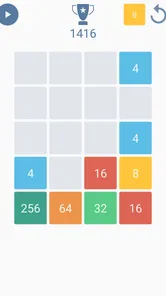

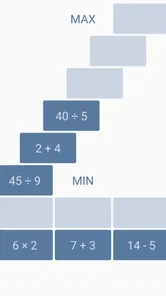
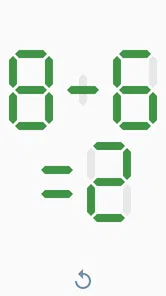
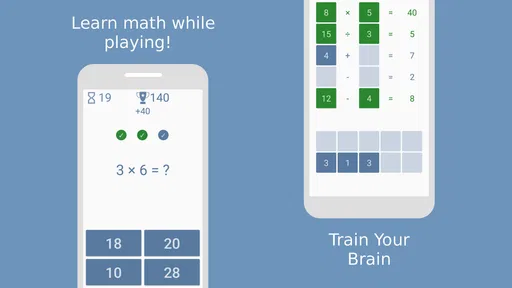
Analysis by Reviewed
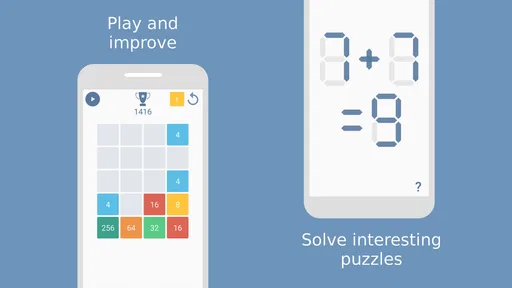
My first impression of Math Games Premium is that it treats maths as something to approach with curiosity, not as a test you have to pass. The colorful presentation gives the puzzles a friendly starting point, and the idea of practising through play is appealing when a worksheet feels like too much effort. I’d think of it as a compact puzzle game for spare moments, rather than a complete course or a substitute for teaching.
A quick reality check before you play
It is a puzzle game by Pavel Olegovich, and its appeal is the idea of meeting maths through play rather than sitting down with a worksheet. That distinction matters: if you want guided explanations for every method, a structured curriculum, or a tutor-style tool, a dedicated learning app will suit you better. If you want a light activity that can make spare minutes feel purposeful, this is a more natural fit.
The game is rated Everyone, which makes it approachable for family use, though I would still match the puzzles to the player’s comfort level. A child who finds timed arithmetic stressful may enjoy a slower practice tool more, while an adult who wants a quick mental warm-up may appreciate the game format. The useful question is not whether it teaches every part of maths, but whether its puzzle approach makes you more willing to practise.
Where the playful presentation helps
The opening impression is warmer than the stark number grids people may associate with maths practice. That matters most for players who already feel hesitant about arithmetic: a welcoming visual style can lower the barrier to starting, even if it cannot replace a clear explanation when a problem is unfamiliar. I see the presentation as an invitation to try a puzzle, not as proof that every learner will find every challenge easy.
For a parent, the useful move is to let a child choose a puzzle and talk through how they approached it, rather than turning each session into a mini lesson. For an adult, the same friendly framing can make a few minutes of mental exercise feel less like extra homework. The game’s mood supports practice, but the player still needs to decide what they want to get out of it.
Let’s Crunch Some Numbers!
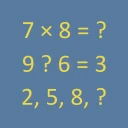
First things first, Math Games Premium is a puzzle game in the maths category, and it is available for Android and iOS. When I first opened the app, I was greeted with a colorful, user-friendly interface that immediately put me at ease. No intimidating number grids here, just a warm welcome to the world of math fun.
Features That Add Up
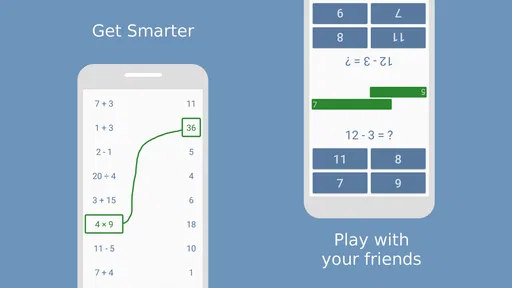
One of the standout features of Math Games Premium is its variety of games. We’re talking everything from simple arithmetic to more complex puzzles that require a bit of logical thinking. I was pleasantly surprised to find games that cater to different skill levels, so whether you’re a math novice or a seasoned pro, there’s something here for you.
More From Our News Desk

 Gmail
Gmail in a Busy Inbox: Who Benefits Most?
From first account to crowded workday, Gmail earns its place through dependable search and flexible sorting—but its best fit depends on how much inbox maintenance you can tolerate.

 Prime Video
Switching to Prime Video: What Changes in Your Viewing Routine
Prime Video can make a compelling second home for streaming, but switching means learning a different catalog, rental layer, and route from browsing to playback.

 Universal TV Remote Control
 Works Best as a Reliable Backup
A phone remote earns its place through quick setup and reliable habits. Here is how to get more from Universal TV Remote Control—and where its limits show.

 Weather - By Xiaomi
Weather by Xiaomi Review: Clear at a Glance, Less Clear Up Close
Xiaomi’s weather app makes everyday forecasts quick to scan, but its calm surface can leave useful details and recovery paths harder to find than they should be.

 X
X Under Pressure: Can It Recover When Posting Goes Wrong?
A resilience-focused review of X, examining setup, mistaken posts, interruptions, weak connections, and the gaps that matter when recovery needs to be dependable.

 Clash of Clans
 Is Won Between the Battles
Its raids are quick; its community is a long-term project of coordination, teaching, rivalry, and shared responsibility—with all the friction that entails.
Latest News



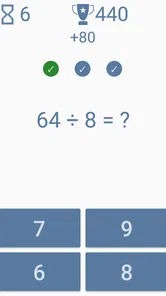
The app also offers timed challenges which are perfect for those who thrive under a bit of pressure. I found myself getting quite competitive, trying to beat my previous scores and climb up the leaderboard. It’s a great way to keep your brain engaged and sharp.
Sound, setting, and a comfortable pace
The app’s visual tone does more for its mood than any single puzzle can: it makes the activity feel approachable before the player has even settled into a challenge. I’d treat the sound and setting as supporting details rather than the main attraction. If you are choosing a maths game because you want a rich story world or an elaborate audiovisual production, this is not the angle I would use to judge it. Its appeal is the contrast between a friendly presentation and the effort of working through a problem.
That contrast also shapes the pace. A timed round can feel brisk and lively, while a less pressured puzzle is easier to approach when you want to think carefully. I’d avoid mixing a speed challenge with a moment when I’m distracted: interruptions make it harder to tell whether I’m practising maths or simply reacting quickly. A quiet break, a waiting period, or a few minutes at home is a better setting for focused play.
Choosing a useful rhythm
That timed format is best used deliberately. I’d start a session when I have a few uninterrupted minutes, rather than opening a challenge while distracted or rushing between tasks. Under pressure, a wrong answer can come from haste as easily as from a gap in understanding, so I’d use the calmer puzzles to build confidence and reserve the clock for a short focus exercise. This makes the game easier to fit into a commute wait or a quiet break without turning practice into a test of speed alone.
Compared with a standard math worksheet, the game format is more inviting when motivation is the obstacle; compared with a broad brain-training collection, the maths focus is clearer. The trade-off is that a game can encourage replay and score-chasing without necessarily explaining why a solution works. If you are studying for an exam or trying to repair a specific weakness, I’d pair it with worked examples or a textbook. For casual practice, though, the playful format can be the nudge that gets you started.
Who gets the most from a short session
A realistic use for me would be opening the game while waiting for a meal to finish or sitting through a short gap between plans. I’d choose a puzzle that feels manageable, play for a little while, and stop before the session turns into an attempt to chase a score at any cost. That kind of routine is more likely to last than setting an ambitious daily target that makes a casual game feel like an obligation.
It is also a reasonable pick for someone who wants to keep basic arithmetic and logical thinking active without planning a full study session. The game may be less satisfying for a learner who needs step-by-step teaching, or for someone who wants a wide-ranging brain-training bundle with several unrelated exercise types. If speed makes you tense, I’d skip timed challenges and look for a practice tool where you can work at your own pace.
Learning Meets Fun
What I really appreciate about Math Games Premium is how it seamlessly blends learning with entertainment. Each game is designed to improve specific math skills, but they’re so fun you don’t even realize you’re learning! Plus, there’s a rewards system that keeps you motivated to keep playing and improving. I mean, who doesn’t love earning a little virtual trophy now and then?
Another cool feature is the progress tracker. It’s super satisfying to see how far you’ve come and which areas you might need to focus on. This makes the app not only fun but also an effective educational tool.
Turning a score into a next step
I’d use that progress view as a prompt for what to practise next, rather than as a verdict on ability. If one area feels less comfortable, a short return to it on another day is more useful than grinding through a long session just to improve a score. For a parent or learner, that also gives a simple conversation starter: which kinds of questions felt straightforward, and which ones took more thought? It is a practical way to turn casual play into a small routine without needing to make every session formal.
One helpful habit is to notice the difference between a puzzle you solved quickly and one you solved confidently. A fast answer can be a lucky guess, while a slower one may show that you are working through the reasoning carefully. If the tracker or your own memory points to a less comfortable area, I’d revisit it later with a calmer mindset instead of treating one session as a final measure of ability. That keeps the game useful without giving a score more authority than it deserves.
What to weigh before paying
The game costs $4.49, so I’d think about whether you want a paid, focused puzzle experience before installing it. Its current version is 1.138-premium, and it requires Android 5.0 or later. The game has a 4.7 average from around 474 ratings, with 36 written reviews and over 5K installs. Those figures suggest a modest but positive audience, rather than a reason by themselves to assume it will match every player’s tastes. It was released on February 19, 2017, so its appeal is best judged by the puzzle experience you want today, not by the age of the app.
The purchase makes most sense if you expect to return to maths puzzles often enough to enjoy having a focused game on hand. If you only need a one-off refresher for a class or an exam, free explanations and practice materials may serve you better. I’d also consider the player’s temperament: someone who enjoys replaying challenges may value a dedicated game more than someone who prefers a single, carefully explained lesson and then moves on.
Final Thoughts
So, is Math Games Premium worth downloading? In my opinion, absolutely! Whether you’re looking to brush up on your math skills or just want a fun way to kill some time, this app has got you covered. It’s engaging, educational, and most importantly, fun. So go ahead, give it a try and see for yourself how enjoyable math can be!
Math Games Premium is a delightful blend of challenge and fun, and I’m pretty sure it’s going to be a permanent fixture on my phone. Happy number crunching!
Who will enjoy the atmosphere
The colorful presentation and approachable opening give the puzzles a friendly mood instead of making them feel like a digital exam. The sound and setting are part of that impression, but I would not choose the game on atmosphere alone: the lasting value comes from whether its arithmetic and logic challenges feel satisfying to you. If you prefer quiet, untimed practice, or need detailed teaching before trying problems, another kind of maths app is likely a better match.
For someone who likes a little competition, the timed challenges and leaderboard can make a quick session feel lively. For someone who plays with a younger learner, I’d keep the emphasis on curiosity and shared problem-solving rather than speed or ranking. Either way, the clearest reason to give it a try is simple: it makes a short stretch of puzzle practice feel more like play than homework.
The mood is part of the choice
Overall, I’d choose this game for the way its light, colorful presentation makes maths practice easier to begin, not because it promises to teach every concept or suit every mood. It works best when I want a small challenge and can give it a little attention. If I need full explanations, a formal learning path, or a completely pressure-free way to study, I’d reach for a different kind of resource. For a player who enjoys brief puzzles and a bit of competition, though, the combination of approachable atmosphere and maths-focused play gives it a clear place in a casual routine.
Math Games Premium Frequently Asked Questions
Is Math Games Premium suitable for children, and what is its age rating?
Math Games Premium is a puzzle game centered on learning math through play. Its Everyone age rating makes it suitable for a broad audience, including children, while students and adults can also use its challenges to practice. Parents may find the game a way to make math practice more engaging, and learners can explore it at a pace that feels comfortable.
What is Math Games Premium and who can benefit from it?
Math Games Premium is an educational app designed to enhance math skills through engaging and interactive games. It's suitable for users of all ages, including children, students, and adults who want to improve their math proficiency. The app offers a variety of levels and challenges, making it ideal for both beginners and math enthusiasts.
How does Math Games Premium differ from the free version of the app?
Math Games Premium offers an ad-free experience with access to exclusive content and additional features not available in the free version. Users can enjoy a wider range of games, advanced levels, and personalized learning plans, providing a more comprehensive and uninterrupted learning experience.
Is Math Games Premium available on both Android and iOS platforms?
Yes, Math Games Premium is available for download on both Android and iOS devices. Users can easily find and install the app from the Google Play Store or the Apple App Store, ensuring compatibility with a wide range of smartphones and tablets for convenient access.
What types of math topics are covered in Math Games Premium?
Math Games Premium covers a broad range of math topics, including basic arithmetic, algebra, geometry, and more advanced concepts like calculus and statistics. The app is designed to cater to different learning levels and interests, providing users with a comprehensive math practice tool that adapts to their individual needs.
Pros
- Enhances problem-solving skills effectively
- Interactive and engaging user interface
- Wide range of math topics covered
- Regular updates with new challenges
- Supports offline play for convenience
Cons
- May require in-app purchases for full access
- Some features need internet connection
- Limited customization options
- Occasional ads can be distracting
- Not suitable for advanced math learners