Mahjong Voyage: Tile Matching
- 732.00
- 4.8
- Installs
- 1.00M
- Price
- Free

Screenshots
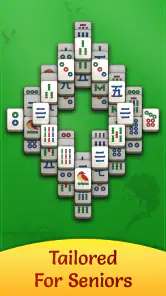
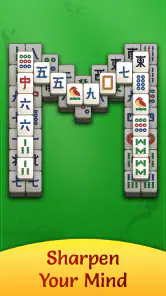
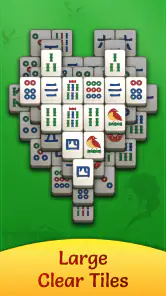
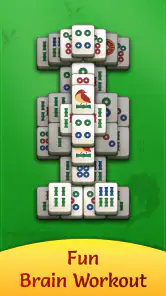


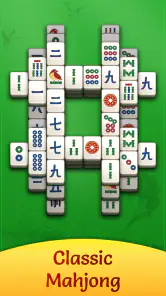
Analysis by Reviewed
When I want a quiet game that still gives me something to think about, tile matching is an easy choice. Mahjong Voyage: Tile Matching takes that familiar board-game format and gives it a travel-themed frame. I’d recommend it to someone who likes scanning a board, spotting useful pairs and gradually working through a sequence of puzzles, rather than someone looking for a competitive multiplayer game or a story-heavy adventure.
A gentle start, with clear goals
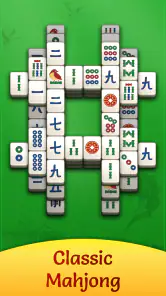
The basic aim is easy to understand: match tiles and clear the board. That makes the first steps approachable even if you have not played this style of mahjong before. The travel presentation gives each stage a sense of movement, while the immediate goal stays simple enough to pick up during a short break. I find that combination useful when I want a game I can open without first learning a complicated set of rules.
The early appeal is less about mastering a long tutorial and more about building a rhythm: scan the available tiles, choose a pair, then check how that choice changes the board. A practical tip is to pause for a moment before tapping the first obvious match. Clearing a pair can expose or block other choices, so looking over the layout first makes the puzzle feel more deliberate and can save you from relying on a rescue tool later.
Progress that feels like a journey
The game is presented as a map, with locations giving the level sequence a visual sense of progress. That helps the experience feel more like a trip than a stack of identical boards. I would not treat the scenery as a substitute for deep exploration, though: the core activity remains tile matching, and the map mainly gives that activity a theme and a reason to keep moving forward.
For me, the most useful progress signal in a puzzle game is whether each board asks me to pay attention in a slightly different way. Here, the appeal is in seeing how the available layout changes the order in which I clear tiles. If you enjoy that small planning loop, the map and changing stages can make steady progress satisfying. If you need elaborate character development, open-ended exploration or a strong narrative to stay interested, this is probably not the right kind of voyage.
Challenge, pacing and helpful tools
The rules are accessible, but matching tiles still asks for observation and a little forward planning. I like that this makes the game suitable for both a newcomer learning the rhythm and a more experienced player who enjoys careful board reading. The challenge is best approached patiently; quick tapping may feel efficient, but it can make it easier to overlook a pair that would leave you with better options afterward.
Power-ups can provide help when a board becomes awkward, which is a useful safety net rather than a reason to use them automatically. I’d save a tool for a point where I have checked the visible choices and genuinely feel stuck. That small habit makes each helper more meaningful and keeps the puzzle itself at the center. It is also a sensible way to decide whether you enjoy the game’s challenge before considering any optional spending.
More From Our News Desk

Clash of Clans Is Won Between the Battles

Android Auto Makes the Case for Quieter Car Software

MobiOffice: Transforming Mobile Productivity with Seamless Integration

EA SPORTS FC™ Mobile Soccer: Redefining Mobile Sports Gaming

How Microsoft OneDrive Became a Mobile Productivity Giant

How Google Translate Breaks Language Barriers Effortlessly
Daily challenges offer another reason to return, but they also create a choice about pacing. If you like a brief regular puzzle routine, they can give a session a clear stopping point. If you prefer to play only when you feel like it, treat them as optional rather than a checklist; a casual game should not turn into an obligation. I’d also expect the usual trade-off in a free mobile game: interruptions or prompts can break concentration, so it may suit short sessions better than a long, uninterrupted puzzle evening.
How it fits among board-game alternatives
Compared with a plain digital mahjong board, the travel framing gives this one more visual direction and a sense of moving through stages. Compared with a broader puzzle game, its focus is narrower: the pleasure comes from matching and planning around the tile layout, not from switching between several kinds of challenges. That focus is a strength if you want a familiar format with a little atmosphere, but a limitation if variety across different puzzle mechanics is what keeps you engaged.
A realistic way to use it is to play a level while waiting for a ride or winding down after dinner, then stop when the board is finished instead of letting a short break stretch on. The simple objective makes that kind of session easy to start. On the other hand, anyone who dislikes repeated board-clearing, prefers head-to-head play, or wants a game that rewards reflexes more than observation should look elsewhere in the board-game category.
Small-session habits that make the puzzles easier to read
I find that this kind of board is most satisfying when I treat each move as a choice about what I want to uncover next, rather than simply clearing any pair I can see. Before committing, I scan the exposed tiles and consider which match might open the most useful options. That does not guarantee a smooth board, but it helps me notice when an easy-looking move could leave fewer choices afterward.
For a short session, I would also decide in advance whether I am playing to relax or to challenge myself. If I am unwinding, I can take my time and use a helper when the board stops being enjoyable. If I want to test my planning, I can hold off on tools until I have examined the available pairs carefully. The trade-off is straightforward: helpers can reduce frustration, but leaning on them too early may take away the part of the game that makes a successful clear feel earned.
The travel framing works best as a light layer around the puzzle, not as a promise of a detailed tour. I would choose the game for its sequence of matching boards and visual sense of moving onward, rather than expecting every stop to become a separate activity. That distinction matters if you are deciding between this and a more varied puzzle collection: the latter may offer more kinds of tasks, while this keeps attention on one familiar pattern.
Discover the World with Mahjong
When you first open Mahjong Voyage: Tile Matching, you’re greeted with vibrant graphics that immediately pull you in. The game is laid out like a map, beckoning you to explore different countries and cultures through the art of tile matching. With every level, you'll find yourself in a new location, each beautifully designed to reflect its real-world counterpart. From the bustling streets of Tokyo to the serene landscapes of the Swiss Alps, the game truly offers a mini-vacation with every level.
Gameplay That Keeps You Hooked
Now, if you’re like me and enjoy a good challenge, this game is going to be your new best friend. The mechanics are simple enough for beginners to grasp quickly, yet complex enough to keep seasoned players on their toes. Matching tiles might sound easy, but as you progress, the levels demand more strategic thinking and quick reflexes. The further you go, the more intricate the tile layouts become, making each completed level feel like a significant achievement.
Features That Stand Out
One feature I absolutely love is the power-up system. These little helpers can be the difference between victory and starting all over again. Whether it's shuffling the board or highlighting matching pairs, these tools add a layer of strategy that keeps the gameplay fresh and exciting. Plus, who doesn't love a little help when things get tricky?
Another standout is the daily challenges. These aren’t just your run-of-the-mill tasks; they’re engaging and rewarding, giving you a reason to come back every day. Completing these challenges earns you coins and boosters, essential for tackling the tougher levels ahead. It’s a clever way to keep players engaged without feeling like you're grinding for rewards.
Are There Any Downsides?
Every game has its quirks, and Mahjong Voyage: Tile Matching is no exception. While the game is free to play, there are in-app purchases that can enhance your experience. However, these aren't necessary to enjoy the game. You can easily progress without spending a dime, which is a relief for those of us watching our wallets.
Additionally, the ads might be a bit intrusive at times. They pop up between levels, which can break the flow a little. But hey, a quick ad break is a small price to pay for a free game that offers so much in terms of content and entertainment.
Overall, Mahjong Voyage: Tile Matching is a delightful mix of strategy, adventure, and fun. Whether you’re a mahjong veteran or a curious newcomer, there’s something here for you to enjoy. So, grab your virtual passport and get ready to embark on an epic tile-matching journey. Happy travels!
Who I’d recommend it to
Playvalve’s board game is a good fit for people who enjoy matching tiles at their own pace and like having a visual theme around a familiar puzzle. Its audience rating is 4.8 from around 38 thousand ratings, and it has passed a million installs, so it has clearly found a broad group of players. It is free, rated Everyone, and the current version is 1.6.1; it runs on Android 7.0 or later. Optional in-app purchases range from $0.99 to $2.99 per item.
Those details make it easy to try, but the best reason to install it is still the kind of play it offers. I would choose it for a few thoughtful boards during a quiet moment, not for a fast, social session. If you are trying to avoid all interruptions or prefer games with no purchase prompts, those parts of the free-to-play setup may be a poor fit. The game was released on February 7, 2025, and its modest, focused premise is clearest when you approach it as a casual puzzle rather than a sprawling adventure.
What to expect from a relaxed play routine
For an everyday routine, I would fit a board into a natural pause—while waiting for a meal to finish or taking a quiet moment after work—rather than opening it when I need something competitive or social. The clear matching objective makes it easy to return to the puzzle after a brief interruption. If you are often interrupted mid-game, though, a level may be less convenient than a game built around very short rounds; the best fit depends on whether you can give the board a few minutes of attention.
One useful way to keep the free-to-play setup comfortable is to treat optional purchases as a choice, not as part of the basic routine. The listed purchases are small individual items, but any purchase can change how you approach a difficult board. I would first see how far the ordinary puzzle loop holds my interest, then decide whether extra help is worth it to me. Players who want every tool and prompt out of sight may prefer a paid, interruption-free alternative if one suits their budget and needs.
My progression verdict
What sustains play here is the combination of short-term board goals and the visual sense of moving along a journey. The map helps mark progress, while the puzzles give each individual session its purpose. That is enough to make returning appealing for players who enjoy a steady sequence of matching challenges, but it does not turn the game into something every puzzle fan will want to play daily. I’d let interest in the boards—not pressure to keep a streak or clear every task—set the pace.
My practical advice is to start with the free experience, take time to inspect each layout, and use helpers only when they solve a real problem. That gives you a fair feel for the challenge before spending anything. If you want a calm, travel-themed take on tile matching, I think it is worth trying. If you are after deep strategic variety, uninterrupted play, or direct competition, a different board game will suit you better.
Mahjong Voyage: Tile Matching Frequently Asked Questions
Is Mahjong Voyage: Tile Matching suitable for children and families?
The game has an Everyone age rating, making it suitable for a broad audience, including families looking for a casual board-game activity. Its tile-matching format is easy to approach, and the puzzle focus can offer a calm way to pass the time. As with any game, parents may wish to review its optional in-app purchases and help younger players understand that purchases can involve spending money.
What kind of gameplay should I expect from Mahjong Voyage: Tile Matching?
Mahjong Voyage: Tile Matching centers on clearing a board by matching pairs of tiles. It is designed as a mobile board game with a relaxed puzzle feel, while progressing through more challenging layouts can add a little extra thought to each session. The store describes its broader theme as matching tiles while building a dream zen paradise, giving the game a calming travel-inspired framing.
Does Mahjong Voyage: Tile Matching have optional purchases?
Yes. The game is free to download and play, with optional in-app purchases priced from $0.99 to $2.99 per item. Players who prefer not to spend can still enjoy the game, while purchases offer a way to pay for additional content or features. If you are downloading it for a child, it is sensible to review purchase settings on the device beforehand.
What devices can run Mahjong Voyage: Tile Matching?
Mahjong Voyage: Tile Matching is available for Android and iOS, so you can play on a compatible phone or tablet. On Android, the minimum operating system requirement is version 7.0. The game is free to download, and its Everyone age rating makes it suitable for a broad audience looking for a casual board-game experience.
Is Mahjong Voyage: Tile Matching suitable for beginners?
Yes. Its familiar pair-matching objective is straightforward to understand, so newcomers can start playing without needing to know the rules of traditional Mahjong. The game also presents puzzles that become more complex as you progress, giving players room to learn at their own pace. If a board proves difficult, the hint system can help you find a way forward.
Pros
- Engaging gameplay with challenging puzzles
- Visually appealing graphics and themes
- Multiplayer mode enhances social interaction
- Regular updates with new levels and features
- Easy to learn
- hard to master mechanics
Cons
- In-app purchases can be expensive
- Requires internet connection for multiplayer
- Ads can be intrusive during gameplay
- Some levels can be frustratingly difficult
- Limited offline gameplay options

- Category
- Board
- Version
- 1.6.1