Lucky Classic Tripeaks Game
- 394.00
- 4.6
- Installs
- 100.00K
- Price
- Free
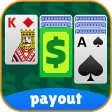
Screenshots



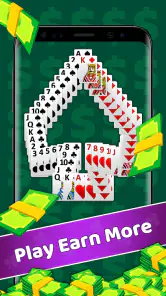
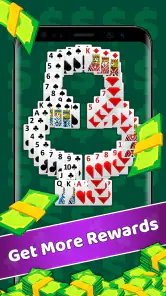



Analysis by Reviewed
I went into Lucky Classic Tripeaks expecting a familiar solitaire-style card game, and that is exactly where its appeal begins. The first round is easy to understand: clear cards from the layout, make the next valid move, and keep the sequence alive for as long as the board allows. The presentation is built around quick decisions rather than a long tutorial, so I could start playing almost immediately.
What makes this particular title worth examining more closely is the way it frames that classic card loop around real-money rewards. That changes the mood completely. A normal solitaire game is usually a quiet way to pass time, while this one asks me to think about both the card pattern and the possible value attached to the outcome. I found that combination engaging, but it also means the game is not suitable for every kind of player.
JOYWIN GAME is the developer behind this card game, which is free to install and aimed at a mature audience. It has an average rating of 4.6 from around 3.1 thousand ratings, with over 100 thousand installs. Those figures suggest that the concept has found an audience, although popularity alone does not remove the need to approach cash-related gameplay carefully.
How the Tripeaks loop feels from the first move to the next session
The first action is simple, but the choice is rarely meaningless
The opening move is familiar to anyone who has played Tripeaks solitaire. I look at the exposed cards and choose one that follows the value of the card currently available for play. That basic rule is simple enough for a newcomer, yet the layout quickly creates small decisions: should I take the immediately available card, or preserve a possible continuation by choosing a different route through the board?
That is where the game feels more deliberate than a completely automatic card puzzle. The action itself takes a second, but the consequence can affect the next several moves. A careless choice may leave a useful card buried, while a well-timed run can open several cards in succession. I liked that the game does not require complicated controls to create this tension. The challenge comes from reading the visible layout, not from learning a large control scheme.
For a realistic everyday use case, I can see this working during a short break when I want something more active than scrolling. I can begin a round, make a few moves, and decide whether to continue based on the board in front of me. It is also a reasonable fit for someone who enjoys traditional solitaire but wants a more compact layout and a faster sense of progress than a long Klondike game usually provides.
My first practical tip is to avoid treating every playable card as equally valuable. When several moves are open, I look for the choice that exposes the most new cards or keeps the longest possible chain alive. This is not a guaranteed formula, because the deck and layout can still work against me, but it makes the decision-making feel less random and helps prevent impulsive taps.
The feedback rhythm keeps the round moving
Tripeaks games depend heavily on rhythm. A card disappears, the next option becomes available, and I immediately reassess the layout. When several moves connect, the pace becomes satisfying because each action produces a visible change. The board gradually opens, and that visual progress gives the round a clear direction even before any reward is considered.
That feedback is the strongest part of the experience for me. The game turns ordinary solitaire rules into a sequence of small confirmations: a legal move, a cleared card, a newly exposed possibility, and another decision. The loop is easy to follow because the result of each tap is visible. I never need to wonder whether I made progress; the remaining layout answers that immediately.
The downside is that the same rhythm can encourage rushed play. Once a chain begins, it is tempting to tap quickly and focus only on keeping it going. I found it better to pause briefly before a choice that could open or close an important section of the board. The game rewards momentum, but momentum without attention can make a promising round collapse sooner than necessary.
This is also where it differs from a standard offline solitaire app. Traditional alternatives often emphasize relaxed repetition, personal scores, or simply completing a deal. Lucky Classic Tripeaks adds more pressure because the surrounding reward concept makes each decision feel more consequential. Players who want a calm, consequence-free puzzle may prefer ordinary solitaire, while players who enjoy a stronger sense of stakes may find this feedback loop more compelling.
Another useful habit is to treat the visible layout as a planning problem rather than a series of isolated matches. Before committing to a move, I scan for cards that could become useful after the next clear. This takes only a moment, but it reduces the feeling that the round is controlled entirely by luck. It also makes losses easier to understand: sometimes the issue is not the final card, but an earlier choice that removed flexibility.
Rewards change the meaning of a successful run
The real-money-reward angle is the feature that separates this game from a basic Tripeaks clone. Winning or progressing is not presented only as a personal score exercise; the idea of receiving real cash gives the result a different emotional weight. That can make a good run feel more satisfying, especially for someone who already enjoys solitaire and wants an additional reason to keep playing.
At the same time, I would not install it with the mindset that it is a dependable income source. A card game is entertainment first, and outcomes can depend on the deal, the decisions available, and the conditions attached to any reward system. The mature rating is important here. It signals that this is not a children’s card game, and I would personally recommend that users read the in-game terms carefully before committing money, chasing rewards, or assuming that a displayed prize is equivalent to guaranteed earnings.
The most sensible way to approach the reward layer is to set a personal boundary before playing. Decide how much time and money, if any, the game is worth to you, and do not let a near-success persuade you to ignore that limit. This is especially important because the short rounds make it easy to start another attempt immediately. The convenience of the loop can hide how quickly repeated sessions add up.
I also think the reward structure is best suited to players who can separate enjoyment from expectation. If I play because I like making efficient Tripeaks decisions, a disappointing round is simply a disappointing round. If I play only because I expect cash every time, the experience becomes frustrating very quickly. That distinction is more important here than it would be in a purely recreational solitaire app.
Resetting the board is part of the design’s pull
After a round ends, the game’s strongest temptation is the reset itself. A new layout promises another chance to improve the opening, preserve a longer chain, or finish what the previous deal did not allow. That restart is not a flaw by itself; it is a natural part of card-game design. The problem is that the reward angle can make the next attempt feel necessary rather than optional.
I found the reset most enjoyable when I used it as a quick experiment. If an early move left the board awkward, I could begin again with a better understanding of what to watch for. This creates a useful learning cycle: act, observe the result, adjust the next decision, and see whether the new approach produces a stronger run. The game is at its best when the reset feels like a fresh puzzle instead of an invitation to chase a loss.
A practical stopping rule helps. I would stop after a clear win, after a fixed amount of time, or when I noticed that I was tapping through decisions without thinking. That last sign matters because the game’s simplicity can make tired play feel almost automatic. If the goal is relaxation, a short session is enough. If the goal is improvement, taking a break can be more useful than immediately repeating the same pattern.
The current version is 0.2.3, and the game requires Android 9 or later. That makes the operating-system requirement fairly accessible for many Android users, but anyone with an older device should check compatibility before planning around it. The title is listed for Android rather than presented here as a cross-platform recommendation, so iPhone users should not assume the same availability or experience without checking their own store.
Who will enjoy it, and who should choose another card game?
I would recommend it to adults who already like solitaire, enjoy short tactical rounds, and are comfortable with the extra responsibility that comes with real-money rewards. It is particularly appealing if you like the feeling of building a chain from limited options. The rules are approachable, but the best play still involves restraint, board awareness, and knowing when a move is valuable because of what it reveals rather than what it clears immediately.
I would steer other players toward a conventional solitaire app instead. That includes anyone looking for a completely casual pastime with no financial framing, parents searching for a child-friendly card game, and players who dislike reward systems that can make a simple puzzle feel pressurized. Someone who wants deep deck-building, a story campaign, or competitive multiplayer will also find the Tripeaks format too focused and repetitive.
Compared with classic Klondike, this game feels quicker and more concentrated. Klondike often asks me to manage several foundations and tableau columns over a longer sequence, while Tripeaks gives me a more direct objective: remove the visible peaks by maintaining a valid run. Compared with free solitaire games that use only points, this title adds a reward-driven motive, but that benefit comes with more caution and less emotional distance from the outcome.
One trade-off is replayability. The core rules are easy to return to, and the reset cycle makes another round immediately understandable. However, players who need a wide variety of modes may eventually want more than the focused Tripeaks format provides. I would judge it as a specialized card game rather than an all-purpose solitaire collection.
Small habits that make the experience more satisfying
My first habit is to scan the peaks before touching the first card. I look for which exposed cards can be removed now and which hidden groups might be opened by doing so. This gives me a rough route through the layout and prevents the opening move from becoming a reflex. Even when the deal does not cooperate, I feel more involved in the result.
My second habit is to value flexibility over immediate clearing. A move that leaves several possible follow-ups can be stronger than one that clears a card but narrows the next choice. This is a non-obvious difference between merely playing legal cards and playing with a plan. It also helps explain why two rounds with similar openings can end very differently.
My third habit is to separate game analysis from reward analysis. During the round, I focus on the board. Afterward, I consider whether the session was worth my time and whether I stayed within my own limits. Mixing those questions while playing makes every card feel overloaded with importance. Keeping them separate makes the puzzle clearer and the reward system easier to handle responsibly.
Finally, I would avoid assuming that a lucky streak proves a reliable strategy. A successful chain can come from good decisions, a favorable layout, or both. The right lesson is to identify which choices preserved options and which ones were merely fortunate. That mindset keeps the game entertaining without turning one strong result into an unrealistic expectation for the next session.
My verdict on the complete action-to-reset cycle
Lucky Classic Tripeaks has a clear and effective loop: choose a card, watch the board open, pursue a longer run, see how the reward element affects the result, and decide whether another deal is worthwhile. The action is accessible, the feedback is immediate, and the reset is naturally inviting. I understand why the game has attracted a substantial audience despite its focused format.
My enthusiasm comes with a firm condition: I would play it as a card game with a reward layer, not as a financial plan. The mature audience rating is appropriate, and anyone interested in the cash aspect should slow down long enough to understand the rules and set limits. That caution does not cancel the fun, but it does define the kind of player who can enjoy the game without letting the loop take over.
For me, the best sessions are short, attentive, and based on improving decisions rather than chasing a result. If that sounds like your style, this free Tripeaks game is worth trying on a compatible Android device. If you want purely relaxing solitaire with no reward pressure, a traditional alternative will be the better choice. The loop works because every move feels like a small decision, but the smartest move is knowing when the session should end.
Pros
- Simple rules make it easy for beginners to start playing.
- Short rounds fit well into quick breaks or casual sessions.
- Tripeaks layout offers satisfying card-clearing moments.
- Runs smoothly on most modern Android and iOS devices.
- Offline play is useful when you have no internet connection.
Cons
- Random card deals can make some rounds feel unwinnable.
- Progress may become repetitive after extended play sessions.
- Ads can interrupt the flow between or during rounds.
- Limited strategic depth may not satisfy experienced card players.
- Some features may encourage optional in-app purchases.
- Category
- Card
- Version
- 0.2.3