Luck be a Landlord
- 201.00
- 4.5
- Installs
- 50.00K
- Price
- $4.99

Screenshots
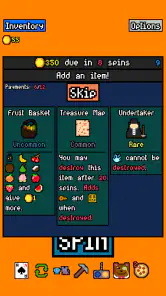
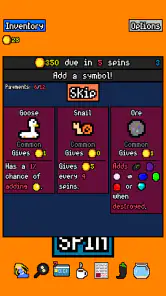
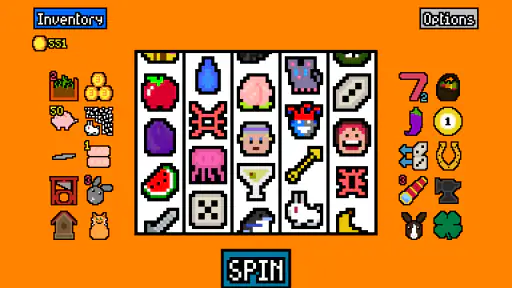
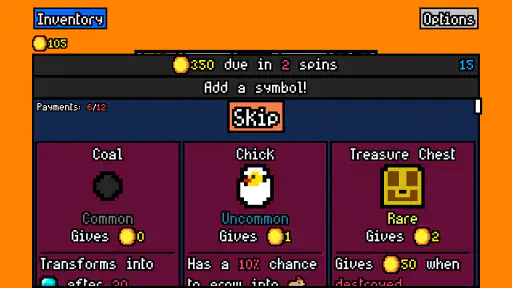
Analysis by Reviewed
I tend to enjoy card games most when a small choice can reshape a whole run, and Luck be a Landlord has that satisfying, slightly nerve-racking quality. Instead of building a hand and playing cards in turns, I shape a slot machine: each spin pays out according to the symbols I have gathered, while rent keeps coming due. The premise is funny, but the pressure gives each decision a practical edge. I would recommend it to anyone who likes experimenting with combinations and can accept that luck will sometimes disrupt a plan.
Readable rules, unusual navigation
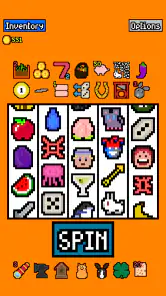
The basic loop is easy to grasp: spin, earn, choose symbols, and try to meet the next rent payment. What takes longer is understanding which symbols work well together and which additions dilute a setup that was already earning reliably. I found it useful to treat each choice as a small deck-building decision rather than grabbing whatever looks amusing. A symbol can be appealing on its own yet contribute little to the machine I am trying to build.
That makes the game approachable without making it mindless. The slot-machine layout gives the action a clear visual focus, and the simple artwork helps me identify symbols at a glance. Still, clarity of appearance is not the same as clarity of strategy: newcomers may need a few runs to learn why a seemingly promising combination is not producing enough income. I would not expect every interaction to be obvious on a first pass.
Playing with different abilities and in different settings
The short, repeated decisions suit casual sessions: I can make a few spins while waiting for something, then stop when I reach a natural break. The game also works for a longer stretch when I want to compare approaches and see whether a different mix of symbols can carry a run. Because the core screen is visually focused, the symbols are generally easy for me to follow, though players who rely on larger text, stronger contrast, or nonvisual cues should judge the presentation on their own device before committing.
Sound effects add personality, but they are not the reason I understand what is happening; the visual symbols and changing payout are central. That is useful in a quiet place where I would rather keep sound low. On the other hand, the spinning presentation and repeated visual changes may not suit someone sensitive to motion or busy screens. I would try a brief session first and see how it feels rather than assuming a slot-machine theme will be comfortable for everyone.
Getting Started with Luck be a Landlord
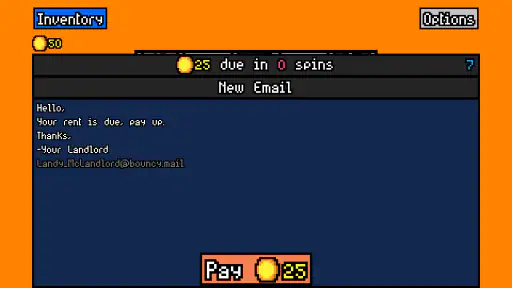
Jumping into Luck be a Landlord, you'll find yourself in a unique situation where the ultimate goal is to pay off your rent by spinning a slot machine. Sounds odd, right? But that's the charm! The game cleverly combines the simplicity of a slot machine with the strategic depth of a deck-building game. As you spin, you earn money, which you can then use to add new symbols to your slot machine. These symbols can range from cats and coins to more unconventional items like bounty hunters and thieves.
The Strategy Behind the Spins
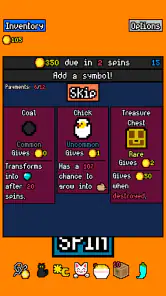
What makes this game so engaging is the strategic element. Each spin offers you the chance to choose new symbols that interact with each other in interesting ways. For instance, landing a cat symbol could interact with a milk symbol for extra income. It's all about crafting the perfect combination of symbols to maximize your earnings. But beware, not all symbols are created equal, and some might even sabotage your efforts if not chosen wisely!
More From Our News Desk

Weather by Xiaomi Review: Clear at a Glance, Less Clear Up Close

X Under Pressure: Can It Recover When Posting Goes Wrong?

Clash of Clans Is Won Between the Battles

Android Auto Makes the Case for Quieter Car Software

MobiOffice: Transforming Mobile Productivity with Seamless Integration

EA SPORTS FC™ Mobile Soccer: Redefining Mobile Sports Gaming
What I pay attention to is whether a new symbol strengthens an existing relationship or simply adds another possibility that rarely appears. That is a useful distinction when a run is getting close to a rent deadline: chasing an entertaining combo can be riskier than reinforcing the income pattern already keeping me afloat. If a run goes poorly, I try to treat it as information about the choices I made, not proof that the next run will automatically go better. This makes experimentation feel more deliberate, even when a spin still comes down to chance.
Replay value and who it suits
The game thrives on its replayability. Every playthrough feels fresh and challenging because the symbols you choose and the way they interact can change drastically. It's a delightful puzzle that keeps you coming back for more, each time trying to beat your previous score or survive just a little bit longer.
For a practical everyday example, I might start a run during a short break, make choices until I reach a stopping point, and return later when I have time to focus on a full attempt. It suits players who enjoy roguelike variety and can laugh off an unlucky result, but it is less suitable if you want a calm, predictable progression or a story-led campaign. Compared with familiar card battlers, its appeal is less about managing a hand of attacks and more about tuning a symbol pool whose pieces resolve together on every spin. If you prefer direct control over each move, a traditional turn-based deckbuilder may feel fairer.
A Visual and Auditory Delight
Visually, Luck be a Landlord doesn't disappoint. The artwork is charmingly simple yet effective, making each symbol easy to recognize and understand. The colors are vibrant and inviting, creating a welcoming atmosphere for players. On the auditory side, the game features catchy sound effects that complement the spinning action perfectly. It's the kind of game where you might find yourself bobbing your head along to the rhythm of your spins.
For accessibility, I see a strength in the recognizable symbol art and a limitation in how much the experience depends on following a changing visual arrangement. If small details or rapid visual changes are tiring, a larger screen may be more comfortable than a compact phone, where available. I would also keep the sound at whatever level suits the setting; the effects are enjoyable, but I do not need them to make strategic choices. These are practical adjustments rather than guarantees that the game will fit every sensory or motor need.
Price, platform fit, and remaining barriers
TrampolineTales' card game costs $4.99, and its age rating is Everyone 10+. It has a 4.5 average from around 1,200 ratings, with over 50,000 installs, and the current version is 1.2.12; it runs on Android 5.0 or later. I would think of the price as an upfront purchase for a focused game, not a free way to sample the loop. If you are unsure whether repeated spins and symbol optimization will hold your attention, it is worth considering that commitment before downloading.
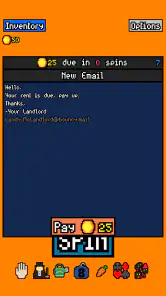
Its main friction is not learning how to spin but deciding whether the mix of luck and planning is enjoyable for you. Rent deadlines create pressure, and a carefully chosen setup can still have an uneven result. The slot-machine framing may also be uncomfortable for people who prefer to avoid gambling imagery, even though the game’s appeal here is strategic symbol-building. On a phone, small controls or text can be a concern for some players; I would check comfort early rather than push through a session that feels tiring.
Who I would recommend it to
The humor sprinkled throughout adds to its charm, making it an enjoyable experience for players of all ages. Whether it's the quirky symbols or the amusing interactions between them, there's always something to make you smile.
I would suggest it to someone who likes compact strategy puzzles, enjoys discovering surprising symbol interactions, and does not mind replaying after a failed attempt. I would steer a player toward a conventional card game instead if they want to plan around a visible hand, make precise tactical moves, or avoid slot imagery. The most helpful habit is to pause at each symbol choice and ask how it changes the machine as a whole, rather than judging it by its individual payout. That small check can make the decisions feel more thoughtful without removing the uncertainty that defines a run.
Deciding whether the purchase fits your play style
Because this is a paid game rather than a free trial, I would make the decision by focusing on the central loop, not just the novelty of its premise. Ask yourself whether you enjoy making small adjustments to a system and watching them play out indirectly. The pleasure comes from shaping what might appear together, then learning from the result; it is not the same as choosing a card and seeing an immediate, precisely controlled effect. If that kind of delayed feedback sounds satisfying, the purchase is easier to justify. If you usually abandon games when a run ends abruptly, the same structure may feel frustrating instead of compelling.
One useful way to approach a new run is to set a modest goal beyond simply surviving: test a particular interaction, or see whether a focused symbol pool performs better than a broad one. That gives an unsuccessful attempt some value, because you can leave with a clearer idea of what you want to change next time. I would avoid treating every offered symbol as an upgrade. The chance to add something new is tempting, but a bigger collection can make the machine less coherent if the additions do not support a plan. That trade-off is where the game’s strategy becomes more interesting than the spinning animation.
How it compares with other card games
Many card games put the player in direct control of a hand: you choose which card to play, decide when to spend a resource, and respond to an opponent or obstacle. Here, I am making decisions about the ingredients in a machine, then letting the spin resolve them together. That shift is the key distinction. It makes the game feel closer to tuning a small probabilistic engine than piloting a conventional battle deck. Players who enjoy watching a build come together may find that indirect control refreshing; anyone who values tactical precision may prefer a game where each turn offers a clearer answer to “what should I do now?”
It also differs from a straightforward slot game because the meaningful decision is not simply whether to spin again. The symbol choices create a planning layer, and the rent deadline gives that planning a consequence. Still, the chance element remains visible rather than hidden behind a strategy label. I would not recommend it as a substitute for a calm puzzle with a guaranteed solution, nor as an alternative for someone trying to avoid gambling-style visuals. Its strongest fit is for a player who wants a compact roguelike experiment in which preparation matters but never fully controls the outcome.
Comfort checks before settling in
For a first session, I would pay attention to two separate kinds of comfort: whether the screen is easy to scan and whether the pressure feels enjoyable. A player can understand the symbols but still find the repeated motion tiring, or enjoy the presentation but dislike the rent countdown. Trying a short session in a relaxed setting can reveal both quickly. If you find yourself squinting, losing track of a symbol, or feeling hurried rather than engaged, that is a reasonable signal to stop or choose a different kind of game rather than assuming you will adjust with time.
Motor comfort is worth considering as well. The game asks for repeated interaction and symbol choices, so a player who finds frequent tapping uncomfortable may want to test the controls on their usual device before planning long sessions. I would keep play to natural breaks and avoid using it in situations where attention needs to stay elsewhere. Its run-based rhythm can fit a commute or a waiting room, but only when it is safe and practical to focus on the screen; the same visual concentration that makes the machine easy to follow can make it a poor companion when you need to watch your surroundings.
What the numbers mean for a new player
The game was released on June 30, 2023, and its 4.5 average comes from around 1,200 ratings, alongside 201 written reviews. Those figures suggest that it has found an audience, but they cannot tell me whether its particular mix of chance, strategy, and slot imagery will suit an individual player. I would use them as context, not as a promise of a universally smooth experience. The Everyone 10+ age classification is also useful when deciding whether it is appropriate for a younger player, while the rent theme and casino-like presentation are still worth discussing with anyone who may be sensitive to those ideas.
TrampolineTales is the developer, and version 1.2.12 is the current version. For Android, the stated minimum is version 5.0, so I would check that basic requirement before buying. The broader practical question is whether the game’s focused design matches what you want from a mobile card title: it offers a distinctive loop to learn and revisit, not a broad collection of modes or a substitute for every kind of deckbuilder. A reader looking for a quick strategic diversion has a clearer reason to consider it than someone expecting a sprawling campaign.
Final Thoughts
In conclusion, Luck be a Landlord is a delightful combination of strategy and luck, wrapped up in a humorous package that's hard to resist. It's a game that doesn't just rely on luck alone but challenges players to think critically about their choices. If you're looking for a game that's easy to pick up but offers endless hours of strategic fun, this might just be your next favorite app. So, give it a spin and see if you have what it takes to be the ultimate landlord!
My inclusive verdict is positive but specific: the clear symbols, compact loop, and ability to enjoy the decisions without relying on sound make it approachable for some contexts, while visual dependence, sensory intensity, and a chance-driven structure can be real barriers for others. I would start with a short session and decide whether both the presentation and the rent pressure feel comfortable. For the right player, it is a distinctive paid card game; for someone seeking accessibility controls, predictable outcomes, or a quieter alternative to slot imagery, another kind of puzzle is likely a better fit.
Luck be a Landlord Frequently Asked Questions
What kind of game is Luck be a Landlord?
Luck be a Landlord is a card game built around a slot machine roguelike deckbuilding concept. Its central appeal is combining symbol choices and chance: the symbols you add shape what the machine can produce, while each spin brings an unpredictable result. If you enjoy games that mix planning with luck, its distinctive premise may be a good fit.
What should I expect from the gameplay in Luck be a Landlord?
The game centers on building a slot machine from symbols and using its spins to earn rent money. It is not simply about pressing spin and hoping for the best: choosing symbols strategically can help improve your earnings, though luck remains part of every run. The landlord provides the pressure behind the goal, giving each attempt a clear challenge.
Is Luck be a Landlord free to play on Android and iOS?
Luck be a Landlord is a paid app on both Android and iOS platforms. Users need to purchase the game from the respective app stores to download and play. However, once purchased, there are no additional in-app purchases or microtransactions, allowing for a complete gaming experience without extra costs.
What is the main objective of Luck be a Landlord?
In Luck be a Landlord, the primary objective is to earn enough rent money by spinning a slot machine. Players must strategically choose symbols to add to the slot machine to maximize earnings and pay rent before the landlord arrives. The game combines luck with strategy, offering a unique and challenging experience.
Does Luck be a Landlord require an internet connection to play?
No, Luck be a Landlord does not require an internet connection to play. It is an offline game, allowing players to enjoy the game anytime and anywhere without needing to connect to Wi-Fi or use mobile data. This makes it convenient for players who are traveling or in areas with limited connectivity.
Pros
- Engaging gameplay with strategic depth.
- Visually appealing and unique art style.
- Regular updates with new content.
- Accessible and easy to learn for beginners.
- No ads to interrupt the gaming experience.
Cons
- Limited replayability after mastering game.
- May be too challenging for casual players.
- Lack of multiplayer or social features.
- Some icons can be hard to distinguish.
- Higher difficulty settings can be unforgiving.
- Category
- Card
- Version
- 1.2.12