LIMBO
- 3.79K
- 4.5
- Installs
- 1.00M
- Price
- $3.99

Screenshots
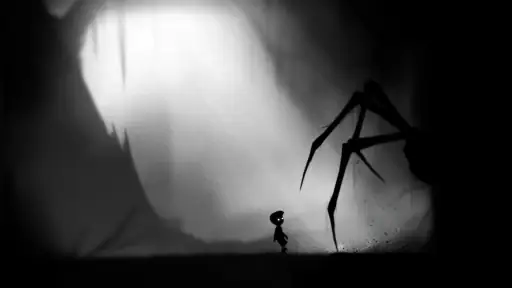
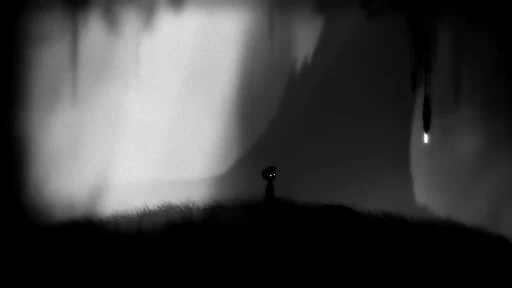

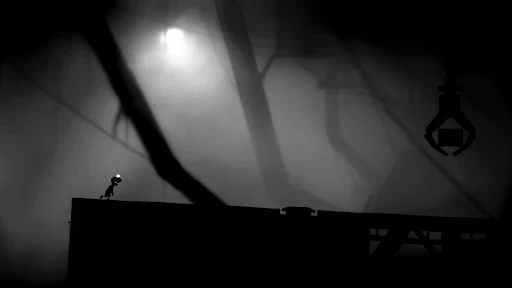



Analysis by Reviewed
On a quiet evening, I’d choose LIMBO when I want a game that asks for attention rather than constant tapping. This is Playdead’s eerie adventure, built around a boy’s journey through a world that offers few explanations. Its appeal is less about collecting things or following a busy quest log and more about noticing what the scene is quietly telling me. If that kind of focused, unsettling puzzle game sounds good, it’s an easy one to consider; if I’m after bright action or a clearly explained story, I’d look elsewhere.
How it fits into a mobile gaming day
The best way I’ve found to approach this adventure is to treat it like a small, self-contained visit rather than a game to keep open in the background. It can suit a break or a quiet ride, but I wouldn’t choose it when I’m waiting for constant interruptions. The pictures are deliberately dark, and the mood depends on noticing details; glancing away to answer messages can make a puzzle harder to read when I return.
For example, after dinner I might settle somewhere comfortable, turn off distractions, and play until I reach a section that needs a fresh idea. If I get stuck, stepping away is more useful than repeating the same move in frustration. When I come back, I can look at the obstacle with less impatience and often spot a detail I had ignored. That makes the game a good fit for short, attentive sessions, even though it doesn’t feel like a casual game designed for distracted tapping.
There’s also a practical choice around sound. The quiet audio helps create unease and can make changes in a scene easier to notice, so a loud room works against the experience. Headphones can help when they’re comfortable and appropriate, but I wouldn’t say they’re essential to understanding the basic action. The larger point is to give the game enough attention for its visual and audio cues to register.
Into the Darkness
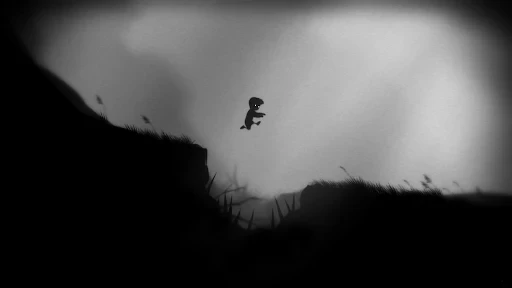
Alright, picture this: you're a little boy, waking up in a mysterious, eerie forest. That's how LIMBO starts, and from the get-go, you're enveloped in a shadowy world that keeps you on the edge of your seat. The art style is simply stunning, with its monochrome graphics that add to the game's unsettling atmosphere. It's like stepping into a living, breathing, interactive piece of art.
What the current version offers
As an adventure game from Playdead, it keeps its focus firmly on atmosphere, environmental puzzles, and careful platforming. The Android release arrived on Feb 11, 2015, and the current version is 1.20. That gives returning players a concrete point of reference, but I wouldn’t read a version number as a promise of a particular new feature or major redesign. The core appeal remains the stark visual language and the way each stretch of terrain makes me look before I move.
For existing players, that continuity is useful: I can return for the same deliberate, wordless experience rather than expecting a radically different game. The age rating is Teen, and the dark imagery is worth considering if you’re choosing a game for someone younger or sensitive to unsettling scenes. It’s a paid game at $3.99, so I’d treat it as a compact, authored adventure rather than an endlessly replayable free game.
More From Our News Desk

Weather by Xiaomi Review: Clear at a Glance, Less Clear Up Close

X Under Pressure: Can It Recover When Posting Goes Wrong?

Clash of Clans Is Won Between the Battles

Android Auto Makes the Case for Quieter Car Software

MobiOffice: Transforming Mobile Productivity with Seamless Integration

EA SPORTS FC™ Mobile Soccer: Redefining Mobile Sports Gaming
Gameplay and Mechanics
Now, let's talk gameplay. LIMBO is a side-scrolling puzzle platformer, and while that might sound straightforward, the game is anything but. The puzzles are cleverly designed, requiring not just quick reflexes but also some serious brainpower. I found myself pausing, scratching my head, and then having those "Aha!" moments that make puzzle games so rewarding.
The controls are smooth and intuitive, which is a huge plus because in a game like this, precision is key. You'll be jumping, climbing, and swinging your way through a series of increasingly challenging obstacles. And trust me, the sense of satisfaction when you finally get past a tricky section is worth the effort.
Reading a puzzle instead of rushing it
A useful way to play is to scan the whole scene before committing to a jump. I look for changes in height, objects that seem out of place, and anything that might alter how a route works. This isn’t a guarantee that the answer will be obvious, but it helps me form a sensible experiment instead of trying random actions. When a move fails, I can then change one part of my approach and learn from the result.
That rhythm is a trade-off. The satisfaction comes from working out what the environment is asking me to notice, but a player who expects every obstacle to explain itself may find the quiet presentation frustrating. I wouldn’t reach for a walkthrough at the first sign of trouble: taking a pause often preserves the pleasure of figuring out a solution. Still, if a puzzle stops being enjoyable and starts feeling like a chore, looking for a hint elsewhere is a reasonable way to keep the rest of the experience from becoming a grind.
It also helps to separate the platforming challenge from the puzzle challenge. Sometimes I understand what I need to do but need a steadier attempt to carry it out; other times, repeating the same jump won’t help because I haven’t understood the scene. Asking myself which problem I’m facing can save a lot of needless retries. That distinction is especially useful on a touchscreen, where a mistimed input can make it less clear whether my idea was wrong or my execution was.
Playing in short sessions—and knowing when to stop
I find it works best when I can give it a few calm minutes without trying to multitask. A commute or a short break can be a good time for one puzzle, but the dim visuals and quiet sound design are easier to appreciate somewhere I can pay attention. If I’m playing in a noisy place, I may miss the subtle audio cues that help a scene feel tense, so headphones or a quieter room make more sense when practical.
One useful habit is to pause before repeating a failed move. The game often rewards observing the whole space: a suspicious object, a change in height, or a route that looks unsafe can be part of the puzzle. I try one idea at a time, which makes it easier to understand why it worked or failed instead of turning a tricky section into random trial and error. That also suits players who enjoy learning through experimentation, though anyone who dislikes failure as part of puzzle-solving may find the rhythm frustrating.
The Atmosphere
One of the standout features of LIMBO is its atmosphere. The sound design is top-notch, with ambient noises that make the environment feel alive. The lack of a traditional soundtrack means you're left with the rustle of leaves, the creaking of wood, and the distant cries of strange creatures. It's haunting, in the best way possible, and it draws you in deeper with every step.
Another thing I loved is how the game tells its story. There's no dialogue, no text, just the journey itself. It's open to interpretation, which means your experience can be uniquely personal. It's like a silent film where you're the star, and every player might come away with a different understanding of what just happened.
That ambiguity is a real part of the appeal, not a gap I expect a final explanation to neatly close. I like that the game lets me read meaning into the images and events, then keeps moving. But it won’t suit everyone: if I want defined characters, conversations, or a plot summary that spells out every motivation, this isn’t the adventure I’d pick. Its storytelling asks me to notice and interpret rather than simply receive information.
The monochrome look also does practical work beyond setting a tone. With fewer bright colors competing for attention, silhouettes and contrasts guide my eye toward the shape of a space. At the same time, the low-light presentation can make it harder to see what’s happening on a dim screen or in bright surroundings. I’d adjust the screen to a comfortable level and play where I can distinguish the scene, rather than assuming the darkness is only decorative.
Who I’d recommend it to
I’d point this toward people who like atmospheric platformers, visual storytelling, and puzzles that let them work things out without handing over a map of the answer. Compared with many adventure games that rely on dialogue, character upgrades, or a large world to explore, this is much more restrained: it keeps attention on a sequence of carefully framed challenges. That focus is its strength, but it also means there’s less room for players who want branching choices, lots of optional activities, or a long list of objectives.
A realistic way to fit it into a day is to play after dinner, with the phone set aside from messages for a little while. I’d tackle a section, stop when I’m getting impatient, and return later with fresh eyes rather than tapping through every obstacle in frustration. The game is best for someone comfortable with a moody tone and some tension; I’d skip it for a young child who dislikes frightening imagery, or for anyone who wants a cheerful, low-pressure game to unwind.
I’d also recommend it to someone who wants a clear change of pace from sprawling adventure games. There’s no need to manage a collection of side tasks or keep track of a growing set of objectives; the attention stays on the immediate place and the next problem. In exchange, there’s less freedom to wander or choose a different route through a large world. If exploration and a sense of personal direction are what make an adventure satisfying for you, a more open-ended game may be a better match.
For a player deciding whether a paid download is worth it, I’d focus less on how long a game can be kept in rotation and more on whether its particular mood and puzzle-solving style sound appealing. This isn’t the sort of purchase I’d make expecting daily rewards or a stream of new activities. I’d choose it for a concentrated experience, and I’d be comfortable moving on once its journey is finished rather than needing a reason to replay it indefinitely.
What to expect before buying
The game has a 4.5 average from around 78,000 ratings, alongside around 3,800 reviews, and it has passed 1 million installs. Those figures suggest it has found a broad audience, but they don’t tell me whether its particular mood or puzzle style will suit you. I’d make the decision based on that: this is a deliberate, paid adventure rather than a casual game built around quick rewards. The minimum Android requirement is version 4.4, which helps older-device owners judge compatibility, though the actual experience can still depend on the device in hand.
If you’re wondering whether it needs a spoken explanation to make sense, the answer is no—the wordless presentation is central to how it works. If you’re wondering whether to expect ongoing changes, I’d watch the version information in the store rather than assume that a later update will add new content. The available release details establish the current version, not what Playdead may do next, so I’d buy it for the experience it offers now.
For an older Android device, checking the operating-system requirement is a sensible first step, but compatibility alone doesn’t tell me how comfortable a particular screen or control setup will feel. If precise movement is important to you, I’d avoid making a purchase in the middle of a rushed day and give the game a proper first session when you can pay attention. That lets you judge whether the controls and visual presentation suit your own device and playing habits.
The Teen rating is another reason to think about the person who will be playing, not just the genre label. The unsettling scenes are part of the experience, and a younger player or someone who avoids threatening imagery may not enjoy them. If you’re choosing a game to share, I’d consider whether that tone is welcome before focusing on the puzzle appeal.
What I’d watch for as a returning player
Returning players can use the current version as a practical reference point, but I wouldn’t assume that the number itself reveals how much has changed. For someone who already knows the game, the relevant question is whether they want to revisit its particular atmosphere and challenges, not whether it has become a different kind of adventure. I’d check the current store information when deciding to install, and keep expectations grounded in what the game offers now.
That distinction matters because a familiar title can invite hopes for extra content or a new presentation. I’d keep those hopes separate from confirmed details and choose it for the existing experience. If Playdead changes something later, that could affect a future decision, but it isn’t a reason I’d postpone enjoying the version currently available—or a promise I’d use to justify buying it.
Final Thoughts
So, is LIMBO worth your time? Absolutely. It's a masterpiece of design and storytelling that proves you don't need flashy graphics or complex narratives to create a compelling game. It's all about the experience, the challenge, and the journey. If you're into games that make you think and feel, then LIMBO is a must-play.
Just a heads up, though: this game can get pretty dark and intense, so it's not for the faint-hearted. But if you're up for an adventure that's both beautiful and eerie, then dive into LIMBO and see where the shadows take you.
LIMBO Frequently Asked Questions
Can I play LIMBO offline?
LIMBO is a single-player adventure focused on moving through its world, solving puzzles, and avoiding hazards. That makes it a good fit for players who want to concentrate on a self-contained experience rather than interact with other people during play. If you prefer atmospheric exploration and puzzle-solving at your own pace, its solitary structure is central to the game’s appeal.
What is the visual style and atmosphere like in LIMBO?
LIMBO uses a monochromatic look and a shadowy setting to create an eerie, suspenseful mood. Its sparse presentation keeps attention on the boy, the environment, and the dangers hidden in each scene. This restrained style suits the game’s solitary adventure, though players looking for colorful visuals or a cheerful tone may find its world deliberately bleak.
Is LIMBO a good choice for someone who enjoys puzzle-platform games?
LIMBO combines platforming with environmental puzzles, so progress depends on observing the surroundings, working out what an obstacle requires, and acting at the right moment. Its challenges range from moderately demanding to difficult, and experimentation is part of the experience. It is a natural option for players who enjoy thoughtful obstacles more than constant action.
Is LIMBO a long game, and can I play it in short sessions?
LIMBO is a focused adventure built around progressing through a sequence of carefully staged scenes. Its self-contained puzzles make it possible to approach the journey at your own pace, whether you want to work through an obstacle or pause and return later. The experience is more about atmosphere and problem-solving than open-ended activities or repeated multiplayer matches.
What should I expect from LIMBO’s story?
The premise follows a boy who enters LIMBO uncertain of his sister’s fate. The game presents this journey through its world and situations, with an understated, mysterious tone rather than a dialogue-heavy approach. Players who enjoy interpreting an atmosphere and discovering what comes next through exploration may appreciate this style of storytelling.
Pros
- Atmospheric graphics enhance immersion.
- Intriguing puzzles stimulate the mind.
- Minimalist design with a deep impact.
- Creepy sound effects boost suspense.
- Smooth gameplay with intuitive controls.
Cons
- Short game length for some players.
- Limited replayability after completion.
- Challenging puzzles may frustrate some.
- No in-game hints for difficult sections.
- Dark themes not suitable for all ages.
- Category
- Adventure
- Version
- 1.20