Light-It Up
- 13.40K
- 4.6
- Installs
- 50.00M
- Price
- Free

Screenshots






Analysis by Reviewed
I reach for Light-It Up when I have a few spare minutes and want something more hands-on than a passive time-killer. It’s an arcade game from CrazyLabs LTD, built around a stickman jumping between glowing platforms. The controls and goal are easy to understand, but landing cleanly takes attention, so even a short session can feel engaging. It’s free to download, rated Everyone, and has a 4.6 average from around 205,000 ratings, with over 10 million installs.
Where a run can go wrong
The main friction is precision: a jump that looks close enough may still leave you short of the next platform. When a run ends, I find it useful to pause before trying again and notice whether I mistimed the jump or misjudged where the landing would be. That small reset helps more than tapping rapidly in frustration. The game suits people who enjoy learning through retries, but it may annoy anyone who wants forgiving controls or progress without repeated attempts.
For a quick everyday session, it fits a coffee break or a wait where I can give the screen my attention. I wouldn’t choose it while walking or doing something that needs frequent glances elsewhere; the timing makes distracted play needlessly frustrating. Compared with a simple endless runner, its appeal is the deliberate platform-to-platform challenge rather than maintaining a steady pace. If you prefer relaxed exploration or a story to follow, a different kind of arcade game will probably be a better match.
Checks that make starting smoother
The game is free, though it includes optional in-app purchases priced from $0.99 to $19.99 per item. I’d start by playing without buying anything and decide first whether the jumping style is enjoyable enough to keep. It runs on Android 6.0 or later, and the current version is 1.9.4.2. If the game doesn’t open or behave normally, checking that the device meets that OS requirement and that the app is up to date is a sensible first step.
If a session feels unexpectedly difficult, I’d also check the basics before blaming the game: make sure the screen is responding reliably, hold the device comfortably, and try again when you can focus. Those are ordinary troubleshooting steps, not special settings, but they can help separate a missed input from a mistimed jump. The game’s simple premise makes it easy to return after a break, although it still asks for concentration when the platforms get harder.
Jump, Flip, and Light It Up
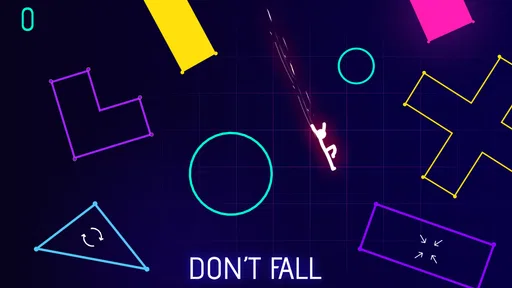
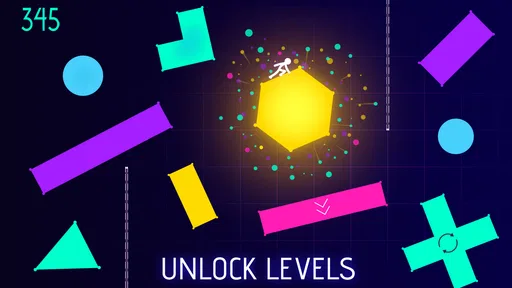
In Light-It Up, you become a stickman who leaps from one neon block to another, lighting them up with your touch. The game’s premise might sound simple, but trust me, it’s anything but easy. As you progress, the challenges become more intense, requiring precision and perfect timing to execute those mid-air flips and land gracefully on the next platform.
A Visual Treat for the Eyes
The game’s visuals are absolutely stunning. The neon colors pop against the dark background, creating a mesmerizing glow that keeps your eyes glued to the screen. Each level is a visual masterpiece, designed to be both challenging and aesthetically pleasing. You’ll find yourself lost in the hypnotic glow of your own light show.
More From Our News Desk

 Gmail
Gmail in a Busy Inbox: Who Benefits Most?
From first account to crowded workday, Gmail earns its place through dependable search and flexible sorting—but its best fit depends on how much inbox maintenance you can tolerate.

 Prime Video
Switching to Prime Video: What Changes in Your Viewing Routine
Prime Video can make a compelling second home for streaming, but switching means learning a different catalog, rental layer, and route from browsing to playback.

 Universal TV Remote Control
 Works Best as a Reliable Backup
A phone remote earns its place through quick setup and reliable habits. Here is how to get more from Universal TV Remote Control—and where its limits show.

 Weather - By Xiaomi
Weather by Xiaomi Review: Clear at a Glance, Less Clear Up Close
Xiaomi’s weather app makes everyday forecasts quick to scan, but its calm surface can leave useful details and recovery paths harder to find than they should be.

 X
X Under Pressure: Can It Recover When Posting Goes Wrong?
A resilience-focused review of X, examining setup, mistaken posts, interruptions, weak connections, and the gaps that matter when recovery needs to be dependable.

 Clash of Clans
 Is Won Between the Battles
Its raids are quick; its community is a long-term project of coordination, teaching, rivalry, and shared responsibility—with all the friction that entails.
Latest News



Soundtrack That Keeps You Hooked
What’s a game without a killer soundtrack, right? Light-It Up pairs its visuals with an energetic soundtrack that perfectly matches the gameplay. The music adapts to the pace of the game, making each jump and flip feel incredibly satisfying. Turn up the volume, and let the beats guide your every move.
Levels That Test Your Skills
Each level in Light-It Up presents its own unique set of challenges. You’ll have to navigate through obstacles, make impossible jumps, and collect stars that are strategically placed to test your skill and patience. The difficulty ramps up as you advance, but that’s what makes the game so addictive. You’ll find yourself saying, “Just one more level,” more times than you can count.
And let’s not forget the satisfaction of finally conquering a level that seemed impossible just moments ago. It’s a rewarding experience that keeps you coming back for more.
Who I’d recommend it to
I’d suggest it to players who like compact arcade challenges, bright visuals, and the satisfaction of improving through practice. The Everyone age rating makes it suitable for a broad audience, though younger players may still find the timing demanding. If you want something that can be picked up for a brief attempt without learning a complicated set of rules, this is a good fit. If retries feel like a chore rather than part of the fun, it’s probably not the right choice.
When the problem may be elsewhere
A difficult jump doesn’t automatically mean the game is malfunctioning. I’d first try the same section again with a steadier grip and fewer distractions; if touch input seems inconsistent across the device, checking the screen itself is more useful than repeatedly changing how I play. Likewise, if the game is slow to start, basic device and app checks are a reasonable first move. I’d avoid assuming a particular fix will solve every issue, since ordinary performance can vary from one device to another.
Light-It Up was released on December 20, 2018, and its current version remains an easy recommendation for the right sort of quick-play session. My practical advice is to treat each attempt as a chance to learn the timing, rather than expecting every run to be smooth. That mindset makes the tougher sections more satisfying and helps keep a short break from turning into an aggravating one.
A better way to use a short session
I get more from the game when I treat a session as a small practice window rather than a race to clear as much as possible. After a failed jump, I focus on one change at a time: the timing of the tap, the point where I begin the jump, or the place I’m aiming to land. Changing everything at once makes it harder to tell what helped. This is a simple habit, but it turns retries into useful feedback instead of a string of guesses.
That approach is especially handy when I’m waiting for an appointment or sitting through a short commute, provided I’m safely seated and able to keep my attention on the screen. I can make a few attempts, put the phone away, and return later without needing to remember a complicated plot or long sequence of instructions. It is less suited to tiny interruptions where I might have to stop at any moment, because a badly timed interruption can make a precise jump feel unfair even when the game is behaving as expected.
How it compares with other arcade picks
Many arcade games ask for quick reactions, but this one puts more emphasis on judging a jump and committing to a landing. That makes it feel different from an endless runner, where the main rhythm is often about reacting continuously as the scenery moves. Here, I’m more likely to think about a particular platform and what went wrong on the previous attempt. Players who enjoy that focused, retry-based loop may find it more satisfying than a game built around constant forward motion.
On the other hand, someone looking for a calm puzzle or a gradual story may be happier elsewhere. The bright presentation gives the game an inviting first impression, but the challenge still rests on accurate timing, not on exploring a world or building a character. I also wouldn’t pick it as a substitute for a long-form game when I want a sense of narrative progress. Its strongest use is a short burst of focused play, not a deep evening session.
Small trade-offs worth knowing
The visual contrast makes the platforms easy to notice, but the same vivid look can encourage me to watch the glow instead of judging the actual landing. I try to keep my attention on the shape and position of the next platform, rather than tapping as soon as a jump looks dramatic. The spectacle is part of the appeal; it just works best when it doesn’t distract from the practical task of lining up the next move.
Sound can add energy, but it is not essential to understanding the basic challenge. If I’m playing somewhere quiet, I can keep the volume down and use visual cues instead of relying on music to set my pace. In a noisy place, turning the sound up may not help much if outside distractions are already competing for attention. For me, the best conditions are a steady grip, a clear view, and enough quiet to concentrate—not necessarily headphones or a perfect setup.
Purchases, patience, and expectations
Because the game is free to start and offers optional purchases, I’d make a few play sessions my test before spending anything. The price range runs from $0.99 to $19.99 per item, so it is worth deciding what you personally want from the game rather than treating a purchase as a way to solve frustration. When I miss a jump, the first useful question is whether I can adjust my timing; buying something would not teach me that skill.
Its 4.6 average across around 205,000 ratings and the 13,000 reviews suggest it has found a large audience, but popularity can’t tell me whether its retry-heavy style will suit me. I’d use the free access to answer that for myself. If a couple of sessions leave me curious to try again, that is a good sign. If I’m already irritated by repeating a section, I’d rather switch to a more forgiving arcade game than pay in the hope that the basic feel will change.
When I’d choose something else
I would skip it if I need a game that is genuinely low-attention, if I dislike precision controls, or if repeated failure quickly spoils my mood. It also isn’t my choice when I want a game that can be played while multitasking. Even though the rules are easy to grasp, the actual jumps reward focus; an incoming message or a glance away can be enough to disrupt an attempt. A simple puzzle game is a better fit for interrupted play, while a more relaxed platformer may suit someone who wants to explore at their own pace.
For families, the Everyone rating is reassuring as a broad age classification, but I’d still pay attention to whether a younger player enjoys the challenge. A game can be appropriate for a wide audience and still feel demanding to someone who is new to timing-based play. I’d introduce it as a game about practicing jumps, not as something that should be easy from the start. That sets a fair expectation and makes it easier to decide whether the retries are fun or simply frustrating.
Simple troubleshooting without guesswork
If the game fails to start, I’d begin with the practical checks already mentioned: confirm the device is running Android 6.0 or later and see whether the installed app can be updated to version 1.9.4.2. Then I’d close and reopen it and check whether the device is responding normally in other apps. If touch problems show up elsewhere too, that points me toward the screen or device rather than a single difficult jump. These checks won’t explain every issue, but they keep me from confusing a general device problem with a gameplay mistake.
If only one attempt goes badly, I wouldn’t immediately reinstall or change settings. I’d replay the section with a steadier hold and deliberate taps, then compare what happened. A repeatable miss at the same point may be a timing problem I can learn from; inconsistent touch response across the phone deserves a broader device check. Keeping those possibilities separate is useful because the game’s challenge naturally includes failed attempts, and not every failure calls for troubleshooting.
Light-It Up was released on December 20, 2018, and its current version remains an easy recommendation for the right sort of quick-play session. My practical advice is to treat each attempt as a chance to learn the timing, rather than expecting every run to be smooth. That mindset makes the tougher sections more satisfying and helps keep a short break from turning into an aggravating one.
So, if you’re looking for a game that’s both challenging and visually stunning, give Light-It Up a try. It’s the perfect companion for those moments when you need a little excitement in your day. Just be prepared to lose track of time as you jump, flip, and light it up!
Light-It Up Frequently Asked Questions
Will Light-It Up run on my Android device?
Light-It Up supports Android devices running Android 6.0 or later. If your phone or tablet meets that minimum, you can download the game and try its arcade-style jumping challenges. It is also available on iOS, so the game is not limited to Android users. Checking your device’s operating system before downloading is a sensible first step, especially if you use an older device.
What is the main appeal of Light-It Up for a quick gaming session?
Light-It Up is built around jumping and flipping through a bright world of geometric shapes, giving it a simple arcade premise that is easy to grasp. Its timing-focused play makes it suitable for picking up when you have a little free time, while landing jumps carefully provides the challenge. The store’s short description sums up the idea as jumping, flipping, and brightening the world.
Is Light-It Up free to download, and can I play without paying?
Light-It Up is free to download, so you can try its arcade-style jumping gameplay without an upfront purchase. Optional in-app purchases are available, but they are not required to play. If you prefer not to spend money, you can simply avoid those purchases and focus on the core game. The game is rated for Everyone, making it suitable for a broad audience.
What kind of game is Light-It Up, and who developed it?
Light-It Up is an arcade game developed by CrazyLabs LTD. Its central appeal is quick, timing-based play built around jumping and flipping through a bright world of geometric shapes. The simple premise makes it easy to understand before you start, while careful jumps provide the challenge. It is a good fit for players looking for a straightforward mobile game they can pick up for a short session.
What is Light-It Up and how does it work?
Light-It Up is an innovative mobile game that challenges players to illuminate various geometric shapes by jumping from one shape to another in a vibrant, neon-lit world. The game employs simple tap controls, where players must accurately time their jumps to land on shapes, causing them to light up in a visually striking manner. The goal is to light up all the shapes in each level without falling into the abyss below.
Pros
- Intuitive controls for easy gameplay
- Vibrant and engaging graphics
- Challenging levels keep players hooked
- Regular updates with new content
- Free to play with optional in-app purchases
Cons
- Advertisements can be intrusive
- Requires internet connection for some features
- In-app purchases can be costly
- Some levels may feel repetitive
- Battery drains quickly during play