LETSGO: Rip Packs, Real Cards
- 81.00
- 3.3
- Installs
- 50.00K
- Price
- Free

Screenshots


Analysis by Reviewed
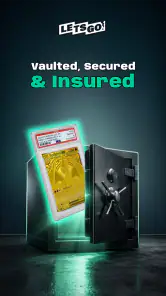
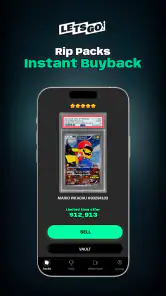
I approached LETSGO: Rip Packs, Real Cards as a card game first, but its real appeal sits somewhere between opening digital packs and managing a personal trading-card collection. The idea is simple to understand: explore TCG and sports cards, open packs, and take part in a marketplace built around buying, selling, and collecting. In practice, that combination makes the experience feel less like a traditional card battler and more like a compact collecting hobby designed for short visits.
That distinction matters before you install it. If you want a deep strategy game with carefully balanced decks, long matches, and a large competitive scene, this may not be the right destination. I found the concept more interesting for people who enjoy the anticipation of a pack opening, the visual appeal of physical cards, and the small decisions involved in building a collection. It is free to download, developed by LETSGO, and listed as a mature game for people aged seventeen and over, so I would treat it as a marketplace-and-collecting experience rather than a harmless children’s card app.
How the experience feels to use
Readable navigation is more important here than flashy presentation
When an app combines packs, cards, shopping, selling, and collecting, the main challenge is not explaining what a trading card is. It is helping me understand where I am in the process. I need to know whether I am browsing something to buy, looking at something already in my collection, or preparing an item to sell. In my experience, that separation is the foundation of a comfortable session with LETSGO.
I recommend approaching the app with one purpose at a time. On a quick visit, I might look through available cards without trying to make a purchase. On another visit, I might focus only on opening packs and reviewing what I received. This simple habit reduces the mental switching that can happen when collecting and commerce are placed close together. It is especially useful for anyone who finds busy interfaces tiring or who prefers to complete one clear task before moving to the next.
The wording also matters because trading-card terminology can be unfamiliar. A new collector may understand “buy” and “sell” immediately but still need time to learn how the app presents card details, pack contents, or collection status. I would not rush through screens simply because the general idea is familiar. Taking a moment to read each card entry carefully is a better approach than relying on visual assumptions.
For users with reduced vision, the practical question is whether text, card images, prices, and action controls remain distinguishable on their particular phone. I would increase the device’s text size if needed and use the phone in a well-lit setting, especially when comparing several cards. Larger text can make a screen easier to read, although it may also cause more scrolling or make some layouts feel tighter. That is a normal trade-off worth testing before deciding whether the app suits you.
The most useful navigation habit is to pause before confirming a transaction. Collecting apps encourage quick reactions, particularly when a card or pack looks appealing. I found it wiser to reread what I am about to do, check whether I am browsing or committing, and only then continue. This is not just a financial precaution; it also makes the interface less stressful for people who need extra processing time.
Motor and sensory demands depend on how you play
LETSGO can fit users who prefer brief, focused interactions. Looking through a collection, inspecting a card, or opening a pack does not require the same sustained attention as a long action game. That makes it easier to use during a short break or while sitting comfortably with the phone supported. I would still avoid treating it as completely effortless, because browsing a commerce-oriented collection can involve repeated taps, scrolling, and visual comparison.
For people with limited fine-motor control, the important issue is the accuracy required when selecting small controls among card images or other information. I would use a larger device where possible, keep the phone steady, and avoid trying to complete a purchase while walking or holding several things. A stylus may help some users, while others may prefer landscape or portrait orientation depending on how the app arranges its content. These are personal adjustments rather than guarantees, but they can make a noticeable difference.
Users who experience hand fatigue should consider a short-session routine. Instead of attempting to organize a large collection in one sitting, I would divide the work into small jobs: review new cards first, inspect possible purchases later, and leave selling decisions for another session. This approach also improves judgment. When I am tired, I am more likely to skim details or make an impulsive choice, which is precisely what a collecting marketplace can tempt me to do.
The sensory side is equally individual. Pack-opening moments are naturally designed to create anticipation, and that can be enjoyable for some players but uncomfortable for people sensitive to sudden visual movement, bright effects, or sound. I would begin with the device volume low and use the app in a calm setting. If a particular presentation feels distracting, the safest response is to reduce stimulation through the phone’s ordinary sound and display controls rather than assuming the game will adapt automatically.
People who are prone to gambling-like excitement should pay attention to their own reactions. Opening packs can feel rewarding even when the goal is collecting rather than competition. I would set a personal limit before starting, especially if shopping and pack opening appear in the same overall experience. The mature age classification reinforces the point that this is not an app I would casually hand to a child.
Where it works best in everyday life
A realistic use case is a collector checking the app during a commute break or after sorting physical cards at home. I might open it for a few minutes, review recently acquired items, and decide whether something belongs in my collection or deserves further attention. That kind of short visit suits LETSGO better than treating it as a game that must occupy an entire evening.
It can also work as a companion to a physical-card hobby. Someone who already enjoys TCG or sports cards may appreciate having a digital place to browse and think about collecting when the physical binder is not nearby. The app’s appeal is strongest when the user enjoys the process itself: comparing cards, watching a collection grow, and making deliberate choices about what to keep or move on.
For users with attention difficulties, I would create a simple rule before opening the app: choose one activity. “I am only reviewing my collection” is clearer than opening the app without a plan and moving between packs, shopping, and selling. This is one of the less obvious strengths of a flexible collecting app: it can support different energy levels if I set the boundaries myself.
It may be less comfortable in noisy or rushed environments. A crowded bus, poor lighting, or a weak grip on the phone can turn careful browsing into a frustrating task. Since card collecting depends on noticing details, I would save serious comparisons and selling decisions for a quiet place. Quick browsing is fine on the move; important decisions are better made when I can concentrate.
It is also worth considering the social context. Some people enjoy discussing cards with friends and comparing collections, while others prefer a private hobby. LETSGO’s core proposition makes sense for both, but the value changes depending on whether you want personal collecting or a broader competitive community. If your main motivation is head-to-head play, a conventional digital card game with clearly defined matches may offer a more direct fit.
What the app does not remove for users
The largest remaining barrier is information density. Trading cards naturally involve names, images, categories, and decisions about value or ownership. Even when the basic controls are understandable, the overall task can become demanding if I try to evaluate many items at once. Users who need a low-information interface may prefer to keep their collection small and review it in batches.
Another barrier is the emotional pressure built into collecting. A free entry point makes it easy to try, but buying, selling, and opening packs can encourage repeated engagement. I would not describe the app as a passive viewing tool. It asks the user to make choices, and those choices can involve money or personal attachment. Anyone who finds chance-based collecting stressful should approach the pack-opening side cautiously or focus on browsing and organizing instead.
The mature rating is an important practical signal for families. I would not install it on a child’s device simply because it is listed as free. Parents should consider the age classification, supervise access where appropriate, and discuss the difference between collecting entertainment and spending. That advice is particularly relevant when a game places cards and commerce in the same environment.
There is also a learning barrier for newcomers. A person who has never collected TCG or sports cards may not immediately know which details deserve attention or how to judge a purchase. I would begin by observing the collection interface and learning the app’s terminology before buying or selling. Treating the first session as orientation rather than shopping is a practical way to reduce mistakes.
Users who depend on specific assistive technologies should test the app directly on their device instead of assuming that standard phone settings will solve every problem. Text enlargement, screen magnification, color adjustments, and alternative input methods can help, but the result depends on how the app presents its controls and images. I see this as a reason to try a low-pressure session first, not as a reason to dismiss the app automatically.
How it compares with familiar card alternatives
Compared with a traditional digital card battler, LETSGO appears oriented toward collecting activity rather than match strategy. A battler is usually the better choice if I want rules-based competition, deck construction, and a clear win-or-lose structure. LETSGO is more appealing when the pleasure comes from discovering cards, managing a collection, and exploring a marketplace.
Compared with a physical binder, it offers convenience and a different kind of interaction, but it cannot replace the tactile satisfaction of holding, sorting, and protecting real cards. I would use it alongside a physical hobby rather than expecting it to reproduce every part of one. The digital format is particularly useful when I want quick access, while physical collecting remains stronger for texture, display, and personal ritual.
Compared with a basic card database, the pack-opening and commerce angle gives LETSGO more activity. A database is preferable for calm reference and cataloging, especially if I want to search without any temptation to buy or open packs. LETSGO suits users who want their collection to feel active rather than merely documented.
The app’s current version is 1.10.22, and it has passed fifty thousand installs. Its average rating is 3.3 from around one hundred forty ratings, with more than eighty written reviews. I read that overall response as a sign to keep expectations measured: there is enough interest to make the concept worth trying, but not enough evidence for me to call it a universally polished experience.
Who should try it, and who should skip it
I would recommend LETSGO to a mature user who already likes TCG or sports cards and wants a lightweight digital collecting space. It is also a reasonable choice for someone curious about pack opening but not looking for a conventional battle game. The free price makes experimentation easier, provided the user treats purchases and collecting decisions deliberately.
I would skip it if my priority were accessibility features that are clearly documented in advance, a quiet cataloging tool with no commercial pressure, or a deep competitive card system. I would also avoid it for children because of the mature age classification. People who dislike uncertainty, repeated browsing, or the emotional pull of opening packs may find a straightforward card database more comfortable.
For users with different abilities, my recommendation is conditional but positive: start slowly, adjust the phone’s text and display settings, use a stable grip, and separate browsing from transactions. Those steps cannot guarantee that every screen will be comfortable, but they create a fair test of whether the app works for a particular person. The best experience comes from treating it as a deliberate hobby rather than a fast, automatic pastime.
My inclusive verdict after using it
LETSGO has a clear niche. It is a free card game from LETSGO that blends TCG and sports-card collecting with pack opening and marketplace activity. I enjoyed it most when I gave myself one small goal and resisted the urge to rush through decisions. That rhythm makes the app approachable for short sessions and gives the collection side room to breathe.
Its inclusive potential comes less from any promised specialist support and more from the flexibility of the activity. I can browse briefly, organize gradually, or spend time examining cards when my attention and energy allow. At the same time, the app still demands visual focus, careful tapping, and self-control around collecting and transactions. Those demands should be part of the decision, not an afterthought.
My final view is that this is worth trying for adult collectors who want a digital extension of their card hobby. I would approach it with modest expectations, use device-level adjustments where helpful, and keep pack opening and marketplace choices within a personal limit. For me, its strongest quality is the ability to turn a few spare minutes into a focused collecting session, while its biggest weakness is that the same collecting loop may not suit users who need a calmer or more predictable card experience.
Pros
- Exciting pack-opening format makes collecting feel rewarding.
- Real card focus adds value for collectors and trading enthusiasts.
- Simple interface makes browsing packs quick and accessible.
- Frequent card discoveries can keep the experience engaging.
- Suitable for users who enjoy surprise-based collecting.
Cons
- Results depend heavily on chance
- which may frustrate some users.
- Collecting costs can add up if you open packs frequently.
- Card availability and selection may vary over time.
- Not ideal for users who prefer guaranteed purchases.
- Trading or resale options may depend on regional support.

- Category
- Card
- Version
- 1.10.22