June's Journey: Hidden Objects
- 98.89K
- 4.4
- Installs
- 50.00M
- Price
- Free

Screenshots



Analysis by Reviewed
I came to June's Journey: Hidden Objects expecting a murder mystery, but what stayed with me was its quieter pleasure: learning to read a scene. The game rewards patience, a sharp eye, and a willingness to let the story unfold between searches. It is an adventure game from Wooga, though its moment-to-moment play is closer to a visual puzzle than a traditional action adventure. If you enjoy mysteries as much for their setting and atmosphere as for their twists, that distinction matters.
First impressions: a mystery built for unhurried play
I find this adventure works best when I treat it as a small daily ritual rather than a game to rush through. A scene gives me a contained task: look carefully, spot the objects, and follow the story onward. That makes it easy to pick up during a quiet break, though its progression is less suited to someone who wants constant action or a long stretch of hands-on control.
The practical question is whether I can enjoy it without spending money. The game is free to start, while optional in-app purchases range from $0.99 to $199.99 per item. I’d approach those offers with a budget in mind: if a wait or a slower stretch appears, I’d rather step away and return later than buy something just to keep moving. That trade-off is worth considering if you prefer games with a single upfront price and no purchase prompts.
For a first visit, I’d set aside enough time to finish a scene without feeling hurried, then see whether the search itself appeals to me. The story may draw me in, but the repeated act of looking closely is the real test of fit. A few minutes can be enough to judge whether I find that process calming or fussy.
A Trip Down Memory Lane
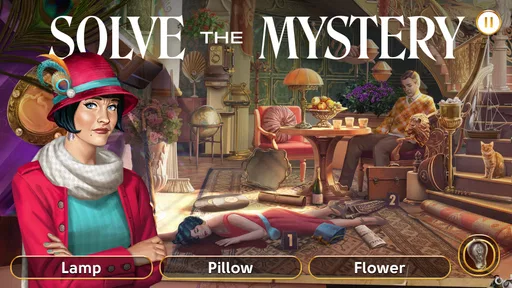
June's Journey: Hidden Objects invites you into a world set in the roaring twenties, with all its glamour and intrigue. You’ll find yourself in the shoes of June Parker, a daring detective on a quest to solve her sister’s mysterious murder. The game’s setting is beautifully designed, with each scene capturing the essence of the era, from the bustling streets of New York to exotic locations around the globe. The intricate details in each scene are not just for aesthetics—they’re crucial to the gameplay. I found myself completely immersed as I scoured each location for clues, feeling like a real detective in the process.
How the scenes reward a careful eye
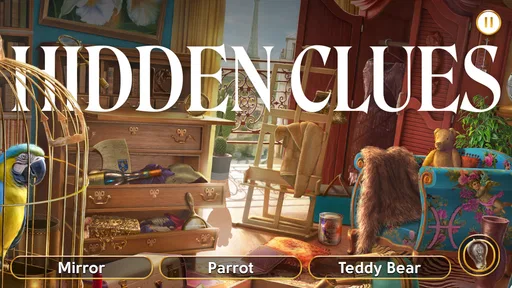
What gives the art direction a practical purpose is the way the scenery becomes part of the search. I don’t just glance at a list and tap randomly; I scan distinctive shapes, colors, and clusters of details, then return to areas I may have overlooked. A useful habit is to pause before tapping when an object seems ambiguous. That brief second can prevent a careless guess and keep the search feeling observant rather than frantic.
The period setting also gives the objects a visual vocabulary of its own. Rather than feeling like a collection of unrelated rooms, the locations support the same old-fashioned detective mood as June’s story. I enjoy that coherence, but there is a trade-off: players who want realistic crime-scene investigation, branching deductions, or an action-heavy adventure may find the hidden-object focus narrower than the story premise suggests.
More From Our News Desk

Weather by Xiaomi Review: Clear at a Glance, Less Clear Up Close

X Under Pressure: Can It Recover When Posting Goes Wrong?

Clash of Clans Is Won Between the Battles

Android Auto Makes the Case for Quieter Car Software

MobiOffice: Transforming Mobile Productivity with Seamless Integration

EA SPORTS FC™ Mobile Soccer: Redefining Mobile Sports Gaming
One practical way to search a crowded illustration is to divide it mentally into broad areas—foreground, middle distance, and background—rather than sweeping your eyes over everything at once. I also find it useful to look for an object’s outline before its color; decorative scenes can make familiar items blend into their surroundings. These are small adjustments, but they turn a vague hunt into a method and help keep the puzzle from becoming random tapping.
Gameplay That Keeps You Hooked
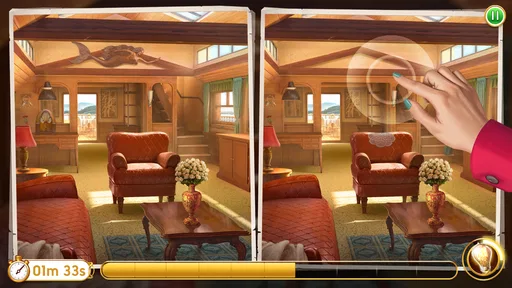
The heart of the game lies in its hidden object puzzles, which are both challenging and satisfying. Each level presents you with a new scene filled with cleverly concealed items that you must find to progress. It’s not just about spotting objects, though; it’s about piecing together clues to unravel the story. The game does a fantastic job of balancing difficulty, making sure it’s challenging enough to keep you engaged but not so difficult that it becomes frustrating.
What I particularly enjoy is the episodic structure of the game. Each episode builds upon the last, adding layers to the narrative and keeping you on the edge of your seat. It’s like binge-watching a thrilling series, where each episode leaves you eager for the next. Plus, the developers keep things fresh with regular updates, adding new content and side quests to keep you entertained.
The story-led structure is a good reason to pay attention even when the puzzle seems straightforward: the search is not just a score challenge, but part of the route through June’s investigation. I’d play when I can remember the thread of the mystery, rather than treating every visit as an isolated puzzle. If I do step away for a while, I can return for the familiar visual activity, though I may need a moment to reconnect with the plot.
Finding a comfortable pace
In everyday use, I’d play a scene or two while waiting for a ride, then stop at a natural break instead of trying to clear a long run in one sitting. This suits the game’s search-and-story rhythm: short visits still feel purposeful, and I can come back when I have more time. If I’m in a hurry, though, the close looking required by each picture can feel like work rather than relaxation, especially when I want a quick game that asks little attention.
Compared with a crossword or a match-three game, this is a more visual, detail-oriented way to unwind. Compared with a traditional adventure game, it puts less emphasis on direct movement and moment-to-moment action, asking me to inspect scenes instead. I’d choose it when I want atmosphere and a continuing mystery; I’d choose a faster puzzle game when I only have a minute or want more variety in the basic interaction.
A realistic use case is a quiet evening when I have a little time but do not want to commit to a console-length session: I can complete a search, follow the next piece of the investigation, and stop when I am ready. It is less convenient if I am trying to fill only a few distracted seconds, because interruptions can break concentration and make it harder to spot small details. For that kind of moment, a simple word or matching puzzle is usually a better fit.
Visuals and Soundtrack
One of the standout features of June's Journey is its stunning visuals. The artwork is simply gorgeous, with vibrant colors and intricate details that bring each scene to life. It’s clear that a lot of love and care went into the design, and it pays off in spades. The visual appeal is complemented by a captivating soundtrack that perfectly fits the mood of the game. The music shifts from suspenseful to soothing, enhancing the overall experience and drawing you deeper into June’s world.
I especially like how the calmer musical passages give the search room to breathe, while the more suspenseful tone supports the mystery without turning every scene into a rush. If I’m playing somewhere noisy or simply want to concentrate on the visual clues, I can lower the volume and still follow the core activity. The sound adds mood, but the artwork and careful scanning do most of the work, so the game remains approachable when I’m not listening closely.
It is also worth setting expectations about the kind of challenge on offer. The pleasure comes from noticing an object tucked into a busy composition, not from mastering complicated controls. Repeated searches may feel familiar over time, and anyone who dislikes looking closely at dense images is unlikely to be won over by the attractive presentation alone.
That makes the audio a bonus rather than a requirement. I would use headphones when I want the period mood to feel more enveloping, but I would not avoid playing just because I am somewhere I need the sound off. The trade-off is that muted play can make the atmosphere less distinctive, while keeping the volume on is not ideal in every public setting. The visual puzzle remains legible either way.
Social Features and Community
June's Journey also offers a social aspect, allowing you to connect with friends and compete in weekly challenges. It’s a great way to engage with the community and adds an extra layer of fun. You can join detective clubs, share tips, and even compete for top spots on the leaderboard.
I see those social elements as an optional reason to return, not a requirement for enjoying the central mystery. If friendly competition makes a puzzle more motivating, the club and leaderboard side can give familiar scenes a shared goal. If I prefer a solitary story, I can keep my attention on June and the object searches instead. The game is Teen-rated, and its mystery theme is a better fit for players comfortable with a murder story than for very young children.
For someone who is unsure about joining in, I’d treat the community layer as a choice rather than a condition of entry. The social competition can suit a player who enjoys comparing progress and sharing search strategies, but it may feel like an extra obligation to someone who prefers to play entirely at their own pace. If the story is the main attraction, there is no need to make leaderboard goals the reason to continue.
Who will enjoy the atmosphere
For someone deciding whether to try it, I’d recommend it to patient players who like visual puzzles, period settings, and a story that unfolds over repeated visits. It can suit a commute break or a calm evening when I want something more absorbing than a quick match but less demanding than an action game. I’d skip it if I need a fully self-contained experience with no optional purchases, dislike repeated scene searches, or want every session to deliver fast, high-intensity play.
Wooga’s adventure has reached over 50 million installs and holds an average rating of 4.5 from around 1.2 million ratings, so it has clearly found a broad audience. It first appeared on October 3, 2017, and version 3.35.5 is available for devices running Android 6.0 or later. Those details make it easier to judge basic compatibility, but the more important choice is whether its measured pace and visual detective work match the way you like to play.
The audience is broad, but the appeal is quite specific: I would point a friend toward it if they enjoy studying illustrated scenes and want a mystery to accompany that routine. I would not recommend it as a substitute for a detective game built around interrogations, evidence combinations, or player-led deductions; its investigation is expressed chiefly through finding objects and following the narrative. That difference is worth knowing before downloading, especially if “detective” to you means solving a case through many kinds of interaction.
For a smoother first session, I’d focus on learning how each scene hides objects rather than trying to race through it. Take a moment to scan the whole composition, then search in sections; if a clue is elusive, change your point of focus instead of tapping the same crowded area repeatedly. That approach makes the puzzle feel more like investigation and less like guesswork, while helping me decide early whether the game’s central loop is satisfying for me.
If I notice myself getting stuck, I take a brief pause and look at the scene as a whole again instead of staring harder at the same patch. Returning with fresh eyes is often more useful than forcing a quick answer, and it keeps the measured pace from turning into frustration. This is also a sensible point to stop for the day if the image has begun to feel tiring; the game is at its best when close looking remains enjoyable.
With a 4.5 average from about 1.2 million ratings and roughly 96,000 reviews, it has drawn a large audience, while its Teen age rating gives families a useful indication of the intended maturity level. The free starting point makes it easy to try, but I would still decide in advance how I feel about optional purchases. Players who want to avoid spending can approach it with restraint and take breaks when progress slows; anyone who dislikes purchase offers altogether may be more comfortable with a paid game that has a clear upfront cost.
Overall, I would recommend it to a friend who wants a gentle, story-shaped hidden-object adventure rather than a fast-paced game. Its strongest quality is how the illustrated world, soundtrack, and search mechanic reinforce one another: I am not just racing through a checklist, but spending time inside a particular mystery. The repeated scene searches and measured progression will not suit everyone, yet for a patient player who enjoys noticing details, that consistency is the point. June's Journey: Hidden Objects is worth trying when you want atmosphere and a mystery to revisit at your own pace.
June's Journey: Hidden Objects Frequently Asked Questions
Can I play June's Journey: Hidden Objects on both Android and iOS?
June's Journey: Hidden Objects is available for Android and iOS, so you can look for it in the app store for your device. On Android, it requires version 6.0 or later. Before downloading, check that your phone or tablet meets the platform requirements and has enough room for the game and its updates.
Is June's Journey: Hidden Objects free to download, and does it include purchases?
The game is free to download and play, with optional in-app purchases priced from $0.99 to $199.99 per item. Purchases can offer items that help players progress faster or unlock features, but they are not required to try the hidden-object gameplay. If children may use the device, consider setting purchase controls to help prevent unexpected spending.
What kind of game is June's Journey: Hidden Objects?
June's Journey: Hidden Objects is an adventure game built around searching illustrated scenes for hidden objects and solving clever puzzle clues. Its murder-mystery premise gives each search a story-driven purpose, so it may appeal to players who enjoy taking their time, studying detailed pictures, and following a mystery as it unfolds.
Is June's Journey: Hidden Objects suitable for younger players?
The game is rated Teen, so it is worth checking that age guidance before downloading it for a younger player. Its mystery theme centers on murder cases, while the main activity is searching scenes and solving puzzles. Parents can also review the game themselves and consider whether its themes and optional purchases are appropriate for their family.
What is June's Journey: Hidden Objects all about?
June's Journey: Hidden Objects is a captivating mystery game where players take on the role of June Parker. Set in the 1920s, the game involves solving intricate puzzles by finding hidden objects in beautifully illustrated scenes. As players progress, they unravel an intriguing storyline filled with twists and turns, making it both engaging and challenging.
Pros
- Stunning graphics and detailed environments.
- Engaging storyline with unexpected twists.
- Regular content updates keep it fresh.
- Easy to learn
- hard to master gameplay.
- Free to play with optional in-app purchases.
Cons
- Requires constant internet connection.
- Some levels can feel repetitive.
- Energy system limits playtime.
- In-app purchases can be expensive.
- Ads can interrupt gameplay.