Holdem or Foldem - Texas Poker
- 10.78K
- 4.5
- Installs
- 1.00M
- Price
- Free

Screenshots






Analysis by Reviewed
I find mobile poker most enjoyable when I can settle into a hand without fighting the controls or feeling pushed to rush. Holdem or Foldem - Texas Poker is a free card game from Forever9 Games built around Texas Hold’em, with a mix of casual play and more sustained sessions. It has a 4.6 average from around 54,000 ratings and over a million installs, so it has clearly reached a sizeable audience. I’d consider it for casual play or practice, while remembering that it is rated Teen and offers optional in-app purchases.
Readability and finding your way around
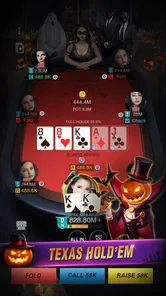
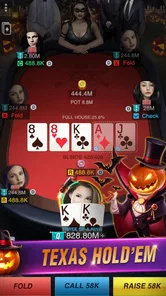
When I first downloaded Holdem or Foldem - Texas Poker, I was immediately struck by its sleek and user-friendly interface. It's like the developers took a good, hard look at what makes a poker app enjoyable, and nailed it. The graphics are sharp, the animations smooth, and the layout intuitive. Even if you're new to the world of Texas Hold'em, you’ll find it easy to dive right in.
That approachable layout matters most when a hand is moving quickly. A new player can use the interactive tutorials to get oriented, then try a short session before committing to a longer one. I’d recommend taking that first session slowly: learn where the key actions appear and give yourself time to follow the cards and betting choices. The game is easier to enjoy when you understand the rhythm instead of tapping just to keep up.
The Thrill of the Game
I enjoy poker most when the pace leaves room to understand each decision, so this section looks at what makes a hand feel engaging rather than hurried. I’d use the excitement as a reason to stay thoughtful, not to tap through choices on impulse. That balance also helps explain why the right session length matters.
Gameplay and choosing a session
The app offers a variety of game modes to keep things interesting. Whether you're into quick matches or prefer longer tournaments, there's something for everyone. I personally enjoyed the tournament mode; it really gave me that adrenaline rush as if I were playing at a real table.
For an everyday use case, a quick match fits neatly into a break when you have only a little time and can leave a tournament for an occasion when you can stay focused for longer. That distinction is useful: a tournament can be more involving, but it is a less suitable choice if you expect interruptions or need to put your phone down at short notice. If you are trying to improve, treat each hand as a decision to think through rather than judging a session only by whether you win.
One of the standout features is the daily challenges. These not only help you hone your poker skills but also keep you coming back for more. Plus, the rewards are pretty sweet, adding an extra layer of motivation to keep playing.
More From Our News Desk
 Instagram
’s Power Comes From Its Place in Your Phone
A close look at how Instagram turns Meta’s reach, recommendation systems and everyday camera habits into durable platform power—and what that costs users.

 Gmail
Gmail in a Busy Inbox: Who Benefits Most?
From first account to crowded workday, Gmail earns its place through dependable search and flexible sorting—but its best fit depends on how much inbox maintenance you can tolerate.

 Prime Video
Switching to Prime Video: What Changes in Your Viewing Routine
Prime Video can make a compelling second home for streaming, but switching means learning a different catalog, rental layer, and route from browsing to playback.

 Universal TV Remote Control
 Works Best as a Reliable Backup
A phone remote earns its place through quick setup and reliable habits. Here is how to get more from Universal TV Remote Control—and where its limits show.

 Weather - By Xiaomi
Weather by Xiaomi Review: Clear at a Glance, Less Clear Up Close
Xiaomi’s weather app makes everyday forecasts quick to scan, but its calm surface can leave useful details and recovery paths harder to find than they should be.

 X
X Under Pressure: Can It Recover When Posting Goes Wrong?
A resilience-focused review of X, examining setup, mistaken posts, interruptions, weak connections, and the gaps that matter when recovery needs to be dependable.
Latest News



I’d use a challenge as a small prompt to explore different situations, not as a reason to play longer than I planned. A practical habit is to pause after a hand that surprised you and consider whether your choice made sense with the cards you held. That kind of reflection is more useful than chasing a reward or assuming a short run of wins proves a strategy is sound.
- Daily challenges to boost your skills
- Various game modes including quick matches and tournaments
- Interactive tutorials for beginners
Compared with poker apps that concentrate mainly on brief, repeatable hands, the mix of quick matches and tournaments gives this one a more flexible pace. That makes it appealing if you want to switch between casual play and a more sustained session. If your priority is studying poker in depth, though, a dedicated learning resource may be a better companion than relying on a game’s tutorials and challenges alone.
Motor, sensory, and social considerations
Because poker depends on noticing cards and selecting actions at the right moment, the visual presentation and timing matter more than decorative polish. The interface felt easy for me to follow, but smooth animations do not automatically make a game comfortable for every player. If you find moving visuals distracting or need more time to read a screen, try a short session in a calm setting before choosing a longer match.
Touch controls also call for attention when a hand is live. I’d avoid playing while walking, handling other tasks, or using the game in a situation where a quick tap could be accidental. A stable grip and a moment to check your choice before acting are sensible habits, especially for anyone who finds small or time-sensitive touch interactions difficult.
What’s poker without some friendly banter, right? Holdem or Foldem has a lively community feature that lets you chat with other players. Whether you're engaging in some light-hearted trash talk or strategizing with friends, this social aspect adds a whole new dimension to the game.
I found the chat feature seamless and easy to use, with no annoying lags or glitches. Plus, the app also allows you to create private tables. So, if you’re feeling competitive, you can challenge your friends and see who really has the best poker face.
Private tables make the social side a better fit for friends who want to play together than for someone seeking a solitary card game. Chat can add fun, but it may also be a distraction if you prefer quiet play or want to concentrate on the action. I’d treat it as optional company rather than a necessary part of enjoying the poker itself.
Playing around other commitments
The game’s different session styles help it fit more than one routine, but they do not make every context suitable. A quick match is easier to fit into spare time; a tournament asks for more attention and a longer stretch without interruption. If you are playing somewhere noisy or sharing your attention with another task, it is wiser to wait than to rush through decisions.
It is also a poor choice for anyone looking for a purely offline pastime or a poker lesson with no social distractions: the appeal here is mobile play, modes, challenges, and interaction. For younger players, the Teen age rating is worth noting, and parents may want to consider both chat and optional purchases when deciding whether the game is appropriate.
Purchases, limits, and who should play
Now, let’s talk about the elephant in the room—in-app purchases. Yes, they exist, but they’re not intrusive. You can buy chips to enhance your gameplay, but I found that the app is generous with free chips too, especially if you log in daily.
Purchases range from $0.99 to $129.99 per item, so I’d be deliberate about spending rather than treating chip purchases as part of the basic game. The game is free to download, but optional spending can change how much a player chooses to invest. If you want a no-cost experience, try the available play first and set a clear personal limit before considering any purchase.
As for ads, they pop up occasionally, but they’re not frequent enough to disrupt the gaming experience. It’s a small trade-off for a free app that provides such a high level of entertainment.
The current version is 2.2.8 and it requires Android 7.0 or later. I’d check that your device meets the requirement before downloading. The game is a good fit for casual Texas Hold’em fans who want tutorials, challenges, and a choice between shorter play and tournaments. It is less compelling for people who dislike in-game purchases, prefer a quiet solo experience, or need a slower, highly adjustable interface.
My verdict for inclusive, casual poker
So, what’s the verdict? Holdem or Foldem - Texas Poker is a must-try for poker enthusiasts. It offers an authentic gaming experience right at your fingertips. Whether you’re a seasoned poker pro or just looking to kill some time, this app has something for everyone.
The combination of engaging gameplay, a vibrant community, and a user-friendly interface makes it a standout choice in the world of mobile poker apps. So why not give it a shot? Download it today and see if you have what it takes to be a poker champion!
My recommendation comes with a practical caveat: try it when you can give the table your attention, and decide whether its pace and visual presentation work comfortably for you. Forever9 Games has made a welcoming option for people who want to play Texas Hold’em on a phone, but ease of use is personal, and chat or spending may not suit everyone. If those trade-offs are acceptable, the combination of tutorials, challenges, and varied match lengths gives you useful reasons to return.
Making a first session useful
If I were introducing this game to a friend who knew the rules only vaguely, I’d suggest treating the opening session as orientation rather than a test of skill. Start with the tutorial, then play a short match and pay attention to how the game presents each decision. The useful question is not simply whether a hand wins, but whether you understood the choices available before acting. That approach makes the learning curve feel less like guesswork and helps separate a bad result from a decision you would want to reconsider.
A small practical tip is to avoid opening a tournament just because it sounds more exciting. First see how the shorter format fits your attention and how comfortable you are reading cards while decisions are active. Once you know the pace suits you, a longer session becomes a deliberate choice rather than an accidental commitment. This is especially helpful if you play in short gaps between errands, classes, or household tasks.
Choosing between poker apps and other ways to learn
Compared with a physical game among friends, this mobile version is more convenient when nobody is available to gather around a table, and its tutorials make it easier to begin without asking another player to explain every rule. The trade-off is that a screen cannot reproduce the full social feel of sitting together, even with chat and private tables. If the main reason you enjoy poker is reading people face to face, a mobile game will be a different kind of pastime, not a replacement for that experience.
Against a simple poker app focused only on individual hands, the combination of challenges, quick play, tournaments, and social options offers more ways to spend a session. That breadth is useful if you like changing pace, but it can also be more than you want when you only need a quiet, no-frills card game. For someone who wants structured strategy study, books, lessons, or a dedicated training tool are more suitable; this game is best treated as a place to play and practice decisions, not as a complete poker course.
Comfort, attention, and everyday access
For a realistic everyday scenario, I can see myself opening a quick match during a quiet lunch break, with enough time to finish without keeping one eye on a work message. If a call or interruption is likely, I would choose not to begin a longer tournament. Poker asks for attention at the moment choices appear, so the most accessible session is often the one that matches the time and focus you actually have—not the one that looks most exciting on the menu.
Players who rely on a larger display, need more time to identify visual details, or find animated screens tiring should judge the experience in a short trial rather than assume that an intuitive layout will work equally well for them. A calm environment and a comfortable grip can help, but they do not remove every barrier. If the pace or visual motion remains uncomfortable, a slower tabletop game or a non-timed learning format may be a better fit.
Likewise, chat is a useful option for people who want company, but it is not a requirement for enjoying the card decisions. Someone who wants complete quiet may prefer a solo-focused alternative, while friends who value banter may find private tables more appealing. I would also make purchase expectations clear before handing the device to a younger player: the Teen rating and optional spending deserve a quick family conversation, even when the game itself is being used casually.
Who will get the most from it
I’d recommend giving it a try if you already enjoy Texas Hold’em, want a convenient way to play on a phone, or are curious about the rules and appreciate having tutorials alongside actual hands. The quick-match option suits people who prefer short breaks, while tournaments are there for players who can set aside more uninterrupted time. The game’s social side may be a plus for a group of friends who want a shared activity without being in the same room.
I would steer away if you want a fully offline experience, dislike optional purchases in games, or need a very calm interface with generous time for every action. It is also not my first pick for a player whose main goal is systematic coaching or detailed analysis. Those needs call for a dedicated learning tool or a slower, less interactive alternative. My inclusive verdict is that this is approachable for many casual players, but the best fit depends on screen comfort, attention, and how much social interaction you want.
Holdem or Foldem - Texas Poker Frequently Asked Questions
What kind of game is Holdem or Foldem - Texas Poker?
Holdem or Foldem - Texas Poker is a card game centered on Texas Hold’em. Its short description is “Holdem or Foldem,” while its store summary invites players to “Play Poker on your finger!” If you enjoy poker and want a mobile game built around the familiar choice of staying in a hand or folding, its premise is easy to understand before you download.
Who is Holdem or Foldem - Texas Poker designed for?
The game is intended for people interested in poker-style card play on a mobile device. Its Teen age rating is an important consideration for families, and parents or guardians can decide whether the content is appropriate for a younger player. It may suit both players who already know Texas Hold’em and those curious about trying a poker game, although the experience will depend on individual preferences.
Is Holdem or Foldem - Texas Poker free to download?
Yes. Holdem or Foldem - Texas Poker is free to download, so you can try the game without paying upfront. It also offers optional in-app purchases, with prices ranging from $0.99 to $129.99 per item. Those purchases are separate from the free download, so consider your spending preferences before playing.
What age rating does Holdem or Foldem - Texas Poker have?
Holdem or Foldem - Texas Poker is rated Teen. That makes its age guidance worth considering before installing it for a younger player. The game is a poker title, so parents and guardians may want to review the app themselves and decide whether its card-game content is suitable for their family.
What platforms is Holdem or Foldem - Texas Poker available on?
Holdem or Foldem - Texas Poker is available for both Android and iOS devices. You can download the app from the Google Play Store for Android devices and the Apple App Store for iOS devices. Ensure your device meets the minimum system requirements for smooth gameplay. The current version is 2.2.8, and Android devices need version 7.0 or later.
Pros
- User-friendly interface for quick game access.
- Engaging graphics enhance gameplay experience.
- Variety of tables and tournaments available.
- Free chips offered daily for regular players.
- Social features connect you with friends easily.
Cons
- In-app purchases can become costly.
- Occasional connectivity issues affect play.
- Ads can be intrusive during gameplay.
- Limited offline play options available.
- High battery consumption on older devices.