Hardwood Spades - Card Game
- 2.66K
- 4.5
- Installs
- 500.00K
- Price
- Free

Screenshots




Analysis by Reviewed
I spent time with Hardwood Spades as a straightforward multiplayer card game, and its appeal became clear quickly: it asks me to think about bids, suits, timing, and risk without surrounding the match with casino-style distractions. Silver Creek Entertainment keeps the focus on the Spades table itself. That makes it easy to recommend to someone who wants a familiar card game on a phone, although it also means players looking for a large collection of modes or a flashy social platform may find it restrained.
The game is free to download and is rated for Teen players. It has built a sizeable audience, with more than half a million installs, an average rating of 4.5 from roughly nine thousand ratings, and about three thousand written reviews. Those figures suggest that the basic formula works for many people, but they do not remove the need to understand what kind of experience this actually is. This is best approached as a focused Spades game rather than an all-purpose card arcade.
How a normal match feels from the first hand
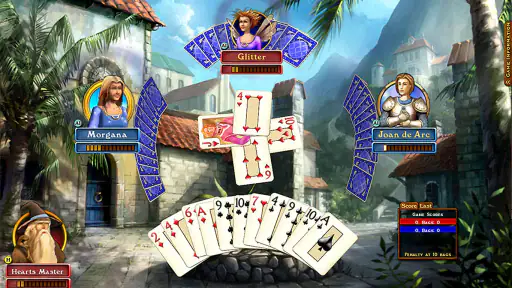
The baseline workflow is pleasantly simple. I open the game, get into a Spades match, inspect my hand, decide what I can realistically win, and then try to make that plan survive contact with the other players. The important decision happens before the first card is played: bidding too aggressively can leave a team struggling, while bidding too cautiously can waste a strong hand and give the opposition room to control the table.
That rhythm makes the game suitable for short sessions. I can play when I have a small break, but a match still rewards attention, so it is not something I would run casually while watching a complicated show. A single careless play can change the shape of the remaining tricks. The game does not need a complicated progression system to create tension; the card distribution and the decisions around it do most of the work.
For anyone new to Spades, the first useful habit is to separate the value of a card from the number of tricks it might help win. A high card in a side suit can be powerful early and useless later if that suit has already been exhausted. A modest Spade may become decisive once the stronger Spades have been played. I found that thinking in terms of future control, rather than simply counting high cards, made my decisions more consistent.
A realistic everyday use case is a short evening session with a friend who already knows traditional Spades. Instead of setting up a physical deck or searching for a broad card-game app, we can go directly to the game and concentrate on the hand. It works particularly well for people who enjoy discussing a bid afterward: “I should have saved that Spade” is often more interesting than the result itself.
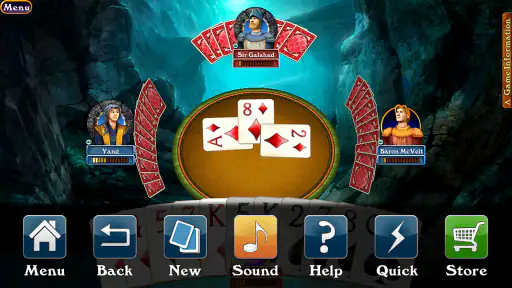
The multiplayer focus is central to the experience. The store positioning presents it as pure multiplayer Spades, and that is also how I would frame it to a prospective player. It is not trying to turn the game into a casino, and I did not approach it expecting chips, betting drama, or a collection of unrelated card tables. That narrow identity is a strength when I want Spades, but a limitation when I want variety.
What I check before committing to a hand
My first pass through a hand is deliberately practical. I count likely winners, note how many Spades I hold, and look for suits where I may be able to lose safely. A hand with several Spades can support a confident bid, but it can also create trouble if those Spades are too small to control the table. Likewise, a void in one suit can be useful because it may let me play a Spade when that suit is led, but only if I avoid spending that advantage too early.
I also watch the bid rather than treating it as background information. The combined bids tell me how much pressure the table may place on each team. If my partner appears to be carrying a strong commitment, I try to avoid competing with that plan by taking unnecessary tricks. If the opposing team has bid heavily, forcing them to spend their best cards at awkward times may be more valuable than chasing every available trick myself.
One repeatable habit that helped me was keeping a mental record of the important Spades already played. I do not need to memorize every card perfectly. I mainly want to know whether the cards that could beat mine are still out there. Once the dangerous higher Spades have appeared, a previously ordinary card can become a reliable winner. This is a small change in attention, but it makes later tricks feel much less random.
Settings and play habits worth checking
I recommend spending a moment looking through the available settings before settling into regular play. In a card game, small presentation choices can affect how quickly I read a hand and how confidently I act. I pay attention to anything related to card visibility, sound, notifications, or the pace of moving through a match. I would not change everything at once; I prefer adjusting one option, playing a few hands, and keeping only what genuinely reduces friction.
Sound is worth considering based on where I play. Audio feedback can make a match feel more responsive at home, but it may be distracting in a waiting room or during a commute. I usually keep the visual information as clear as possible and reduce anything that competes with the cards. Since Spades depends on remembering what has been played, a calm presentation is more useful to me than decorative effects.
Another practical setting check is the device itself. The game supports Android devices beginning with version 7.0, which gives it a broad compatibility range. I would still make sure the screen is comfortable for reading the hand and that touch input is behaving normally before starting a serious session. A mis-tap at the wrong moment is not a strategic mistake, but it can have the same consequence.
The current version is 2.0.635.0. I treat that as a reminder to keep the installed copy current through the normal app store process, especially if a match depends on online interaction. I do not build my expectations around constant feature changes, though. The value here is the repeatability of the card game, not the promise that every visit will introduce a new system.
There is also a financial setting to keep in mind: the game is free, but optional in-app purchases range from $0.99 to $99.99 per item. I would decide in advance whether I want to spend anything, rather than making that decision during a frustrating losing streak. The free entry point is useful, but players who prefer an entirely purchase-free environment should consider that structure before installing.
Faster patterns that improve ordinary play
The biggest speed improvement does not come from tapping faster. It comes from making the same useful checks in the same order. I look at Spades, identify possible winners in the side suits, estimate safe losses, and then compare that picture with the bids. Once this becomes routine, I spend less time staring at a hand and more time considering what the other players are trying to accomplish.
I also avoid leading a high card simply because it is available. A strong side-suit card can draw out an opponent’s winner, but it can just as easily hand control to the wrong player. When I lead, I try to ask what information the play will reveal and who is likely to benefit from winning the trick. This is especially important when my partner’s bid suggests that our team needs a particular number of tricks rather than maximum aggression.
When I have a long suit, I think about whether length is an asset or a warning. Holding many cards in one suit can allow me to control that suit for several tricks, but it may also leave me with fewer opportunities to use Spades as a trump. By contrast, a short suit can create an early chance to trump, yet using that chance immediately may remove a valuable late-game option. The right answer changes with the bids and with the cards already visible.
A useful repeatable pattern is to preserve flexibility during the opening tricks. I do not rush to reveal every strength. If I can lose a trick safely without damaging the bid, I may do so to learn more about the distribution. This is not passive play; it is a way to keep my stronger options available until I know which suit matters most.
Another advanced everyday habit is to distinguish between a trick I need and a trick I merely want. In a close hand, taking an extra trick can be harmful if it pushes the team beyond its planned target. That is where Spades differs from many casual card games: winning is not always about collecting as much as possible. Sometimes the disciplined play is to let an opponent take a trick while protecting the overall contract.
Where the game rewards experienced players
Hardwood Spades becomes more interesting when I stop judging each card in isolation. The table has a memory. A suit that was led earlier tells me something about who may still hold cards in it. A player who avoids cutting a trick may be protecting a stronger plan. A bid that initially looked optimistic can become believable after the right cards appear. These clues are not presented as a separate tutorial in my head; I create them by observing the flow of the match.
Partnership awareness is another area where experience matters. I try not to steal tricks from my partner without a reason, and I avoid assuming that every winning card should be played immediately. If my partner has already shown control, I can often use my turn to unload a risky card or preserve a Spade. That kind of cooperation is difficult to appreciate in the first few matches, but it is what gives repeated play its depth.
I found it helpful to review one decision after a lost hand instead of replaying the entire match emotionally. Was the bid too high? Did I spend a trump before the side suits were clear? Did I take an extra trick that created a penalty? This narrow review produces a practical lesson. Blaming the deal is sometimes fair, but it does not improve the next hand.
The game is also a good fit for players who enjoy learning through repetition. The rules are familiar enough to begin quickly, while the consequences of timing and information management take longer to absorb. Someone who plays only once may see a simple card table. Someone who returns regularly can start recognizing patterns in how bids, leads, and trump cards interact.
Limits that matter before you choose it
The focused design can feel narrow. If I want solitaire, poker, blackjack, collectible cards, or a campaign with unlockable content, this is not the right destination. Even among Spades games, a player who expects a large menu of variants or extensive customization should check those expectations. The appeal is concentration, not breadth.
The multiplayer emphasis also means that the experience depends on the quality of the table. A thoughtful match is satisfying because every decision has context. A careless or impatient group can make the same cards feel less rewarding. I would choose this game when I am willing to engage with the hand, not when I only want something to fill a few seconds with no mental commitment.
The Teen content rating is another small but relevant consideration for families. I would not treat the game as a children’s card activity without checking whether its online setting and competitive atmosphere suit the younger player involved. For adults and older teens who already understand Spades, the rating is unlikely to be a barrier, but it is still part of deciding whether it belongs on a shared device.
The purchase range deserves a measured response. A free game with optional items can be convenient, especially for someone who wants to try the core experience first. At the same time, anyone who dislikes seeing purchase options in free-to-play apps may prefer a paid card game with a simpler commercial model. I would install this one for the accessible entry point, while keeping spending decisions separate from the outcome of individual matches.
Compared with a physical deck, the app is quicker to start and removes the need to manage cards, but it cannot replace the social atmosphere of sitting around a table. Compared with a broad card-game collection, it gives up variety in exchange for a more direct Spades identity. Compared with casual solitaire, it asks more from me because the decisions are shaped by opponents and partnership rather than by a puzzle I solve alone.
Who should install it and who should skip it
I would recommend it to someone who already likes Spades, wants multiplayer card play on a mobile device, and enjoys improving through repeated hands. It is especially suitable for players who appreciate quiet strategy: counting winners, tracking trump cards, reading bids, and deciding when not to take a trick. The free price makes it easy to test whether that focused style suits you.
I would be more cautious recommending it to a player who needs a tutorial-heavy introduction, a broad single-player package, or a highly social community layer. A newcomer can learn the basic rules, but the deeper lessons come from playing and reviewing decisions. Someone who wants instant spectacle may find the restrained card-table approach too plain.
Before installing, I would ask myself three questions. Do I enjoy contract-style decision-making rather than simply collecting cards? Am I comfortable with a multiplayer-centered experience? And am I willing to pay attention for the length of a hand instead of treating it as background entertainment? If the answers are yes, the game has a clear reason to occupy space on the phone.
My verdict after settling into the table
Hardwood Spades succeeds because it understands the value of leaving room for the cards. Silver Creek Entertainment does not need to bury the match under unrelated casino mechanics for the decisions to feel meaningful. The best moments come from ordinary choices: holding a Spade for one more trick, trusting a partner’s bid, refusing an unnecessary winner, or realizing that a suit has finally become safe.
My strongest recommendation is to build a repeatable routine instead of chasing quick wins. Check the hand carefully, compare it with the bids, protect flexibility early, and review one turning point after each match. Those habits make the game faster to read and more rewarding without requiring invented shortcuts or complicated systems.
There are genuine reasons to choose something else: a need for more card varieties, a preference for offline solitaire, dislike of optional purchases, or a desire for a physical social gathering. For the player who specifically wants a clean mobile Spades table, however, this is a convincing option. I would keep it installed for focused multiplayer sessions, particularly when I want a game where careful judgment matters more than flashy presentation.
With its free entry, Teen rating, broad Android support from version 7.0 onward, and established player base, it is easy to try. Just approach it honestly: this is not a huge card-game collection, and it is not designed to be mindless. It is a concentrated Spades experience that rewards patience, memory, and good partnership decisions. If that is the kind of card game you actually want to play, the narrow focus is the reason to choose it.
Pros
- Smooth gameplay with responsive controls and clear card animations.
- Offers offline play
- making it convenient for travel or limited connectivity.
- Adjustable difficulty suits both casual players and experienced spades fans.
- Helpful hints make it easier for newcomers to learn bidding and trick-taking.
- Clean interface keeps the focus on cards without unnecessary visual clutter.
Cons
- AI opponents may feel predictable after extended play sessions.
- Some features or content may require in-app purchases or advertisements.
- Limited multiplayer options can reduce its appeal for competitive players.
- Long matches may become repetitive without more game modes or challenges.
- Device performance and battery use may vary during extended sessions.

- Category
- Card
- Version
- 2.0.635.0