Hand and Foot Canasta
- 852.00
- 3.5
- Installs
- 100.00K
- Price
- Free

Screenshots
Analysis by Reviewed
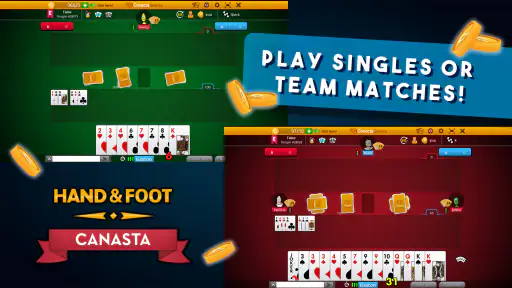
I enjoy card games most when they give me something to think about without demanding a long setup, and Hand and Foot Canasta fits that mood well. This is a free card game from ConectaGames.com built around the Hand and Foot version of Canasta, with online play against real players and a presentation that keeps the table moving. I found it more interesting than a simple solitaire-style distraction because every round asks me to balance immediate points against the need to prepare for the next phase of play.
The important distinction is that this is not just a digital deck for playing alone. Its appeal comes from sharing a table with other people, judging the cards available to me, and adapting when opponents change the pace. That makes it a better choice for someone who already enjoys traditional Canasta or wants a more social card experience on a phone. It is less suitable if you want a completely private, offline game with no learning curve.
How the current game feels in everyday play
Hand and Foot Canasta is listed as a card game for Teen audiences, and that description matches the kind of experience I had: competitive, thoughtful, and focused on decisions rather than action. The rules may be familiar to Canasta players, but the Hand and Foot format adds an extra layer because reaching the second set of cards changes how I plan each turn. I cannot simply chase the biggest meld in front of me; I also have to consider when I can safely move forward and whether my current hand gives me enough flexibility.
The basic rhythm is easy to understand once a round begins. I draw, decide which cards can support a meld, discard, and watch what the other players appear to be collecting. The difficult part is not the individual action but the timing. Holding a useful card can protect my future turn, while discarding it may help an opponent. That tension gives the game its character and prevents it from becoming a routine matching exercise.
In a typical everyday scenario, I can imagine opening the game during a short break, joining a table, and playing while having coffee. The first few turns are usually comfortable for checking the situation, but I need to stay engaged because a careless discard can affect the whole round. This is not a game I would leave running while doing something else. It rewards attention, especially when the table is close and each card has a visible consequence.
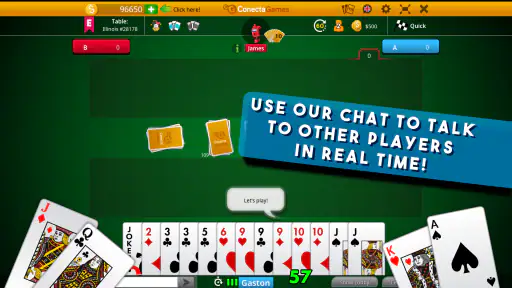
The interface is at its best when it lets me concentrate on the cards instead of making me hunt for controls. Smooth gameplay is part of the experience advertised for the game, and that matters here because card games feel frustrating when taps are slow or the table state is unclear. I still recommend taking a moment to understand the layout before joining a serious match. A player who knows where the draw, meld, discard, and confirmation controls are will make fewer rushed mistakes.
The learning curve is more about Canasta than the controls
Someone who already knows Canasta will have a useful head start, but Hand and Foot is not quite the same mental exercise as a standard Canasta table. The extra hand changes priorities. I often find myself asking whether a move is valuable now or whether it is better to preserve a cleaner route toward the next stage. New players should not judge the game after one confusing round; the format becomes clearer once the relationship between the current cards and the foot is understood.
My practical advice is to begin by watching how experienced players build melds and manage discards, rather than trying to maximize every possible point immediately. Early in a match, flexibility is often more useful than a spectacular-looking combination. I also pay attention to what an opponent repeatedly refuses or takes, since those choices can reveal more than the cards they visibly place on the table.
That observation is one of the less obvious strengths of this version. The game can teach strategic habits that are easy to miss in casual Canasta: tracking discarded cards, remembering which suits or ranks seem important to another player, and deciding when a safe-looking discard is actually dangerous. These skills make the experience more rewarding over time, although they also make a relaxed first session feel more demanding than a simple card app.
What the developer’s current version means for players
The current version is 6.22.120, while the game originally appeared on July 14, 2016. That long span suggests a product that has remained available through multiple stages of mobile gaming rather than a brand-new experiment. I see that history as useful context: the game has had time to establish its core identity, but players should evaluate it mainly by how well the present version serves a Hand and Foot table.
For existing users, a current version number is most relevant when deciding whether to update before playing regularly. Keeping the installed version current is sensible for a multiplayer game because table compatibility and general stability matter more when other people are involved. I would not expect an update number alone to transform the rules or make a familiar player suddenly relearn the game. The lasting value remains the card system and the availability of opponents.
The game requires Android 6.0 or later, which makes it accessible to people using older supported Android devices, though compatibility is not the same as identical performance on every phone. On a newer device, the table should feel more comfortable for longer sessions. On an older phone, I would first test a short match before committing to purchases or treating it as my main card game.
Its audience has also grown beyond a small personal experiment. The game has passed one hundred thousand installs and carries a 3.5 average from around two thousand ratings, with hundreds of written reviews. I read that combination as a sign of a real but mixed player base: enough people use it to support online tables, yet the average score suggests the experience will not satisfy everyone equally.
That mixed reception makes sense to me. Players who want Hand and Foot with human opponents are likely to value the central format more than people comparing it with polished solo card apps. A rating alone cannot tell me whether a complaint concerns the rules, matchmaking, interface, or expectations, so I would treat it as a prompt to try the free version rather than an automatic recommendation or rejection.
How it affects returning players
If I had been playing since an earlier release, the main benefit of staying would be familiarity. I would already know the flow, the terminology, and the kind of patience needed for a full round. That familiarity lowers the barrier to joining a table and lets me focus on strategy instead of controls. Returning players are also the people most likely to appreciate small improvements in smoothness because they notice when the game feels less disruptive during repeated sessions.
The trade-off is that a long-running card game may feel conservative. If I want a constantly changing collection of modes, dramatic presentation, or a strong progression system, this is probably not where I would look first. Its identity is narrower and more traditional. That can be a virtue for a Canasta fan, but it may feel limited to someone who expects a broad mobile game with frequent novelty.
I also appreciate that the free entry lets me judge the table experience before spending money. In-app purchases range from ninety-nine cents to thirty-nine dollars and ninety-nine cents per item, so I would set a personal limit before buying anything. My advice is to play enough to decide whether the matchmaking rhythm, rules, and interface suit you. Spending cannot fix a mismatch between your preferred style and the game’s core format.
For a regular player, the best workflow is to separate learning from competition. I would use early matches to understand how the foot is handled, then develop a repeatable routine: check the discard pile carefully, identify which melds are realistic, and avoid exposing a useful card unless the gain is worth the risk. This approach is more effective than relying on instinct, especially when the table includes players with very different levels of experience.
Where the experience still has friction
The biggest limitation is built into the format: Hand and Foot Canasta needs concentration and can be unforgiving when I am unfamiliar with the rules. A person looking for a two-minute filler game may find the decisions too involved. The game also depends on the quality of the multiplayer experience. Even a good card interface cannot compensate for a table that feels too slow, too uneven, or poorly matched to a player’s ability.
That is why I would not recommend it as the first card app for someone who has never played Canasta and dislikes learning through trial and error. A simpler tutorial-focused alternative would be better for that person. Likewise, if my priority were solo play against a predictable computer opponent, I would choose a traditional Canasta app designed around offline or artificial opponents instead of expecting this game’s social focus to deliver the same experience.
There is also a strategic cost to playing casually. In many mobile games, a distracted session is harmless. Here, missing a discard or misunderstanding an opponent’s collection can put me behind for an entire round. I find that refreshing when I want a real game, but inconvenient when I only have one hand free or expect to answer messages while playing.
The Teen content rating should not be read as a promise that every table will feel equally welcoming. The game itself is a competitive card environment, and online interaction can vary from one match to another. I would approach it as a public multiplayer space: enjoy the competition, avoid oversharing personal information, and leave a table if the atmosphere is not comfortable. That is a practical consideration for families deciding whether the game suits a younger player.
Another trade-off is the purchase structure. The free price makes experimentation easy, but optional items priced from ninety-nine cents up to thirty-nine dollars and ninety-nine cents can make budgeting important for frequent players. I prefer to treat purchases as entirely optional and judge the game by the free experience first. Anyone who is susceptible to impulse spending should use the device’s purchase controls before settling into regular play.
Who should choose it over familiar alternatives
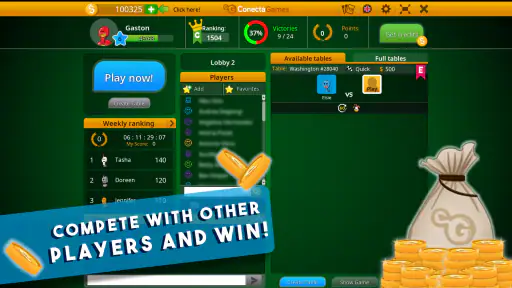
I would recommend this game to a Canasta player who wants to find opponents without arranging a physical table. It is particularly appealing when friends or family are unavailable, yet I still want the uncertainty that comes from playing against people rather than a fixed computer routine. The online setting gives each round a social edge that a solo deck cannot reproduce.
Compared with a standard solitaire app, it offers far more interaction and long-term decision-making, but it is also less relaxing and less predictable. Compared with a board-game-style card app, it focuses more tightly on the Hand and Foot rules instead of presenting a large collection of unrelated games. Compared with playing with a physical deck, it removes setup and card management, though it also loses the face-to-face atmosphere and the ability to explain a rule by simply pointing across the table.
That comparison helps clarify the right use case. I would choose the mobile version when convenience and access to opponents matter most. I would choose a physical game when the point is spending an evening with people in the same room. I would choose a solo alternative when I need a quick, pause-friendly session or want complete control over the pace.
One useful habit for experienced players is to treat each match as information gathering, not only point chasing. I watch which cards become contested and which discards remain untouched. That can guide my next decision even when my own hand is weak. A poor opening does not always mean the round is lost; careful discarding can reduce the damage and create a chance to enter the foot with a better position.
New players can make the game less intimidating by learning one objective at a time. First, understand how to form valid melds. Next, practice reaching the foot without emptying useful options too early. Finally, start tracking opponents. Trying to master all three immediately makes the table feel chaotic, while this staged approach turns the rules into manageable decisions.
What I would watch before committing long term
For anyone considering regular play, I would watch how consistently the current version delivers comfortable matches on their device and connection. I would also pay attention to whether the available tables match their preferred pace. These are more important questions than the age of the app because a familiar ruleset only remains enjoyable when joining and finishing games feels practical.
I would also watch how the game fits my spending habits. The free download is a strong reason to try it, but optional purchases should remain a conscious choice rather than an automatic part of every session. If I can enjoy the core table without feeling pressured to buy, the value is much clearer.
The game’s future appeal will depend on preserving its central strengths: readable card play, smooth turns, and access to real opponents. I would welcome changes that make learning easier or reduce friction without turning the experience into something unrelated to Hand and Foot. At the same time, I would not want unnecessary complexity added just to make a traditional card game look busier.
After trying it, my view is straightforward: this is a focused multiplayer Canasta option, not an all-purpose card collection. Its real strength is the combination of familiar rules and meaningful human decisions. The 3.5 average rating reflects that it has clear appeal but also some rough edges, so I would begin with the free version and decide based on actual table comfort rather than expectations.
Hand and Foot Canasta is worth recommending to players who already enjoy the Hand and Foot format, want real opponents, and are comfortable giving a round their full attention. I would skip it if I wanted offline simplicity, instant matches, or a heavily animated card adventure. For the right player, though, the game turns a traditional table pastime into something easy to carry around, with enough strategic tension to keep familiar rules interesting.
Pros
- Clear rules and helpful tutorials make it easy for beginners to learn.
- Supports both solo play and multiplayer matches with friends.
- Smooth card controls make melds and discards comfortable on mobile.
- Adjustable difficulty offers a suitable challenge for different skill levels.
- Canasta matches are relaxing and well suited to short gaming sessions.
Cons
- Some rounds can feel lengthy
- especially with several players.
- The interface may seem dated compared with newer card game apps.
- Advanced players may want more detailed strategy or statistics tools.
- Online matchmaking activity may vary depending on the time of day.
- Frequent notifications or ads can interrupt the pace in the free version.

- Category
- Card
- Version
- 6.22.120