Don't Starve: Pocket Edition
- 4.17K
- 4.2
- Installs
- 1.00M
- Price
- $4.99

Screenshots
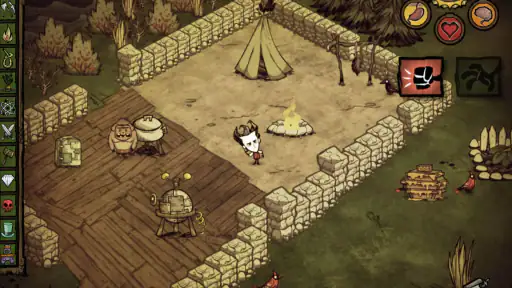
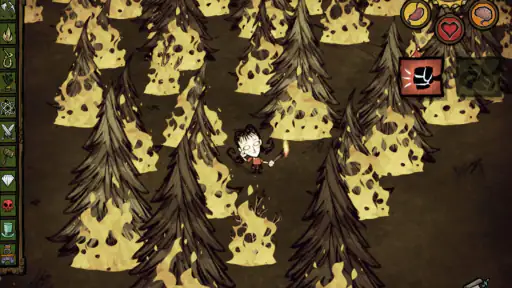
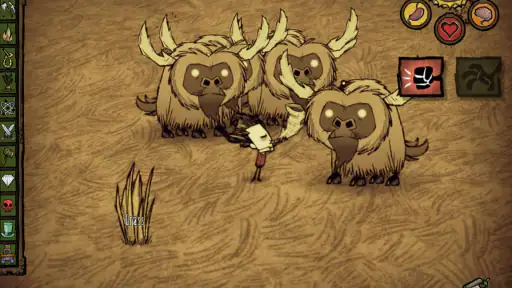
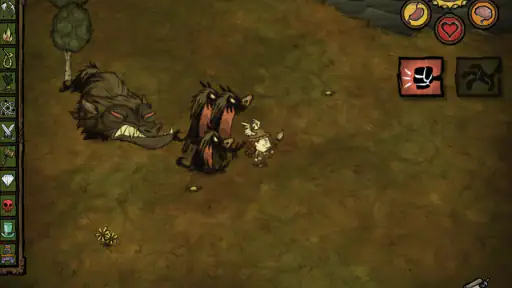
Analysis by Reviewed
I came to Don't Starve: Pocket Edition expecting a familiar survival loop, but what stuck with me was how often it makes me choose between two urgent needs. A little more exploring might mean useful supplies, but it can also leave me caught out when night arrives. That constant calculation gives this adventure game its bite: progress feels earned, and mistakes are memorable rather than neatly brushed aside.
A paid game with a clear commitment
This is a paid mobile game, listed at $4.99, rather than a free download built around repeated in-game spending. I find that straightforward purchase model appealing if, like me, you would rather pay once to get into a substantial game than manage a stream of optional offers. The Teen age rating is also worth keeping in mind if you are choosing something to play with a younger family member.
The game comes from Klei Entertainment Inc. and has been available since Oct 19, 2016. Its current version is 1.19.19, and it requires Android 5.0 or later. On Google Play it has a 4.2 average from around 46,000 ratings, with over 1 million installs. Those figures suggest a well-established audience, but I would treat them as context, not a promise that its demanding style will suit everyone.
Who will enjoy the pressure—and who may not
I would recommend it to players who enjoy learning by observation, planning around limited resources, and starting over with a better idea of what went wrong. It is a good fit for a short session when I want to scout nearby ground or collect something specific, and it can also absorb a longer stretch when I am trying to turn a shaky beginning into a stable run. The catch is that a quick session can still end in a costly mistake if I stop paying attention to time and danger.
If you prefer gentle guidance, a forgiving save structure, or a story that steadily leads you from one objective to the next, this is probably not my first recommendation. Its early learning curve asks for patience, and losing a run can sting. Compared with more relaxed crafting adventures, it puts survival decisions ahead of comfort; compared with action-led games, it rewards preparation more than reflexes. I would choose something more welcoming when I want to unwind without watching several needs at once.
Game Mechanics and Graphics
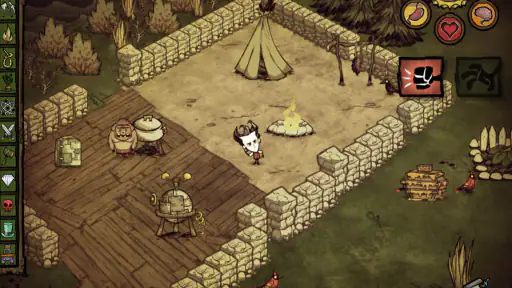
First off, let's talk about the game's mechanics. Don't Starve: Pocket Edition is all about survival, and it nails it with intricate crafting and exploration elements. You start with nothing, and it's up to you to gather resources, build shelter, and create tools to help you survive. The game doesn't hold your hand, which is refreshing but also a bit daunting at first. I found myself dying multiple times before I got the hang of things, but that's part of the fun, right?
One habit made the opening less punishing for me: I stopped treating every new area as a checklist. I gathered enough to handle immediate needs, then explored with a clear reason to go farther. That small change kept me from spending the whole day chasing interesting objects while neglecting a safe plan for nightfall. It also made each return trip useful, because I could decide what to build or gather next instead of wandering without priorities.
More From Our News Desk

Weather by Xiaomi Review: Clear at a Glance, Less Clear Up Close

X Under Pressure: Can It Recover When Posting Goes Wrong?

Clash of Clans Is Won Between the Battles

Android Auto Makes the Case for Quieter Car Software

MobiOffice: Transforming Mobile Productivity with Seamless Integration

EA SPORTS FC™ Mobile Soccer: Redefining Mobile Sports Gaming
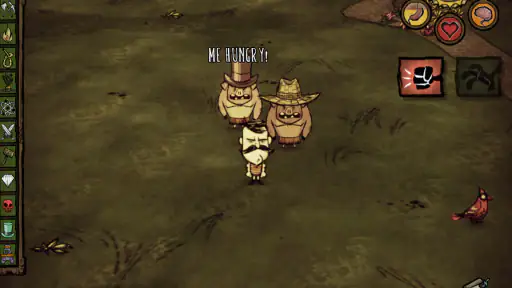
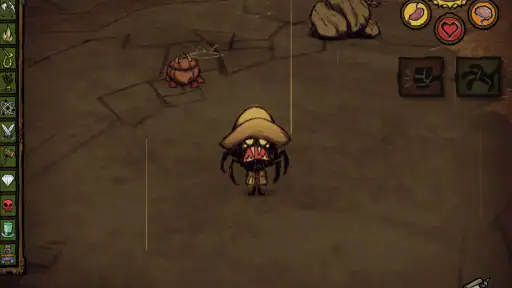
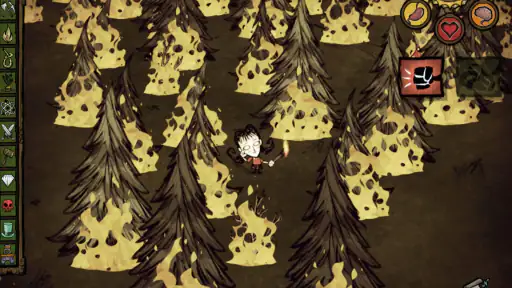
The graphics are a standout feature, with a unique, hand-drawn, and somewhat eerie art style that adds to the overall atmosphere. It's like stepping into a Tim Burton-esque world where everything feels slightly off-kilter, yet you can't help but be drawn in. The day-night cycle and weather changes also add layers of complexity that keep you on your toes.
Survival Challenges
Survival isn't just about gathering food and resources. Oh no, the game throws in psychological challenges too. Your character can go insane if you don't manage their sanity, which leads to hallucinations and an even more challenging survival experience. This mechanic adds depth to the game, making each decision crucial. Should you spend time gathering food or focus on building a fire before night falls? Every choice matters, and that's what makes the game so addictive.
For an everyday example, I might open the game while waiting for an appointment and plan to make a quick supply run. The sensible approach is to check what I need first—food, materials, or a safer route—rather than set off on impulse. If I have only a little time, I keep the goal modest and avoid turning a useful outing into a risky expedition. That makes the game work on a phone, though its attention demands mean it is not ideal when I expect constant interruptions.
A practical trade-off is that learning the game can make failure feel informative, but it does not make failure painless. I try to notice the cause of a bad run instead of repeating the same broad plan: was I unprepared for darkness, distracted from a basic need, or exploring too far? Adjusting one decision at a time gives me a clearer lesson than trying to master everything at once. Players who dislike restarting after a setback may find that process more frustrating than rewarding.
One of the coolest aspects is the variety of characters you can play, each with unique abilities and traits. Whether you're playing as Wilson, the gentleman scientist, or Willow, the firestarter, how you approach survival can change significantly. It keeps the gameplay fresh and encourages you to try different strategies.
Survival is a solo decision, not a fairness contest
The central challenge here is managing your own choices in a hostile wilderness, rather than competing against other players for a ranking or prize. I like that focus: the satisfaction comes from surviving longer and understanding the situation better, not from spending to outperform someone else. In that sense, the purchase price buys access to the game rather than a stated competitive advantage.
There is an important distinction between this Pocket Edition and playing with friends. The single-player experience is the focus here, while the original article’s reference to a multiplayer version points to a separate option, not a reason to expect cooperative play inside this edition. If shared sessions are the main thing you want, I would look at a multiplayer game designed around that before buying this one.
For a phone player, another useful choice is whether to treat each run as a self-contained experiment or as a project you want to protect. I get more out of the former: try a cautious route, learn what the surroundings demand, and let the next attempt benefit from that knowledge. It reduces the temptation to rush through unfamiliar ground just because an earlier run went well. The game’s pressure is most enjoyable when I set my own pace rather than turning every session into a test of endurance.
What I would check before buying
The price is a clear point of reference, but it does not answer every practical question a buyer may have. The purchase information here establishes the cost and that this is a paid game; it does not establish details such as refund terms, additional charges, or how well it runs on a particular device. I would check the current store page and my device’s compatibility before purchasing, especially if I am sensitive to touch controls or want a specific play setup.
Likewise, the available details do not settle questions about offline use, cloud saves, or exactly how controls feel across different screen sizes, so I would not buy on the assumption that any of those are guaranteed. What I can judge is the kind of experience on offer: deliberate gathering, crafting, exploration, and pressure from survival needs. If those are the reasons you are interested, the game has a strong case; if seamless short bursts or friction-free progress matter more, I would be cautious.
Why the mobile format suits some runs better than others
The phone version works best for me when I treat it as a game that deserves attention, not as background entertainment to dip into while doing three other things. A brief pause can be enough for a focused outing, but the decisions still connect: the supplies I collect affect what I can make, and the distance I travel changes how safely I can return. If I am likely to be interrupted, I choose a small, understandable objective rather than beginning an ambitious trip.
That makes it different from a casual mobile game built around quick rewards and frequent stopping points. Here, a session is satisfying because I have made a plan and carried it through, not because the game constantly hands me a new prompt. Players who enjoy portable strategy and survival may appreciate that concentration. If you mainly want something that can be paused mentally at any moment, a lighter puzzle or a more forgiving builder would be a better match.
Small decisions that make a run more manageable
I have found it useful to decide what would count as a successful outing before leaving a familiar area. That could mean returning with one particular resource or learning which direction looks promising, rather than trying to collect everything in sight. This is a simple way to stop exploration from swallowing the time and materials needed for basic survival. It also gives a disappointing trip a purpose: I may not come back with much, but I can still use what I learned to plan the next one.
Character choice is another reason not to judge a run solely by its early results. The different traits described in the game encourage a change of approach, so I would experiment with a character whose strengths invite a different plan instead of repeating the same routine. That does not remove the pressure; it changes what I pay attention to. For players who enjoy figuring out systems, this gives repeat attempts a useful angle beyond simply trying to last longer.
Choosing between this and other survival games
Among adventure and survival games, I would pick this when I want uncertainty, resource decisions, and a distinctive atmosphere to drive the session. Its appeal is less about building a comfortable base at a relaxed pace and more about managing risk while the world keeps presenting competing needs. A more guided adventure is preferable if I want clear objectives, while a cooperative survival title makes more sense if sharing the work is essential. The single-player focus here is a defining part of the experience, not a small detail to overlook.
It is also worth separating a difficult game from an unfair one. The challenge I enjoy comes from learning what my choices lead to and adjusting my approach; the game is not asking me to buy a competitive edge. But the same pressure can feel harsh if I expect every attempt to move smoothly toward a permanent achievement. I would buy it for the process of experimenting and improving, not for guaranteed progress in every sitting.
Survival Challenges
Survival isn't just about gathering food and resources. Oh no, the game throws in psychological challenges too. Your character can go insane if you don't manage their sanity, which leads to hallucinations and an even more challenging survival experience. This mechanic adds depth to the game, making each decision crucial. Should you spend time gathering food or focus on building a fire before night falls? Every choice matters, and that's what makes the game so addictive.
One of the coolest aspects is the variety of characters you can play, each with unique abilities and traits. Whether you're playing as Wilson, the gentleman scientist, or Willow, the firestarter, how you approach survival can change significantly. It keeps the gameplay fresh and encourages you to try different strategies.
Multiplayer Madness
Although the Pocket Edition focuses primarily on single-player mode, there's also a multiplayer version if you're eager to tackle the wilderness with friends. It's a whole different ball game when you add other players into the mix. Teamwork becomes essential, and the dynamics shift, offering a new layer of fun and chaos.
In conclusion, Don't Starve: Pocket Edition is not just a game; it's an experience. It's challenging, visually captivating, and incredibly rewarding once you get the hang of it. Sure, it can be frustrating at times, especially when you've spent hours crafting the perfect setup only to lose it all in a moment of madness. But that's the beauty of it. It's unpredictable and keeps you coming back for more, just like a rollercoaster you can't get enough of. So, gear up, gather your wits, and dive into the wilderness. Just remember, in this game, the only thing you can expect is the unexpected!
Don't Starve: Pocket Edition Frequently Asked Questions
Does Don't Starve: Pocket Edition have a tutorial, and how quickly can I learn the basics?
Don't Starve: Pocket Edition is built around learning through exploration and experimentation, so it may take time to understand how its survival systems work. You will need to pay attention to hunger, health, sanity, crafting, and the dangers around you rather than expect every choice to be explained. If you enjoy discovering mechanics through play, that approach can be part of the appeal; if you prefer step-by-step guidance, the opening may feel demanding.
How much storage space does Don't Starve: Pocket Edition need?
Before downloading, make sure your device has enough free storage for the game and its installation. The amount of space an app uses can vary with the device and its software, so it is sensible to check the download details on your platform before proceeding. The game is designed for mobile play, but its detailed artwork and survival systems are best enjoyed on a device that feels comfortable to use for longer sessions.
Can I save my progress and continue a survival run later?
The game is organized around a continuing survival adventure, so being able to return to a run matters when you play in short mobile sessions. Consider whether you are comfortable managing a longer challenge over multiple play periods, since exploring and gathering resources can take time and setbacks are part of the experience. The focus is on surviving in a dangerous world, rather than completing a brief series of self-contained levels.
Is Don't Starve: Pocket Edition suitable for short play sessions?
You can play on a mobile device, but the survival loop rewards attention to your surroundings and the needs of your character. A short session can still let you explore or gather resources, though it may be harder to make progress if you have to stop frequently. Its challenging, open-ended nature is a better fit for players who are comfortable returning to an ongoing adventure and picking up their survival plans again.
Does Don't Starve: Pocket Edition work well on a tablet as well as a phone?
The game is designed for mobile devices, and its touch-based controls let you interact with the world on a phone or tablet. A larger screen may make it easier to view the hand-drawn environments and manage actions, while the best feel can depend on your device and personal preference. If you are unsure, consider how comfortable you are controlling a character and selecting items through touch before buying.
Pros
- Immersive survival experience
- Unique art style
- Challenging gameplay
- Offline play available
- Frequent updates
Cons
- Steep learning curve
- Limited inventory space
- Can be repetitive
- Some bugs present
- Requires in-app purchases
- Category
- Adventure
- Version
- 1.19.19