Dawncaster: Deckbuilding RPG
- 996.00
- 4.5
- Installs
- 100.00K
- Price
- $4.99

Screenshots



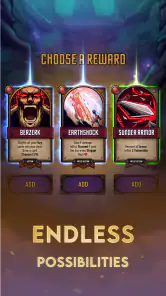

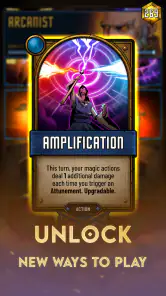
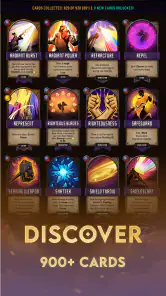

Analysis by Reviewed
What makes this card RPG worth considering is not simply that it puts battles into a deckbuilding format. I find its stronger appeal in the way card choices give an adventure a tactical shape: you are not just trying to clear a board, but deciding what kind of approach to carry into the next challenge. That makes Dawncaster: Deckbuilding RPG a better match for players who enjoy thinking through a plan than for anyone looking for a quick, low-attention distraction.
Why the deck decisions matter
A useful habit is to look at the direction your deck is already taking before adding a card that seems impressive on its own. The question is not only whether a card has a strong effect, but whether it supports the way the rest of your deck works. I would treat each new choice as a small test of consistency: does it reinforce the tactics I am learning to use, or does it ask me to start solving fights in a different way?
This is a more helpful way to assess a run than judging it by one exciting turn. A battle can go well because a few cards line up, while a deck that lacks answers for other situations may struggle later. When a fight goes badly, I would look back at the choices that built the deck as well as the final move. That reflection gives losses some value, though players who want every setback to have an obvious explanation may find the learning process frustrating.
How it compares with other card games
Compared with a familiar solitaire-style game, where the main challenge is often managing a hand or clearing a board, this asks me to think about how cards serve a larger adventure. Compared with a conventional role-playing game, its card-based battles keep tactical decisions close at hand rather than placing the focus on direct character control. The distinction matters: the fantasy setting may catch your eye, but the lasting appeal is in planning with a deck.
That blend will not suit every mood. If I want a simple puzzle I can play without following a story or considering a broader strategy, a traditional casual card game is a more natural choice. If I want fast action or a role-playing game built around direct control, a conventional RPG is likely to be more satisfying. Here, the story asks for attention and the card decisions ask for thought, so the game sits between those easy alternatives rather than replacing them.
Where it fits into an ordinary day
I would choose it for a quiet break at home, when I have enough focus to follow a story beat and think about what a card contributes to my deck. A short free window can still work, but I would avoid starting when I expect to be interrupted repeatedly. The strategic thread matters, and returning distracted can make it harder to remember why I chose a particular direction.
For example, if I have a calm stretch after dinner, I can settle into a run, pay attention to how a fight unfolds, and make a deliberate choice about what my deck needs next. That is a better setting for this game than a moment when I am checking my phone between other tasks. It is not that the game requires an elaborate setup; it is that its best decisions come when I can give them a little thought.
More From Our News Desk

Weather by Xiaomi Review: Clear at a Glance, Less Clear Up Close

X Under Pressure: Can It Recover When Posting Goes Wrong?

Clash of Clans Is Won Between the Battles

Android Auto Makes the Case for Quieter Car Software

MobiOffice: Transforming Mobile Productivity with Seamless Integration

EA SPORTS FC™ Mobile Soccer: Redefining Mobile Sports Gaming
That distinction also helps answer whether it is suitable for a casual player. Someone new to deckbuilders can enjoy it, especially if they like learning through experimentation, but being casual about gaming does not necessarily mean wanting a low-effort card game. If you prefer immediate, obvious moves and little carryover between decisions, the deck-focused structure may feel like homework rather than a relaxing break.
Who should think twice
I would not recommend it solely on the strength of its fantasy theme. The main pleasure is building a deck and making tactical choices, not simply moving through a story. Players who want the narrative to carry the experience without asking them to plan around cards may find the balance wrong. Likewise, anyone who dislikes learning through trial and error should consider whether that process sounds enjoyable before paying for it.
Families should also take the Teen age rating into account when deciding whether it is suitable for a younger player. The price is another practical consideration: the game is listed at $4.99, and optional in-app purchases range from $5.49 to $15.99 per item. I would approach it as a paid card-focused adventure and decide whether that kind of play is what I want, rather than assuming the purchase automatically covers every optional item.
Dive Into the World of Dawncaster
From the moment you launch Dawncaster: Deckbuilding RPG, you’re greeted with a beautifully designed interface that instantly pulls you into its mystical world. The art style is simply stunning, with vibrant colors and intricate designs that make you feel like you're living in a storybook. As you start your journey, you’ll quickly realize that this isn’t your typical RPG. It’s a blend of strategic card play and classic role-playing elements.
Building Your Deck, Crafting Your Fate
One of the first things you’ll notice is the deckbuilding aspect, which is at the core of the gameplay. It’s not just about collecting cards; it’s about strategically choosing which ones to include in your deck. This choice determines how you’ll fare against the various challenges and enemies you encounter. The game offers a wide variety of cards, each with its own unique abilities and effects. This means you can tailor your deck to suit your playstyle, whether you prefer aggressive tactics or a more defensive approach.
What’s really cool is how each decision feels impactful. You know those moments where you play a card and it completely turns the tide of the battle? Yeah, those moments are what make the game so addictive. It’s all about strategy and making the right choices to outsmart your opponents.
Engaging Storyline and Quests
But it’s not all about cards and strategy. The game also boasts a captivating storyline filled with interesting characters and quests that keep you hooked. You’ll find yourself invested in the world, eager to uncover the mysteries and secrets that lie within. Each quest is well-crafted, offering a good balance of challenge and reward. Plus, the dialogue is witty and engaging, adding a layer of charm to the overall experience.
And let’s not forget the soundtrack. It’s one of those subtle elements that enhances the gaming experience, perfectly complementing the game’s atmosphere. It’s like the cherry on top that makes playing the game an immersive experience.
A Few Words on Accessibility
Now, I know some of you might be wondering about the accessibility and how easy it is to jump into the game. Well, the developers have done a great job of ensuring that players of all skill levels can enjoy the game. The tutorials are clear and helpful, guiding you through the basics without overwhelming you. Plus, the game’s mechanics are intuitive, so you’ll be crafting powerful decks in no time.
Where Its Card-RPG Style Works Best
The strongest reason I’d recommend this card RPG is the way deck choices give a run its identity. In a familiar solitaire-style card game, the challenge is often about arranging a hand or clearing a board; here, cards are tools for shaping an adventure. That makes it a better fit when I want to think through a plan and adjust it as situations change, rather than simply pass time with a quick puzzle.
A practical way to approach a new run is to pay attention to what your current deck is trying to do before adding another appealing card. A powerful effect can look tempting on its own, but a deck works best when its cards support a coherent approach. I’d treat each choice as a small test: does this strengthen the tactics I already use, or does it pull the deck in a different direction? That habit makes decisions feel less random and helps explain why a run succeeds or falters.
It also rewards players who enjoy learning by reviewing their own choices. If a fight goes badly, I’d look beyond the last card played and consider whether the deck had enough answers for different situations. That kind of reflection is part of the appeal, but it also means the game may frustrate someone who wants every loss to feel clearly explained or quickly corrected.
Good Fit for Thoughtful Sessions, Not Every Mood
I can see this working well during a quiet break at home, when I have enough attention to follow a story beat and think about a card decision. It is less suited to a moment when I need a game that can be interrupted constantly without losing my place mentally. Even if a session is short, the strategic thread matters; coming back distracted can make it harder to remember why a particular card or direction seemed useful.
That is also why I would not recommend it to everyone who likes fantasy. The RPG setting is a draw, but the main pleasure comes from card-based planning. If you prefer direct character control, fast action, or a story that moves forward without requiring tactical choices, a conventional role-playing game is likely a better match. Likewise, players looking for a purely casual card game may find the build-and-battle focus more demanding than they want.
For someone who already likes deckbuilders, the appeal is the blend of narrative atmosphere and decisions about how a deck should function. Compared with simpler card games, there is more investment in the journey and in refining a strategy; compared with sprawling RPGs, the cards keep the tactical choices close at hand. The trade-off is that neither side is entirely effortless: the story asks for attention, and the strategy asks for thought.
What to Consider Before Buying
This is a paid game, listed at $4.99, with optional in-app purchases ranging from $5.49 to $15.99 per item. I’d decide based on whether I want a substantial card-focused adventure, rather than assuming the initial purchase means every optional item is included. The game is rated Teen, so it may be more appropriate for older players and families should check that rating before handing it to a younger player.
Wanderlost Interactive is the developer, and the game has an average rating of 4.5 from around 4,300 ratings, with over 100,000 installs. Those figures suggest a healthy audience, but they cannot tell you whether its particular mix of story and deck strategy suits your taste. The current version is 1.14.097 and it requires Android 6.0 or later, practical details worth checking against your device before purchasing.
One useful expectation to set is that the learning curve is about making better choices, not merely memorizing what each card does. The tutorials help with the basics, but personalizing a deck takes experimentation. If you enjoy that process, early uncertainty can become part of the fun; if you want a game that immediately lays out an obvious best move, this one may feel less welcoming.
My Verdict
Overall, Dawncaster: Deckbuilding RPG is a delightful mix of strategy, storytelling, and striking visuals. Whether you’re a seasoned RPG veteran or a newcomer to the genre, there’s something here for everyone. So, if you’re in the mood for an adventure that challenges your strategic thinking while immersing you in a magical world, give this game a shot. Trust me, you won’t regret it!
Dawncaster: Deckbuilding RPG Frequently Asked Questions
What is Dawncaster: Deckbuilding RPG?
Dawncaster: Deckbuilding RPG is an engaging role-playing game that combines traditional RPG elements with strategic deck-building mechanics. Players embark on a thrilling adventure, collecting cards and customizing their decks to defeat various foes. With a rich storyline, captivating graphics, and a blend of strategy and role-playing, Dawncaster offers a unique gaming experience for fans of both genres.
Who developed Dawncaster: Deckbuilding RPG, and what kind of game is it?
Dawncaster: Deckbuilding RPG is a card game developed by Wanderlost Interactive. Its deck-building focus makes card choices central to the adventure: players collect cards, shape a deck, and use strategy while taking on foes. If you enjoy RPGs that ask you to think about how your cards work together, its mix of role-playing and card battles may be a good fit.
Is Dawncaster: Deckbuilding RPG free to play?
Dawncaster: Deckbuilding RPG offers a free-to-play model with optional in-app purchases. While players can enjoy the core gameplay without spending money, there are additional features, card packs, and cosmetic items available for purchase to enhance the gaming experience. It's designed to be enjoyable for both free and paying users.
What platforms is Dawncaster: Deckbuilding RPG available on?
Dawncaster: Deckbuilding RPG is available on both Android and iOS platforms. It is optimized for smartphones and tablets, providing a seamless experience across different devices. Players can download it from the Google Play Store for Android devices and the Apple App Store for iOS devices.
What should I know about the cost and optional purchases before downloading?
Dawncaster: Deckbuilding RPG costs $4.99 to download and also offers in-app purchases priced from $5.49 to $15.99 per item. That means it is not simply a free download with optional spending: you pay the listed purchase price to get started, with further purchases available in the game. Consider whether both the initial cost and optional extras suit your budget.
Pros
- Engaging storyline with rich lore.
- Variety of cards for diverse strategies.
- Offline play mode available.
- Regular updates enhance gameplay.
- Intuitive interface for easy navigation.
Cons
- Steep learning curve for beginners.
- In-app purchases can be costly.
- Limited character customization.
- Occasional bugs disrupt gameplay.
- Requires significant storage space.
- Category
- Card
- Version
- 1.14.097