Color Block: Combo Blast
- 1.20K
- 4.6
- Installs
- 50.00M
- Price
- Free
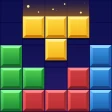
Screenshots
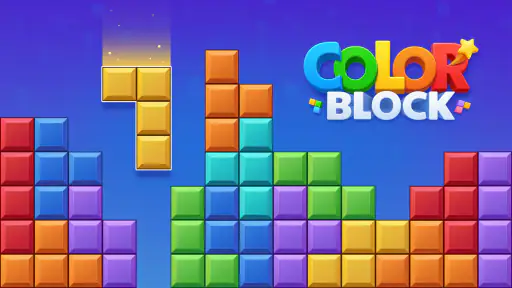
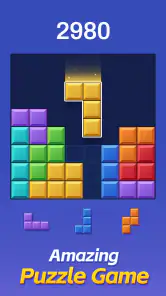
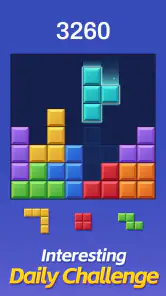
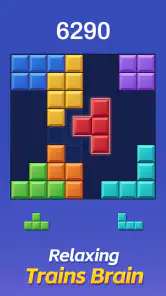


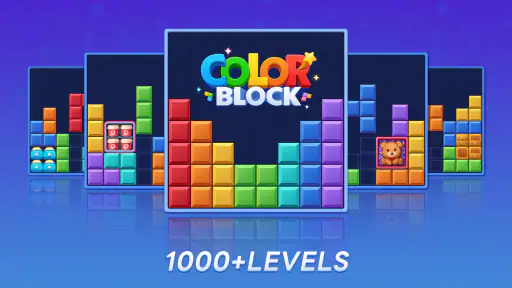
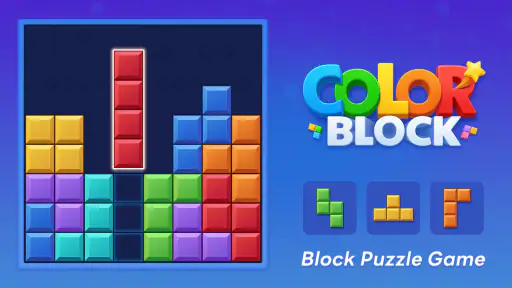
Analysis by Reviewed
I like puzzle games that are easy to pick up while someone else is using the same room or device, and Color Block: Combo Blast fits that casual role well. It is a free block puzzle from Ivy, built around arranging colored pieces rather than following a long story or learning a complicated set of controls. In my experience, its appeal is the quick mental reset: you can look at the board, consider a few placements, and decide whether you have time for another round.
That simplicity also makes it easier to share informally. A friend or family member can understand the basic idea by watching for a moment, then take a turn without needing a lengthy explanation. The game is rated for Everyone, which may suit a household looking for a puzzle that does not depend on mature themes. Still, a shared device needs some ordinary ground rules: agree who is playing, and check before someone else continues a session or makes an in-app purchase.
Why it works for a shared-device break
A puzzle you can hand over quickly
Color Block is most appealing when you want a game that asks for attention without taking over the day. Its block-placement premise gives each turn a clear purpose: judge the available space, fit pieces into the board, and try to keep room for what comes next. That makes it a natural choice during a quiet wait, a short break, or a relaxed moment on the sofa when people nearby may want to join in.
Articles Related to Color Block: Combo Blast
On a shared phone or tablet, the learning curve is a practical advantage. I would not need to explain a complicated inventory or a long chain of objectives before handing it to someone else. The other person can focus on the visible puzzle and make their own decisions. That said, it is better treated as a pass-the-device game than as a coordinated multiplayer activity: the social part comes from taking turns and discussing placements, not from assuming that players are sharing a live board.
One useful way to make those turns more interesting is to ask the next player to explain a placement before making it. That small pause turns a simple move into a quick planning exercise, especially for children or anyone who enjoys talking through a puzzle. It also makes the handoff less likely to become a sequence of random taps. If the group would rather play together in real time, a dedicated cooperative puzzle game will be a better fit.
Small decisions matter more than speed
The most satisfying part of a block puzzle like this is usually not a flashy moment; it is noticing that a placement leaves options open. I recommend looking at the whole board before committing to a piece, rather than filling the easiest gap immediately. A move that fits neatly now can create an awkward pocket later, while a less obvious placement may preserve useful space. That is the kind of quiet decision-making that gives short sessions a little depth.
For a household taking turns, a simple rule can help: the incoming player gets a few seconds to inspect the board before touching it. This avoids the common shared-device frustration of someone making a move before the next person has even seen the position. It also reveals different habits. One player may favor clearing obvious areas; another may protect open space. Comparing those approaches is a more engaging way to share the game than merely watching someone tap through a round.
You May Like

How Microsoft OneDrive Became a Mobile Productivity Giant

How Google Translate Breaks Language Barriers Effortlessly

Why Google Sheets Is the Ultimate Mobile Productivity Tool

Unveiling the Dynamic World of My Talking Tom Friends

Free Fire MAX: Dominating the Battle Royale Arena

Free Fire: Winterlands – The Ultimate Winter Gaming Adventure
There is a trade-off, though. If you prefer puzzles with a visible narrative, a campaign of varied objectives, or a strong sense of progression between sessions, the straightforward block-puzzle format may feel repetitive. Color Block is better for a compact challenge you can return to casually than for a game that continually changes its premise. I would skip it if your main goal is a rich story or a puzzle that asks you to master many distinct mechanics.
Keep personal turns and purchases clear
When several people use one device, the simplest coordination is to decide who has the next turn and whether a session is being left for someone else. That matters even in a game that is easy to understand: one person may want to continue a promising run, while another may prefer to start fresh. A quick verbal agreement prevents accidental interruptions and keeps the game from becoming a source of small household arguments.
Color Block is free to download, with in-app purchases listed at $4.99 per item. If children share the device, I would set the device’s purchase protections before handing it over and explain that any purchase needs an adult’s permission. That is sensible housekeeping rather than a special game feature. It also helps separate the question “Can I play?” from “Can I spend?”—two decisions that should not be blurred on a family device.
Account boundaries deserve the same common-sense treatment. If a device is used by multiple people, do not assume a shared session represents separate personal progress or preferences. Let each person know when it is their turn, and avoid leaving the device unlocked with payment access available. For a household that needs individual profiles, parental dashboards, or built-in turn management, I would look for a product that explicitly provides those tools instead of expecting a simple puzzle game to manage them.
Age suitability and adult oversight
The Everyone rating makes Color Block an approachable option to consider for a broad age range, and the basic puzzle premise is easy to explain without relying on adult subject matter. For younger players, I would still start by playing alongside them. That gives you a chance to see whether the pace and visual presentation suit them, and to set expectations about taking turns and asking before spending.
An age label is useful, but it does not replace family judgment. A child who enjoys arranging shapes and thinking ahead may find the game engaging; one who gets frustrated when a board becomes difficult may prefer a gentler activity or a game with more guidance. I would also consider how long the child tends to stay on a device. A quick puzzle can fit neatly into a short break, but an easy-to-return-to game can also stretch that break if nobody agrees on a stopping point.
For adults, the same uncomplicated structure is a benefit when you want a low-pressure diversion rather than a demanding session. It can occupy a few spare minutes without requiring you to remember a plot or coordinate with other players. If you want a game that encourages conversation, a household can make its own challenge by comparing moves; if you want a richer shared experience with dedicated family settings, this is not the strongest choice.
What the numbers say—and what they do not
Color Block has an average rating of 4.6 from around 75,000 ratings, and it has passed 50 million installs. Those figures suggest that the simple block-puzzle idea has reached a large audience, but popularity alone does not tell me whether a particular household will enjoy it. The deciding question is whether you like making careful placements on a compact puzzle board, rather than whether you want a social game with built-in coordination.
The game was released on April 17, 2019, and its current version is 5.7.5. It requires Android 7.0 or later. Ivy is the developer. Those practical details are worth checking against the device you plan to use, especially if an older family phone is being passed around. The game is free, but the presence of optional purchases means I would still treat installation and spending as separate choices.
How it compares with other puzzle choices
Compared with word puzzles, Color Block puts less emphasis on vocabulary and more on spatial judgment. Compared with match-based puzzles, its central appeal is fitting shapes into available space rather than chasing a chain of color matches. That difference makes it a good alternative for someone who likes visual planning but does not want a word challenge. It may be less suitable for players who prefer a steady stream of new rules, elaborate levels, or a strong competitive structure.
It also differs from tabletop puzzles in a useful way: there is no need to set up pieces or clear a table before someone else can take a turn. On a device, a player can inspect the board and pass it along quickly. The downside is that screen-based play can make the shared experience less face-to-face if everyone simply watches in silence. I would encourage people to say why they chose a move, or to agree on a no-hints round, if the point is to enjoy the puzzle together rather than just fill spare time.
For a household choosing between this and a more elaborate game, I would think about the kind of attention available. Color Block suits a short, self-contained pause and players who enjoy repeating a familiar puzzle format. A narrative adventure is better when the group wants a continuing story; a cooperative title is better when everyone needs a meaningful role at once. The right choice depends less on age and more on whether the goal is a quiet individual turn or a shared activity with built-in teamwork.
Making a short session work in real life
A realistic use for the game is a few minutes of waiting while dinner is finishing or someone else has the television remote. I would give one person a turn, then pass the device only when the board is at a natural pause. That keeps the puzzle from competing with a conversation or turning a shared break into a long queue. If the next person is younger or less experienced, letting them inspect the board before receiving advice makes the handoff feel fair without taking over their decisions.
For a solo player, the same approach works between tasks: open the game when there is enough time to focus, and stop when attention needs to return elsewhere. The useful habit is to decide on a stopping point before beginning, rather than relying on the puzzle itself to signal when a break is over. This is particularly helpful in a household where one person’s quick turn can otherwise become everyone else’s waiting time.
Who will enjoy it—and who may not
I would recommend it most to people who like spatial puzzles, prefer clear rules, and are happy to revisit one central type of challenge. It can also suit a household that wants an easy game to pass around without expecting every player to participate at once. On the other hand, someone who wants fresh objectives every session, a shared live challenge, or a strong sense of personal progression should choose a different puzzle or a cooperative game designed around those needs.
One practical question is whether the game suits a child who is still learning to plan ahead. I would try a short session together and see whether the child enjoys considering placements or becomes impatient when a move has consequences later. Another is whether several people can use one copy as separate players: I would treat the device as shared play, not assume it provides individual household profiles. Those expectations matter more than a general claim that a puzzle is easy to learn.
My household verdict
I would recommend Color Block: Combo Blast to someone who wants a straightforward block puzzle for spare moments and does not mind a familiar format. It is especially easy to introduce during a shared-device break because the basic challenge is visible, and people can take turns without a lengthy briefing. The game is free, rated for Everyone, and widely played, but those points do not remove the need for sensible purchase boundaries or a plan for sharing the device.
The main limitation is also part of its identity: it keeps the focus on arranging blocks, so players looking for varied modes, a story, or built-in household coordination may find it too narrow. I would choose it for a calm pause, a quick turn-taking challenge, or a few minutes of solo concentration. I would choose another kind of puzzle game when the household wants deeper progression or formal cooperative play. If that distinction matches what you are looking for, Color Block: Combo Blast is an easy one to try; just keep the device handoff and purchase rules clear.
Overall, I see Color Block: Combo Blast as a practical casual puzzle rather than a family-management tool or a social game in its own right. Its strength is that each person can engage with the same simple block-placement challenge at their own pace. Its weakness is that a shared device still needs shared expectations. With those boundaries in place, it can make a pleasant little routine: one person plays, the next studies the board, and everyone gets a chance to offer a smarter move.
Color Block: Combo Blast Frequently Asked Questions
What is Color Block: Combo Blast?
Color Block: Combo Blast is a casual puzzle game built around placing or matching colorful blocks to clear space and create chain reactions. Its appeal is the simple premise: rounds are easy to understand, while planning where blocks go can add a little strategy. The exact modes and rules can vary by version, so check the game’s current store listing for the latest feature details.
How do you play Color Block: Combo Blast?
The game generally asks you to work with colored blocks on a board, aiming to complete matches or combinations and clear them before the play area fills up. Combos can reward careful planning, so it helps to consider how a move will affect nearby spaces rather than placing blocks at random. Follow the in-game tutorial for the controls and any mode-specific rules.
Is Color Block: Combo Blast free to download?
The app may be offered as a free download, but that does not necessarily mean every feature or item is free. Some releases of mobile games include advertisements, optional in-app purchases, or paid extras. Availability and pricing can differ by country, platform, and current store listing, so review the price, purchase information, and app details in Google Play or the Apple App Store before downloading.
Can I play Color Block: Combo Blast offline?
Whether the game works without an internet connection depends on its current version and which features you want to use. Basic puzzle play may be available offline in some releases, while ads, events, leaderboards, rewards, or account-related functions may require connectivity. If offline access matters to you, check the developer’s store description and test the game’s behavior before relying on it during travel.
Is Color Block: Combo Blast suitable for children, and what should I check before installing it?
Colorful block puzzles are generally approachable for a wide range of ages, but suitability depends on the app’s current content, ads, privacy practices, and purchase options. Before installing, check the age rating, permissions, data-safety or privacy information, and whether in-app purchases are available. Parents may also want to use device-level purchase controls and review the game’s advertising and online features.
Pros
- Simple tap-to-place controls are easy to learn.
- Bright colors and clear block shapes make the board easy to read.
- Quick rounds suit short breaks.
- Combo-focused scoring adds a satisfying challenge.
- No internet connection is needed for basic play.
Cons
- Random piece layouts can limit strategic options.
- A crowded board can end a run abruptly.
- Repeated rounds may feel similar over time.
- Ads may interrupt play or appear between rounds.
- Small blocks can be harder to select on compact screens.
- Category
- Puzzle
- Version
- 5.7.5