Balatro
- 1.23K
- 4.8
- Installs
- 100.00K
- Price
- $9.99

Screenshots
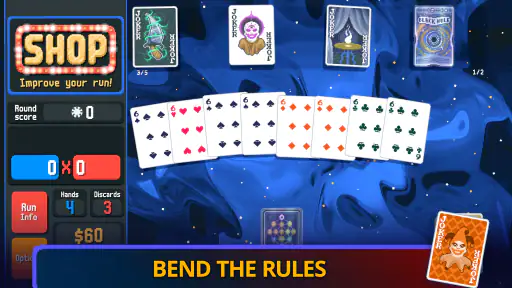
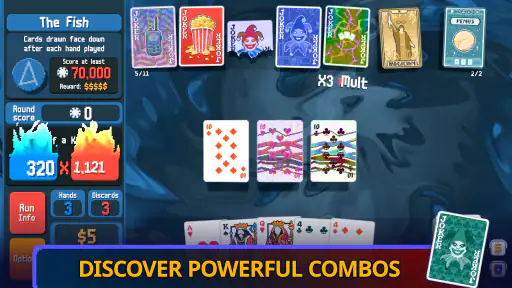
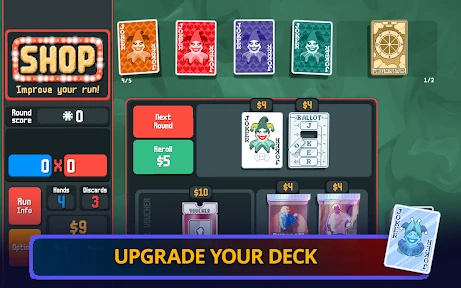
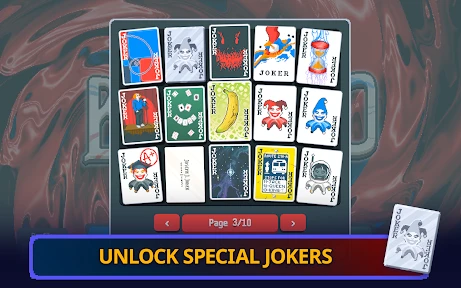
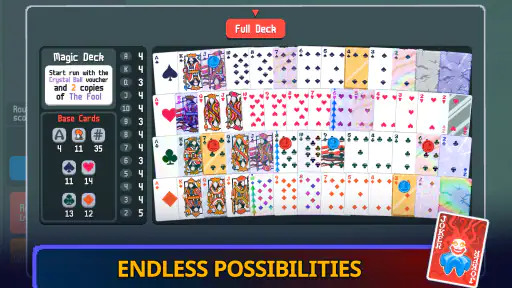
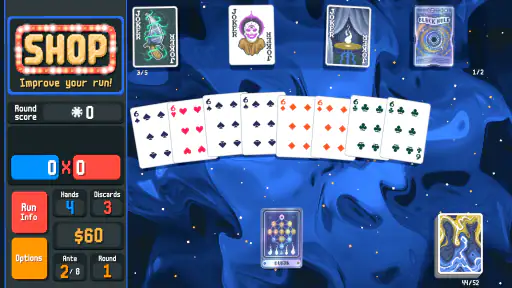
Analysis by Reviewed
In my experience, the most useful way to think about Balatro in a shared home is as a focused card game that one person can enjoy in short bursts, rather than a general-purpose app everyone needs to use together. Its appeal is the mix of poker-style hand building and solitaire-like solo play: I can pick it up while waiting for dinner, then put it down when someone needs the phone. That makes it an easy fit for a household with one shared device, although it is still best enjoyed by taking turns rather than trying to play collaboratively.
A small, practical routine for a shared screen
On a family tablet left in the living room, I’d treat the game much like a book someone is reading: ask who is using it, agree when the device needs to be free, and avoid starting a session just before another person’s planned screen time. This works better than assuming a run will fit neatly into a few minutes. Even when the device is available, a player may want time to think through a decision, so a handoff rule should account for attention as well as screen access.
That routine also helps distinguish “taking turns” from “playing together.” The game can be passed from one person to another, but the enjoyment comes from each player making their own decisions. If a younger sibling is watching, narrating every move can turn a quiet solo activity into a lesson they did not ask for. I’d let the person playing decide whether they want suggestions, and keep any discussion for after the current attempt.
Taking turns without mixing up expectations
If a phone or tablet is passed between people, I’d agree on a simple routine before starting: one person plays, then hands the device back when they are finished. I would not assume that a shared device automatically means separate personal progress or neatly divided play histories. Anyone who cares about keeping their own activity distinct should use the account and device setup they normally rely on, and check how the game behaves on that device before making it a household habit.
A practical moment for it is a quiet stretch after school or during a long wait when everyone wants the screen for something different. The game gives one person a thoughtful activity without requiring a group to coordinate a match. The trade-off is that it can be absorbing; “just one more attempt” may make it less suitable when the device needs to be returned quickly. I’d set the handoff expectation first, especially if someone else is waiting to make a call or use the screen.
Who will enjoy this kind of card game?
Balatro is a strong fit if you like experimenting with card combinations and prefer a solo challenge to a conventional solitaire layout. It also suits players who enjoy learning a game through repeated attempts, adjusting their approach as they discover what works. Compared with familiar card apps built around standard solitaire games, this asks for more strategic experimentation; compared with poker apps, it is not about sitting at a table with other players. If you mainly want social competition, a traditional multiplayer card game will be a better match.
The key tip I’d give a new player is to treat each run as a chance to learn, not as a test you must win immediately. Pay attention to which choices make a hand plan feel workable, and avoid spending attention on every possible combination when a clear, simple plan is already paying off. That small shift makes the game less frustrating and more satisfying, especially in brief sessions. The downside is that its unusual blend may not click if you want familiar rules with little experimentation.
More From Our News Desk

Weather by Xiaomi Review: Clear at a Glance, Less Clear Up Close

X Under Pressure: Can It Recover When Posting Goes Wrong?

Clash of Clans Is Won Between the Battles

Android Auto Makes the Case for Quieter Car Software

MobiOffice: Transforming Mobile Productivity with Seamless Integration

EA SPORTS FC™ Mobile Soccer: Redefining Mobile Sports Gaming
What a good session looks like
I find the game easier to enjoy when I choose a natural stopping point before beginning, rather than deciding only after I become absorbed. For example, on a commute or while waiting for an appointment, I’d start only if I can comfortably keep the phone available for the full stretch. If I have just a moment between chores, I’d choose another activity instead of treating this as a guaranteed quick distraction. That is a useful distinction for a game whose strategic decisions invite attention rather than background tapping.
For a first session, I’d resist trying to optimize everything at once. Focus on understanding how the card choices support a coherent approach, then notice which decisions felt useful and which were distractions. A simple mental note after a run—what seemed to work, and what you would change—can make a later attempt feel more deliberate without turning play into homework. This is especially helpful for someone who likes strategy but is new to the game’s particular take on card hands.
It is also worth asking what kind of “card game” the household actually wants. If the goal is a familiar solitaire routine that can be picked up without much thought, standard solitaire apps are more direct. If the goal is bluffing, conversation, or testing skill against friends, a multiplayer poker or trick-taking game fits better. This one occupies a different space: an individual puzzle built around card-hand thinking, best for someone who enjoys making choices and seeing where they lead.
How the card strategy fits everyday play
Alright, so what exactly is Balatro? Imagine an app that’s a jack-of-all-trades. From managing your daily tasks to providing entertainment, it’s like having a Swiss army knife on your phone. Pretty neat, right? But it’s not just about versatility. The app is designed with a sleek interface that’s super easy to navigate. You won’t find yourself scratching your head trying to figure out how things work here.
A Closer Look at Features
One thing that stands out with Balatro is its range of features. Whether you’re into gaming, need a planner, or just want to browse through some cool content, this app has got it all. The gaming section offers a variety of games that suit all types of players. From puzzle lovers to action seekers, there's something for everyone. And if you’re someone who loves to keep things organized, the planner feature is a godsend. It’s intuitive and customizable, helping you keep track of your daily activities without breaking a sweat.
Speaking of customization, the app lets you tweak things to fit your style. You can change themes, set reminders, and even organize your apps within Balatro itself. It’s like having a personal assistant who knows exactly what you need.
Why the purchase decision depends on the player
For a household deciding whether to buy it, I’d weigh the one-time outlay against how often the intended player enjoys solo card games, rather than treating it as a shared entertainment bundle. The game is listed at $9.99, and Playstack is the developer. It is a paid game, so I’d make sure the person who will play it actually likes strategic card puzzling before purchasing; it is not the obvious choice for a family seeking a collection of different activities on one screen.
Age is another part of that decision. The content rating is Everyone 10+, so I’d use that as a starting point when deciding whether it suits a younger player, while also considering their patience for rules, chance, and repeated attempts. It is a card game, not a productivity tool, and the store’s short description simply names it “Balatro.” I would not mistake a simple presentation for a promise that every child will find the strategy easy or the play suitable for every family’s preferences.
The practical questions are fairly straightforward: it is a card game for Android, costs $9.99, and requires Android 6.0 or later. Its current version is 0.3. The game was released on September 24, 2024, and has a 4.8 average from around 6,300 ratings, with roughly 1,200 written reviews and over 100,000 installs. Those figures suggest a well-received niche game, but they cannot tell you whether its particular mix of familiar cards and unusual strategy will suit your household. If you are unsure, read a few player reviews and consider whether the intended player enjoys learning through trial and error.
For coordination, I’d keep expectations modest: agree whose turn it is, avoid interrupting a run if the device is needed elsewhere, and let each player decide whether they want to share what they have learned. That last point matters because explaining every choice can take the fun out of discovering a strategy firsthand. The game works best as a personal challenge that can be passed around, not as a substitute for a shared party game.
Boundaries that make shared use easier
For households that share devices across different ages, I would keep the purchase decision and the device routine separate. The Everyone 10+ rating is useful context, but it does not answer whether a particular child will enjoy the strategic decisions or repeated attempts. A parent or caregiver can consider the rating alongside the player’s maturity and interest, then decide whether the game belongs on a shared screen. That judgment is more useful than assuming “card game” means universally simple or suitable for every child.
Account boundaries deserve the same practical care. If several people use one device, I would not promise that each person will have an independent experience simply because they take turns. Keep the device and account arrangement consistent with how the household already manages shared purchases and personal activity, and check the game’s behavior before relying on it as separate play for different people. This avoids building a routine around an assumption that may not fit the setup.
A further trade-off is that advice can be helpful without being welcome. An experienced player may spot a tempting line of play, but telling someone what to choose can remove the satisfaction of working it out. If the game is being shared by a parent and child, I’d ask first whether they want a hint, then offer one small observation rather than directing the whole attempt. That keeps the player in control and makes the screen-sharing arrangement feel less like supervision.
What the audience response can and cannot tell you
The game’s 4.8 average, drawn from around 6,300 ratings, is a reassuring sign that many players have responded well to it. It has roughly 1,200 written reviews and more than 100,000 installs, which gives a prospective buyer a reasonable pool of reactions to explore. I would still read comments with a specific question in mind—such as whether players describe a learning curve that suits you—rather than treating popularity as proof that it will match your taste.
The release date is September 24, 2024, and the current version is 0.3. Those details help identify the Android edition and its present version, but they are not a substitute for deciding whether this style of play is right for you. It runs on Android 6.0 or later, so the useful check before installing is whether the device meets that requirement and whether the person who will play wants a solo strategy game rather than a social card table.
One question people often have is whether this makes sense for a quick break. My answer is: sometimes, but only if the break is open-ended enough that you can stop when you are ready. Another is whether it suits a group. I would call it pass-around entertainment, not a group game; each person can take a turn, but the core appeal is personal decision-making. And if the question is whether a younger family member should play, I’d start with the Everyone 10+ rating and make the final call based on that child, not on the broad label alone.
Now, you might be wondering, "Is it really worth downloading another app?" Let me tell you, Balatro is not just another app. It’s a lifestyle upgrade. The entertainment options alone are enough to keep you hooked. Plus, the productivity tools are a dream for anyone looking to get more out of their day. And let’s not forget, the app runs smoothly without those annoying lags you might experience with other apps. It’s like the developers knew exactly what we wanted!
Trust me, once you start using Balatro, you’ll wonder how you ever managed without it. It’s perfect for those moments when you need a little escape or when you want to get things done efficiently. So why wait? Dive into the world of Balatro and discover the endless possibilities it offers.
My household verdict
My honest recommendation is narrower than the old-fashioned “something for everyone” pitch: buy it for the person who likes solo card strategy and is happy to learn by trying, not for a household expecting planners, customization tools, or a grab-bag of games. As a shared-device option, it can work with clear turn-taking, but the experience remains individual. If that matches your home, its distinctive card puzzling makes the asking price easier to justify; if you want quick social play or familiar solitaire rules, I’d choose a different card game instead.
Balatro Frequently Asked Questions
What kind of game is Balatro, and what can I expect from it?
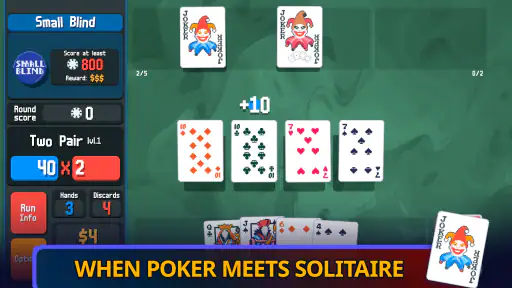
Balatro is a card game built around the idea of “When Poker Meets Solitaire.” Its focus is combining familiar card-game elements in a distinctive way, making it a pick for players who enjoy thinking through their moves. The developer is Playstack, and the game is rated Everyone 10+. Expect a card-focused experience rather than a creativity or productivity tool.
What is Balatro and what can I expect from it?
Balatro is an innovative app designed to enhance your creativity and productivity by providing a platform for creating and sharing digital content. Users can expect a seamless experience with a variety of tools that allow them to design, collaborate, and publish their projects easily. Whether you're a professional or a hobbyist, Balatro offers features that cater to all your creative needs.
Is Balatro free to use or does it require a subscription?
Balatro offers a free version with basic features that can be used indefinitely. However, for users looking to access advanced tools and additional content, a subscription to Balatro Pro is available. This premium version provides exclusive features and resources that help enhance your experience, making it ideal for more demanding projects.
What platforms is Balatro available on, and how do I download it?
Balatro is available on both Android and iOS platforms, ensuring accessibility across a wide range of devices. Users can download the app from the Google Play Store for Android devices or the Apple App Store for iOS devices. Simply search for "Balatro" in the respective store, and follow the instructions to download and install the app on your device.
How user-friendly is Balatro for beginners?
Balatro is designed with user-friendliness in mind, making it accessible for beginners and experts alike. The app features an intuitive interface with easy-to-follow tutorials and guides, allowing new users to navigate and utilize its tools effectively. Additionally, Balatro's community support and online resources provide further assistance to help users maximize their experience.
Pros
- Intuitive user interface design.
- Seamless integration with other apps.
- High-quality performance and speed.
- Regular updates and improvements.
- Customizable settings and preferences.
Cons
- Limited offline functionality.
- Occasional bugs in the system.
- High battery consumption.
- Requires a stable internet connection.
- Limited customer support options.
- Category
- Card
- Version
- 0.3