Age of Ishtaria - A.Battle RPG
- 24.22K
- 3.3
- Installs
- 1.00M
- Price
- Free

Screenshots

Analysis by Reviewed
I approached Age of Ishtaria - A.Battle RPG expecting a mobile card game with a strong role-playing layer, and that is still the best way to understand it. It is a free game from Mynet Games Inc. that combines collectible-card battles with a fantasy adventure setting. The result is more involved than a quick solitaire-style card title, but it also asks for more patience than a simple pick-up-and-play game.
My first impression was that this is built for players who enjoy making gradual progress. You are not just matching cards or finishing isolated rounds; the appeal comes from building a collection, improving a team, and deciding how much time and attention to invest in each session. That makes it a reasonable companion for short breaks, although the broader experience becomes more demanding once you start caring about efficiency and long-term growth.
The game has been available since October 15, 2014, and its continued presence is reflected in its reach: it has passed one million installs. Its current version is 1.0.70, and it runs on Android 5.0 or later. Those details matter because this is an older mobile title that has continued through multiple stages of the Android ecosystem rather than a newly launched experiment.
How the current version feels to play
A card RPG that rewards planning more than reflexes
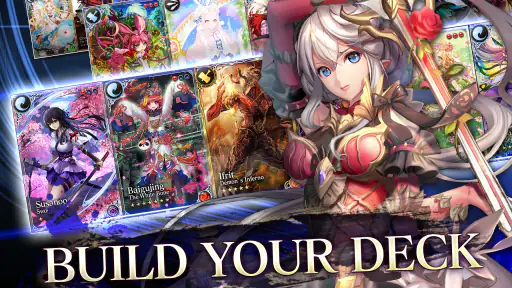
The central attraction is the meeting point between card collecting and role-playing progression. I found that the game makes more sense when treated as a long-term collection project instead of a quick battle toy. Each decision about which cards to keep, improve, or use together has more weight than it would in a purely casual card game.
That structure gives the game a particular rhythm. A short visit can be useful for checking progress or handling a few tasks, while a longer session is better suited to sorting through the collection and thinking about the next upgrade. If you like games where small improvements accumulate over time, this design can be satisfying. If you want every match to feel complete on its own, the ongoing progression may feel like work.
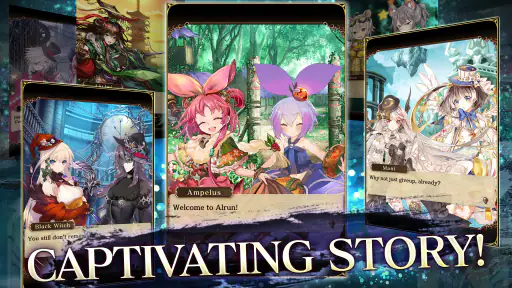
I also noticed that the fantasy presentation supports the card format without completely hiding it. The game is still about menus, selections, rewards, and team decisions, but the role-playing framing gives those actions a sense of purpose. You are not simply moving cards through a spreadsheet-like system; you are building toward a stronger party within a larger adventure.
What makes the collection meaningful
The collection is not valuable only because it contains more cards. The more important question is whether a card fits the way you want to play. A larger roster gives you more room to experiment, but it also creates a sorting problem. New players can easily spend time looking at additions without having a clear rule for what deserves attention first.
My practical advice is to establish a simple priority early: keep a dependable group for regular progress, then reserve spare resources for testing alternatives. This prevents the common mistake of spreading every improvement across too many cards. In a game like this, a modestly developed core is usually easier to manage than a wide collection where nothing feels ready.
Another useful habit is to review the roster before spending anything. It is tempting to improve the newest or most visually appealing card, but that is not always the best use of limited resources. I would first ask whether the card fills a gap, improves an existing combination, or offers a worthwhile alternative for a difficult encounter. That small pause makes the collection feel strategic rather than merely accumulative.
Why the free entry point is appealing
Age of Ishtaria is free to download, which makes it easy to try without committing money at the beginning. The game is marked for Teen audiences, so I would not treat it as a title designed specifically for young children. Its tone and progression are better suited to players who are comfortable with fantasy combat, collection systems, and the need to make choices about optional spending.
The free model is also where I felt the first important trade-off. In-app purchases range from $0.99 to $99.99 per item. That broad range means a casual player and a highly invested collector may approach the same game very differently. I could enjoy the basic loop without immediately paying, but anyone chasing faster progress needs to think carefully about how much acceleration is actually worth it.
My strongest recommendation is to decide on a spending limit before the collection becomes emotionally important. A new card or gift can feel more valuable when it arrives during a difficult stretch, yet that is exactly when an impulsive purchase is easiest. Playing for a while first gives you a better sense of whether the game’s normal pace suits you.
Reading the store signals realistically
The game holds an average rating of 3.3 from around 87 thousand ratings, alongside roughly 24 thousand written reviews. I read that as a sign of a divided audience rather than an automatic warning. There is clearly enough here to attract and retain a substantial player base, but the experience is not universally smooth or equally rewarding for everyone.
In my view, the rating makes sense for a long-running collection RPG. Players who enjoy the fantasy-card identity may forgive slower progress or a busy interface, while players expecting a modern, immediately transparent mobile game may judge those same traits harshly. The important question is not whether every player likes it, but whether its older, progression-heavy structure matches your habits.
How it fits an ordinary day
A realistic use case is a commute or lunch break where I have a few minutes, but not enough time for a console-length session. I can open the game, check the current state of my team, make a focused improvement, and leave without needing to treat the visit as a major event. Later, when I have more time, I can return to the collection and make more deliberate choices.
That flexibility is one of its better qualities, but it depends on self-control. The game can turn a short check-in into a longer session because progression systems naturally encourage “one more” improvement. I would recommend it to someone who enjoys that kind of gradual routine, not to someone who wants a clearly defined beginning and end every time they play.
What the version history suggests
The presence of version 1.0.70 tells me that the game has undergone ongoing maintenance and iteration rather than remaining frozen at its original launch state. That is useful context for existing users: the title has had a long enough life to reach a mature release number, so returning players are not simply stepping back into the exact shape of the original 2014 product.
At the same time, a version number alone is not proof that every modern expectation has been addressed. I would separate the confirmed fact of continued version development from assumptions about specific improvements. The safest conclusion is that the game has evolved over time, while the actual value of that evolution depends on whether the current interface, pacing, and collection balance suit you.
For a returning player, the practical approach is to spend the first session observing rather than immediately rebuilding everything. Check how the current roster is organized, identify what has changed in your available options, and only then decide where to invest. Returning users often waste resources by acting on memories of an older version.
Where the older design can create friction
The main weakness I felt is that the game’s layered progression can make it harder to understand than its basic card premise suggests. There is a difference between knowing what to tap and knowing why one choice is better than another. New players may move through the early experience successfully while still lacking a clear plan for building a stronger collection.
I also think the game is less suitable for people who dislike repeated management. A card RPG asks you to inspect rewards, compare options, and decide what deserves attention. That work is part of the appeal for enthusiasts, but it can feel like administrative overhead for anyone who wants a clean battle loop.
The age of the product can matter here as well. A long-running game may have accumulated systems and conventions that make sense to established players but are not immediately obvious to newcomers. I would not call that a fatal problem, but I would expect to learn through experimentation rather than understand every important decision at once.
Who should choose it, and who should skip it
I would recommend it to players who enjoy fantasy settings, collectible cards, and gradual character or team development. It is especially suitable if you like returning to the same game regularly, making small improvements, and comparing different approaches instead of searching for a single perfect strategy.
I would be more cautious about recommending it to someone who wants a competitive card game with extremely clear rules and minimal progression friction. A dedicated strategy card alternative may be better if your priority is direct tactical depth in self-contained matches. Likewise, a lighter casual card game is a better fit if you want something that requires almost no collection management.
It is also not my first choice for anyone who feels uncomfortable around optional purchases. The free starting point is helpful, but the in-app purchase range means the financial side should be considered part of the experience. You can approach it as a free hobby, but you should not assume that every part of the long-term progression will feel equally comfortable without spending.
Three habits that improve the experience
First, I would avoid treating every reward as an immediate upgrade. Keep a small record, even mentally, of which cards are carrying your current progress and which ones are merely interesting. This makes future decisions faster and prevents the collection from becoming a pile of unexamined possibilities.
Second, separate experimentation from commitment. Try unfamiliar cards when the cost of failure is low, but protect the resources that support your dependable group. This creates room to learn without sacrificing the progress you rely on for routine play.
Third, use short sessions for maintenance and longer sessions for planning. Opening the game only to make random upgrades is less effective than using brief visits to review the roster and saving deeper decisions for when you can concentrate. That workflow reduces impulsive choices and makes the RPG layer feel more deliberate.
What existing players should watch next
For current users, I would pay attention to how future updates affect the balance between collection growth and everyday usability. The most meaningful improvements would be those that make decisions easier to understand without removing the reasons to keep building a roster. A smoother experience is valuable, but the game still needs enough choice to remain a card RPG rather than becoming a routine checklist.
I would also watch how the free path feels over time. The important issue is not simply whether optional purchases exist, but whether a player can maintain a satisfying rhythm without feeling pushed to accelerate every obstacle. Since the title offers purchases from very small amounts up to $99.99 per item, personal boundaries remain important even if the underlying game is enjoyable.
New users should watch their own reaction to the first extended stretch of play. If you enjoy sorting, improving, and returning to a growing collection, that is a positive sign. If the menus and repeated decisions already feel tiring, the problem is unlikely to disappear just because the roster becomes larger.
My recommendation after spending time with it
Age of Ishtaria - A.Battle RPG is an established mobile card game with a clear identity: fantasy collection, role-playing progression, and a routine built around steady improvement. I like that it gives short sessions a purpose while leaving room for deeper planning, and I think its long-running nature will appeal to players who enjoy settling into a game rather than finishing it quickly.
Its limitations are just as important. The progression can be difficult to read at first, collection management demands patience, and the purchase structure deserves a firm personal budget. The average rating of 3.3 reflects that mixed appeal, while the large install base shows that the game still reaches plenty of people who enjoy its particular formula.
My final view is that this is worth trying if you want a free fantasy card RPG and are comfortable learning its pace gradually. I would approach it as a hobby, not a race, and judge it by whether its collection decisions remain enjoyable after the initial novelty fades. If you want instant clarity, minimal management, or completely self-contained card matches, another option will probably serve you better.
Pros
- Turn-based combat is easy to learn but still offers tactical depth.
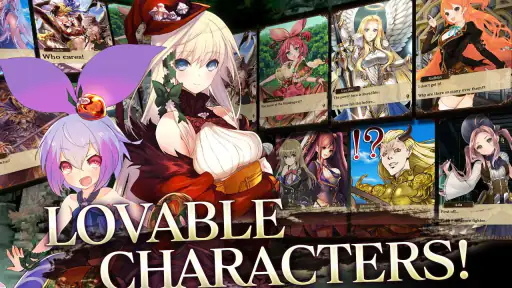
- Large roster of heroes supports varied team-building strategies.
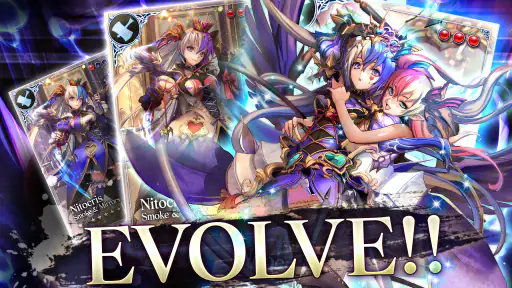
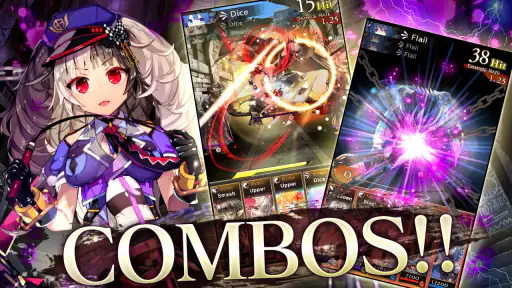
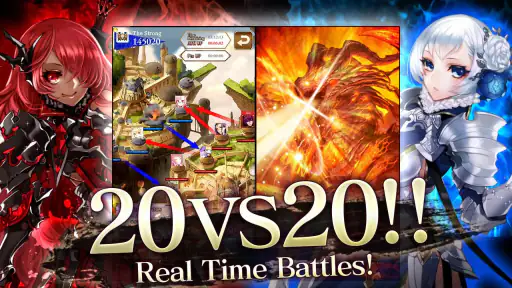
- Stylish anime artwork gives battles and characters a distinctive look.
- Frequent events provide additional quests
- rewards
- and limited content.
- Guild features add cooperative goals beyond the main story.
Cons
- Progress can feel grind-heavy when upgrading several characters at once.
- Limited-time units and events may pressure players to spend resources quickly.
- The interface can feel crowded for new players learning every system.
- Older devices may experience slower loading during menus and battles.
- Story and mission text are not always equally engaging throughout the game.

- Category
- Card
- Version
- 1.0.70