Aftermagic - Roguelike RPG
- 235.00
- 4.5
- Installs
- 100.00K
- Price
- Free

Screenshots
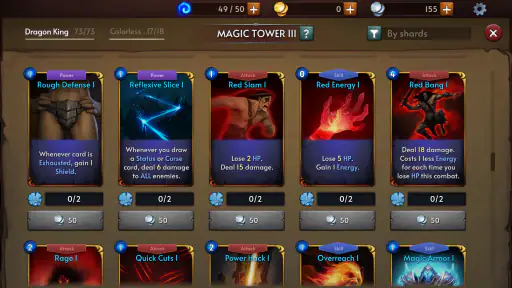
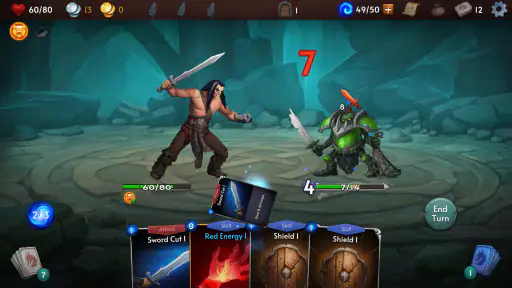
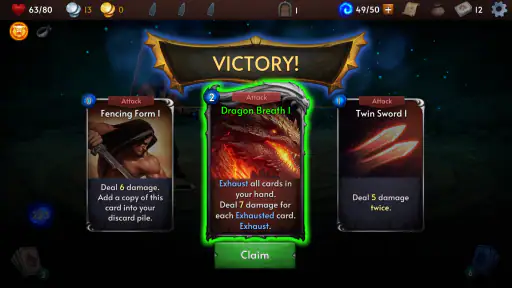
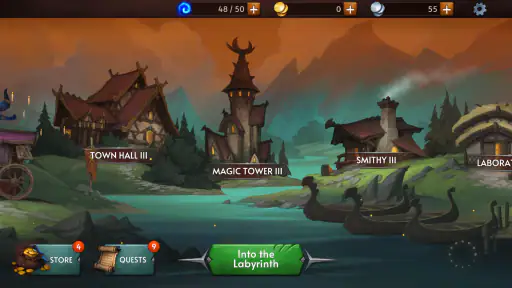
Analysis by Reviewed
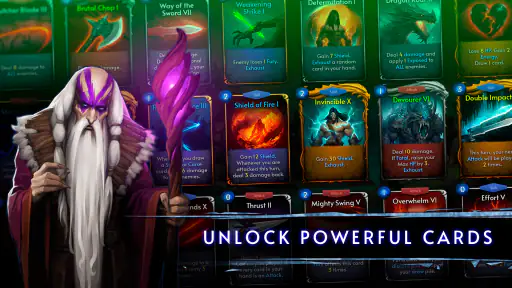
I tend to judge a mobile card game by a practical question: does it give me interesting decisions in short sessions, or does it ask me to commit to a long campaign before the fun begins? Aftermagic - Roguelike RPG caught my attention because it puts deckbuilding at the center of a fantasy adventure. It is a free card game from Golden Dragon Games LLC, with an Everyone 10+ rating, and its focus on building a deck from distinctive cards gives it a clearer identity than a straightforward digital version of a familiar tabletop game.
What I would look for before starting
For me, the key choice is whether you enjoy adapting a strategy as a run unfolds. A deckbuilding roguelike is most appealing when you like weighing a card’s immediate value against how it changes the rest of your choices. If you usually prefer a fixed deck, predictable matches, or a traditional card table, this kind of progression may feel less comfortable. I would approach each run as an experiment rather than expect to settle on one perfect setup straight away.
That makes the game a good fit for someone who enjoys fantasy themes but wants decisions to matter more than collecting cards for its own sake. It may also suit a quick break: I can imagine opening it while waiting for an appointment, making a few choices, then returning later when I have more time. The useful habit is to pause at each new card and ask what role it fills, instead of choosing only the flashiest-looking option. That small bit of planning can keep a deck from becoming a pile of individually appealing cards that do not work together.
How to decide whether its pace suits you
Before choosing it over another mobile card game, I would think about what I want from a session. If I want a puzzle-like challenge that changes as I go, this style has an advantage over matching games and solitaire, where the central rules stay familiar from one round to the next. If I want a direct contest against another player, a conventional competitive card game is likely a better fit. The appeal here is less about mastering one static format and more about making a workable plan from the choices a run presents.
A useful way to test that fit is to notice how you react when an attractive card does not support your current direction. Taking it just because it looks powerful can make the deck less coherent; passing on it may feel disappointing in the moment but leave room for a more consistent strategy. I would treat those decisions as part of the entertainment, not as a test with one obvious correct answer. Players who enjoy adjusting their plan should find that uncertainty engaging, while players who want a dependable routine may find it tiring.
The game is free to download, but optional in-app purchases range from $0.99 to $99.99 per item. I would set a personal spending limit before exploring those options, especially if I am trying the game casually. There is no reason to make a purchase the first measure of whether the game suits me: I would first see whether its basic card-and-challenge loop keeps me interested. That approach is particularly helpful for a newcomer, because it separates genuine enjoyment of the game from the temptation to spend in pursuit of progress.
Embarking on the Adventure
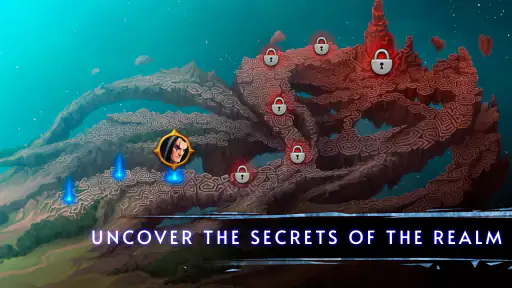
At first glance, Aftermagic - Roguelike RPG might seem like just another RPG, but once you dive in, you’ll realize it's a treasure trove of excitement. The game kicks off with a stunningly designed world map that beckons you to explore its depths. Each dungeon you enter is a new challenge, with randomly generated layouts ensuring no two playthroughs are the same. This unpredictability keeps the excitement levels high and the gameplay fresh.
More From Our News Desk

Weather by Xiaomi Review: Clear at a Glance, Less Clear Up Close

X Under Pressure: Can It Recover When Posting Goes Wrong?

Clash of Clans Is Won Between the Battles

Android Auto Makes the Case for Quieter Car Software

MobiOffice: Transforming Mobile Productivity with Seamless Integration

EA SPORTS FC™ Mobile Soccer: Redefining Mobile Sports Gaming
Gameplay Mechanics and Controls
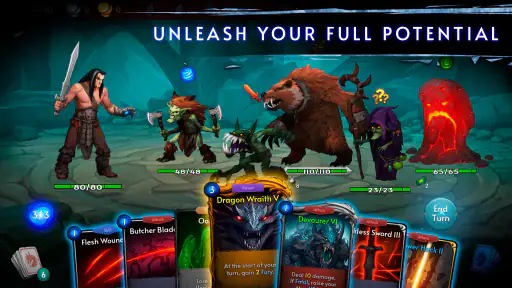
The controls are intuitive, making it easy for both seasoned gamers and newcomers to navigate through this mystical universe. What I particularly love is how the game manages to balance complexity and simplicity. You have a range of spells and abilities at your disposal, each with unique effects that can turn the tide of battle in your favor. Whether you're a fan of blasting enemies with fireballs or prefer the subtlety of stealth, there's something in here for everyone.
The practical trade-off with a changing dungeon layout is that a familiar route cannot do all the work for you. I would treat a run as a series of small decisions: consider what a spell or ability contributes, then adjust when the next challenge asks something different. That approach is more satisfying than trying to force one strategy through every encounter. If you want a game where every session follows the same rhythm, the shifting structure may instead feel like unwanted uncertainty.
Visuals and Soundtrack
Visually, the game is a feast for the eyes. The developers have done a stellar job in crafting a world that is rich in detail and vibrant in color. Every character, from the lowliest goblin to the mightiest dragon, is rendered with care. The soundtrack is equally impressive, with tunes that enhance the immersive experience, drawing you deeper into the game’s narrative.
On a busy day, I would use the visuals and music as atmosphere rather than a reason to keep playing longer than planned. If I were playing in a noisy place or wanted a quieter break, I would judge the experience by whether the card choices remain enjoyable without relying on the soundtrack to carry the moment. Compared with a bare-bones card battler, the fantasy presentation gives this one more sense of place; compared with a story-first role-playing game, the attraction is the tactical loop, not simply watching a narrative unfold.
Making the most of a run
One small but useful discipline is to review a card choice in terms of the deck you already have, not the deck you hope to build later. A spell that would be excellent in a different setup may not help the current one, and a modest option can be valuable if it fills a gap. I would also pay attention to whether a choice gives me flexibility for uncertain encounters or commits me to a narrow plan. That distinction matters more when layouts vary, since a strategy that depends on one predictable sequence is harder to rely on.
For a short session, I would avoid beginning a run when I have only a moment to spare and know I will be distracted. Even if the game can fit into breaks, the decisions deserve enough attention to be enjoyable. A realistic routine might be to play during a quiet part of lunch, pause after a meaningful choice, and return when I can focus again. If I am commuting or waiting somewhere noisy, I would keep the goal modest: explore at my own pace rather than trying to rush through a challenge just to fill the time.
Challenges and Rewards
One of the game’s standout features is its rewarding challenge system. As you delve deeper into the dungeons, the difficulty ramps up, requiring you to think strategically about your next move. The sense of accomplishment after defeating a particularly tough boss is immensely satisfying. Plus, the loot you collect along the way is not just for show; it genuinely helps you progress and face even tougher challenges ahead.
For a newcomer, I would avoid judging the game by a single difficult encounter. A setback can be a cue to reconsider how a deck is put together, rather than proof that the whole approach is wrong. This is where the roguelike format can reward patience, but it can also frustrate anyone who dislikes repeating a challenge while trying new decisions. Players who want a relaxed, low-pressure card pastime may be happier with a simpler matching or solitaire-style game; players who want every match to be a direct contest may prefer a conventional head-to-head card game.
There is a useful difference between a hard run that teaches me something and one that simply makes me want to stop. When a challenge exposes a weakness in my choices, I can take that lesson into the next attempt and see whether a different approach works better. But if I do not enjoy learning through setbacks, the same loop can feel like friction rather than progress. I would give the game a fair try, while also being honest about whether retrying and adapting are actually the parts I enjoy.
How it fits into a mobile routine
A realistic way to try it is to start a session when you have a little breathing room, not in the middle of something that needs constant attention. On a commute or during a lunch break, I would make one deliberate choice at a time and stop when I needed to, rather than rush through card decisions just to finish. If you are choosing between this and a more conventional card game, the deciding point is whether you want a fantasy progression and changing dungeon challenges, or a familiar ruleset you can play without adapting a build.
For someone who is new to deckbuilding, I would focus on learning what each choice does for the current plan instead of trying to memorize an ideal strategy. That keeps early runs useful even when they do not go as hoped. It also helps answer a common concern: you do not need to arrive with experience in a traditional card game to understand the broad appeal, but you do need to be comfortable making decisions without knowing exactly how the run will unfold. If you prefer a fixed set of rules and a steady match format, another card game may be easier to settle into.
It is also worth thinking about spending before you settle in. The game is free to download, while optional in-app purchases range from $0.99 to $99.99 per item. I would first see whether the core loop holds my interest without buying anything, then decide whether any optional purchase genuinely adds value for my own play style. The current version is 2.9.0, and it requires Android 7.1 or later. Its average rating is 4.5 from around 7.9 thousand ratings, with over 100 thousand installs, which suggests a sizeable audience without telling me whether its particular style will suit every player.
Those figures are useful context, not a substitute for checking whether the game’s rhythm matches what I want. Its 235 reviews add another sign that people have taken time to share their experience, but no rating can tell me whether I personally enjoy adapting a deck under pressure. I would use the free entry point to make that decision for myself before considering any paid option. The key question is not whether the game is broadly popular; it is whether its particular mix of fantasy, card choices, and changing challenges keeps me engaged.
One question a prospective player may have is whether this is a good first deckbuilding game. I think it can be, if you enjoy learning through experimentation and accept that a run may not go to plan; if you want every rule and outcome to feel familiar immediately, a simpler card game is the gentler starting point. Another consideration is age: the Everyone 10+ rating makes it worth checking whether that guidance suits the person who will play. The game is developed by Golden Dragon Games LLC, and its card-focused approach is a more useful point of comparison than treating it as a general-purpose RPG.
On device choice, the stated Android requirement is 7.1 or later, so I would check that before planning to install it on an older phone or tablet. I would also consider where I tend to play: a person who likes reading a run’s choices carefully may prefer a calm setting, while someone looking for a game to dip into amid frequent interruptions may be better served by a simpler, instantly familiar card pastime. That is not a reason to avoid it; it is a practical way to choose the right moment and expectation for trying it.
For players comparing it with other fantasy card games, I would look beyond theme and ask what kind of progress feels rewarding. A fixed-deck or head-to-head alternative puts more emphasis on refining a known setup or facing another player directly. A lightweight casual card game is better when I want low-stakes repetition without much planning. This one is the more appealing option when I want a solo-feeling adventure shaped by changing choices, provided I am willing to accept that not every run will follow a comfortable pattern.
In conclusion, Aftermagic - Roguelike RPG is more than just a game; it's an adventure waiting to be experienced. With its engaging gameplay, stunning visuals, and captivating soundtrack, it offers a comprehensive RPG experience that is hard to put down. Whether you’re looking to kill time or immerse yourself in a new world, this app is a fantastic choice. So, gear up, dive in, and may your magical journey be filled with triumph!
Who I would recommend it to
I would recommend it to players who like fantasy card battles, enjoy revising a strategy as they go, and find discovery more rewarding than repeating a fixed match. I would skip it if my priority were a purely casual card pastime, a predictable competitive format, or an RPG whose main appeal is a carefully guided story. That distinction is the clearest way to decide: choose this when adapting your deck and responding to dungeon challenges sounds fun, and choose another kind of card game when you want something more familiar or less demanding. For the right player, its changing runs make it a distinctive option; the best way to approach it is with curiosity, a little patience, and no pressure to buy anything before you know you enjoy the loop.
Aftermagic - Roguelike RPG Frequently Asked Questions
Is Aftermagic - Roguelike RPG free to download, and what should I know about optional spending?
Aftermagic - Roguelike RPG is free to download, so you can try its card-based roguelike gameplay without paying upfront. It also offers optional in-app purchases, with prices ranging from $0.99 to $99.99 per item. These purchases are not required to start playing, but it is worth checking your spending preferences before downloading, especially if you want to avoid accidental purchases.
What age group is Aftermagic - Roguelike RPG intended for?
Aftermagic has an Everyone 10+ content rating, making it generally suitable for players aged 10 and older. Its fantasy theme and challenging battles may appeal to younger players who enjoy strategic games, as well as adults looking for a mobile card game. Parents can use the age rating as a guide and consider whether the game’s combat and purchase options suit their household.
What is Aftermagic - Roguelike RPG about?
Aftermagic - Roguelike RPG is an engaging mobile role-playing game that combines elements of traditional roguelikes with modern RPG features. Players embark on procedurally generated adventures, facing challenging enemies and exploring mysterious dungeons. The game offers a unique storyline, diverse character classes, and a variety of magical items to discover, making each playthrough a new experience.
How does the gameplay in Aftermagic differ from other RPGs?
Unlike traditional RPGs, Aftermagic features permadeath, meaning once a player’s character dies, they must start over from the beginning. This adds a layer of difficulty and encourages strategic planning. Players can choose from various character classes, each with unique abilities, and must navigate through randomly generated levels filled with enemies and loot. The game emphasizes tactical combat and resource management.
Is Aftermagic suitable for casual gamers?
Aftermagic - Roguelike RPG may pose a challenge to casual gamers due to its permadeath feature and strategic depth. However, it is designed to be accessible, with intuitive controls and a gradual learning curve. Casual players may enjoy the game if they appreciate challenging gameplay and are willing to invest time in mastering its mechanics.
Pros
- Engaging story keeps players hooked.
- Unique character design and abilities.
- Endless dungeon crawling for replayability.
- Intuitive controls enhance gameplay.
- Regular updates with new content.
Cons
- High difficulty curve for beginners.
- Limited tutorial for new players.
- Requires constant internet connection.
- In-app purchases for faster progress.
- Occasional bugs disrupt gameplay.
- Category
- Card
- Version
- 2.9.0