A Webbing Journey
- 190.00
- 4.5
- Installs
- 1.00M
- Price
- Free

Screenshots
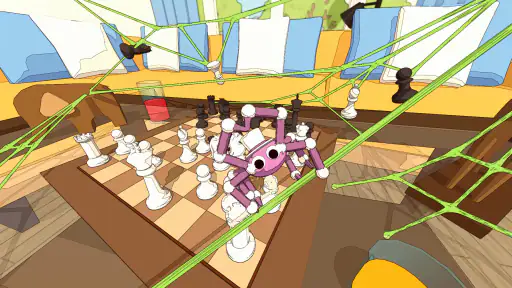
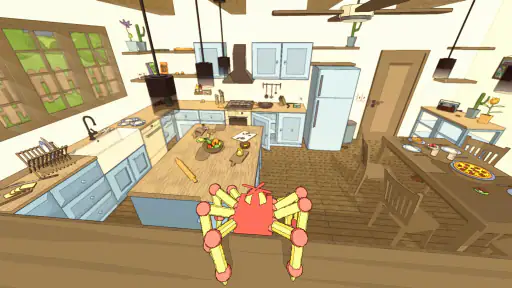

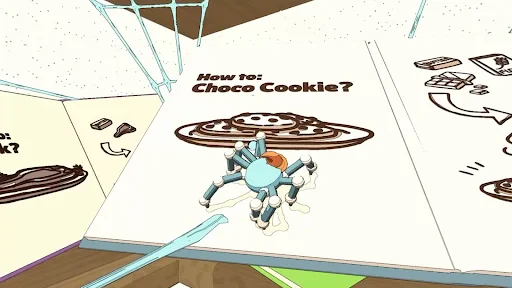
Analysis by Reviewed
I’m drawn to games that turn a small idea into a reason to explore, and A Webbing Journey has a nicely focused hook: you guide a spider through spaces where movement and problem-solving depend on the webs you make. That gives this adventure game a playful identity rather than making it feel like another sequence of routine levels. It is free, made by Fire Totem Games, and rated for Everyone, so it is easy to consider as a low-pressure pick for a quiet break.
A different pace from action adventures
The appeal here is less about rushing through combat or following a heavily scripted story and more about seeing what the environment lets you do. Compared with the usual mobile adventure game, where progress often comes from tapping through objectives or repeating familiar challenges, this one puts physical movement and experimentation at the center. That shift is its clearest strength: a web can be a route, a tool, or simply an excuse to try a silly idea and see whether it works.
That freedom also affects how I would approach a puzzle. If a direct route seems awkward, I’d pause and look for another surface or angle rather than keep forcing the same attempt. A small change in where you attach a web can alter the whole movement sequence. This is a useful habit for players who get stuck: treat a failed attempt as information about the space, not just a mistake to repeat faster.
Where the physics can ask for patience
Physics-based play is satisfying when movement clicks, but it can also feel less precise than a conventional platform game. A swing or web placement may not behave exactly as you expect, especially if you want a clean, quick solution. I see that as part of the trade-off rather than a deal-breaker: the game’s central pleasure is experimenting, so players who prefer exact timing and predictable jumps may find the same looseness frustrating.
It is also worth choosing the right moment to play. This is a better fit for a short stretch when you can give a puzzle a little attention than for a distracted minute in which you need instant progress. For example, I’d pick it while winding down after dinner, try a couple of approaches to one tricky obstacle, and stop when I’ve had enough rather than turn the session into a race. Its calm, playful premise suits that kind of break better than a competitive game demanding constant focus.
Who will enjoy building a way through
I’d recommend it to curious players who enjoy tinkering, gentle exploration, and seeing a solution emerge from trial and error. It can also suit someone looking for an approachable game to share the idea of problem-solving with a younger player, especially given its Everyone rating. The rating is a useful guide to its broad audience, though a child who dislikes experimenting may still prefer a more direct game with obvious goals and immediate rewards.
If you mainly want a tightly guided story, fast action, or levels built around precise platforming, this probably isn’t the adventure I’d choose first. A conventional platformer is a better match when you want consistent jumps and clear forward momentum; this game asks you to enjoy the process of making your own route. That distinction matters more than whether you usually call yourself a casual or dedicated gamer.
More From Our News Desk

Weather by Xiaomi Review: Clear at a Glance, Less Clear Up Close

X Under Pressure: Can It Recover When Posting Goes Wrong?

Clash of Clans Is Won Between the Battles

Android Auto Makes the Case for Quieter Car Software

MobiOffice: Transforming Mobile Productivity with Seamless Integration

EA SPORTS FC™ Mobile Soccer: Redefining Mobile Sports Gaming
Getting Tangled in the Gameplay
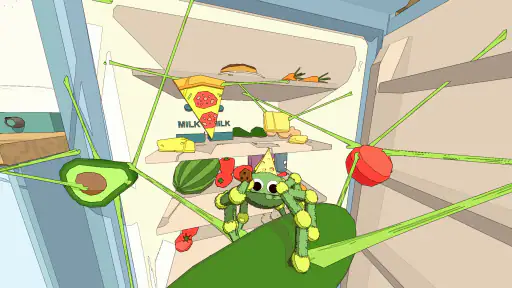
From the get-go, A Webbing Journey captivates with its simple yet engaging gameplay mechanics. You play as a spider navigating through a beautifully crafted world, spinning webs to solve puzzles and overcome obstacles. The controls are intuitive, making it easy for anyone to pick up and play, yet there's enough depth to keep seasoned gamers interested. The game’s physics engine deserves a special mention. It’s incredibly satisfying to swing from branch to branch, weaving webs to create your own paths.
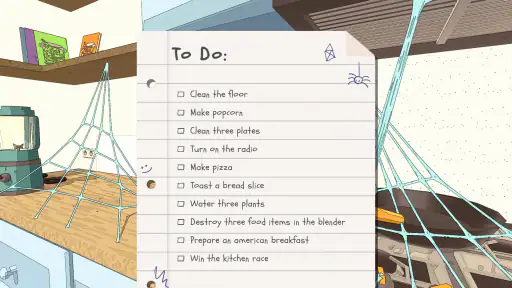
What I particularly love about this game is how it encourages creativity. There’s no right or wrong way to complete a level. You could take the straightforward route or spend time constructing elaborate webs, experimenting with different strategies. This freedom makes each playthrough feel fresh and exciting.
A Visual and Auditory Delight
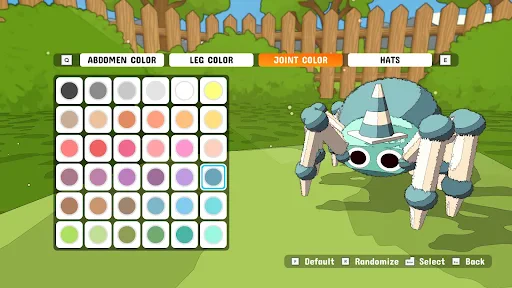
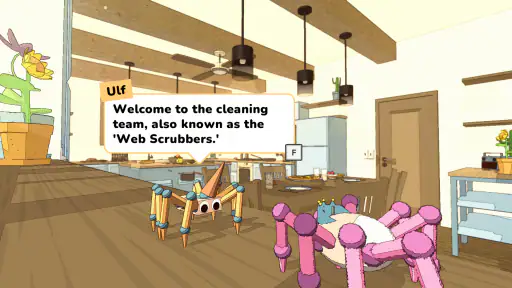
The visuals in A Webbing Journey are nothing short of stunning. The art style is vibrant and whimsical, perfectly complementing the light-hearted nature of the game. Each level is a new feast for the eyes, with beautifully designed environments that make you want to explore every nook and cranny. And let’s not forget the music. The soundtrack is a delightful mix of soothing melodies that enhance the overall experience without overshadowing the gameplay.
Sound effects are equally impressive, adding a layer of realism to the game. Whether it’s the soft rustle of leaves or the gentle pluck of a web strand, each sound is meticulously crafted to immerse you further into the world.
Why You Should Spin Your Own Web
So, why should you give A Webbing Journey a try? Well, aside from its captivating gameplay and stunning visuals, it offers a unique experience that stands out in the crowded mobile gaming market. It’s a game that’s easy to dip into when you have a few minutes to spare, yet challenging enough to keep you coming back for more.
In a world where many games feel like rehashes of the same old formula, A Webbing Journey spins its own tale, offering something genuinely refreshing and fun. Whether you're a casual gamer or a hardcore enthusiast, this game has something for everyone. So why not take a leap of faith and see where your web takes you? Trust me, you won't regret it.
There is a practical question behind that recommendation: does it suit a brief session, and can you enjoy it without treating every obstacle as a test? I think it works best when you have enough time to try, observe, and adjust, even if that is only a small pause in the day. The useful rhythm is to make one change at a time—alter the web’s direction, test the swing, then decide whether the route is worth extending. Building a huge tangle immediately can make it harder to tell which part of your plan helped.
Small habits that make experiments clearer
When a route goes wrong, I’d avoid rebuilding everything from scratch. Keep the part that already gets the spider moving where you want, then change the next connection. That turns trial and error into a simple comparison and makes the physics easier to read. Likewise, if an elaborate web works but feels awkward, try simplifying it; a shorter path can be easier to control and quicker to repeat. These are not shortcuts around the game’s puzzles so much as ways to make its open-ended problem-solving less muddled.
The same approach makes the game a good fit for a shared, low-stakes session. One person can suggest a route while the other tries it, then you can swap ideas when the first plan does not work. I would not choose it for a group that wants constant action or a strict turn-based challenge, but its visible cause-and-effect gives younger or less experienced players a natural way to join in without needing a long explanation.
What to expect before settling in
The game has a 4.5 average from around 6,700 ratings, and it has passed one million installs, so it has found a substantial audience. It launched on May 18, 2023, and version 0.8.11 is the current release. It runs on Android 7.0 or later. Those details make it straightforward to check basic compatibility before installing; the free price also means you can try its particular mix of physics and exploration without committing to a purchase.
One reasonable question is whether the game is still worth trying if you are not especially good at puzzle games. I’d say yes if you enjoy testing ideas, because the fun is not limited to finding the quickest answer. But if you need a precise hint system, a tightly plotted campaign, or a clearly marked next step at all times, the open-ended style may leave you wishing for more direction. The rating and broad age category do not change that personal fit: patience and curiosity matter more than gaming experience here.
Fire Totem Games has made a game whose best moments come from a small, satisfying discovery: a web placed differently can turn a frustrating obstacle into a workable path. I would pick it for relaxed exploration, playful experimentation, or a short shared session, and skip it when I want crisp platforming or nonstop action. Its physics can be unpredictable, but that looseness is also what gives the spider room to improvise. If that trade-off sounds appealing, this is an easy adventure to try.
How it fits into an everyday gaming routine
For me, the strongest practical use is as a palate cleanser between games that demand constant attention. If I have a few minutes before heading out or want something gentler after a busy day, I can focus on one small obstacle rather than commit to a long competitive match. The key is to approach it with a modest goal: find a workable way across, or test whether a new attachment point changes the spider’s swing. That makes a short session feel complete even if I have not explored every corner.
It is less suited to moments when I am likely to be interrupted every few seconds. The satisfaction comes from noticing how a web arrangement affects movement, and frequent distractions make it easier to lose track of what I changed. I also would not choose it when I want a game that rewards rapid reactions above all else. Here, taking a moment to inspect the space is part of the play, not dead time before the action starts.
Choosing between a quick route and a playful one
A useful decision is whether I want to reach an obstacle’s other side or see what else the environment allows. The first goal encourages a simple connection and a direct swing; the second invites detours and more elaborate webbing. I find it helps to decide before experimenting, because mixing the two aims can turn a manageable puzzle into an unnecessarily messy construction project. If the goal is just to progress, I’d favor the least complicated route that works. If I’m relaxing, I’m happier to spend time seeing what happens when I build differently.
This is also where it differs from a typical physics puzzler built around one obvious solution. The appeal is not just identifying the intended answer, but trying a route that feels like your own. That freedom is a real advantage for curious players, but it can be a weakness for anyone who wants crisp objectives and a strong sense that each level has been solved in the one correct way. Neither preference is wrong; it simply changes what counts as a satisfying session.
Who may want another kind of adventure
I would steer players toward a conventional platform game if they mainly enjoy dependable jumps, clear checkpoints, and a steady sequence of challenges. If a mobile adventure is most fun for you when it tells a strong story or keeps introducing new action, the spider’s web-based problem-solving may feel too narrow. Likewise, players who become annoyed when physics produces an unexpected result may find themselves blaming the controls rather than enjoying the experimentation.
On the other hand, someone who likes to test small hypotheses may get more from it than a player who simply wants to clear objectives quickly. A younger player can also enjoy trying out ideas with an adult nearby, but I would let them experiment rather than turn the session into a lesson with a single approved answer. The broad age rating makes it approachable, while the best fit still depends on whether the player enjoys open-ended trial and error.
A measured recommendation
There is enough here to make the game an appealing free download for the right person, particularly if you want a gentle adventure where movement is also the puzzle. Its central idea stays clear, and the satisfaction of finding a route through a space comes from your own choices rather than a rush of action. I would not recommend it as a substitute for a precise platformer or a story-led adventure, but I would happily suggest it to someone who likes to explore and tinker at their own pace.
My verdict is that its looseness is both the feature to seek out and the main reason to be selective. When I am patient, the physics invite playful problem-solving; when I want immediate, predictable progress, they can get in the way. If you are curious about making your own path and can accept a little trial and error, it is well worth trying. If not, a more guided adventure will probably be a better use of your time.
A Webbing Journey Frequently Asked Questions
What kind of game is A Webbing Journey?
A Webbing Journey is an adventure game built around a physics-based sandbox, with players taking control of a cute little spider. Its appeal comes from exploring and interacting with the environment, so it may suit you if you enjoy playful, hands-on gameplay rather than a purely linear experience. The game is free, making it easy to try before deciding whether its style is right for you.
Who developed A Webbing Journey, and is it actively available?
A Webbing Journey was developed by Fire Totem Games and was released on May 18, 2023. The current version is 0.8.11, so check that your device meets the platform requirements before downloading. It has reached over one million installs, giving prospective players a sense of how widely it has been picked up, though your enjoyment will depend on whether its spider-centered sandbox gameplay appeals to you.
What is the main objective of A Webbing Journey?
In A Webbing Journey, players take on the role of a spider exploring a vibrant, hand-crafted world. The main objective is to navigate through various landscapes by spinning webs, solving puzzles, and overcoming obstacles. Players must use strategic thinking and creativity to progress through levels and uncover hidden secrets within the game.
Is A Webbing Journey suitable for all age groups?
A Webbing Journey is designed to be family-friendly and is suitable for players of all ages. The game's intuitive controls and charming visuals make it easy for younger players to enjoy, while the engaging puzzles and exploration elements offer a rewarding experience for older players. It’s a perfect game for both kids and adults looking for a fun and relaxing adventure.
Does A Webbing Journey require an internet connection to play?
A Webbing Journey does not require an internet connection to play, making it a perfect game for on-the-go entertainment. Players can enjoy the game offline without worrying about data usage or connectivity issues. However, an internet connection may be needed for downloading updates or accessing any online features that may be introduced in the future.
Pros
- Engaging gameplay with unique mechanics.
- Stunning graphics and immersive sound design.
- Challenging levels keep players hooked.
- Regular updates with new content.
- Support for multiple languages.
Cons
- In-app purchases can be pricey.
- Some levels feel repetitive.
- Occasional bugs disrupt gameplay.
- Requires internet connection to play.
- High battery consumption on older devices.
- Category
- Adventure
- Version
- 0.8.11