WatchBox: Watch Collector Game
- 61.00
- 4.8
- Installs
- 10.00K
- Price
- Free
Screenshots
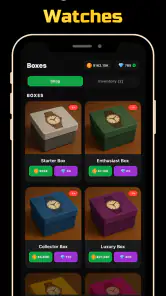
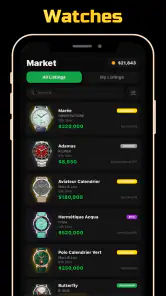
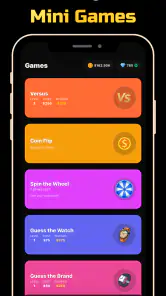
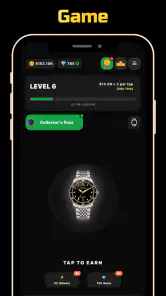
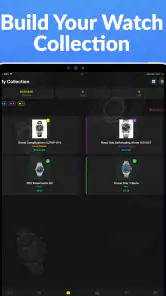
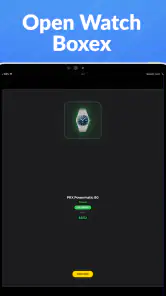
Analysis by Reviewed
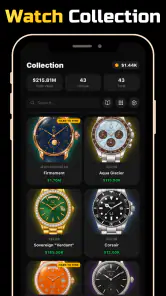
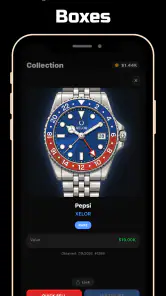
WatchBox: Watch Collector Game is the kind of card game I would open when I want a small, focused hobby rather than a loud, competitive distraction. Its entire appeal is built around collecting watches, so the experience feels closer to organizing a personal display than chasing a complicated campaign. That clear theme gives it an immediate identity, but it also sets an important expectation: this is best approached as a collection-centered game, not as a deep strategy title or a substitute for a full watch-management tool.
I tested it with that distinction in mind. The first question is not simply whether the game is free, but whether its collecting loop suits the way you like to play. If you enjoy gradually building a themed set and checking in for short sessions, the concept is easy to understand and pleasantly approachable. If you need constant action, elaborate battles, or a large story, the narrow focus may feel limiting.
What to consider before choosing WatchBox
The game belongs to the card category and comes from Yellow Umbrella. Its store summary, “Build your watch collection!”, describes the central reason to install it without burying the idea under unrelated mechanics. I appreciate that clarity. You know from the start that the satisfaction should come from finding, arranging, and expanding a collection of watch-themed cards.
My main decision criterion was whether the collecting theme creates enough interest to make repeated visits worthwhile. A collection game succeeds when each new item feels like progress, even if the individual action is simple. It also needs to make returning feel natural rather than turning every session into a chore. WatchBox works best when I treat it as a light routine: open it for a few minutes, review what I have, make a small decision, and leave before the experience becomes repetitive.
A second criterion is accessibility. The game is free to download and carries an Everyone content rating, which makes it easy to consider for casual players and families. It supports devices using Android 7.0 or later, so the minimum system requirement is not especially demanding for compatible Android users. That said, a broad age rating does not automatically mean every player will enjoy it. Younger players may like the visual collection idea, while adults who want detailed horology information may find the game too game-like.
The public response is encouraging: it holds a 4.8 average from around 1.1 thousand ratings, with 61 written reviews and over 10 thousand installs. I would not treat those figures as proof that it fits everyone, but they do suggest that the basic concept is connecting with a real group of players. For me, the more useful takeaway is that this is not an obscure experiment with no visible audience; people are actively trying it and rating the experience positively.
The first sessions are about discovering your preferred rhythm
When I start a collection game, I want to understand its rhythm quickly. WatchBox benefits from its straightforward premise because I do not need to learn a complicated world or memorize a long list of rules before I can form an opinion. The watch theme gives every card a reason to exist inside the same collection, which is more satisfying than gathering unrelated items simply because a progress bar demands it.
I found that the best way to judge the game is to avoid rushing toward completion. Instead, I look at the collection as a personal display and ask which pieces make it feel coherent. That small change in attitude matters. A player who treats every card as a disposable step toward a target may run out of motivation quickly. Someone who enjoys the feeling of curating a set can get more value from the same actions.
There is also a useful practical habit here: decide before playing whether you are collecting for variety or for a particular style. Chasing everything can make a light game feel like a job. Choosing a personal theme, even an informal one, gives each session a clearer purpose and makes the collection easier to appreciate. This is one of the less obvious strengths of the concept: it leaves room for the player to create meaning instead of relying entirely on a story.
Why the watch theme gives it an advantage
Many card games use cards as a delivery system for battles, puzzles, characters, or resource management. WatchBox uses them as collectible objects, and that changes the emotional pace. I am not opening it because I need to defeat an opponent or solve a difficult board. I am opening it because I want to see how the collection develops.
That makes the game a good fit for short breaks. I can imagine using it while waiting for an appointment, taking a quiet pause during the day, or winding down before bed. The theme also makes it easier to recommend to someone who likes watches but does not usually play card games. They do not need to begin with an interest in traditional card mechanics; the collecting idea is the entry point.
The trade-off is equally clear. A focused theme can become repetitive if the act of collecting does not keep feeling meaningful. Players who normally rely on competition, surprise events, or strong narrative momentum may not find enough variety here. I would not install this expecting the tension of a duel or the long-term planning of a strategy card game. Its win condition, in the broadest sense, is the collection itself.
Where the game wins, and where another category may fit better
The strongest part of WatchBox is its low-friction identity. It does not ask me to pretend that a watch collection is a battle system or force the theme into a story it does not need. That makes the experience easy to explain and easy to revisit. The developer, Yellow Umbrella, has chosen a concept that can be understood in one sentence, and that simplicity is valuable on a phone.
It also wins as a gentle alternative to more demanding card games. If I have only a few minutes, I would rather make a small collecting decision than begin a match that requires uninterrupted attention. This is particularly useful for players who enjoy progress but dislike losing a competitive round because real life interrupted them. The collection format feels more forgiving because the focus is on building something over time.
Another advantage is the way the theme can appeal across different kinds of players. A watch enthusiast may enjoy the subject, while a casual gamer may enjoy the familiar card format. Someone who likes organizing digital items can approach it as a visual hobby. That overlap gives the game a broader audience than a niche simulation would have, even though the subject itself remains specific.
Still, I would compare it honestly with the usual alternatives. A traditional collectible card game is a better choice if you want deck construction, tactical matchups, and the satisfaction of outplaying another person. A card battler is more suitable if every session needs a clear opponent and a decisive result. A watch catalog or collection-management app would be better if your goal is practical reference, detailed specifications, or tracking real watches you own. WatchBox sits between those categories: it borrows the pleasure of collecting without becoming a serious database or a competitive card table.
That middle position is both its charm and its limitation. It is less demanding than a strategy game, but it may also feel less substantial. It is more playful than a catalog, but it should not be judged as a source of real-world watch information. I would choose it for mood and routine, not for depth in either of those neighboring categories.
Three ways to get more from the collection loop
My first tip is to use short, deliberate sessions instead of leaving the game open indefinitely. Collection games can lose their appeal when I turn them into background activity. A quick visit gives each new addition more weight and makes it easier to notice how the set is changing.
My second tip is to keep a simple personal rule for spending. The game is free, but its in-app purchases range from $2.99 to $69.99 per item. That is a wide enough range that I would decide in advance whether I am comfortable paying at all, and if so, what limit feels reasonable. The collection theme can make completion feel tempting, so setting a boundary before I become invested is more sensible than making a decision in the middle of a collecting streak.
My third tip is to judge progress by enjoyment rather than by speed. If I focus only on obtaining the next item, the game can start to resemble a checklist. If I pause to consider which pieces make the collection interesting to me, the same progress feels more personal. This approach is especially useful for players who are not naturally competitive but still want a reason to return.
Where competing options may be the better choice
I would steer a player toward another card game if they want complex decisions every turn. WatchBox is not the right recommendation for someone who asks about tactical depth first. The collecting theme may provide a pleasant framework, but it should not be confused with a system built around elaborate hand management or competitive balance.
I would also suggest a different kind of app to anyone who wants to record a real watch collection. A game can make ownership feel satisfying, but it does not replace the practical needs of cataloging serial details, purchase information, maintenance, or insurance records. Those users need a utility, not a themed pastime.
Finally, players who dislike optional purchases should think carefully before starting. The free entry is helpful, yet the presence of paid items can affect how comfortable the long-term experience feels. I cannot call that a deal-breaker for everyone, because some people are happy to enjoy a free game without buying anything. However, anyone who finds collection mechanics and purchase prompts frustrating may prefer a one-time-purchase game or a simpler offline card experience.
Cost, commitment, and the decision to switch
Because WatchBox is free to install, the initial cost of trying it is low. The more important cost is attention. Any collection game asks me to remember what I have, decide what I want next, and return often enough for the hobby to stay alive. If I already play several games with daily routines, adding another one may create more obligation than enjoyment.
The current version is 138.0.0, which tells me the project has reached a mature-looking version number, but I would still judge it by how well the present loop fits my habits rather than by the number itself. A version label cannot make a narrow game feel broad. What matters is whether the act of collecting remains pleasant after the novelty of the watch theme settles.
Switching from a competitive card game to this one is not a simple upgrade or downgrade. It is a change in what counts as progress. In a competitive title, I may measure improvement through decisions and results. Here, I measure it through the shape and completeness of my collection. That makes the switch worthwhile for players seeking a calmer hobby, but disappointing for anyone hoping to transfer advanced card-game skills directly into a new challenge.
The same is true when moving from a real-world watch catalog. A catalog rewards accuracy and organization; WatchBox rewards the feeling of discovery. I would use both only if I wanted two separate experiences: one practical and one playful. Expecting the game to perform the catalog’s job would create frustration that has nothing to do with the game’s central purpose.
For families, the Everyone rating removes one obvious barrier, but I would still explain the purchase model before handing the game to a child. Free access and optional paid items can be easy to misunderstand. For adults, the decision is simpler: install it if you are comfortable treating the collection as entertainment and setting your own spending limit.
Who should install it today
I recommend WatchBox to casual players who enjoy collecting, watch fans who want a light digital hobby, and card-game newcomers who prefer a calm entry point over head-to-head competition. It is also a good match for anyone who likes opening an app briefly and seeing a personal project grow over time.
I would skip it if you need a substantial story, demanding strategy, realistic watch research, or a completely purchase-free environment. Those are not small preferences; they point toward different categories altogether. The game’s narrow idea is a strength only when that idea matches what you want from your phone.
For me, the deciding factor is the balance between theme and commitment. The watch concept is distinctive enough to make a simple card collection feel purposeful, and the free starting point makes experimenting easy. The risk is that the loop may feel too modest once the first excitement fades, especially if I approach it as a completion race.
My recommendation is to try it as a relaxed collecting game, not as a replacement for a competitive card title or a real watch database. Give it a few short sessions, choose a spending boundary before any purchase becomes tempting, and see whether arranging a growing watch collection genuinely relaxes you. With a 4.8 average and over 10 thousand installs, it has clearly found an audience, but its best audience is specific: people who enjoy quiet progress and a focused theme.
In that role, WatchBox: Watch Collector Game is easy to understand, friendly to casual play, and more memorable than a generic card concept. I would keep it installed when I wanted a small hobby with a clear visual identity. I would remove it when I found myself opening it only out of habit. That is the honest test for this game: not whether it offers endless complexity, but whether the collection still feels like something I want to look at tomorrow.
Pros
- Large catalog of watches to discover and collect.
- Relaxing gameplay with no fast reflexes or combat required.
- Simple interface that is easy to understand.
- Collection progress gives the game a satisfying long-term goal.
- Suitable for short play sessions throughout the day.
Cons
- Some content may require patience or repeated gameplay to unlock.
- The collecting loop can feel repetitive over time.
- Limited appeal for players who are not interested in watches.
- Progress may feel slow without optional purchases or extra rewards.
- Requires an internet connection for some features or updates.
- Category
- Card
- Version
- 138.0.0