The House of Da Vinci
- 4.17K
- 4.4
- Installs
- 500.00K
- Price
- $4.99

Screenshots



Analysis by Reviewed
I can see The House of Da Vinci working especially well as a shared evening game: one person notices a detail in a mechanism, another spots a pattern in the room, and progress becomes a conversation rather than a race. It is a puzzle adventure built around close observation and interacting with objects, so it suits people who enjoy talking through a problem together. I would not choose it for a household looking for quick rounds, competitive play, or a game that can be enjoyed without paying attention to its surroundings.
One device, different ways to play
On a shared device, it helps to agree on who is handling the controls and who is looking for clues. Passing the device back and forth whenever someone has an idea can work, but it can also break concentration while a puzzle is in progress. I prefer having one person explore and manipulate objects while the others suggest what to inspect next; then you can switch roles when you reach a new room. That keeps the play collaborative without turning every small action into a debate.
A practical household routine is to stop at a natural pause rather than handing over the device in the middle of a puzzle. Before putting it away, take a moment to say what you have already tried and which objects still seem relevant. That brief recap makes it easier for someone else to pick up the game later without repeating every interaction. The puzzles reward noticing relationships between objects, so a little shared context can be more useful than simply remembering where you left off.
Set expectations before passing it around
This is a paid game, listed at $4.99, so I would decide in advance whether one person is buying it for their own play or whether the household intends to share access through its device setup. I would not assume that separate household members automatically get separate progress or accounts. If keeping individual play sessions distinct matters to you, check how the relevant store and device handle purchases and game saves before buying; the game itself should not be treated as a family-profile system.
The game is a better fit for a planned stretch of focused play than for a quick distraction between chores. Its room-based puzzle approach encourages you to look carefully and connect clues, and rushing through a session can make it harder to remember what you have examined. I would also keep the device in a comfortable spot when playing together: close inspection is part of the appeal, and a small screen viewed from across a room is less convenient for the person trying to spot a subtle detail.
Age, patience, and trust
The content rating is Everyone, but that does not mean every player will find the puzzles equally approachable. Younger players may enjoy exploring the objects while needing a patient adult or older sibling to help talk through a difficult step. I would offer hints as questions—“What have we not inspected yet?”—instead of immediately taking over. That preserves the satisfaction of solving something, which is a big part of why the game works.
Blue Brain Games s.r.o. has made a puzzle adventure for people willing to slow down and examine its world. Its average rating is 4.4 from around 40 thousand ratings, and it has passed 500 thousand installs. Those figures suggest a well-established audience, but they do not guarantee that its deliberate, hands-on style will suit everyone. For younger players, I would judge fit by their interest in patient problem-solving rather than by the age label alone.
More From Our News Desk

Clash of Clans Is Won Between the Battles

Android Auto Makes the Case for Quieter Car Software

MobiOffice: Transforming Mobile Productivity with Seamless Integration

EA SPORTS FC™ Mobile Soccer: Redefining Mobile Sports Gaming

How Microsoft OneDrive Became a Mobile Productivity Giant

How Google Translate Breaks Language Barriers Effortlessly
Unraveling the Mysteries
As soon as I downloaded The House of Da Vinci, I was hooked. The game throws you into a world filled with secrets and challenges. The storyline is gripping and keeps you on your toes as you try to solve the puzzles and unravel the mysteries hidden within Da Vinci's workshop. Each room you explore is a new puzzle waiting to be solved, and trust me, they are not your run-of-the-mill jigsaw puzzles. These puzzles are designed to make you think, and sometimes, think outside the box.
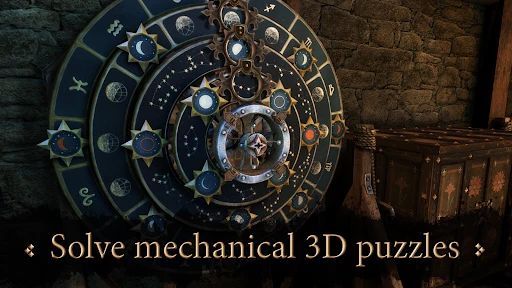
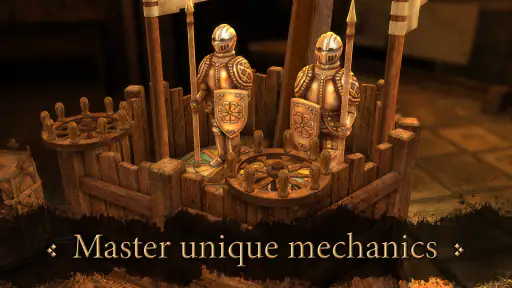
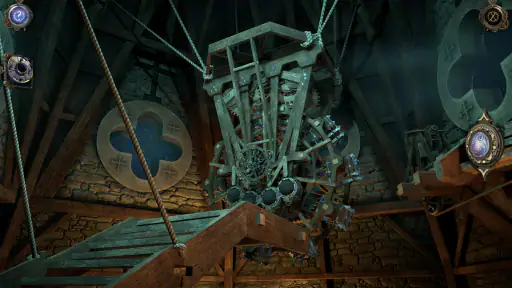
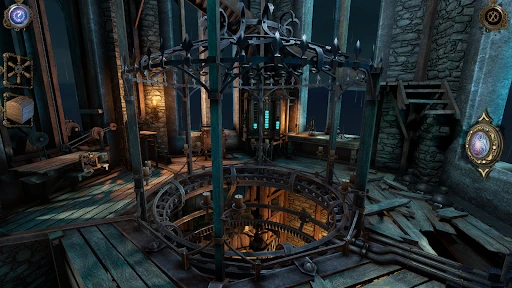
The graphics are stunning. The developers have done an incredible job of bringing the Renaissance period to life. Every detail, from the textures of the wooden furniture to the intricate designs on Da Vinci's inventions, is meticulously crafted. It's like stepping back in time and experiencing the beauty and complexity of Da Vinci's world.
Gameplay and Mechanics
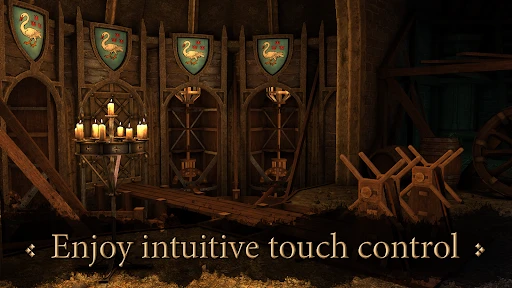
The gameplay is smooth and intuitive. The controls are easy to navigate, making it accessible for players of all ages. I found myself getting lost in the game for hours, trying to solve each puzzle and progress to the next room. The mechanics are well thought out, requiring not just logical thinking but sometimes a bit of creativity. There's a real sense of accomplishment when you finally crack a particularly tough puzzle.
One useful habit is to examine an object from more than one angle before deciding it is merely decoration. In a game built around mechanical contraptions, details that look ornamental can still help you understand how a device is put together. I also try to keep track of what changed after an interaction: if a panel moves or a mechanism responds, that is a clue about what the action accomplished. This kind of deliberate observation is more effective than tapping every visible item at random.
What kind of puzzle game is it?
Compared with a standard jigsaw or a quick logic puzzle, this experience puts more emphasis on exploring a place and working out how its objects relate. That gives it a stronger sense of atmosphere and discovery, but it also means it is not the best alternative when you want a puzzle you can finish in a spare minute. Players who prefer word games, number challenges, or fast levels may find its pace too slow. I would recommend it to someone who likes searching a detailed room and earning progress through careful observation.
It is also worth choosing the right moment to play. If you are tired and want something that asks very little of you, a simple matching game is likely a better fit. When I have time to focus, though, the slower pace becomes a strength: I can look around, test an idea, and enjoy the small satisfaction of seeing a mechanism respond. If you get stuck, stepping away and returning with fresh eyes can be more rewarding than repeatedly trying the same action.
What sets this game apart is its use of historical references and the way it incorporates Da Vinci's actual inventions. It adds a layer of authenticity and educational value to the experience. I felt like I was learning while playing, which is a rare combination in mobile games.
Immersive Experience
The sound design is another aspect that deserves a mention. The ambient sounds, coupled with the background music, create an immersive atmosphere that pulls you deeper into the game. Whether it's the creaking of a wooden door or the ticking of a clock, every sound adds to the authenticity of the experience.
One of my favorite features is the ability to interact with the environment. You can examine objects closely, manipulate them, and see how they fit into the larger puzzle. It's a hands-on experience that makes you feel like a real investigator.
Comfort, compatibility, and the household choice
The game is listed for devices running Android 5.1 or later, and its current version is 1.1.30. If you are deciding whether an older device is suitable, check its operating system before purchasing rather than assuming every phone or tablet will run it. For shared play, a larger screen can make it easier for several people to follow the same close-up inspection, while solo play may feel more natural on the device you already use regularly.
At $4.99, I see it as a focused purchase for someone who values an atmospheric puzzle adventure, not as an all-purpose game for every mood. I would skip it if you want constant action, short self-contained challenges, or a straightforward family game with built-in coordination tools. I would choose it for a curious player—or a patient pair—who enjoys noticing details, discussing possibilities, and returning to a puzzle after a break.
What to expect from a first session
The House of Da Vinci was released on August 25, 2017, and its current version is 1.1.30. That established history matters less than the kind of attention it asks for: I would start when you have enough quiet to look closely, rather than opening it while waiting in a queue and expecting to make easy progress. A first session is best treated as a chance to learn how the rooms communicate clues, not as a race to clear as much as possible.
If you are playing with someone else, try a simple division of attention: one person surveys the whole room, while another focuses on the object currently being manipulated. Then exchange observations before making the next move. This avoids the common trap of having everyone stare at the same detail and miss a clue elsewhere. It also gives younger players a useful role even when they are not yet confident enough to solve every mechanism themselves.
When a hint is better than random tapping
Getting stuck is part of this style of puzzle, but there is a difference between productive uncertainty and repeating actions without learning anything. I find it useful to pause and state the problem in plain language: what needs to happen, what has already moved, and which object might affect it? That small reset often points toward a clue you overlooked. If an experiment produces no visible change, I would move on to another object rather than tapping the same spot again and hoping for a different result.
This approach is especially useful when several people are sharing the screen. A quick verbal summary keeps suggestions tied to evidence instead of turning the room into a guessing contest. It also makes the game easier to resume after a break: leave the next question open, such as which part of a mechanism remains inactive, rather than trying to memorize every action. The trade-off is that this takes patience; anyone seeking instant feedback may prefer a puzzle game with shorter, clearly separated challenges.
Who will enjoy the slower pace?
I think the strongest audience is someone who likes tactile, object-based puzzles and a setting that encourages curiosity. It can suit a couple of friends, a parent and an older child, or a solo player who enjoys lingering over a room. It is less suitable for a group that wants everyone to play independently at once, since the shared screen naturally makes one person’s actions the focus. For that kind of gathering, a turn-based party game or a set of quick brain teasers would be easier to coordinate.
It is also not my first choice for players who want a long stream of fresh, self-contained puzzles with no exploration between them. Here, the pleasure comes from understanding a place and connecting its objects, so the atmosphere and the solving are tied together. If you mainly enjoy abstract number grids or word challenges, those familiar formats may be more satisfying. The appeal is specific: patient observation, mechanical curiosity, and the feeling that a room gradually makes sense.
A household verdict
As a household purchase, I would think of it as one focused activity rather than a general family game. The Everyone rating is reassuring as a content label, but readiness depends on whether a player enjoys careful observation and can handle being stuck without losing interest. I would play alongside a younger child if they need help, and let them lead the search whenever possible. For a household with different tastes, it may work best as an occasional shared session rather than a game everyone is expected to enjoy equally.
At an average rating of 4.4, the game has clearly found players who appreciate its approach, while its 4.2 thousand reviews offer a substantial body of player feedback. I would still make the decision based on the play style rather than popularity: its deliberate pace is the main attraction for the right person and the main obstacle for someone who wants brisk action. If you like examining intricate surroundings and talking through a solution, this is a more distinctive choice than another quick puzzle app.
Final Thoughts
Overall, this is a carefully made game with a clear appeal: it asks you to slow down, explore a distinctive setting, and think through what you find. Its detailed rooms and tactile puzzles give it more character than a basic brain teaser, though that same deliberate style will not suit everyone. For a household, the best experience comes from agreeing on how to share the device and giving each player space to contribute. If that sounds enjoyable, it is worth considering; if you mainly want quick, low-effort play, another kind of puzzle game will probably serve you better.
The House of Da Vinci Frequently Asked Questions
What kind of game is The House of Da Vinci?
The House of Da Vinci is a puzzle game for players who enjoy investigating detailed environments and working through mechanical challenges. Its central activities include solving puzzles, discovering hidden objects, and escaping from rooms. Rather than centering on combat or quick reflexes, it invites you to observe carefully and think through what you find.
Who developed The House of Da Vinci?
The House of Da Vinci was developed by Blue Brain Games s.r.o. The game’s puzzle-focused approach is reflected in its emphasis on exploring rooms, uncovering objects, and solving mechanical challenges. If you are choosing a game based on its creator as well as its style, this developer credit is useful to know before downloading.
What age group is The House of Da Vinci intended for?
The House of Da Vinci has an Everyone content rating, making it suitable for a broad audience. Its main focus is solving puzzles, discovering hidden objects, and escaping from rooms, rather than action-oriented play. Families and puzzle fans can consider its age rating alongside their preferences for thoughtful exploration and mechanical challenges when deciding whether it is a good fit.
When was The House of Da Vinci released, and what is its current version?
The House of Da Vinci was released on August 25, 2017, and its current version is 1.1.30. These details can help you identify the game and understand which version you are considering before downloading. The core appeal remains its puzzle-adventure format, with mechanical challenges, hidden objects, and room-based exploration at the center of play.
Is The House of Da Vinci suitable for players who enjoy escape-room games?
Yes. The House of Da Vinci is a puzzle game built around exploring rooms, examining objects, and solving mechanical challenges. Its escape-room feel comes from working out how the details in each setting fit together, rather than relying on quick reactions. It is a good match for players who enjoy taking their time, noticing small clues, and making steady progress through a mystery.
Pros
- Challenging puzzles for all skill levels.
- Immersive 3D graphics enhance gameplay.
- Intuitive controls make playing easy.
- Unique storyline keeps players engaged.
- Regular updates add new content.
Cons
- Some puzzles can be overly complex.
- Occasional bugs disrupt experience.
- Requires large storage space.
- May drain battery quickly.
- Limited replay value after completion.

- Category
- Puzzle
- Version
- 1.1.30