Tetris®
- 26.03K
- 4.2
- Installs
- 10.00M
- Price
- Free

Screenshots
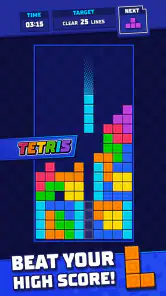

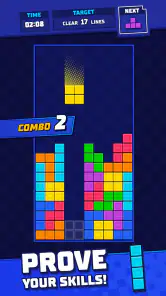
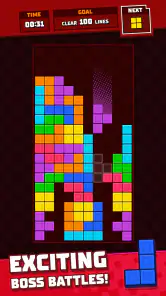
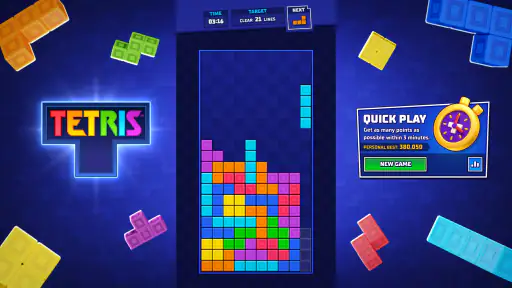
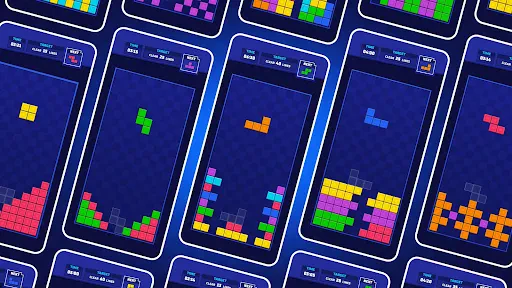
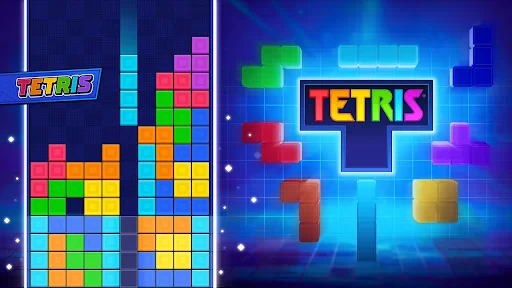
Analysis by Reviewed
So, I've been diving into the world of Tetris®, and let me tell you, it's like meeting an old friend who's still got a few tricks up their sleeve. Whether you're a seasoned player or a newbie, this game has something to offer everyone. Let's break it down, shall we?
Classic Gameplay with a Modern Twist
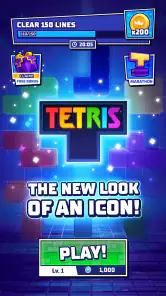
For those who think Tetris® is just about stacking blocks, think again! The core idea remains the same – fit those tetrominoes together without leaving gaps – but this version brings a fresh, modern interface that's smooth and intuitive. The graphics are crisp, and the controls are as responsive as ever. Plus, the new modes and challenges keep you on your toes. Seriously, who knew a game about falling blocks could be so engaging?
First impressions: a puzzle that reads clearly
The game’s strongest first impression is its visual clarity. I can look at the board, spot a risky pile, and understand the next decision without decoding a busy scene or following a story. That makes it easy to pick up after a distraction, though it also means the setting is more about the puzzle’s clean visual language than an elaborate fictional world. If I want atmosphere built from characters and scenery, I would choose a different kind of game; here, the blocks themselves are the focus.
That clarity is useful in small windows of time. A few minutes before an appointment or while waiting for food can be enough to play a meaningful stretch, and I don’t need to recall a plot or a chain of objectives when I return. The trade-off is that a brief session can quickly become absorbing, so I try not to open it when I need to watch the clock closely.
Game Modes Galore
One of the things that really stood out to me was the variety of game modes. There's the classic marathon mode for purists who want to chase that high score. But if you're looking for a bit more spice, try the sprint mode where you have to clear lines as fast as possible. And let’s not forget about the battle mode, where you can face off against friends or random players online. It’s like a puzzle-based showdown, and honestly, it’s a blast.
World language: shape, color, and focus
The game’s art direction works best when it helps me read the board quickly. The geometric pieces and the open spaces between them are the important visual information, so I’m not competing with a complicated environment for attention. That restrained approach gives the play a coherent mood: focused, brisk, and centered on making order from a changing arrangement. I find that more satisfying than decorative effects that obscure where a piece will land.
It also explains who is likely to enjoy this particular take on a familiar puzzle. Players who like a clean, recognizable challenge can settle in quickly, while someone hoping for elaborate world-building may find the presentation spare. I would not choose it for a visual adventure or a relaxing exploration game; I would choose it when arranging shapes is the entertainment rather than a stepping stone to another experience.
More From Our News Desk

Clash of Clans Is Won Between the Battles

Android Auto Makes the Case for Quieter Car Software

MobiOffice: Transforming Mobile Productivity with Seamless Integration

EA SPORTS FC™ Mobile Soccer: Redefining Mobile Sports Gaming

How Microsoft OneDrive Became a Mobile Productivity Giant

How Google Translate Breaks Language Barriers Effortlessly
Mind the Gaps – Strategies and Tips
Okay, so maybe I got a little too into it, but here’s a tip: always keep an eye on the upcoming pieces. Planning ahead is key, and it can be the difference between a perfect clear and a total disaster. Also, don’t underestimate the power of the T-spin. It’s a bit tricky to master, but it can save you in a pinch.
And here's a little secret for you: playing Tetris® is actually a fantastic way to improve your cognitive skills. It helps with spatial reasoning and quick decision-making. So, next time someone tells you to put the phone down, just tell them you’re working on your brainpower!
Sound and rhythm: finding a comfortable pace
Sound is most useful here as part of the play rhythm, not as a substitute for the puzzle. The visual board remains the main source of information, and I can enjoy a session by concentrating on how pieces fit even when audio is not what I’m seeking. When I do want to settle into a focused run, the repeated cycle of looking, deciding, and placing gives the game its own momentum. The pace feels earned by the changing board rather than by a story demanding that I hurry along.
That rhythm can be a drawback when I want a genuinely restful game. A puzzle that continually asks me to react is not always the right companion for winding down, and I would choose a slower, untimed activity when I want to pause and consider each move at leisure. For a commute or a shared room, I would also keep the session short if I need to remain aware of what is happening around me.
Final Thoughts
At the end of the day, Tetris® is not just a game; it's a timeless experience. Whether you're in it for a quick round or a marathon session, it’s got that addictive quality that keeps you coming back for more. So, why not give it a whirl? Who knows, you might just find yourself falling for it all over again.
A familiar puzzle for everyday breaks
What makes this version useful in ordinary life is how easily the basic puzzle fits around a short pause. I can picture opening it while waiting for a delayed appointment, playing until the next piece leaves the board in a satisfying state, then putting the phone away. That flexibility is a better fit for brief, repeat visits than a story-heavy puzzle game that asks me to remember characters, goals, or a long chain of clues.
There is a trade-off, though: the simplicity that makes a quick session approachable can also make repeated play feel samey if I want a changing setting or a strong sense of progression. I would recommend it to someone who enjoys improving through practice, but not to a player looking for a narrative campaign or a puzzle that constantly introduces new rules.
How I approach a crowded board
A practical habit is to avoid building a tall, uneven wall just to clear one line quickly. I try to keep the surface relatively flat and leave a deliberate channel for a long piece, while checking the preview before committing to a placement. The useful nuance is that a planned opening is only helpful while the board remains manageable: if the pieces stop matching the shape I expected, clearing a safer set of lines is wiser than stubbornly preserving a setup.
This is where the game differs from many casual match-and-clear puzzles. There is no leisurely tapping through a fixed arrangement; each placement changes the space available for everything that follows. That creates a satisfying connection between observation and action, but it also means a small lapse can make the board harder to recover. I would choose a slower, untimed puzzle when I want to think without pressure.
Who will enjoy the pace
The game is free, is rated Everyone, and comes from PLAYSTUDIOS US, LLC. It has an average rating of 4.2 from around 437,000 ratings, with more than 10 million installs. Those figures suggest broad reach, but the better reason to try it is personal: the falling-piece format suits players who like quick decisions and gradual skill-building. Its current version is 7.2.3, and it runs on Android 6.0 or later.
It is less suitable if you dislike time pressure, prefer a calm game with no possibility of a sudden mistake, or simply do not enjoy arranging shapes. The controls may feel natural once familiar, yet touch play still asks for deliberate placement; I would take a moment to learn how movement and rotation respond before chasing speed. That small adjustment can make early sessions less frustrating.
Compared with a match-three puzzle, where I can often scan a settled board and choose a move, this game makes every placement reshape the problem under my hands. That is its particular appeal and its main demand. I would recommend it to someone who enjoys spatial planning and quick adjustments, but a more relaxed tile-matching game is a better fit for players who want time to weigh options without a growing stack changing the stakes.
Sound, focus, and the mood of play
The pleasure here comes less from a fictional world than from watching a clear geometric problem become increasingly urgent. The visual language keeps attention on the pieces and open spaces, which supports fast reading of the board rather than pulling me into decorative detail. That restraint is part of the appeal: I can return after a distraction and understand the situation at a glance.
Sound and pacing matter most when I want to settle into a rhythm, but the rising demand can turn a relaxing break into a focused challenge. If I need quiet, I can still enjoy the visual puzzle without treating audio as the main attraction. For a shared setting, I would keep the session short and avoid starting when I need to divide attention between the screen and a conversation.
A small practical tip is to decide what kind of session I want before starting: a short attempt at clearing lines, or a longer run in which I’m willing to concentrate. That choice helps me avoid turning an idle moment into an unexpectedly intense stretch. I also find it useful to make a deliberate recovery move when the board gets awkward rather than chasing a clever placement simply because it looks satisfying. A stable surface often matters more than an ambitious setup.
Costs and expectations
Although the game is free to start, it offers in-app purchases ranging from $0.99 to $79.99 per item. I would treat spending as optional rather than necessary to understand whether the core puzzle suits me, and check the purchase prompts carefully if a child is playing. The Everyone age rating makes it broadly accessible, but it does not mean every family will want optional purchases available without supervision.
The version and store details can help answer practical questions before installing: the game is a puzzle title, released on January 22, 2020, and its listed minimum Android requirement is 6.0. It has around 26,000 written reviews. I would still make the choice based on the kind of play I want, not on popularity alone; a familiar block puzzle is strongest when I am in the mood to focus on placement, timing, and the next decision.
My overall recommendation is conditional rather than universal. If you want a recognizable block-placement challenge that rewards practice, works well in short visits, and keeps your attention on each decision, this is an easy one to try without paying upfront. If you need a deep narrative, a consistently tranquil pace, or puzzles that let you stop and study a static layout, I would look elsewhere. For me, its best quality is how directly its visual simplicity and rising pressure support the same central pleasure: finding a sensible place for the next piece.
Tetris® Frequently Asked Questions
Can I play Tetris® with other people?
Tetris® is presented as a game to enjoy alongside players everywhere, making it a good fit if you want a puzzle experience with a social angle. Playing with others can add a competitive dimension to the familiar block-stacking challenge. The core appeal remains easy to grasp, whether you prefer focusing on your own play or joining shared activities.
Is Tetris® available on both Android and iOS?
Tetris® is available for Android and iOS, so you can look for it in the app store for your device. The Android version requires at least Android 6.0. Before downloading, check the store page on your phone or tablet to confirm compatibility and make sure you have enough available space for the installation.
Is Tetris® suitable for children, and what age rating does it have?
Tetris® is a puzzle game with an Everyone age rating, so its block-stacking gameplay is presented as suitable for a broad audience. The basic objective is easy to understand, while the rising pace gives players room to build their skills over time. Parents can also check the game’s store page and device settings before downloading to review how it fits their family’s preferences.
How much storage space does Tetris® need, and which devices can run it?
Tetris® is available for Android and iOS, and the Android version requires at least Android 6.0. Check the app store on your device for compatibility and available space before downloading, since requirements can depend on the device and operating system. The game is free to download, so you can install it without an upfront purchase if your device is supported.
Who developed Tetris® for mobile, and is it still actively available?
The mobile game is developed by PLAYSTUDIOS US, LLC and is available on Android and iOS. It was released on January 22, 2020, and its current version is 7.2.3. Tetris® remains a familiar choice for players looking for a mobile puzzle game, combining its established falling-block concept with features designed for play on a phone or tablet.
Pros
- Classic gameplay loved by all ages.
- Simple controls make it easy to learn.
- Highly addictive and replayable.
- Available offline for on-the-go fun.
- Regular updates and new features.
Cons
- Ads can be intrusive at times.
- Limited customization options.
- Can become repetitive over time.
- No multiplayer mode available.
- In-app purchases can be pricey.

- Category
- Puzzle
- Version
- 7.2.3