Samkok: New Force
- 246.00
- 4.6
- Installs
- 500.00K
- Price
- Free

Screenshots


Analysis by Reviewed
Samkok: New Force is a free card RPG from TTHmobi that caught my attention because it aims for a more dramatic, character-driven experience than a basic card battler. Its Three Kingdoms-inspired setting, bright presentation, and generous opening promise make a strong first impression, especially if you enjoy collecting heroes and building a team rather than playing short, purely tactical card matches.
I approached it as the kind of game I might keep on my phone for quick sessions during a commute or while waiting for an appointment. The important question, though, is not whether it can entertain me during the first few days. Most collection-focused mobile games can do that. The real test is whether the routine remains enjoyable once the early rewards slow down, the novelty wears off, and progress depends more on careful daily decisions.
What the first week feels like
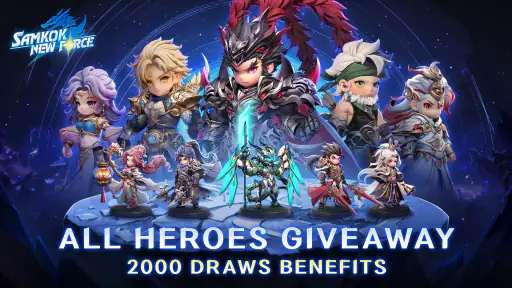
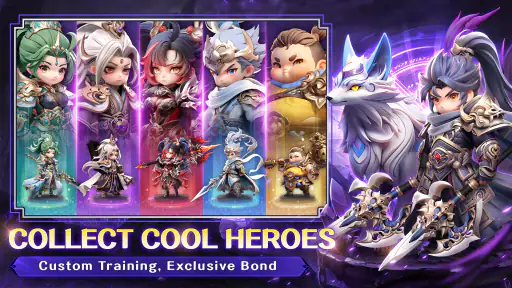
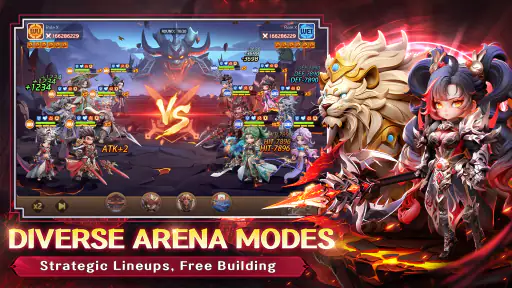
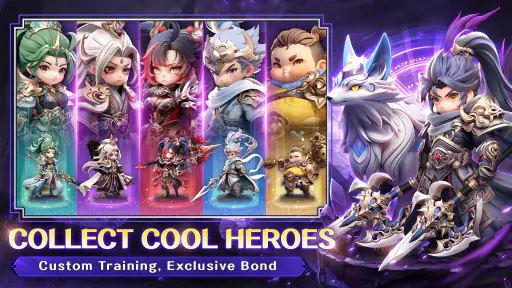
The opening stretch is built to keep momentum high. The game presents itself as a visually striking Samkok card RPG, and that description is fair as a quick summary of its identity. The presentation gives the historical-fantasy theme a colorful, energetic tone rather than treating it like a dry history lesson. Battles and character collection are clearly meant to work together: you are not simply choosing cards for one match, but gradually shaping a roster that can carry you through repeated encounters.
That structure makes the first sessions easy to understand. I can log in, claim available rewards, improve a character, and return to a battle without needing to study a complicated rulebook first. For someone new to mobile RPGs, this low barrier matters. The game communicates its immediate goals clearly enough that I rarely feel lost at the beginning, even when several menus and progression options appear close together.
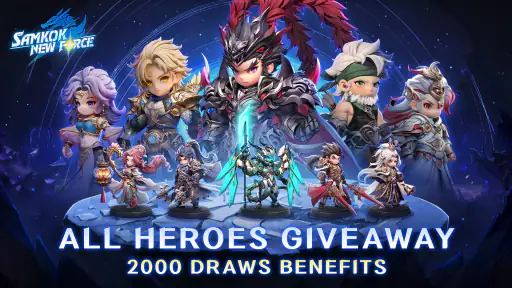
The opening reward flow is also a major part of the appeal. The store summary highlights two thousand draws awaiting players, which creates the expectation of an unusually generous start to recruitment. In practical terms, that kind of promise gives newcomers room to experiment. Instead of being forced to rely on the first few characters, I can explore different combinations and get a better sense of which heroes fit my preferred style.
There is a useful trade-off here. A large early pool of draws can make the game feel welcoming, but it can also hide the shape of the later experience. When a new player receives frequent rewards, almost every decision feels productive. It is only after the initial stream becomes less dramatic that team planning, resource discipline, and patience begin to matter more. I enjoyed the early generosity, but I would not use it alone as proof that the game will remain equally rewarding for months.
The card RPG format suits players who like making progress between battles. If you enjoy comparing characters, deciding which upgrades deserve attention, and watching a roster become more capable, the first week has plenty to hold your interest. It is less suitable for someone who wants a compact card game where every match is the main event and long-term collection is secondary.
How I would approach the opening
My first practical tip is to avoid spreading every reward across the entire roster. A broad collection is exciting, but upgrading too many characters at once can leave the team feeling underpowered when the game begins asking for more focused progress. I would choose a small core, test how they work together, and keep reserve characters available for situations where a different composition is useful.
I would also treat the early draw opportunities as a scouting tool rather than an excuse to chase one perfect result. The more valuable question is not simply whether a rare hero appears, but whether the available characters give me a workable group with complementary roles. A slightly less glamorous roster that is properly developed can be more useful than a collection full of impressive names that compete for the same resources.
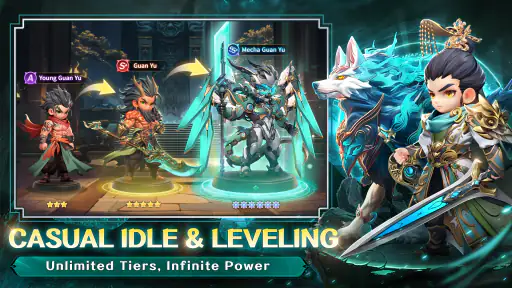
Another overlooked habit is reading upgrade requirements before spending. In collection RPGs, the first few improvements often feel inexpensive, while later steps ask for more specific materials or duplicates. Planning even a little prevents the familiar frustration of investing heavily in a character and then discovering that the next useful improvement is difficult to support. The game is more enjoyable when I make those choices deliberately instead of tapping every available enhancement button.
Why the second month matters more than the opening
After the first month, the appeal depends less on surprise and more on routine. The central question becomes whether the game gives me meaningful reasons to return when I am no longer receiving a constant stream of new discoveries. For me, that means progression must feel understandable, battles must offer some room for decision-making, and collection must remain connected to actual play rather than becoming a checklist.
Samkok: New Force has a natural advantage here because a card RPG can create several layers of interest from the same roster. A character may be valuable not only because of individual strength, but because that character changes how I assemble a team. This gives collecting a practical purpose. I am not just filling a gallery; I am looking for ways to solve obstacles with a better combination of heroes.
That said, the long-term value will vary greatly by player. If I enjoy optimizing teams and gradually improving a favorite lineup, the recurring loop can be satisfying. If I mainly want a story with a definite ending, the open-ended nature of collection and upgrading may feel repetitive. This is not a game I would recommend to someone who dislikes returning to familiar menus, checking progress, and making incremental improvements.
The free entry point helps with that decision. I can try the core experience without paying, which is important because the game’s lasting value is personal rather than guaranteed. I would spend time learning whether the battle rhythm and roster management suit me before considering purchases. The listed in-app purchase range runs from twenty-nine cents to ninety-nine dollars and ninety-nine cents per item, so the financial ceiling can be substantial even though installation costs nothing.
That purchase structure changes how I would play. I would set a personal limit before becoming invested in a particular character or recruitment goal. Collection games can make a small purchase feel harmless, then gradually turn repeated convenience spending into the main way to maintain momentum. The safest approach is to regard purchases as optional acceleration, not as part of the normal cost of playing.
A realistic everyday scenario would be a short evening session after work. I might spend a few minutes collecting available rewards, improve the core team, play several battles, and stop before the routine becomes tiring. That works well if I treat the game as a regular check-in rather than a second job. The trouble begins when I feel compelled to clear every menu and activity simply because it is available. A game that fits into my schedule is more sustainable than one that demands attention every time I unlock my phone.
Where it stands beside other card games
Compared with a traditional digital card game, this title is more focused on persistent character growth and roster ownership than on building a fresh deck for each competitive match. That makes it a better fit for me when I want a sense of accumulation. I can return to familiar heroes, improve them, and see the team develop over time.
On the other hand, players who prefer tightly balanced head-to-head card play may find the RPG structure less satisfying. In a conventional card battler, the interest often comes from reading an opponent and managing a limited hand under pressure. Here, the attraction is more closely tied to collection, progression, and team construction. Neither approach is automatically better, but they reward different moods and different kinds of attention.
It also sits apart from a purely casual solitaire-style game. Solitaire is easy to pause and usually asks little long-term commitment. Samkok: New Force is more involving because progress depends on maintaining a roster and making upgrade choices. I would choose the latter when I want a continuing project, but the former when I need something completely frictionless for a few minutes.
The Three Kingdoms flavor gives it a stronger identity than a generic fantasy collection game, although the value of that identity depends on whether the theme interests me. Someone already familiar with Samkok-style characters may get more enjoyment from recognizing the setting and imagining rivalries between heroes. Someone indifferent to the theme may judge the game almost entirely by its progression loop and visual style.
The maintenance burden behind the fun
Any game built around recurring collection has maintenance costs, even when the individual sessions are short. I have to remember which characters are worth developing, which materials should be saved, and whether a new addition actually improves the team. That mental load is manageable at first, but it becomes part of the game’s real price in time.
The current version is 1.1.141, and the game supports Android devices running at least version 5.0. That broad minimum requirement makes it approachable for people using older compatible phones, but I would still pay attention to how the game feels on my particular device. A visually ambitious card RPG can be comfortable on one phone and less pleasant on another, especially if menus, effects, or loading make short sessions feel slower than expected.
My best maintenance routine would be selective rather than exhaustive. I would identify the daily actions that directly support my main roster, complete those first, and stop when the useful work is done. This prevents the game from turning into a sequence of chores. It also protects the strongest part of the experience: making meaningful choices about characters instead of mechanically clearing every available task.
Resource management deserves special care. Early rewards encourage experimentation, but later progress is usually easier when I know what my main team needs. I would keep a simple mental note of which characters are priorities and avoid spending valuable materials merely to make a low-priority hero look temporarily stronger. This is one of the clearest ways to preserve long-term value without paying for faster progress.
I would also separate “new” from “useful.” A fresh card or hero creates a burst of excitement, but it may not fit the group I have already developed. Before rebuilding everything, I would compare the new arrival with the roles my current team already covers. That small pause reduces unnecessary switching and helps prevent the feeling that every new draw invalidates the previous week of progress.
What can create fatigue
The most obvious source of fatigue is repetition. Once the visual impact of the opening has diminished, repeated battles and upgrade screens need to feel purposeful. If I am only watching the same rhythm while waiting for enough materials to improve a character, the game can start to resemble routine administration rather than play.
A second issue is the tension between generous beginnings and slower continuation. A strong opening can establish an expectation that rewards will always arrive at the same pace. When that pace changes, the player may feel blocked even if the underlying progression is functioning normally. I would approach the first week with that in mind and avoid judging future sessions by the excitement of the initial draw period.
Spending pressure can add another layer of tiredness. The presence of purchases from small amounts up to ninety-nine dollars and ninety-nine cents means I would be particularly cautious around limited recruitment goals or moments when a team improvement appears just out of reach. Even without spending, repeated reminders of acceleration can make a relaxed game feel more transactional.
There is also a risk of roster overload. Collecting many characters is enjoyable only while I can understand what they contribute. If the game gives me more options than I can reasonably compare, I may spend more time sorting than playing. My solution would be to keep a focused main group, maintain a short list of experimental characters, and ignore the rest until a clear reason to revisit them appears.
Players who dislike daily habits should think carefully before installing. The game is most naturally suited to someone who likes returning to a continuing project. If I want a complete experience that I can finish in a weekend, a premium standalone card game would probably be a better choice. If I want competitive precision above all else, a conventional multiplayer card battler may also offer a cleaner fit.
Who should keep it installed
I would keep Samkok: New Force installed if I enjoyed three things together: collecting a broad cast, improving a dependable team, and checking in regularly without needing every session to be intense. The game’s strongest long-term quality is the connection between recruitment and progression. New characters matter because they can influence how I think about my roster, while upgrades give familiar characters a reason to remain relevant.
I would recommend it especially to players who want more structure than a casual card game but less pressure than a game centered entirely on competitive matches. It can work as a small daily hobby, provided I set boundaries around spending and do not confuse every available reward with an obligation.
I would skip it if I find collection systems frustrating, dislike incremental upgrades, or have little patience for repeating familiar activities. I would also skip it if the main appeal for me is deep, turn-by-turn card strategy with minimal progression overhead. The game’s identity is tied to its RPG layer, and that layer will not disappear simply because I want a quicker match.
The Teen content rating is another useful signal for choosing the audience. I would not treat the game as a simple children’s card game, particularly because its collection and purchase structure calls for mature judgment. Younger players should have clear limits around spending, while adults should still decide in advance what “free to play” means for them personally.
With an average rating of 4.6 from around forty-three thousand ratings, the game has clearly made a positive impression on a sizable player base. It has also passed half a million installs, which suggests that finding other people interested in this style should not be difficult. Those figures are encouraging, but my own experience would still depend on whether the daily loop feels rewarding after the opening excitement fades.
My long-term verdict
Samkok: New Force earns a place on my phone as a promising, visually confident card RPG rather than as an automatic forever game. I like the accessible opening, the generous recruitment premise, and the way a growing roster can turn familiar battles into an ongoing planning exercise. The free download makes trying it sensible, especially for anyone already drawn to Three Kingdoms-themed collection games.
Its lasting value depends on discipline from the player as much as on the game itself. I would focus upgrades, resist chasing every new draw, set a spending boundary, and keep sessions short enough that maintenance does not replace enjoyment. Used that way, the game has a reasonable chance of becoming a pleasant recurring habit instead of another app I open only because a notification tells me to.
My final recommendation is therefore conditional but positive. Install it if you want a persistent hero-collecting project with card RPG structure and are comfortable with gradual progress. Give it a fair trial beyond the opening rewards, because the first week can make the experience look more generous and exciting than the routine that follows. If the roster decisions still feel interesting after that adjustment, the game has enough recurring value to justify keeping it around. If they do not, a shorter, more self-contained card game will likely serve you better.
For me, that is the fairest way to view this release from TTHmobi: enjoyable at the start, potentially durable for planners, but not a universal replacement for every kind of card game. Its best audience is made up of players who like building toward something over time and can keep the collection loop in its proper place—as entertainment, not an obligation.
Pros
- Fast-paced battles that suit short mobile gaming sessions.
- Distinct hero classes make team-building feel strategic.
- Frequent rewards help new players progress without immediate spending.
- Stylized character designs give the Three Kingdoms setting personality.
- Guild features add cooperation and extra goals beyond the campaign.
Cons
- Combat can become repetitive once the strongest team is established.
- Upgrade systems may feel confusing because several resources overlap.
- Competitive modes can strongly favor players who spend regularly.
- Some menus and events are difficult to navigate at first.
- Device performance may drop during crowded battles or busy effects.

- Category
- Card
- Version
- 1.1.141