Restore the Hood
- 189.00
- 4.5
- Installs
- 10.00K
- Price
- Free

Screenshots

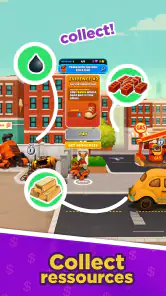


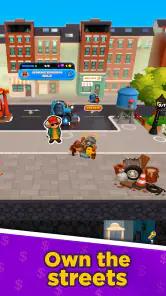


Analysis by Reviewed
I spent time with Restore the Hood expecting a quick arcade distraction, and that is exactly where it makes the best first impression. The game turns street cleanup into a light tycoon loop: I move through messy areas, collect useful items, improve the surroundings, and gradually work toward a hotel business. It is simple to understand within moments, but the small decisions about what to improve first give the short sessions more purpose than a basic endless arcade game.
What makes it stand out is the contrast between its rough neighborhood setting and its long-term business goal. I am not simply chasing a high score or surviving a timer. Each cleaned section feels like a small step toward making the district more valuable. The idea is easy to grasp, and the bright, uncomplicated presentation keeps the mood relaxed rather than turning the subject into something heavy.
It is a free arcade game from Ketchapp, rated for Everyone, and it runs on Android devices using version 7.0 or later. The current version is 4.3.6, while the game has reached over ten thousand installs and holds a 4.5 average from around eight hundred ratings. Those figures suggest a modest but interested audience rather than a massive community, which matches my experience: this feels designed for personal, casual play instead of competitive social gaming.
How the cleanup-to-hotel loop feels in practice
The basic rhythm is deliberately accessible. I enter an area, deal with the mess in front of me, gather what the game places along the route, and use the results to improve the growing business. The appeal comes from seeing a neglected space become more useful over time. Even when the individual actions are uncomplicated, the visible change gives each short run a reason to continue.
I found the game most enjoyable when I treated it as a five-minute break rather than a serious management simulator. A quick session works well while waiting for a bus or taking a short pause between tasks. There is no need to study a large menu before playing, and the central goal remains clear: improve the hood, then turn that progress into a stronger hotel operation.
The hotel theme also gives the arcade movement a sense of direction. In many casual games, collected objects simply become a score or currency with little emotional connection to the level. Here, the cleanup is tied to a place that is supposed to become more attractive and profitable. That connection is one of the game’s strongest design choices, because it makes ordinary collection tasks feel like part of a larger transformation.
Why the early progress is satisfying
The first improvements are easy to appreciate because they answer a question I naturally had while playing: what is all this effort building toward? The answer is visible in the district and in the hotel ambition. I could make a small improvement, return to the action, and understand why the next round mattered.
That clarity helps the game appeal to people who enjoy idle or tycoon ideas but do not want a complicated spreadsheet. It also suits players who normally prefer arcade games, because the hands-on activity comes before the business layer. The management elements add context without immediately overwhelming the controls.
A useful habit is to pause after each meaningful upgrade and look at what actually changed. It is tempting to tap through every available improvement as soon as resources allow, but taking a moment to connect the upgrade with the surrounding area makes the progression feel less automatic. This is a small approach, yet it makes the central restoration theme more noticeable.
What requires more attention than the store pitch suggests
The game is easy to start, but that does not mean every session is equally engaging. The early novelty comes from discovering the loop and watching the neighborhood improve. Once that pattern becomes familiar, my interest depended more on whether I had a clear next target than on the basic cleanup itself.
That is the main trade-off. Players who enjoy repeated collection and gradual improvement will probably settle into the rhythm comfortably. Players looking for deep city planning, detailed hotel operations, or a wide range of strategic choices may find the arcade foundation too light. The game gestures toward a tycoon experience, but I would approach it as an arcade game with management flavor rather than a full business simulation.
I also noticed that the most satisfying progress comes from setting a small personal objective before starting. For example, I might decide to focus on making one area look more complete instead of tapping through every possible action without a plan. This keeps the session from becoming a passive routine and helps reveal which parts of the loop I actually enjoy.
Current version, player impact, and practical limitations
The presence of version 4.3.6 gives the game a more established feel than a first release, and it is worth judging the current experience on its own terms. I would not assume that a later version automatically means a radically expanded game. What I can say is that the current build presents a coherent cleanup-and-hotel loop, and the version number indicates that the title has already moved beyond its earliest form.
For someone installing it today, that matters mainly because the game feels like a defined product rather than an unfinished concept. The controls and progression are built around one clear idea, so I could begin without needing outside explanations. At the same time, the version information should not create expectations of a deep, constantly changing management platform. The core appeal remains the same compact arcade structure.
Existing players are likely to notice the most value in the continuity of that loop. If you already enjoy the game, the current build is easy to return to because the objective is immediately recognizable. You do not need to relearn a complicated system before getting back into a short session. For a casual title, that familiarity is a real advantage.
The limitation is that familiarity can also reduce surprise. Once I understood how cleanup, collection, and hotel growth relate to one another, the game became more about repeating a comfortable routine than discovering a new layer of strategy. That is not a flaw for everyone, but it is important if you need frequent changes to stay interested.
Free to install, with spending choices to consider
The game is free, which makes it easy to try without committing money at the start. It includes optional in-app purchases ranging from $0.99 to $49.99 per item. I would keep that range in mind before playing for long periods, especially if you are prone to buying convenience items in progression games.
My practical advice is to begin with a clear rule: play the first few sessions without paying and decide whether the basic loop is enjoyable on its own. If the cleanup and restoration are not satisfying without assistance, spending will not fix the underlying mismatch. If you do like the rhythm, waiting before purchasing helps you understand whether a paid shortcut would genuinely improve your experience or merely reduce the time spent playing.
This is also relevant for families. The Everyone age rating makes the game broadly approachable, but an age rating does not replace sensible supervision around purchases. I would check the device’s purchase controls before handing it to a child, particularly because the game is designed around gradual improvement and that structure can make optional spending feel tempting.
Who will get the most from it
I would recommend it first to players who like casual arcade tycoon games, visible restoration, and short sessions with a clear reward loop. It suits someone who wants more purpose than an endless score chase but less complexity than a traditional management simulator. The hotel objective gives the action a destination without requiring the player to manage every detail of a real business.
It is also a good fit for people who enjoy tidy-up themes. There is a particular satisfaction in taking a rough-looking space and making it feel more useful. If you like games where progress is represented by a changing environment, that visual connection may carry the experience even when the individual actions become familiar.
I would be more cautious about recommending it to players who want competitive rankings, rich storytelling, realistic economics, or highly detailed construction systems. Someone seeking a deep hotel simulator would probably be happier with a game built around room layouts, staffing, guest needs, and financial planning. Someone wanting fast reflex challenges may prefer a pure arcade title with tighter scoring and less progression management.
Three ways I would approach a session
First, I would use short goals instead of playing indefinitely. Choosing one restoration task or one business milestone gives the session a satisfying finish point. This is especially useful when the repeated actions start to blur together.
Second, I would avoid treating every available improvement as equally urgent. The game’s appeal comes from transformation, so focusing on the area that creates the clearest visible difference can make progress feel more meaningful than spreading attention across everything at once.
Third, I would separate curiosity from spending. Because the game is free and offers purchases, I would first learn the natural pace of progression and only then decide whether an optional item adds value. This preserves the arcade challenge and prevents the business layer from becoming a shopping exercise.
Where the experience still leaves room to grow
The largest gap is depth. The cleanup theme is distinctive, and the hotel goal is a useful hook, but I sometimes wanted the business side to ask more from me. More meaningful choices about priorities would make the restoration feel less like a sequence of upgrades and more like a personal plan for the district.
That does not mean the game needs to become complicated. A few decisions with lasting consequences could be enough: choosing between faster progress and a better-looking area, deciding whether to improve income or presentation first, or having different restoration approaches lead to noticeably different outcomes. I am describing the kind of depth I would like to see, not claiming that these systems are already present.
The other gap is long-session variety. The compact loop is a strength for quick play, but it is less convincing as an all-evening game. After several rounds, I wanted stronger reasons to change my approach instead of simply continuing the familiar pattern. Players should know this before installing: the game is better at delivering a pleasant burst of progress than at replacing a full-scale tycoon title.
There is also a balance to watch between convenience and involvement. Optional purchases can be harmless when they remain genuinely optional, but any progression game must be judged by how enjoyable the unpaid route feels. My recommendation is to pay attention to your own reaction: if you enjoy making decisions and watching the neighborhood change, the free experience has a solid foundation; if you feel pushed to speed everything up, the design may not suit you.
How it compares with familiar alternatives
Compared with a standard endless arcade game, this title offers more context and a stronger sense of place. A score can be exciting, but a hotel and a recovering neighborhood give progress a more concrete identity. The cost is that the action may feel less intense, since the reward is gradual improvement rather than constant pressure.
Compared with a traditional tycoon simulator, it is far easier to enter. I do not need to learn a large economic model before making progress. The trade-off is obvious: there is less room for detailed planning and fewer reasons to revisit the same decision from different angles.
Compared with a pure idle game, it gives me more direct participation. I am not only waiting for resources to accumulate; I am involved in the arcade side of the restoration. However, anyone who prefers completely hands-off progress may find the active cleanup less appealing than an idle interface.
My recommendation after living with the loop
Restore the Hood works because it connects a familiar casual action with a visible goal. Cleaning the streets is not presented as an isolated task; it is part of building something larger, and that gives the game its personality. Ketchapp keeps the entry point friendly, while the hotel idea adds enough structure to make a quick arcade session feel purposeful.
I would install it if I wanted a free, approachable game for short breaks and enjoyed watching a neglected setting improve. The Everyone rating and Android 7.0 requirement make it accessible to a broad range of Android users, and the current 4.3.6 build offers a clear, ready-to-play experience. Its audience is still relatively small compared with major mobile hits, but the strong average rating shows that the central idea is connecting with the players who have tried it.
I would skip it if my priority were deep hotel management, demanding reflex competition, or a constantly expanding strategy system. The game’s charm comes from its simplicity, and that same simplicity limits how far it can go for players who need complex decisions. It is best understood as a relaxed arcade restoration game with tycoon elements, not as a detailed business simulator.
Looking ahead, I would watch for changes that add meaningful variety without burying the approachable loop. New ways to make restoration choices matter, stronger reasons to revisit completed areas, or more distinct business decisions could extend its life considerably. For now, its value is clearest in the everyday scenario it handles well: I have a few spare minutes, want something more engaging than passive scrolling, and can leave a short session feeling that I moved a rough neighborhood one step closer to a functioning hotel empire.
Pros
- Offers a nostalgic open-world crime-game experience on mobile.
- Driving
- shooting
- and exploration provide varied gameplay.
- The hood setting gives the game a distinctive urban atmosphere.
- Simple controls make it accessible to casual players.
- Compact missions are suitable for short gaming sessions.
Cons
- Graphics may feel dated compared with newer open-world mobile games.
- Some missions can become repetitive after extended play.
- Touch controls may feel imprecise during driving or combat.
- The game may require patience while progressing through tougher missions.
- Older devices could experience performance issues or longer loading times.

- Category
- Arcade
- Version
- 4.3.6