Project Makeover
- 46.55K
- 4.5
- Installs
- 100.00M
- Price
- Free

Screenshots


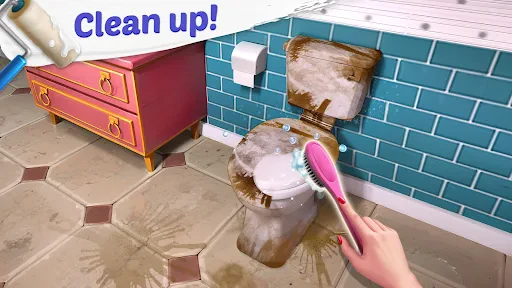


Analysis by Reviewed
I like makeover games most when they give me a little puzzle to solve as well as a reason to care about the characters, and Project Makeover brings those two parts together. It’s a casual game from Magic Tavern, Inc. built around matching puzzles and style changes, with clients whose looks and living spaces develop as their stories unfold. The mix makes it easy to pick up for a short break, though the puzzle side can ask for more patience than the glamorous presentation first suggests.
A good fit for short, purposeful play
The appeal here is the change you can see after playing: matching pieces isn’t an end in itself, because the rewards connect to a client’s makeover and surroundings. That gives a spare few minutes a clear shape. I can focus on a board, make progress toward a visible result, and put the game away without needing to plan a long gaming session.
That structure suits someone who enjoys a small goal at a time. It also means the game is less suited to dipping in solely to experiment with outfits. If I want to try a dozen looks without first working through a puzzle, a free-form dress-up game is a better choice. Here, styling is part of a larger progression loop, so I get more context for the changes but less freedom to skip straight to them.
What to expect from the pace
The game can feel brisk when a board is straightforward and the rewards let a makeover advance. The pace changes when a puzzle needs another attempt: the story and styling wait until I clear it, so a quick session may end on a board rather than a finished client transformation. I’d go in expecting progress in steps, not a steady stream of instant reveals.
That difference is useful to remember when choosing when to play. A short commute or a few minutes between chores can be enough for a board, but I wouldn’t start expecting to complete a whole makeover before an appointment. If the puzzle becomes the focus, stopping and returning later can be more pleasant than pushing through while distracted.
The Glamorous World of Makeovers
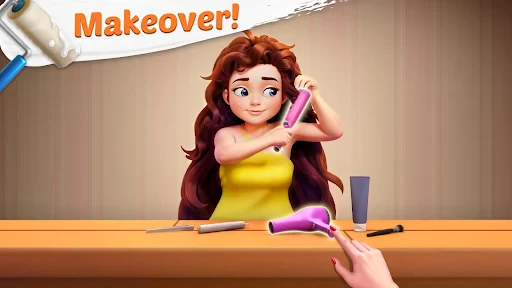
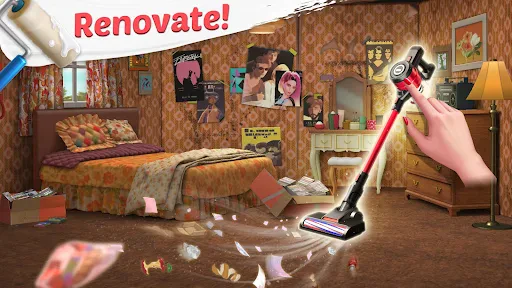
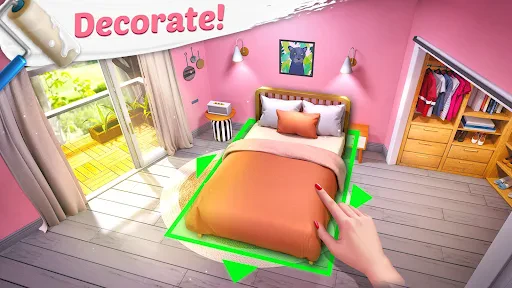
So, what’s the deal with Project Makeover? At its core, this game is about solving puzzles to earn coins and rewards, which you then use to transform clients from drab to fab. The game beautifully blends match-three puzzles with a makeover storyline, which keeps things fresh and engaging. Whether you're restyling someone's hair, revamping their wardrobe, or redesigning their living space, each makeover feels rewarding.
Gameplay Mechanics
Jumping into the gameplay, it’s pretty straightforward. You engage in match-three puzzles, which are not only fun but also serve as your ticket to earning the resources needed for makeovers. The puzzles start off easy but gradually ramp up in difficulty, adding a satisfying challenge without feeling impossible. Plus, there’s a nice variety of power-ups that spice up the gameplay, making each level unique.
More From Our News Desk

Clash of Clans Is Won Between the Battles

Android Auto Makes the Case for Quieter Car Software

MobiOffice: Transforming Mobile Productivity with Seamless Integration

EA SPORTS FC™ Mobile Soccer: Redefining Mobile Sports Gaming

How Microsoft OneDrive Became a Mobile Productivity Giant

How Google Translate Breaks Language Barriers Effortlessly
Every character you meet has a backstory, and honestly, some of them are quite touching. It's not just about slapping on some makeup and a new outfit; it's about understanding their story, which adds a layer of depth to the game. You’ll find yourself rooting for these virtual characters as they embark on their new journeys.
Planning a session around the puzzle loop
The most useful way to approach the game is to treat the puzzle board as the main gate to the makeover choices. I’d play a level or two when I have a spare moment, then spend the rewards on the client changes I care about most. That small bit of planning helps if a stage takes several attempts: instead of expecting every visit to deliver a complete transformation, I can enjoy one step of the story and leave the rest for later.
That rhythm makes this a good fit for someone who likes visible progress but doesn’t need a long, uninterrupted session. It’s also a more character-led option than a plain match-three game, while players who mainly want open-ended fashion design may prefer a dress-up app that lets them style freely without tying choices to puzzle progress. Here, the makeover decisions are the payoff, but the matching is the work between them.
Small choices that make the loop feel better
When a new makeover choice becomes available, I’d pause long enough to look at the options rather than tapping through just to clear the task. The clothing, hair, makeup, and furniture all contribute to the transformation, so treating each decision as part of the client’s overall look makes the reward feel more considered. If I’m playing in a hurry, I can focus on one choice and save the rest for another visit.
There’s also a practical reason to avoid treating every board as a race. Matching games reward attention to how pieces can move the board, while the makeover side gives that attention a purpose. I’d scan for a move that opens space or sets up a useful follow-on match before using a power-up. It won’t make every difficult level easy, but it can help me avoid spending a tool on a move that produces little change.
When progress slows down
As the boards get harder, the main trade-off becomes clearer: a makeover may be waiting, but advancing depends on clearing the puzzle. If I’m stuck, I’d rather take a moment to inspect the board and look for matches that can set up a stronger chain than tap quickly at random. Saving a power-up for a cramped section can be more useful than spending it as soon as it appears, since the board layout affects what a move can accomplish.
The game is free to play and rated for Everyone, but it includes optional in-app purchases, listed from $0.99 to $99.99 per item. I’d treat those as optional convenience rather than a requirement and decide on a spending limit before playing, especially if I’m tempted to push through a difficult stretch. If you want every stage to move at your preferred pace without waiting or replaying, that purchase model may be a reason to look elsewhere.
Choosing how much to invest
It’s worth thinking about the purchase model before a tough stretch, rather than only after frustration sets in. If I’m enjoying the puzzle and story, replaying a stage can be part of the game’s rhythm; if I’m only interested in seeing the next makeover, the same obstacle can feel like a toll on my patience. I’d keep the choice simple: continue when the puzzle itself is still enjoyable, and take a break instead of spending just to force momentum.
That approach also helps set realistic expectations for younger players or anyone sharing a device. The Everyone age rating makes the game broadly accessible, but it doesn’t remove the need for an adult to discuss optional purchases where appropriate. Since the game is free to start, trying the basic loop first is a sensible way to decide whether the balance of matching and styling works for your household.
Visuals and Design
Visually, the app is a treat for the eyes. The graphics are vibrant and colorful, fitting perfectly with the overall theme of transformation and glamour. The attention to detail in both the characters and their environments is impressive. It's clear that a lot of thought went into the design, ensuring that each makeover feels significant and personalized.
What’s great is that the app manages to run smoothly even on older devices, so you don’t need the latest gadget to enjoy it. Whether you’re on a quick coffee break or lounging on the couch, Project Makeover offers a seamless experience that’s perfect for a bit of downtime relaxation.
Speed, reliability, and device fit
In day-to-day use, I’d think of this as a game for brief check-ins rather than a performance showcase. The presentation has lots of colorful character and room detail, so older or entry-level phones may feel less comfortable if they already struggle with other visually busy games. I’d close unused apps and keep some free storage before a longer session; those are sensible habits, not guarantees of faster loading or fewer interruptions.
If a level or the game itself doesn’t respond as expected, I’d first give it a moment, then close and reopen the app before trying again. That’s a simple recovery step, not a promise that every issue can be fixed that way. A stable connection and current device software are also practical basics for mobile play. I wouldn’t choose this title specifically for low battery use, tiny downloads, or flawless performance on every device; I’d choose it for the combination of puzzles and makeover stories.
Making room for a longer session
For a longer play session, I’d choose a time when I can give the boards some attention instead of trying to play while multitasking. The distinction matters because a puzzle can demand more thought than the decorative presentation suggests. If I’m interrupted, it’s better to pause my expectations than to make hurried moves and then feel that the level is dragging. The game’s appeal is strongest when I’m engaged with both parts: the challenge on the board and the character’s progress afterward.
On a device that already feels sluggish, I’d be cautious about assuming the game itself will be the cause or the cure. Closing background apps and restarting the game are reasonable first steps, but they are basic troubleshooting rather than a guarantee. The minimum operating system is Android 5.1, which gives Android users a concrete compatibility baseline; actual comfort can still vary with the device and its condition. I’d check that requirement before installing on an older phone.
Who will enjoy the makeover loop
I’d recommend it to players who like matching puzzles but want a narrative reward beyond the score, and to anyone who enjoys choosing clothes, hairstyles, makeup, and furniture for a character with a reason to change. A realistic use is winding down after dinner: play a board while relaxing, make one or two makeover choices, then stop without needing to finish an entire story in one sitting. The game’s 4.5 average from around 1.1 million ratings and more than 100 million installs suggest it has reached a broad audience, though popularity alone doesn’t mean its pace will suit everyone.
It’s a weaker match for someone who dislikes repeating puzzles, wants a pure fashion sandbox, or prefers a story game with little mechanical challenge. Compared with standard match-three titles, the styling and client arcs give each reward a more personal purpose; compared with dress-up games, progress is more structured and tied to clearing boards. The best tip I can offer is to make choices for the client whose story interests you, rather than treating every reward as a race to finish. That keeps the makeover decisions enjoyable even when a level takes another try.
How it compares with familiar alternatives
If you usually play match-three games for quick board-clearing and score chasing, this one adds a reason to care about what comes after a win. That narrative and visual payoff may make the repetition easier to enjoy, but it doesn’t replace the puzzle loop: players who want uninterrupted matching may find the makeover progression a distraction. Conversely, a dress-up title usually puts outfit experimentation first; this game asks me to earn progress through its boards before I can focus on those choices.
So the best alternative depends on what I want at that moment. For flexible styling, I’d reach for a fashion sandbox; for a story with minimal puzzle friction, I’d choose a narrative-focused game; for this title, I need to enjoy both matching and gradual transformations. That distinction is more useful than judging it simply as a puzzle game or a makeover game, because it explains why someone might like one half and still find the full experience a poor fit.
Final Thoughts
Overall, if you’re a fan of makeover shows, puzzles, or just looking for a fun way to pass the time, Project Makeover is definitely worth a download. It's a delightful mix of creativity and strategy that keeps you coming back for more. So go ahead, unleash your inner stylist, and start transforming lives—one makeover at a time!
Remember, it’s not just about the outer transformation, but the inner journey as well. Happy styling!
Project Makeover Frequently Asked Questions
Is Project Makeover suitable for short play sessions?
Project Makeover pairs casual match-3 puzzles with character makeovers, so it can suit players who want to dip into a game and make progress through puzzle levels and styling choices. Its blend of challenges and customization gives sessions a clear purpose, whether you have time for a few puzzles or want to continue working on a client’s transformation.
What is Project Makeover’s age rating, and is it suitable for families?
Project Makeover has an Everyone age rating, making it appropriate for a broad audience. The game focuses on casual puzzles and visual makeovers, including choices about clothing, hairstyles, makeup, and furniture. Families should also be aware that the game offers in-app purchases, so it may be helpful to review purchase settings before younger players begin.
Does Project Makeover need a powerful phone or tablet?
Project Makeover is a casual game designed for Android and iOS devices. Android players need a device running version 5.1 or later. Before downloading, check that your device has a compatible operating system and enough available space for the game. Keeping the device and its software up to date can also help provide a smoother experience.
Does Project Makeover include more than puzzle levels?
Yes. Match-3 puzzles are connected to makeover choices, so the experience includes both completing challenges and deciding how characters and their surroundings should look. You can work with chic clothes, hairstyles, makeup, and furniture. This combination may appeal to players who want a casual puzzle game with a creative styling element rather than puzzles alone.
Is Project Makeover a free game?
Project Makeover is free to download and play, but it includes optional in-app purchases. Players can buy game currency and boosters to progress faster or unlock items. You can enjoy the game without spending money, though some players may find certain levels challenging without purchases. Individual items range from $0.99 to $99.99, so review purchase choices before buying.
Pros
- Engaging storyline with diverse characters.
- Wide variety of customization options.
- Regular updates with new content.
- Interactive and user-friendly interface.
- Cross-platform compatibility.
Cons
- In-app purchases can be expensive.
- Requires a stable internet connection.
- Some levels are quite challenging.
- Occasional ads can be disruptive.
- Limited offline gameplay features.
- Category
- Casual
- Version
- Varies with device