Fishdom
- 292.28K
- 4.6
- Installs
- 100.00M
- Price
- Free

Screenshots





Analysis by Reviewed
I like puzzle games that give each solved board a purpose, and Fishdom builds its appeal around that simple connection: match pieces, make progress, then use that progress to shape an aquarium. It makes the game feel less like a string of isolated levels and more like a small project I can return to whenever I have a spare moment. The focus is still firmly on match-three play, but the fish and decorations give those puzzles a personal destination.
One puzzle, two kinds of progress
The most distinctive idea here is the link between match-three puzzles and aquarium building. A level asks me to think about the board in front of me; completing it helps me develop the underwater space waiting outside it. That pairing changes the emotional rhythm. A difficult stage can be frustrating on its own, but the aquarium gives the effort a visible reason, while choosing how the habitat should look offers a calmer counterweight to puzzle pressure.
Fishdom is a free puzzle game from Playrix, rated for Everyone, and it has a 4.6 average from around 6.6 million ratings. It has passed 100 million installs, which gives a sense of how widely this particular blend has caught on. The game first appeared on March 2, 2016, and version 8.9.4.0 supports Android 5.0 and later. Optional in-app purchases range from $0.99 to $129.99 per item, so I’d treat spending as a choice rather than a requirement when deciding whether the game suits my habits.
Reads About Fishdom
How the loop feels in practice
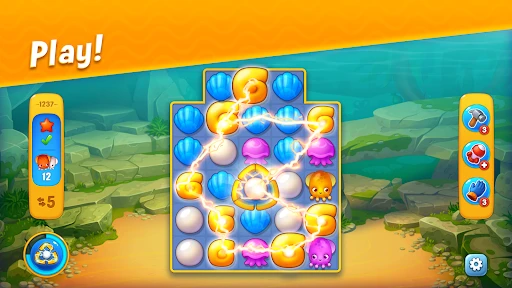
The basic rule is easy to understand: match three or more of the same pieces and work toward the level’s goal. The challenge comes from the changing board conditions and objectives, which ask for more thought than simply making the first obvious match. I find it useful to pause before moving and look for a match that could open space or help with the actual target. That small habit matters more as stages become less forgiving, and it makes a short session feel like a puzzle rather than mindless tapping.
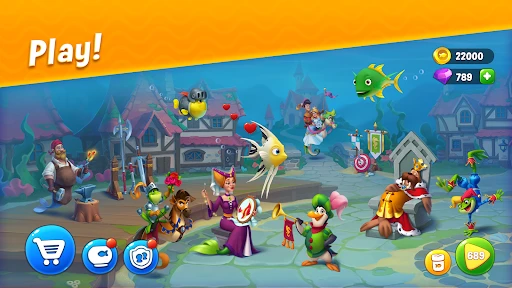
Progress also feeds the aquarium side, where coins and diamonds can be used for fish, decorations, and accessories. I’d make design choices with a theme in mind instead of buying every attractive item as soon as it appears; a little restraint can make the finished tank feel more coherent. The fish add personality rather than serving only as scenery, and their comments and antics give the space a livelier feel. If I mainly want a quiet decorating toy, though, the puzzle stages remain a central part of the experience, so this is not an aquarium builder that lets me avoid the matching altogether.
A good fit for a small daily break
For me, the best scenario is a short pause between errands or during a commute when I want something more engaging than scrolling but don’t have time to settle into a long game. I can focus on a level, then spend a moment looking over the aquarium. The two activities suit different moods: solving asks for attention, while arranging a tank is the more expressive reward. That makes the game appealing to players who enjoy both quick challenges and gradual visual progress.
Compared with a conventional match-three game, Fishdom gives wins a decorating purpose; compared with a pure aquarium or interior-design game, it puts more emphasis on clearing boards. That middle ground is its strength, but also a useful test before installing: if I want uninterrupted design freedom, a dedicated decorating game may fit better, and if I want puzzles without a collection or customization layer, a simpler match-three alternative may be less demanding. It is most satisfying when I enjoy both halves rather than treating one as an unwanted chore.
More From Our News Desk

Clash of Clans Is Won Between the Battles

Android Auto Makes the Case for Quieter Car Software

MobiOffice: Transforming Mobile Productivity with Seamless Integration

EA SPORTS FC™ Mobile Soccer: Redefining Mobile Sports Gaming

How Microsoft OneDrive Became a Mobile Productivity Giant

How Google Translate Breaks Language Barriers Effortlessly
What to keep in mind
The main trade-off is that progress depends on getting through puzzle levels, so a tough stage can slow the aquarium’s development. I wouldn’t expect every session to feel relaxing; the board goals can demand patience, and the optional purchases make it worth setting a personal spending limit before playing. The game is free to start, but the listed purchase range reaches $129.99 per item, so anyone who prefers to avoid in-app spending should be comfortable ignoring those offers and progressing at their own pace.
It also helps to decide what a satisfying session means to you. If it is simply completing one level, stop there; if you tend to chase every decoration or keep retrying a frustrating board, the game can occupy more attention than a quick break deserves. I’d recommend it to casual puzzle fans who like seeing a concrete result from their wins, and to creative players who don’t mind earning the chance to personalize a space. I’d skip it if I want a purely relaxing aquarium screen or a puzzle game with no extra progression to manage.
Welcome to the Aquatic Wonderland
First things first, Fishdom is more than just your average puzzle game. It’s like stepping into a vibrant underwater paradise where the puzzles you solve translate into an ever-evolving aquarium that you get to design. The game kicks off by introducing you to your first fishy friend, and from there, it’s a journey of match-three challenges that help you earn resources to spruce up your underwater world.
Dive Deep into the Gameplay
The mechanics of the game are pretty straightforward. You match three or more of the same items, and voila, you complete a level! Sounds simple, right? But don’t be fooled. As you progress, the levels get trickier with unique obstacles and goals that keep your brain swimming with strategies. The variety of levels ensures that the game stays fresh and addictive.
But here’s the real charm: each puzzle you conquer rewards you with coins and diamonds, which are crucial for buying new fish, decorations, and aquarium accessories. This dual aspect of puzzle-solving and aquarium building sets Fishdom apart, giving you a sense of accomplishment as your aquarium transforms into a lively, colorful habitat.
Characters That Make a Splash
Let’s talk about the characters for a second. The fish in Fishdom aren’t just static pieces of decoration. They’re interactive, each with its own quirky personality, adding a delightful layer of engagement to the game. You’ll often find yourself chuckling at their comments and antics, which is a refreshing touch that adds depth to the gameplay.
Visually Stunning and Engaging
One of the first things you’ll notice in Fishdom is its stunning graphics. The vibrant colors and detailed aquarium designs are a feast for the eyes. Each fish and decoration is meticulously crafted, making your virtual underwater world feel genuinely unique. Coupled with a soothing soundtrack that perfectly complements the visuals, it creates an immersive experience that’s hard to put down.
Why You’ll Keep Coming Back
So why does Fishdom keep players hooked? It’s all about the blend of strategic puzzle-solving and creative freedom in designing your aquarium. The game constantly updates with new levels and special events, keeping the content fresh and giving you plenty of reasons to dive back in. Plus, the social aspect of visiting friends’ aquariums and competing in events adds a competitive edge that enhances replayability.
In conclusion, if you’re looking for a game that offers both relaxation and a mental workout, Fishdom is definitely worth a try. It’s a game that charms you with its vibrant visuals, engaging puzzles, and the joy of creating your own aquatic haven. So go ahead, take the plunge, and let your creativity swim wild!
A practical way to pace your progress
I find it helps to treat the aquarium as a long-term reward, not a checklist that must be completed after every level. When I have only a few minutes, I can focus on the board and leave decorating for another session; when I want something quieter, I can spend that time looking at the tank and choosing what fits. Separating those moods prevents the design side from feeling like another task attached to the puzzle.
There is also a useful decision to make before spending earned resources: do I want a particular fish or accessory because it suits the look I’m building, or am I buying it just because it is available? Keeping a loose visual theme makes choices feel more intentional and avoids the sense that progress is only about accumulating items. It is a small approach, but it turns the aquarium into a personal space rather than a display of every option I have unlocked.
When a level becomes the bottleneck
If a board is resisting, I’d first check whether my moves are serving the objective instead of making matches simply because they are easy to see. Looking at the whole layout before acting can reveal a move that clears room for later combinations. I also try not to judge a session by whether I win immediately: a failed attempt can still show me which part of the board is consuming my attention and where I should focus next time.
This is where the game’s blend can cut both ways. A challenging level may make the eventual aquarium reward feel earned, but someone who came for gentle visual tinkering may find that the puzzle gate interrupts the mood. If repeated retries turn a break into irritation, stepping away is a better choice than spending just to force progress. The central pleasure is gradual development, not speed, and the game is easier to enjoy when I let that pace stand.
Who will enjoy the combination
I’d point this toward someone who likes clear, bite-sized goals and wants a visual payoff beyond a score or a cleared board. It is particularly appealing if you enjoy noticing how a collection of fish and decorations changes the feel of an aquarium over time. The matching gives each session structure, while the habitat gives longer-term progress something tangible to look at.
On the other hand, players who prefer open-ended building, uninterrupted decorating, or puzzles with no side progression may be happier elsewhere. Fishdom is not simply a relaxing screen to leave running in the background: the board challenges are a real part of the loop, and some require focused choices. The strongest fit is someone who sees those demands as part of the appeal rather than a toll paid to reach the aquarium.
A thoughtful choice for casual play
For a typical day, I can imagine opening it while waiting for a meal or taking a quiet pause at home, aiming to complete a single board rather than committing to a long session. If I clear it, I can enjoy the sense of progress and decide whether I want to make a small design choice. If I don’t, I can stop without treating the session as wasted; the next attempt can benefit from a more deliberate look at the objective.
That balance is why I’d recommend it selectively rather than to every puzzle fan. It offers a clear reason to return, but the reward works best for people who care about the aquarium as much as the matching. If that pairing sounds satisfying, the game has a welcoming, easy-to-understand premise with enough room for thoughtful play. If you want either half in isolation, choosing a focused puzzle title or a dedicated decorating experience will likely feel more direct.
Fishdom Frequently Asked Questions
What should I know about Fishdom before downloading it?
Fishdom is a free puzzle game from Playrix that combines match-3 challenges with aquarium building. Solving puzzles and creating homes for fish are linked, so the game offers both board-based play and a decorating goal. It also includes optional in-app purchases, making it worth considering whether that blend of puzzles, customization, and optional spending fits what you want from a mobile game.
Is Fishdom a good choice for short play sessions?
Fishdom’s match-3 format makes its central activity easy to understand: work through a puzzle board, then use progress toward aquarium building. That structure can suit players who want to focus on a puzzle and return to their underwater spaces between challenges. If you prefer a game with a clear mix of puzzle play and decorating, its two connected activities may make it appealing.
Does Fishdom focus more on puzzles or aquarium decoration?
Fishdom brings both activities together rather than focusing only on one. Match-3 puzzles provide the challenge, while aquarium building gives you a creative reason to keep progressing and a place to create homes for fish. Players who enjoy either solving boards or personalizing spaces can find something to engage with, although the game’s defining appeal is the connection between the two.
Do I need experience with mobile games to understand Fishdom?
Fishdom is built around match-3 puzzles and aquarium decoration, two activities that are straightforward to grasp. Its central idea is to solve boards and create homes for fish, so you do not need to understand a complicated game premise before starting. If you are new to mobile puzzle games, this familiar matching format can provide an accessible place to begin.
Is Fishdom suitable for players who enjoy decorating games?
Aquarium building is a major part of Fishdom, so the experience is not limited to solving match-3 boards. You can use your progress to create and personalize underwater spaces for adorable fish. Players who enjoy decorating can treat the aquariums as a creative goal alongside the puzzles, while those who prefer matching still have boards to work through.
Pros
- Engaging and colorful graphics.
- Challenging puzzles with rewards.
- Frequent updates with new levels.
- Interactive fish with unique personalities.
- No internet required to play.
Cons
- In-app purchases can be expensive.
- Ads can be intrusive at times.
- Energy system limits playtime.
- Some levels may feel repetitive.
- Requires significant device storage.
- Category
- Puzzle
- Version
- 8.9.4.0