Empires & Puzzles: Match-3 RPG
- 97.53K
- 4.5
- Installs
- 50.00M
- Price
- Free
Screenshots


Analysis by Reviewed
I tend to enjoy puzzle games most when a good move asks for more than spotting three matching tiles, and Empires & Puzzles: Match-3 RPG adds a longer strategy layer to that familiar loop. You match tiles to attack, develop a base, and build a roster of heroes, so progress involves both quick decisions in battle and choices that pay off over time. I’d recommend it to someone who likes a puzzle session to connect to a bigger campaign, rather than end when a board is cleared.
What the purchase details tell you—and what they don’t
The game is free to start, with in-app purchases ranging from $0.99 to $199.99 per item. That range is useful to know before installing, but it does not tell me what a particular purchase contains or whether spending is necessary to enjoy a specific activity. I wouldn’t treat the highest listed price as a recommended purchase; decide what, if anything, you are comfortable spending after seeing how the game’s progression feels to you.
Small Giant Games developed it, and its long-running audience is substantial: it has a 4.5 average from around 2.4 million ratings and more than 50 million installs. It is rated Everyone 10+, and the current version is 83.0.0, with Android 7.0 as the minimum OS. Those details help set expectations about compatibility and reach, but popularity alone can’t tell you whether its pace or purchase options suit your habits.
How the daily loop can fit—or clash—with your routine
The game is a better fit for someone who enjoys returning to a project in short bursts than for a player who wants a self-contained puzzle with a clear finish. A practical approach is to choose one immediate goal when you open it—such as trying a battle, checking a base upgrade, or improving a hero—rather than treating every available activity as urgent. That keeps the many parts from turning a casual break into a checklist.
For example, I can imagine playing a few battles while waiting for a bus, then leaving longer-term base decisions for a quieter moment. The board gives each short visit a clear focus, while the hero collection and base provide reasons to return. The trade-off is that a game built around ongoing development can feel less satisfying if you want every session to deliver a finished story or a clean stopping point.
Spending, progress, and competitive expectations
There is a meaningful difference between a purchase being available and a purchase being required. The confirmed purchase range establishes that optional spending exists, but it does not settle how much progress a free player can make, how purchases affect competitive outcomes, or how quickly any particular roster develops. I would not promise that spending is necessary, nor claim that competitive play is perfectly even; those judgments need details beyond the purchase range.
If fair competition is your main reason to play, I’d approach raids with realistic expectations: they place your developed team against other players’ teams, so roster strength and preparation matter alongside puzzle decisions. Focus on learning how tile matches translate into attacks and on making deliberate hero choices before judging a loss as unfair. If you mainly want an even, score-based puzzle contest where everyone starts with identical tools, a conventional match-3 game may be a better fit.
More From Our News Desk

Clash of Clans Is Won Between the Battles

Android Auto Makes the Case for Quieter Car Software

MobiOffice: Transforming Mobile Productivity with Seamless Integration

EA SPORTS FC™ Mobile Soccer: Redefining Mobile Sports Gaming

How Microsoft OneDrive Became a Mobile Productivity Giant

How Google Translate Breaks Language Barriers Effortlessly
One useful habit is to pause before spending and ask whether the purchase addresses a problem you actually enjoy solving. If collecting and developing heroes is the appeal, a shortcut may remove part of that process; if waiting or gradual progress is what frustrates you, spending may not fix the underlying mismatch. I’d first play at a comfortable pace and decide whether the core battles are fun on their own.
Who is likely to enjoy it, and who may want another puzzle game
I think it suits players who like combining board tactics with team-building, and who are happy to revisit the same world as their roster and base develop. It is less suited to someone seeking a purely cerebral puzzle, a short campaign that wraps up quickly, or competitive play with no progression attached. The appeal is not simply matching tiles; it is making those matches matter to a growing team.
Compared with a standard match-3 game, this one gives each move a combat consequence and surrounds the board with hero and base decisions. That extra structure adds context, but it also asks for more attention than a quick, standalone puzzle. If you want to switch off and solve a board without managing a larger game, the simpler alternative is likely to feel cleaner.
The Perfect Blend of Strategy and Puzzles
First off, let's talk about what makes Empires & Puzzles: Match-3 RPG stand out. Imagine combining the classic match-3 puzzle mechanics we all know and love with strategic base-building and epic battles. Sounds fun, right? The game does an excellent job of blending these elements to create an engaging experience.
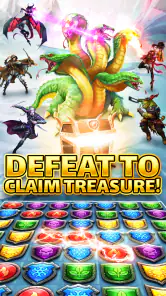
The match-3 puzzles are your battlefield. You align tiles to unleash attacks on your enemies, and the type of tiles you match determines the hero that will attack. It’s not just about matching tiles mindlessly; it’s about strategizing your moves to maximize damage and outsmart your opponents. I found myself constantly trying different strategies to see what worked best against different foes. It’s like a chess game but with a colorful twist!
Making each board move count
What gives the puzzle layer more staying power than a standard tile-clearer is the way a match feeds into combat. I try to look beyond the immediate match and consider which hero will act, where the attack will go, and whether a different line of tiles would make better use of the board. That small pause before moving is valuable: a flashy match is not automatically the most useful one if it sends damage somewhere less important.
This also makes the game less ideal when I only want a calm, low-attention puzzle. The board is readable, but its purpose is tactical, so I’m more engaged when I can think through a move rather than tap quickly between other tasks. For a short break, I’d choose a battle I can concentrate on, not assume every moment of downtime is a good time to play.
Building Your Empire
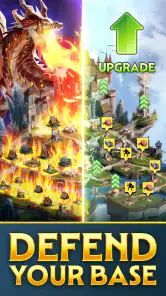
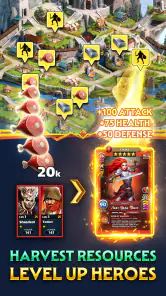
Aside from the puzzle battles, you also get to build and upgrade your base. This adds a layer of depth to the game, as you gather resources, train troops, and summon heroes to strengthen your army. The base-building aspect kept me hooked as I planned my upgrades and expansions to improve my combat capabilities.
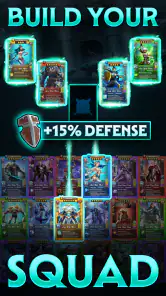
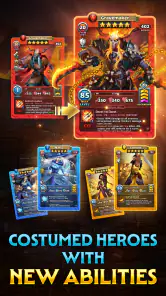
One thing I particularly enjoyed was the variety of heroes you can summon. Each hero comes with unique abilities and attributes that can turn the tide of battle. Collecting and leveling up these heroes became quite addictive. It’s like Pokémon, but with warriors and wizards!
Planning a roster without turning it into homework
It helps to treat the hero roster as a set of choices rather than a reason to develop everyone at once. When I’m deciding what to improve, I look at the team I actually use and ask whether a hero’s role complements the others. That is more practical than spreading attention across every new recruit, especially if what I enjoy most is getting back to the puzzle battles rather than managing a collection.
A useful routine is to make one roster or base decision after a battle, then stop and see how that change affects the next session. This keeps progression connected to something I can feel in play instead of making upgrades a separate chore. The trade-off is that players who love constant inventory tinkering may want to spend more time comparing options, while someone who dislikes upkeep may find the management layer intrusive.
Join the Community – Raids and Alliances
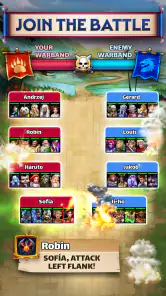
What’s a great game without a community, right? Empires & Puzzles encourages you to join alliances and participate in raids. This social aspect adds another layer of enjoyment to the game. Being part of an alliance allows you to team up with other players, share strategies, and tackle challenges together. Plus, the thrill of participating in alliance wars and raids provides a competitive edge that I found exhilarating.
Raids, on the other hand, pit you against other players’ teams in real-time battles. It’s a test of your strategic prowess and your heroes’ strength. Winning these raids can be incredibly satisfying, especially when you’ve outsmarted a tough opponent.
How to approach the competitive side
I would regard raids as a way to test a developing team, not as a clean measure of puzzle skill by itself. A result reflects both the board decisions I make and the heroes I have brought along, so I try to separate those factors when thinking about a defeat. If my team feels outmatched, refining choices and learning the combat rhythm are more useful next steps than assuming a single loss tells me the system is unfair.
Alliances add a social reason to return, but they can also change the feel of a casual game: a player who enjoys coordinating with others may find that motivating, while someone who wants to play entirely at their own pace may prefer to focus on solo progression. I’d join for the shared strategies and companionship, not because I expect an alliance to remove the game’s gradual development or make every contest even.
The purchase information supports a careful, limited conclusion: spending is offered, but the listed range alone cannot explain its effects on raids, alliance activities, or the pace of a free account. I would not make a fairness verdict from price points alone. If competitive balance is a deciding factor for you, pay attention to how the battles feel as your own team develops and avoid spending until you know what you want from the game.
Visuals and Sound
Let’s not forget about the aesthetics. The game’s graphics are vibrant and detailed, bringing the fantasy world to life. Each hero is uniquely designed, and the animations during battles are smooth and captivating. The sound effects and background music complement the visuals perfectly, creating an immersive experience that keeps you coming back for more.
Whether you’re battling monsters or simply upgrading your base, the overall presentation of the game makes it a joy to play. The developers have truly paid attention to detail, and it shows in every aspect of the game.
What to expect from a typical session
A realistic session does not need to involve every system. I might open the game for a battle during a break, make a note of which hero choice felt useful, and return later to handle a base upgrade. That separation is one of its practical strengths: the board supplies an immediate task, while the wider progression gives the next visit a purpose. It also helps me stop before a quick check turns into a long round of unrelated decisions.
For a player wondering whether it works without spending, the honest answer is to try the free game first and judge the pace personally. The purchase range tells me that paid options exist, not what a free player can accomplish in a set period or how any particular activity treats them. If gradual growth itself is enjoyable, that uncertainty may not matter much; if you expect rapid access to every hero or a level playing field in every competitive encounter, I would be cautious about choosing it for that reason.
Likewise, this is not the best match for someone looking for a finite puzzle campaign or a pure logic challenge. Its appeal comes from connecting tile decisions to a team and a developing base, which means the game keeps asking for interest beyond the current board. If I want a puzzle with a simple start and finish, I’d choose a standalone alternative; if I want a puzzle to sit inside a longer role-playing routine, this structure makes more sense.
Conclusion: A Game Worth Your Time
After spending countless hours with Empires & Puzzles, I can confidently say it’s a game that offers more than just puzzle-solving. It’s a strategic adventure that challenges your mind and keeps you engaged with its variety of content. Whether you’re a fan of puzzles or strategy games, there’s something here for everyone.
So, if you’re looking for a game that combines the fun of match-3 puzzles with the thrill of building and battling, give Empires & Puzzles a shot. You might just find yourself immersed in its enchanting world, strategizing your next move, and conquering foes one puzzle at a time.
My recommendation comes with a clear boundary: I’d try it if I enjoy connecting a small tactical puzzle to longer-term team development, and I’d keep spending decisions separate from the fun of learning the battles. The free entry point makes that a sensible way to find out whether the rhythm suits me, while the purchase range is a reason to set a personal limit before buying anything. No price range by itself can answer whether progression or competition will feel fair to a particular player.
For me, the strongest reason to stay is the link between a tile choice and the heroes I’m building; the main reason to leave would be wanting a self-contained puzzle with no ongoing management. That distinction is more useful than judging the game by its popularity. If that blend sounds appealing, it is worth a careful try; if it sounds like too many systems around a simple board, another kind of puzzle game will probably be a better use of your time.
Empires & Puzzles: Match-3 RPG Frequently Asked Questions
Is Empires & Puzzles: Match-3 RPG a good fit if I enjoy both puzzles and RPGs?
It may suit you if you like matching tiles but also want a reason to think beyond each individual puzzle. Empires & Puzzles combines match-3 battles with hero collection, team planning, and base development. The puzzle board drives combat, while building a roster and progressing your base provide longer-term goals. If you prefer a puzzle game without RPG progression, this blend may feel more involved than you want.
Does Empires & Puzzles: Match-3 RPG require in-app purchases to progress?
Purchases are optional, and the game is free to download and play. The store offers in-app items at prices ranging from $0.99 to $199.99 per item, so it is worth checking purchase settings if you share a device or want to manage spending. The game’s progression includes collecting heroes and developing your base, and choosing not to spend may mean advancing more gradually.
What kind of game is Empires & Puzzles: Match-3 RPG?
Empires & Puzzles: Match-3 RPG is a puzzle game that combines match-3 battles with role-playing and base-building elements. You collect heroes, assemble a team, match tiles to attack enemies, and develop your base as you progress. Its mix of puzzle solving and longer-term team planning may appeal to players who enjoy both quick battles and gradual progression.
Is Empires & Puzzles: Match-3 RPG suitable for younger players?
The game is rated Everyone 10+, so it is intended for players aged 10 and older. Its fantasy battles and monster encounters are presented as part of a puzzle-focused RPG experience. Parents may also want to consider that the game includes optional in-app purchases, particularly if a younger player can make purchases through the device.
What is the main objective of Empires & Puzzles: Match-3 RPG?
Empires & Puzzles: Match-3 RPG combines match-3 puzzle mechanics with strategic RPG elements. The main objective is to build a strong team of heroes, defeat enemies through puzzle battles, and expand your empire by constructing and upgrading buildings. Players must strategize to solve puzzles and use hero abilities effectively to progress through levels.
Pros
- Engaging match-3 gameplay with RPG elements.
- Regular events keep the game fresh.
- Alliance feature enhances social interaction.
- Stunning graphics and character design.
- Wide variety of heroes to collect and upgrade.
Cons
- In-app purchases can be expensive.
- Energy system limits playtime.
- Progression can be slow without spending.
- Some heroes are hard to obtain.
- Requires a stable internet connection.
- Category
- Puzzle
- Version
- 83.0.0