Coolmath Games Fun Mini Games
- 1.62K
- 3.5
- Installs
- 1.00M
- Price
- Free

Screenshots
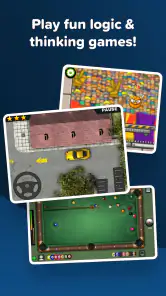
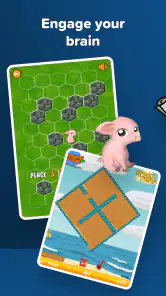
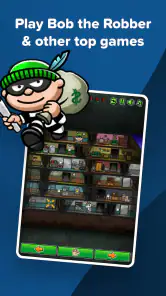
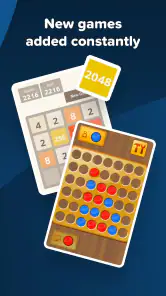

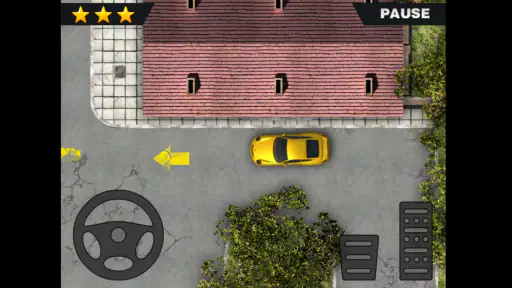
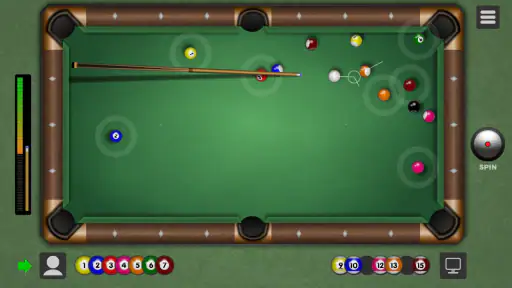
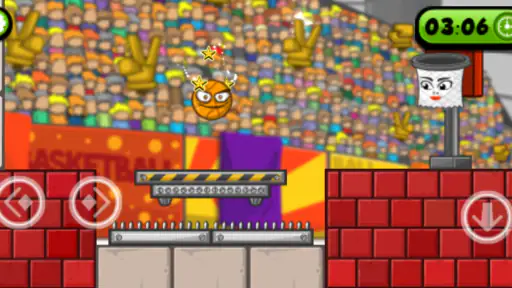
Analysis by Reviewed
I spent time with Coolmath Games Fun Mini Games as a casual arcade player looking for something I could open quickly, play in short bursts, and put down without a long setup. That is the central appeal here: it gathers strategy, logic, and learning-oriented mini-games in one free mobile package from CoolmathGames.com. It is less like committing to one large arcade adventure and more like keeping a small shelf of mental challenges ready for spare moments.
The game is aimed at Everyone, so it is an approachable choice for families, younger players, and adults who enjoy puzzles without an intense presentation. I also found that its broad mix makes it easier to find a suitable mood. Some sessions feel like light entertainment, while others demand patience and careful planning. That variety is useful, although it also means the experience can feel uneven if you expect every activity to have the same depth or pace.
How I used the game from the first launch
My most practical routine was to treat each visit as a short selection process rather than trying to play everything in order. I would open the game, choose an activity that matched the time I had, and give myself permission to stop after a single attempt. That approach suits the mini-game format much better than expecting a continuous campaign. When I had only a few minutes, I looked for something immediately understandable; when I had more patience, I chose a logic challenge that rewarded repeated attempts.
This baseline workflow matters because the collection is broad. A player who jumps between activities without a plan may remember only that the app contains many small games. A player who chooses by mood gets more value from the same content. I recommend starting with one activity, learning its rules properly, and only then moving on. The games are more enjoyable when you notice the difference between a mistake caused by rushing and a mistake caused by misunderstanding the objective.
I also used a simple reset habit. If I failed because I had made a careless move, I tried again immediately while the sequence was still fresh. If I failed because I was guessing, I switched to another activity and returned later. That small distinction prevents the collection from turning into repetitive frustration. It also makes the strategy and logic elements feel more meaningful, because improvement comes from changing the way I approach a problem rather than merely tapping faster.
A realistic everyday use case is a short break between tasks. Instead of opening a social feed and losing track of time, I could choose one mini-game, play until I reached a natural stopping point, and return to what I was doing. It is also suitable for a child who wants variety without installing several separate titles. For family use, I would still encourage an adult to play alongside younger users occasionally, not because the age rating is restrictive, but because talking through a puzzle can turn a quick game into a useful learning moment.
The game is free, which removes the biggest barrier to trying the collection. That makes it easier to test several activities before deciding whether the style suits you. The trade-off is that a free, mixed collection should not be approached with the same expectations as a carefully focused premium puzzle game. If you want one polished mechanic developed over many stages, a dedicated puzzle title will probably feel more coherent.
Settings and preparation worth checking
Before settling into regular play, I would check the device’s basic sound and notification behavior. Mini-games often depend on clear feedback, but not every situation is suitable for audio. Playing silently is more comfortable in a waiting room or shared space, while sound can make interactions easier to follow at home. This is not a special trick inside the game; it is a practical part of using a small arcade collection without letting it interrupt the rest of your day.
I would also make sure the device is comfortable to hold and that accidental touches are unlikely. Short games encourage quick restarts, and a cramped grip can make a simple input feel harder than the puzzle itself. On a phone, I preferred playing with the screen clean and the device held steadily rather than trying to operate it one-handed while walking or multitasking. The collection is casual, but concentration still improves when the physical setup is sensible.
The technical entry point is fairly accessible. The game supports devices using Android 6.0 or later, and version 1.5.1 is the current version associated with the app. That makes it relevant to people using older compatible phones as well as newer devices. I would still keep the operating system and app updated when possible, because a stable session is especially important when the main appeal is opening the game for a quick break.
One useful preparation habit is deciding what “done” means before starting. For a short session, that might be one completed round or five minutes of play. For a longer session, it might be solving a particular kind of challenge without relying on random attempts. Without a stopping point, a collection of mini-games can quietly become a long distraction. With one, it becomes easier to use the app as a deliberate mental break.
I would not install it expecting a large amount of customization or a deeply personal profile system. Its strength is the selection of activities, not turning the player into a character with a long-term identity. Players who enjoy adjusting difficulty, building a detailed account, or tracking extensive performance history may find a specialist alternative more satisfying. Here, the useful settings are mostly the ones that make the phone comfortable and the session easy to control.
Faster patterns that improve repeat sessions
After several sessions, I noticed that speed came less from tapping quickly and more from reducing wasted decisions. In logic activities, I tried to identify the objective before making the first move. In strategy-oriented challenges, I looked for the consequence of an action rather than reacting to the most obvious option. That sounds simple, but it changes the experience from trial-and-error entertainment into a small exercise in planning.
A strong repeatable pattern is to separate learning attempts from score attempts. On the first try, I focused on discovering the rules and observing what caused failure. On the next try, I used that information deliberately. This is more effective than restarting instantly after every mistake, because an immediate restart can repeat the same misunderstanding. The collection works best when I treat each failed attempt as a short note about the game’s logic.
Another useful habit is to avoid switching activities at the first sign of difficulty. Variety is valuable, but leaving every challenge as soon as it becomes demanding prevents the strategic side from developing. I usually gave a difficult activity two or three thoughtful attempts before deciding whether it was a poor fit for my mood. That boundary kept the experience balanced: I was not forcing myself through frustration, but I was also not avoiding every challenge that required concentration.
For younger players, I would turn the process into a question-and-answer routine. Ask what the goal appears to be, what changed after the last move, and what could be tested next. This encourages reasoning without making the session feel like homework. Because the content is rated Everyone and combines arcade play with logic and learning elements, it can work well as a shared activity, especially when the adult resists solving the puzzle too quickly.
For adults, the best use may be switching deliberately between mental demands. I found it more refreshing to alternate a fast, simple activity with a slower planning challenge than to repeat one type for a long time. The contrast helps prevent fatigue and gives the collection a clearer rhythm. It also highlights one of the app’s real strengths: the variety is not just a list of unrelated games; it lets the player choose how much concentration to spend.
Compared with a typical single-mechanic arcade game, this approach gives the app more flexibility but less identity. A focused alternative may offer tighter controls, a clearer progression loop, and a stronger sense of mastery within one system. Coolmath Games Fun Mini Games is better when I want choice and low commitment. It is weaker when I want to become highly skilled at one mechanic and see that skill reflected through a carefully structured sequence.
Where experienced play reaches its limits
The collection’s variety can also be its main limitation. Not every mini-game will suit every player, and the jump between activities may make the overall experience feel less consistent than a dedicated arcade title. I sometimes enjoyed the freedom to move on, but I also noticed that a less appealing activity could interrupt the sense of momentum. The right expectation is a sampler of casual challenges, not one unified game with every part equally polished.
There is also a limit to how much a player can optimize a short session. Better habits can make me more thoughtful and reduce unnecessary restarts, but they cannot transform a simple mini-game into a full-length strategic experience. If you are looking for complex systems, long-term planning, or a substantial narrative, this is probably not the right choice. A deeper puzzle game or a traditional arcade title with a single progression path would be a better match.
I would also skip it if my main priority is competitive online play or a rich social layer. The appeal here is personal problem-solving and quick entertainment, not building a large multiplayer routine. Likewise, players who dislike changing rules may prefer an app that stays with one familiar control scheme. The collection asks you to adapt from one activity to another, and that flexibility is enjoyable only if you like learning new small rule sets.
Its age rating makes the game easy to consider for a broad audience, but that does not mean every session will be equally valuable for every age. A child may enjoy the immediate interaction, while an adult may prefer the activities that reward planning. I would use it selectively rather than assuming the entire collection fits one player perfectly. For family sharing, choosing activities together is more effective than handing over the phone and expecting the variety to organize itself.
The public response suggests a reasonably established audience, with an average rating of 3.5 from around 5.4 thousand ratings and roughly 1.6 thousand written reviews. I read that as a sign of mixed but substantial interest rather than universal approval. The game has also passed one million installs, which supports the idea that its format appeals to many casual players. Those figures are useful context, but my own recommendation depends more on whether you value variety over depth.
The developer, CoolmathGames.com, gives the collection a recognizable educational-arcade direction. That combination is important: this is not simply a reflex test, and it is not presented as a formal study tool either. I found it most convincing in the middle ground, where a player can enjoy a game first and notice the reasoning element afterward. Anyone expecting structured lessons, detailed instruction, or measurable academic progress should choose a dedicated learning app instead.
Who should install it and who should pass
I would recommend it to someone who wants a free arcade game that can fill short gaps in the day without requiring a long tutorial or a serious commitment. It is particularly suitable for players who like sampling different forms of logic and strategy, parents looking for age-appropriate casual content, and adults who enjoy small mental challenges during breaks. The one-million-plus install base also shows that the format has reached well beyond a niche audience.
I would be more cautious about recommending it to a player who needs a strong progression system. If your ideal game has one central mechanic, carefully balanced stages, extensive customization, or a clear end goal, this collection may feel scattered. A specialist puzzle game will usually offer more depth, while a conventional arcade game may deliver more immediate action. The choice comes down to whether breadth or refinement matters more to you.
My best practical advice is to use it in controlled sessions. Pick an activity based on your available time, give the rules a fair first attempt, and decide whether you are learning, practicing, or simply relaxing. Keep the device setup comfortable, avoid playing while distracted, and switch activities intentionally rather than automatically. These habits make the app feel more rewarding without pretending that every mini-game will become a personal favorite.
My verdict after building a regular routine
Coolmath Games Fun Mini Games works because it lowers the effort needed to find a small challenge. I can open it for a quick break, choose between different styles of play, and leave without feeling that I abandoned a major adventure. The free price and Everyone rating make it easy to recommend as a low-risk download, especially for families and casual players.
At the same time, I would not describe it as a replacement for a deep puzzle game or a focused arcade classic. Its uneven variety is part of the charm, but it also limits mastery. The strongest experience comes from choosing activities deliberately, learning from failed attempts, and using the collection as a flexible mental workout rather than demanding a single continuous journey.
For me, the final decision is straightforward: choose this game when variety and short, thoughtful sessions matter more than depth. It is a good companion for spare minutes, a useful shared activity with younger players, and an accessible introduction to strategy and logic games. If that sounds like the way you already play on mobile, I think it is worth trying. If you want a highly polished system to study for weeks, I would look elsewhere.
Pros
- Large variety of quick games across puzzles
- strategy
- sports
- and arcade genres.
- Simple controls make many titles easy to pick up without a tutorial.
- Most games are free to play with no mandatory account required.
- Short sessions work well for breaks
- commuting
- or casual entertainment.
- Family-friendly content is generally suitable for younger players.
Cons
- Advertising can interrupt gameplay and reduce the overall enjoyment.
- Some games require an internet connection to load or continue playing.
- Game quality and depth vary noticeably across the available selection.
- Certain titles may feel repetitive after several sessions.
- In-app purchases or premium options may be needed for an ad-free experience.

- Category
- Arcade
- Version
- 1.5.1