Arcade Live
- 155.00
- 2.7
- Installs
- 50.00K
- Price
- Free

Screenshots


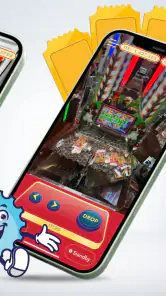





Analysis by Reviewed
I approached Arcade Live as a quick arcade stop rather than a traditional mobile game. Its central idea is unusual: you watch real, live-action claw machines and coin pushers remotely, then play from your phone. That makes the experience feel closer to taking a turn at a physical arcade than to controlling a fully digital prize game. It is a free arcade title from Sprocket's Fun Factory, LLC, aimed at Everyone, and it has attracted over 50 thousand installs.
My first impression was that the appeal depends less on long sessions and more on the small thrill of waiting for a real machine to respond. You choose an available machine, study what is happening on screen, make a move, and see the physical result. That delay and uncertainty are part of the charm, but they also mean this is not the right choice for someone expecting instant, endlessly repeatable arcade action.
How I use the remote arcade without wasting turns
The baseline workflow is all about observation
The most useful habit is simple: I do not rush into the first available machine. With a remote claw machine or coin pusher, the visible layout matters more than the name of the game. I look at the position of prizes, the angle of the claw, and whether a coin pusher appears close to a useful drop. A few seconds of observation can make the difference between a deliberate attempt and a random one.
That is especially important because the machines are physical. A digital claw game can respond immediately and predictably, but a real claw may shift, bounce, slide, or fail to hold an object. I treat every turn as an experiment with a visible setup rather than assuming the outcome is controlled only by my timing. This mindset makes the occasional miss less frustrating and helps me decide when a machine is not worth another attempt.
For a claw machine, I focus on alignment before movement. I try to identify whether the claw can approach the prize from a useful direction instead of aiming at the center automatically. A prize near a wall, another object, or an awkward corner may look tempting but require more luck than skill. If the arrangement is crowded, I prefer a target with a clear path, even when it is not the most attractive item on screen.
Coin pushers require a different rhythm. I watch the front edge and try to understand where a new coin might create pressure. Dropping repeatedly in the same place can feel active, but it does not necessarily improve the position of the pile. I get more value from alternating between watching the platform and choosing a drop location with a specific purpose. The aim is not simply to add another coin; it is to encourage movement toward the edge.
One practical use case is a short break during the day. I can open the game, inspect what is available, make a careful attempt, and leave without needing to learn a complicated control system. It works well for people who enjoy the suspense of an arcade machine but do not have one nearby. It is less suitable when I want a game that remains satisfying through a long commute with constant input.
Settings deserve a quick check before serious play
I recommend checking the available in-game controls and notification behavior before settling into a routine. Remote play can be more sensitive to interruptions than an ordinary offline arcade title, so I prefer using it when my connection and attention are stable. If the screen changes, a call arrives, or I have to switch apps repeatedly, the experience becomes harder to judge fairly.
I also look for any sound, vibration, or display options that affect how clearly I can follow the machine. These details are not cosmetic when the game depends on watching a physical action. A loud environment can hide useful feedback, while excessive vibration can make a quick session feel busier than it needs to be. My preferred setup is quiet audio, a steady grip, and enough screen brightness to see the machine without constantly adjusting the phone.
The game is free to install, but it includes in-app purchases priced from $9.99 to $99.99 per item. That changes how I approach it. I would not begin by treating purchased play as an unlimited arcade budget. I first learn how the controls feel and whether the live-machine format suits me. Anyone who dislikes spending money on chance-based attempts should be especially disciplined here, because the excitement of a near miss can encourage another try before the previous decision has really sunk in.
A useful personal rule is to decide my stopping point before I play. I do not increase spending simply because a prize appears close or because an earlier attempt failed. That rule is more valuable than any supposed trick, since the physical machine can behave unpredictably and no viewing angle guarantees success. The game is most enjoyable for me when the cost remains a conscious choice rather than a reaction to frustration.
Faster patterns for experienced sessions
After a few sessions, I found that speed comes from repeating a viewing routine, not from tapping more quickly. I scan the machine, choose one target, identify the likely approach, and only then act. This reduces the temptation to make several unfocused attempts. It also makes it easier to remember what happened, which is useful when deciding whether a particular setup is improving.
For claw play, I separate three questions: can the claw reach the target, can it grip the target, and can the target travel without catching on something else? Many weak attempts answer only the first question. A prize that is reachable may still be poorly positioned for a secure grip. If the object is partly covered or pressed against another prize, I may use an attempt to shift the arrangement rather than expecting an immediate win.
That creates a repeatable pattern: first inspect, then choose whether the goal is a direct grab or a repositioning move. The second option is easy to overlook because it does not feel like progress, but clearing a path can make a later attempt more sensible. I would not use this approach when every attempt carries a meaningful cost for me; in that case, I prefer waiting for a more favorable layout.
With coin pushers, I find it helpful to watch the timing of the platform rather than dropping as soon as a space appears. A coin placed when the platform is moving in a useful direction may contribute more than one dropped during a quiet moment. I do not regard this as a guaranteed technique, but it gives each action a reason. The best routine is to observe one cycle, select a drop point, and then reassess instead of repeating one tap mechanically.
Another habit is to avoid switching machines too often. Constantly browsing can create the feeling that a better opportunity is always waiting, which makes it harder to evaluate any machine properly. I prefer comparing a small number of visible setups, selecting the clearest one, and giving it my full attention. This is a modest change, but it makes the game feel less like scrolling and more like playing.
What the current version changes for expectations
The current version is 2.3.37, and the game requires Android 7.0 or later. That makes it accessible to many older Android devices, although compatibility alone does not guarantee that every phone will present a remote video feed equally well. A smaller screen can make alignment harder, and a device that struggles with live video may make precise play feel less comfortable.
I would also keep expectations realistic about the rating. The game has an average rating of 2.7 from around 255 ratings and around 155 written reviews. I read that as a sign to approach the experience with curiosity rather than assuming it will work perfectly for everyone. The concept is distinctive, but the same live, physical format that makes it interesting can also introduce waiting, uncertainty, and moments where the result feels outside my control.
The age rating is Everyone, which fits the straightforward arcade presentation. Still, an Everyone rating does not remove the need for family guidance around purchases. If a child uses the game, I would make the spending rules clear before handing over the phone. The important conversation is not about difficult controls; it is about understanding that free installation and optional purchases are separate parts of the experience.
Advanced limits that affect the value of each attempt
The biggest limitation is that skill has a ceiling. Careful positioning can improve a decision, but I cannot turn a physical claw into a perfectly reliable tool. The machine's grip, the prize arrangement, and the final movement all matter. This is why I would avoid reviews of my own performance that say “I played badly” after every miss. Sometimes the setup is simply unfavorable.
There is also a difference between entertainment value and prize value. If my only goal is to obtain a specific item as efficiently as possible, a normal shop or a conventional digital game may be a better option. Arcade Live makes sense when I value the process: watching the machine, making a choice, and sharing the tension of a real-world result. The prize is part of the appeal, but it should not be the sole reason to keep playing.
Compared with ordinary claw-machine games on mobile, this format feels less predictable and less instantly responsive. A fully digital alternative is usually better for rapid retries, practice, and consistent feedback. Compared with visiting a physical arcade, this game is more convenient because I can play from home, but it cannot reproduce the atmosphere of standing beside a machine or the social energy of a real venue. It sits between those two options, trading physical presence for remote access.
That middle ground is also its strongest identity. I can enjoy the idea of a live machine without traveling, and I can stop after a short session without committing to an arcade outing. On the other hand, anyone who dislikes waiting for a remote action or wants complete control over every outcome will probably prefer a conventional arcade app. The unusual format is not automatically an advantage; it is valuable only if that uncertainty is part of what I want.
I would be cautious about building a strategy around a single successful attempt. A lucky grab can make a machine appear easier than it is, while a miss can make a reasonable setup seem broken. I judge the experience over several decisions and pay attention to whether I am making clearer choices, not just whether I received a favorable result. This keeps the game from turning into a cycle of chasing the last outcome.
Who will get the most from it?
I think the best audience is someone who enjoys claw machines and coin pushers but wants the convenience of a phone. It also suits players who like short bursts of suspense and are comfortable accepting that a physical mechanism may not behave exactly as hoped. The live-action element gives the game a character that many standard arcade apps lack.
I would recommend it less strongly to competitive players who want leaderboards, deep progression, or a clear skill ladder. The experience is centered on individual machine attempts, so its appeal comes from the moment-to-moment interaction rather than a broad campaign. It is also a poor fit for anyone who finds randomized outcomes irritating or who may be tempted to spend more after a disappointing result.
For a household, the game can work as a shared curiosity: one person watches the setup while another suggests a target or timing choice. That makes the remote format more social than it first appears. Still, I would keep the purchase boundary visible and agree on it before playing together. The excitement is easier to enjoy when nobody is arguing afterward about an impulse decision.
My mastery verdict
My recommendation is to treat Arcade Live as a focused remote arcade experience, not as a replacement for every kind of mobile game. The strongest routine is to inspect before acting, choose targets with a clear path, use coin-pusher timing deliberately, and stop when the session stops feeling thoughtful. Those habits do not remove chance, but they make the game more engaging and reduce wasteful attempts.
The concept from Sprocket's Fun Factory, LLC is genuinely different, and the free entry point makes it easy to discover whether live-action remote play appeals to me. At the same time, the modest average rating and the presence of paid items are good reasons to begin carefully. I would install it for the novelty of operating real arcade machines through a phone, not because I expect guaranteed prizes or flawless control.
After trying the available approaches, my final view is balanced: the fun is in making a considered decision before the machine moves. If that pause, uncertainty, and physical response sound exciting, this arcade game is worth exploring in short, controlled sessions. If I want instant retries, predictable mechanics, or a purely skill-based challenge, I would choose a conventional digital arcade title instead.
Pros
- Live arcade gameplay offers quick
- entertaining sessions.
- Competitive challenges can keep regular players engaged.
- Simple controls make it easy to start playing.
- A variety of arcade-style activities adds gameplay variety.
- Online features can make matches feel more dynamic.
Cons
- Performance may depend heavily on your internet connection.
- Some features or content may require in-app purchases.
- Competitive play can become repetitive over time.
- Advertisements may interrupt the gaming experience.
- The app may consume noticeable battery during longer sessions.

- Category
- Arcade
- Version
- 2.3.37