We Are Cooking: Taste of Life
- 1.27K
- 4.7
- Installs
- 5.00M
- Price
- Free

Screenshots
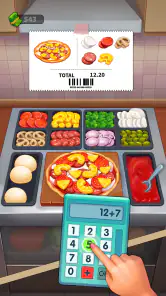


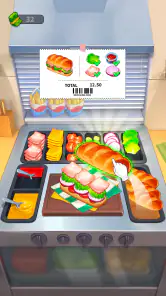



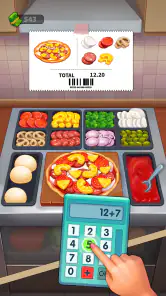
Analysis by Reviewed
The appeal of a cooking arcade game is easy to understand: orders arrive, you act quickly, and a busy shift turns into a satisfying little test of focus. We Are Cooking: Taste of Life builds its experience around that familiar rhythm. I found it easiest to enjoy when I treated each play session as a short burst of restaurant work rather than a deep simulation. The fun comes from responding to a rush, seeing how well I kept up, and deciding whether I want one more go.
That makes it a natural fit for spare moments: a break between tasks, a quiet stretch on the sofa, or a quick game before putting your phone away. It is a free arcade game from Matryoshka, rated for Everyone, and its 4.7 average from around 40,000 ratings suggests that many players enjoy the format. Still, a strong rating cannot tell you whether the pace suits you. The important question is whether you like quick, repeated bursts of attention.
From the first order to the first rush
The central idea is to cook food and manage a restaurant while keeping up with the demands of a time-management game. That gives each session a clear starting point: pay attention to what needs doing, act promptly, and try to avoid letting the work pile up. Unlike a cooking game focused mainly on experimenting with recipes, this one puts the pressure of service at the centre of the experience.
I would approach the opening minutes as a chance to learn the game’s visual language, not as a race to play perfectly. In games built around timed orders, recognising what needs attention is part of the challenge. A useful habit is to look across the whole work area before committing to the next action. That small pause can be more valuable than tapping quickly without a plan, especially once several things compete for your attention.
This is also where the game’s arcade identity matters. The attraction is not a realistic account of running a restaurant, with all the planning and uncertainty that would involve. It is the immediate, readable problem of handling food and orders under pressure. If you want a relaxed cooking sandbox where you can take your time, the time-management framing may feel too demanding. If you enjoy having a clear task and a reason to react quickly, the structure makes sense.
Why the action feels approachable
There is a familiar pleasure in moving from a simple task to a busier one. At first, you are learning what the game expects; as the pace rises, the same basic attention becomes more important. I like this kind of progression when it lets me improve through better decisions rather than relying only on frantic tapping. The practical tip is to notice which action is currently blocking progress, then deal with that before spreading your focus too thin.
That approach is useful even if you only play for a few minutes at a time. A short session can still feel complete when you enter with one modest goal: understand the flow, handle the next rush more calmly, or see whether you can keep your attention steady. It also gives you a fairer sense of whether the game’s pressure is enjoyable. A cooking game can look cheerful while still asking for concentrated play, and those are not the same thing.
The rhythm of feedback and the reason to continue
The loop works because action is followed by feedback. You respond to the restaurant’s demands, find out whether your timing and attention were enough, and then have a reason to try again. That pattern is more compelling than simply tapping through a sequence with no consequence. A successful stretch can feel like you have found a workable rhythm; a messy one gives you something specific to adjust next time.
For me, the most helpful adjustment is to separate urgency from noise. When several tasks seem important, it is tempting to react to whichever catches the eye first. Instead, I would scan for the step that is holding up the rest of the work, address it, and then reassess. This is a general way to make time-management play feel less chaotic, and it is especially valuable in a game whose central appeal is keeping a restaurant moving.
The feedback also explains why a session can end without feeling like a failure. If you fall behind, you have learned where your attention slipped; if you manage the rush, you get the satisfaction of having handled it. The next attempt is not necessarily about chasing a perfect run. It can simply be a chance to apply one improvement, such as checking the whole situation before acting or resisting the urge to switch tasks too often.
Small habits that make a busy shift easier
One useful way to play is to give each attempt a single focus. On one run, pay attention to recognising the order of work; on another, try to stay composed when the pace picks up. This keeps the game from becoming a blur of taps and makes the result more informative. It is also a good fit for short breaks, because you can finish with a clear sense of what you were practising instead of needing a long uninterrupted session.
Another trade-off is that speed and clarity are not always the same thing. Acting faster may help when the restaurant is busy, but rushing without looking can create avoidable mistakes. I would favour deliberate attention over frantic input, particularly while learning. If the game’s pressure starts to feel tiring rather than exciting, that is a cue to stop for the moment rather than force another attempt. The loop is at its best when the challenge leaves you curious, not irritated.
The comparison with other cooking games is useful here. A recipe-focused title tends to reward experimentation and patience; a broader restaurant-management game may place more weight on long-term planning. We Are Cooking: Taste of Life sits closer to the arcade end of the spectrum: its strongest appeal is the immediate work of keeping service moving. Choose it for a quick challenge, not because you expect a detailed business simulator or an open-ended kitchen to explore.
Rewards, spending, and the next session
Progress feels most rewarding when it reflects improved handling of the rush. I would pay attention to whether a later attempt feels more orderly than an earlier one, rather than judging enjoyment only by a single outcome. That makes the reward personal and practical: you notice that you can read the situation sooner, make fewer rushed choices, or simply stay focused for longer.
The game is free to download, with in-app purchases priced from $0.99 to $199.99 per item. That wide range is worth keeping in mind before spending. I recommend playing first and deciding whether the core loop holds your interest without purchases. If you are comfortable with a free game that offers optional paid items, that may be enough; if you prefer games with a fixed upfront cost and no purchase prompts, a paid alternative may suit you better.
We Are Cooking: Taste of Life has more than five million installs, and its current version is 0.17.0.102. It supports Android 7.0 and later. Those details make it straightforward to check basic compatibility, but I would still make the decision based on the kind of play you want: short, responsive restaurant action rather than a slow, highly detailed cooking experience.
The reason to begin another session is simple: you can try to handle the next bout of activity a little better. That is a satisfying motive when you have a few spare minutes and enjoy seeing a small improvement quickly. It is less convincing if you want every session to introduce a substantially different kind of play. Repeatedly returning to a familiar loop is part of the design’s appeal, but it can also make the experience feel repetitive for players who need frequent novelty.
Who should pick it up
I would recommend it to people who like quick arcade challenges, enjoy keeping several demands in mind, and find satisfaction in improving their timing. It is particularly suited to someone who wants an easy-to-understand premise and does not need a long story or a realistic restaurant-management layer to stay engaged. Its Everyone age rating also makes the intended audience broad, though individual comfort with timed pressure still matters.
I would skip it if your idea of a cooking game is leisurely recipe creation, if you dislike being hurried, or if repeated attempts quickly become monotonous for you. Someone seeking deeper planning may be happier with a management-focused game, while a player who wants to experiment at their own pace should look for a less time-driven cooking experience. The distinction is not about which style is better; it is about whether the restaurant rush is the part you came for.
Matryoshka has made a clear arcade proposition here, and the game’s best moments come from the change between pressure and control: a rush tests you, feedback shows how you handled it, and a fresh attempt gives you a chance to respond differently. With a 4.7 average and around 1,300 written reviews, We Are Cooking: Taste of Life has attracted plenty of interest, but I would still treat it as a game to try for its specific rhythm rather than as a guaranteed fit for every cooking fan.
My verdict is that it is worth trying if you enjoy quick restaurant challenges and can take pleasure in refining your approach one session at a time. The loop is easy to grasp, the free entry point makes it simple to sample, and the time-management focus gives each attempt a clear purpose. Just keep your expectations grounded: this is for the satisfaction of handling a busy shift, not for unhurried kitchen creativity. If that sounds like your kind of break, it is a reasonable game to keep on your phone; if you want calm cooking or deeper strategy, another style will serve you better.
We Are Cooking: Taste of Life Frequently Asked Questions
What is We Are Cooking: Taste of Life?
We Are Cooking: Taste of Life is a cooking and restaurant-management game built around preparing dishes and serving customers. Players work through food-service challenges, aiming to complete orders within a time limit and keep customers satisfied. The game combines quick interactions with progression through cooking and restaurant content. Exact features, available locations, and progression systems may vary by version, so check the current store listing before downloading.
Is We Are Cooking: Taste of Life free to play?
The game may be available to download without an upfront purchase, but free-to-play games can include optional in-app purchases, advertisements, or both. These may offer extra resources, faster progress, or other conveniences, depending on the current version. Review the Google Play or App Store listing for the latest pricing and purchase details, and check your device’s purchase settings if you want to prevent accidental spending.
Can I play We Are Cooking: Taste of Life offline?
Offline availability can depend on the game’s version and which features you want to use. Some cooking challenges may work without a continuous connection, while updates, account features, advertisements, or purchases may require internet access. Before relying on offline play, launch the game once while connected and check whether it lets you continue playing after disconnecting. The store listing or developer support can confirm current requirements.
Is We Are Cooking: Taste of Life suitable for children?
Its cooking-game theme may appeal to younger players, but suitability depends on the child and the game’s current content, advertising, and purchase options. Check the age rating and content disclosures on the relevant app store, and consider whether time-limited challenges are appropriate for your household. If children use the device, parental controls can help manage screen time, advertisements, and in-app purchases.
What should I check before downloading We Are Cooking: Taste of Life?
Confirm that your phone or tablet meets the game’s current operating-system and storage requirements, as these can change with updates. Download it from the official Google Play or Apple App Store listing, and verify the developer name to avoid unofficial copies. It is also worth reviewing recent user feedback, privacy information, and permissions, particularly if you plan to use account features or make in-app purchases.
Articles Related to We Are Cooking: Taste of Life
Clash of Clans Is Won Between the Battles
Its raids are quick; its community is a long-term project of coordination, teaching, rivalry, and shared responsibility—with all the friction that entails.
Android Auto Makes the Case for Quieter Car Software
The car interface is no longer judged by how much it can do, but by how quietly it helps. Android Auto shows what drivers now expect—and what still gets in the way.
MobiOffice: Transforming Mobile Productivity with Seamless Integration
MobiOffice: Word, Sheets, PDF is redefining mobile productivity with a surprising blend of functionality and innovation.
EA SPORTS FC™ Mobile Soccer: Redefining Mobile Sports Gaming
Dive into EA SPORTS FC™ Mobile Soccer, where immersive gameplay and strategic depth transform mobile sports gaming.
Pros
- Bright visuals and cheerful animations make the cooking levels inviting.
- A variety of dishes keeps the food-preparation tasks from feeling repetitive.
- Short stages suit quick play sessions on a phone.
- Restaurant themes give locations a distinct look and atmosphere.
- Progression provides new goals as you advance through the game.
Cons
- Timed levels can feel stressful if you prefer a relaxed cooking game.
- Later stages may require repeated attempts to earn enough stars.
- Upgrades can take time to unlock without spending resources.
- Frequent taps may feel tiring during longer play sessions.
- Some players may find the story less engaging than the cooking challenges.

- Category
- Arcade
- Version
- 0.17.0.102