Upping Floors – Stack Blocks
- 18.00
- 4.1
- Installs
- 10.00K
- Price
- $0.05

Screenshots




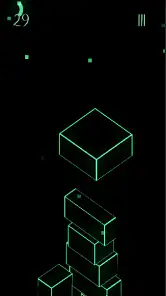



Analysis by Reviewed
I first treated Upping Floors – Stack Blocks as the kind of game you open for a spare minute, not as something that demands a long session. That expectation fits it well. Developed by Quantic Bit, this Android arcade game is built around one clear challenge: place blocks carefully and keep the tower rising. The idea is immediately understandable, which makes it a natural fit for a shared phone or tablet in a household where different people may want a quick turn without learning a complicated control system.
Its small price of $0.05 also places it in an unusual position. It is not a free game that everyone downloads casually, but it is still inexpensive enough to feel like a low-risk purchase. I would describe it as a compact reflex game rather than a deep arcade package. If you enjoy improving through repeated attempts, it has a sensible appeal. If you need missions, characters, a story, or a large collection of modes, you will probably find the experience too narrow.
How it works when several people share the device
The strongest household use case is a quick pass-and-play session. One person can make an attempt, hand over the device, and let the next player try to beat the result. Because the store summary focuses on stacking blocks as high as possible, the central objective is simple enough for someone to understand without a tutorial conversation. That matters when the game is being used by a mixture of experienced players and people who rarely play mobile games.
I can easily imagine it appearing during a short wait, after dinner, or while a family is deciding what to watch. The game does not need a group to agree on a complicated rule set. The basic household challenge can be as simple as asking who can build the tallest tower or who can improve their own previous attempt. That simplicity makes it more suitable for informal competition than for a planned multiplayer evening.
There is also a useful distinction between sharing a game and sharing progress. A single device can be passed around, but that does not automatically mean each player has a separate profile, account, or saved record. I would therefore treat the phone or tablet as the shared play surface, not assume that it provides individual household spaces. If separate personal progress is important, each player should agree beforehand on how results will be remembered, whether that means writing them down or using a simple household note.
That boundary is not a deal-breaker for a game this small, but it changes how I would organize a shared session. I would not promise children that the app will keep their personal achievements separate from a sibling’s. Instead, I would make the rules part of the activity: one attempt each, a fixed order, and an agreed way to record the best height. The game supplies the immediate challenge; the household supplies the coordination.
A practical routine for a shared phone
For a smoother turn-taking session, I would choose one device, keep the screen orientation consistent, and decide whether everyone gets one attempt or several. That may sound obvious, but arcade games become less enjoyable when players argue about whether a failed opening move counts or whether someone deserves a restart. A short, agreed routine keeps the focus on timing rather than on the rules around the game.
I also recommend giving younger players a few unscored practice turns before beginning a competition. The goal is not to create a formal training mode; it is simply to let them understand the movement and rhythm without feeling that an adult is immediately judging their result. Once everyone knows what to expect, the game becomes more welcoming across different skill levels.
For adults sharing the device, the same approach works in a different way. A quick challenge can fill a gap without turning into another account-management task. The trade-off is that the experience remains local and informal. If your household wants synchronized scores, separate profiles, or a more structured multiplayer system, a larger arcade title with explicit support for those features would be a better choice.
Setup, boundaries, and everyday use
The technical entry point is modest. The game requires Android 6.0 or later, and its current version is 1.0.9. That makes it accessible on many older Android devices, although compatibility on paper is not the same as a guarantee that every device will feel equally comfortable. With a timing-based game, screen responsiveness and touch accuracy matter more than they would in a turn-based puzzle.
Before handing the device to a child, I would check the normal phone settings and store restrictions that the household already uses. The title itself carries an Everyone content rating, which makes its basic presentation appropriate for a broad audience. Still, an age label does not replace a parent’s judgment about screen time, purchasing access, or whether a child should use a particular device unsupervised.
The very low purchase price reduces one kind of hesitation, but it should not be confused with a complete household safety arrangement. I would make the purchase from the adult’s account, confirm which device is being used, and avoid letting a child manage store settings simply because the game is inexpensive. Those are sensible boundaries for any paid mobile game, especially on a device used by several people.
Another practical point is physical handling. Stacking games invite concentration, and players may tap more firmly when a tower begins to wobble or when they are trying to beat a record. On a shared tablet, I would place the device on a stable surface rather than passing it rapidly between people. On a phone, a case and a clear turn order can prevent the small game from becoming a source of unnecessary accidents.
Because the concept is so focused, the game is easy to introduce but also easy to outgrow. A child who enjoys improving timing may return to it repeatedly, while another child may ask for more variety after only a few attempts. I would present it as one small activity in a shared collection, not as the household’s main game. That expectation makes its limited scope feel intentional instead of disappointing.
What the simple design demands from the player
Stacking blocks looks passive when described in one sentence, but the appeal comes from the pressure created by each placement. The player has to watch the moving piece, judge when to act, and accept that a small mistake can affect everything that follows. In my experience with this kind of arcade design, the interesting part is not the first successful stack; it is learning to stay composed when the tower becomes less forgiving.
That also explains why the game can work for short sessions. There is no need to remember a storyline or prepare a strategy before starting. A player can return after a break and understand the objective immediately. The downside is that repeated attempts can feel similar if the player is not motivated by personal improvement. Someone who prefers exploration or changing objectives may find the loop repetitive rather than relaxing.
A useful household variation is to set different goals for different players. One person might aim for a first stable tower, another might chase the group record, and an adult might focus on making a clean attempt without rushing. This avoids treating a single numerical result as the only measure of success. It also lets younger or less experienced players participate without being compared unfairly with someone who has practiced longer.
Coordinating turns without turning it into a competition
Shared-device play works best when the game is used as a conversation starter rather than as a test of who is naturally better. I would ask players to describe what they noticed after an attempt: whether they rushed, waited too long, or lost concentration near the top. That turns the short arcade loop into a small exercise in observation and self-correction, which is more rewarding than simply demanding another try.
For siblings or friends, a rotating order is fairer than letting the person with the best result keep the device. A simple rule such as “one attempt, then pass” keeps the game moving and avoids a common problem with score-based activities: the strongest player controls the session. If the group wants longer turns, I would set a number of attempts in advance rather than deciding after each result.
Adults may also want to separate coaching from playing. Advice given during a tense attempt can distract the person holding the device, particularly if the player is young or still learning the timing. I would let the player finish first, then offer one specific suggestion. That approach respects the player’s ownership of the turn and keeps the game from feeling like a lesson.
The game’s narrow objective makes it easy to create household challenges, but I would avoid inventing rules that imply the app supports them directly. A weekly record, a handwritten leaderboard, or a “best attempt before bedtime” challenge can all happen around the game. They are household systems, not built-in features. Keeping that distinction clear prevents confusion over where results are stored or whether every participant has an individual account.
There is a social trade-off here. A quick shared challenge can bring people together because everyone understands the same goal, yet the lack of deeper cooperative play means players are still taking separate turns. If your household wants people to build something together at the same time, a cooperative puzzle or creative construction game will offer more direct interaction. This title is better for friendly comparison and short encouragement.
Age, trust, and choosing the right player
The Everyone rating is one reason I would consider it suitable for a mixed-age household. The premise is uncomplicated, and nothing about the central stacking task requires mature themes or specialized knowledge. That does not mean every child will enjoy it equally. The game rewards patience and timing, so a player who expects constant action, bright variety, or a story may lose interest quickly.
For younger children, I would focus on whether they can comfortably control the device and handle a failed attempt. The challenge may encourage repeated retries, which can be positive when the child enjoys practice but frustrating when they become upset by small mistakes. A parent can help by setting a natural stopping point, such as a few turns or one agreed session, rather than allowing the pursuit of a higher tower to continue indefinitely.
For older children and adults, the question is less about content and more about depth. The game can be a pleasant reflex break, but it is unlikely to replace a fuller arcade collection for someone who wants multiple systems to master. I would recommend it to a player who likes clean, repeatable challenges and does not need a large amount of content to justify opening a game.
Trust also matters on a shared device. Since I would not assume separate household accounts or personal score protection, players should agree on who may change settings, remove the game, or reset anything connected with the device. The safest approach is to keep those decisions with the device owner. That is not a criticism of the stacking mechanic; it is simply the sensible boundary when one screen belongs to several people.
Adults who are buying for a child should also consider the child’s relationship with competition. If losing a record leads to arguments, the game may work better as a personal improvement exercise. If the household enjoys light rivalry, the tiny price and simple objective make it easy to add to a shared rotation. The right choice depends less on age alone than on whether the player finds repeated attempts motivating.
Where it stands beside other arcade choices
Compared with endless runners, this game appears more focused on precise placement than on steering through a changing route. That makes it easier to explain and quicker to start, but it may offer less visual variety. Compared with match-style arcade puzzles, it does not center on clearing groups or planning combinations; its tension comes from maintaining a growing structure. Those differences are important when choosing it for a particular player.
It also occupies a different space from large free-to-play arcade games. Those alternatives often compete through frequent rewards, multiple modes, unlock systems, or ongoing events. Upping Floors – Stack Blocks is more appealing if you want a small, direct activity without committing to a broad game ecosystem. The compromise is that players looking for long-term progression may feel there is less to return to once the core challenge stops feeling fresh.
The $0.05 price makes experimentation easy, especially for a parent deciding whether a child enjoys this style of timing game. Even so, I would not buy it solely because it is cheap. The better reason is that the player likes the specific rhythm of watching, placing, and trying again. A low price cannot fix a mismatch between the game’s focused loop and someone’s preference for exploration, narrative, or cooperative play.
The public response gives it an average rating of 4.1 from around 211 ratings, with around 18 written reviews, and it has passed 10 thousand installs. I read those figures as evidence of a modest but real audience rather than a guarantee that every household will enjoy it. The game’s appeal is specific: a compact arcade challenge that can be understood quickly and revisited in short bursts.
That modest scale may actually suit a shared device. A household does not need to organize storage around a huge game or teach several systems before anyone can play. On the other hand, players who want a polished social hub, extensive personalization, or a large community experience should look elsewhere. This is a small purchase with a small central idea, and judging it by the standards of a major arcade platform would be unfair.
My household verdict
I would recommend this game to a household looking for a simple pass-and-play challenge that works across a broad age range. It is especially suitable when the device is shared, the available time is short, and everyone is comfortable with informal scorekeeping. The Everyone rating and Android 6.0 minimum make the entry requirements approachable, while Quantic Bit keeps the premise focused enough for a new player to understand quickly.
I would skip it for a family that specifically needs profiles, built-in coordination, cooperative play, or a wide selection of activities. I would also skip it for a player who becomes bored by repeating one central action. The game’s strength is concentration without clutter; that same quality becomes its main limitation when a player wants variety.
My best advice is to decide the household rules before the first serious challenge. Agree on turns, decide whether results are personal or shared, and keep store and device controls with the owner. Then let each player choose a goal that suits their ability instead of making the tallest tower the only acceptable outcome. Those small boundaries make the game more welcoming and prevent the shared-device issues from overshadowing the play itself.
In the end, I see Upping Floors – Stack Blocks as a tiny arcade game that earns its place through immediacy rather than scale. It is inexpensive, easy to explain, and well suited to a quick challenge between people in the same room. I would keep it in a household’s casual-game rotation, while being honest that its value depends on enjoying repetition and gradual improvement. For that particular audience, it is a straightforward and pleasantly low-commitment way to turn a spare minute into a friendly contest.
Pros
- Simple one-touch controls make it easy to start playing immediately.
- Short rounds fit well into quick breaks or casual sessions.
- Stacking mechanics offer a satisfying sense of timing and precision.
- Minimalist presentation keeps the gameplay clear and distraction-free.
- Works well for players who enjoy chasing high scores and personal records.
Cons
- Gameplay can become repetitive after extended sessions.
- Mistimed moves may feel frustrating
- especially at higher speeds.
- Progress relies heavily on timing rather than varied challenges.
- The game may offer limited long-term depth for experienced players.
- Ads or optional purchases may interrupt the otherwise simple experience.

- Category
- Arcade
- Version
- 1.0.9