Tilescapes Match - Puzzle Game
- 2.45K
- 4.8
- Installs
- 1.00M
- Price
- Free

Screenshots

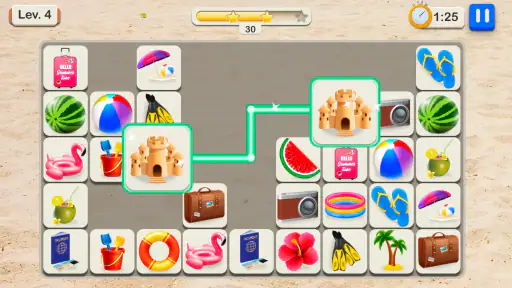
Analysis by Reviewed
When I try a new tile puzzle, I want to know two things quickly: whether its rules make sense without a tutorial session, and whether a difficult board feels satisfying rather than merely stubborn. Tilescapes Match - Puzzle Game is approachable at first glance, but its matching choices can reward a little patience. I see it as a compact board game for spare moments, not a substitute for a longer, story-driven game or a puzzle that demands sustained study.
Where a puzzle session can get stuck
The main point of friction is that an easy-to-learn matching idea can still ask you to plan ahead. If a board becomes difficult, tapping quickly just to clear the most obvious match may leave you with fewer useful choices later. I try to pause before each move and look for a sequence that keeps options open; that is more useful than treating every match as an isolated action.
There is also a practical difference between a relaxing round and a challenge that calls for speed or careful move management. If I’m tired or distracted, I’m more likely to enjoy a short, straightforward session than to push through a level that needs concentration. That isn’t a flaw so much as a reason to choose the moment: this is not always the right game for playing while you need to focus on something else.
A useful test is how I feel after a failed attempt. If I can see a different order of choices to try, replaying has a purpose; if I’m only tapping faster and hoping, I’m probably not getting much from the round. I’d step away for a few minutes rather than turn a small puzzle into a source of irritation. This is especially sensible when playing during a brief break, because the game works best when I can give the board a little attention instead of splitting it with messages or another task.
Setup checks before settling in
The game is free to start, with optional in-app purchases listed from $2.99 to $59.99 per item. I’d decide beforehand whether I’m happy to play at the free pace, especially if I’m the sort of player who gets impatient when progress slows. Purchases are not a reason to assume you need to spend; I’d first see whether the regular puzzle loop is enjoyable on its own.
For device compatibility, the listed minimum is Android 7.0. The game is rated Everyone, and Playvalve is the developer. Its current version is 2.1.2. If you’re installing it on a device that meets that minimum but something feels off, I’d start with ordinary checks: make sure the installation has completed, close and reopen the game, and check that the device has enough free storage for normal use. Those steps are sensible first moves, not a promise that every issue has the same cause.
Before a longer play session, I’d also make a small choice about context: do I want a quiet visual break, or am I looking for a game that can hold my attention while I do something else? I wouldn’t count on this being a background activity, since the decisions are the part that makes the board engaging. In a waiting room or on a commute, I’d play when I’m settled and able to look at the screen, then stop when I need to pay attention to my surroundings.
More From Our News Desk

Weather by Xiaomi Review: Clear at a Glance, Less Clear Up Close

X Under Pressure: Can It Recover When Posting Goes Wrong?

Clash of Clans Is Won Between the Battles

Android Auto Makes the Case for Quieter Car Software

MobiOffice: Transforming Mobile Productivity with Seamless Integration

EA SPORTS FC™ Mobile Soccer: Redefining Mobile Sports Gaming
A Puzzle Lover’s Dream
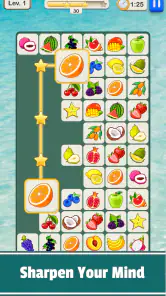
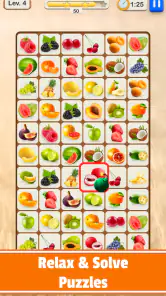
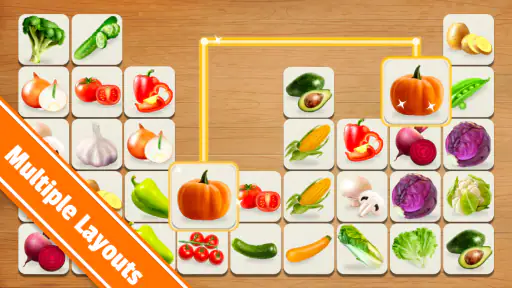
Tilescapes Match is the kind of game that effortlessly draws you in with its simple yet captivating gameplay. The premise is straightforward: match tiles with similar patterns to clear them from the board. But don’t let its simplicity fool you. As you ascend through the levels, the difficulty ramps up, demanding more strategic thinking and quicker reflexes.
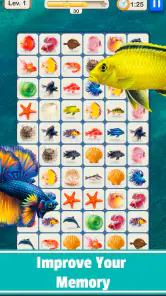
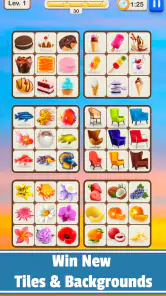
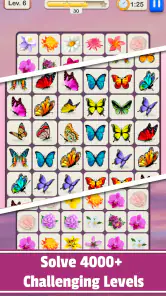
The game’s visuals are a treat. With vibrant colors and aesthetically pleasing tile designs, it creates an engaging visual experience. The developers have clearly put a lot of thought into the design, ensuring that each level feels fresh and exciting. It’s like a visual candy store that you get to play with!
Gameplay and Features
What really sets this game apart is its addictive gameplay. It’s one of those “just one more level” kind of games. You start playing, and before you know it, you’re five levels deep, wondering where the time went. The game offers a variety of challenges that keep you on your toes. Whether it's a time-challenge or a limited-moves level, there's always something new to tackle.
The controls are intuitive, making it easy for anyone to pick up and play. Whether you’re a seasoned gamer or just looking for something to pass the time, Tilescapes Match offers a welcoming and accessible experience.
One of the features I particularly enjoyed is the daily challenges. These are a great way to keep things interesting and provide a reason to come back every day. Plus, the rewards from these challenges are a nice bonus to help you progress through the game.
Why You’ll Love It
If you’re someone who appreciates a good puzzle, you’ll love the strategic element of Tilescapes Match. It’s not just about matching tiles; it’s about doing so in the most efficient way possible. The game encourages you to think ahead and plan your moves, which adds an extra layer of depth to the gameplay.
Moreover, the game’s soothing background music and sound effects make for a relaxing playing experience. It’s the perfect game to unwind with after a long day. Just pop in your earbuds, tune into the game’s calming soundtrack, and let yourself get lost in the world of tiles.
Making the most of short sessions
A useful way to fit the game into a busy day is to treat one level as a deliberate break: for example, I might play while waiting for a kettle to boil or during a quiet commute, then stop rather than letting “one more” turn into a longer session. Daily challenges give that visit a clear purpose, while regular levels suit days when I want to keep going. If I’m playing in a shared space, I can leave the sound off and still focus on the visual board; the music is a pleasant extra, not the main reason the puzzle works.
Compared with a word puzzle, this is more visual and less dependent on vocabulary. Compared with a classic match-three game, its tile-clearing approach asks me to pay attention to the order of choices instead of simply making adjacent color matches. That makes it a better fit when I want a compact planning puzzle, but a poorer choice if I’m specifically after a story, character progression, or a highly social competition. Players who prefer open-ended, untimed thinking may also find time-challenge levels less calming than the game’s overall mood suggests.
There is a useful distinction between wanting a quick diversion and wanting a puzzle routine. For a diversion, I can open the game, focus on one board, and leave it there; for a routine, the daily challenges offer a natural reason to return without requiring me to invent a goal. I’d avoid turning that routine into an obligation, though. A daily prompt is most enjoyable when it adds a little structure, not when it makes a leisure game feel like another task to check off.
Compared with a traditional board game played with other people, this is much more convenient for a solo gap in the day, but it cannot offer the conversation or shared decision-making that makes tabletop play appealing. And compared with a broad puzzle collection, its focus on matching tiles is a strength if I know what kind of problem I want, but a limitation if I need variety from one session to the next. I’d choose it for a visual, self-paced challenge and choose something else when I want a social or narrative experience.
Recovering from a disrupted session
If a level is interrupted or the game doesn’t respond as expected, I’d avoid repeatedly tapping the board; that can make it harder to tell whether the game registered an input. I’d pause, give it a moment, then close and reopen it if needed. Before reinstalling, I’d consider whether progress might be tied to the current installation, since removing an app can affect locally stored information. For a problem that persists, checking for a newer version through the usual app store is a reasonable next step, but I wouldn’t assume a reinstall is automatically the safest fix.
It’s also worth separating a game problem from a device or connection problem. If other apps are slow too, the cause may be broader than this puzzle; if only one session behaves oddly, restarting the game is a sensible first test. I wouldn’t make purchases simply to get past a confusing moment. Take a break, return with a fresh look, and decide whether the level is still enjoyable before spending anything.
If I’m unsure whether a problem is temporary, I’d change just one thing at a time: close the game, reopen it, and see whether the same issue returns before trying another fix. That keeps troubleshooting simple and makes it easier to tell whether the issue was a one-off pause or something persistent. If a board looks unclear, I’d first check that I’m reading the tile patterns carefully rather than assuming a tap failed; the game’s visual matching is central, and a rushed glance can be mistaken for a technical problem.
Another practical question is whether this is a good choice for a child or for a mixed-age household. Its Everyone rating makes it broadly suitable by age classification, while the accessible matching premise makes it easy to understand. I’d still set expectations around optional purchases on a device used by a child, since the game is free to begin but contains paid items. That is a general household check, not a reason to assume spending is required to enjoy the puzzles.
Who should give it a try?
I’d recommend it to people who like visual puzzles, appreciate a gradual increase in difficulty, and want something that can be played in short bursts. The game has an average rating of 4.8 from around 44,000 ratings, with over a million installs, which suggests it has found a sizeable audience; I’d still judge it by whether its pace suits you. It was released on July 11, 2022, and is free to download, though the optional purchases are worth keeping in mind.
The best fit, in my view, is someone who enjoys spotting patterns and can accept that a board may need a pause before the next move. It also suits people who want a game that is easy to explain to a friend or family member without a long setup. I would be more cautious about recommending it to someone who dislikes repeated attempts, prefers fast action, or wants every session to deliver a clear narrative payoff. Those preferences are not problems with the game; they simply point toward a different kind of entertainment.
If you are choosing between this and another casual puzzle, ask what you want your spare minutes to feel like. Pick this one when you want to scan a board and make deliberate matching choices. Pick a word game when language is the pleasure, a match-three title when rapid cascades are the appeal, or a larger strategy game when you want a sustained challenge. That simple distinction makes it easier to decide whether its particular style will hold your interest beyond the first few rounds.
If you’re wondering whether it can be enjoyed without paying, I’d approach it that way first: play at the free pace and only consider an in-app purchase if you already know what you want from it. If you’re wondering whether it suits a very short break, the straightforward controls make starting easy, but a demanding level may not be ideal when you have only a moment and need to leave immediately. And if you want something to play while barely looking at your phone, I’d choose another option; the visual board and move choices deserve attention.
If the main concern is whether it will stay relaxing as the puzzles get harder, I’d say that depends on how you handle a challenge. The calmer visual presentation and music can make a session pleasant, but time pressure or a tighter move limit can shift the mood toward concentration. I’d play those levels when I have room to think, and use a simpler session—or another activity—when I want a genuinely low-effort break.
In the end, Tilescapes Match - Puzzle Game works best as a focused little board puzzle: approachable enough to start quickly, yet thoughtful enough that I don’t want to tap without looking. Its biggest trade-off is that the same planning that makes a tricky board rewarding can make it a poor companion for distraction or for players who want purely effortless play. I’d give it a try if visual matching sounds appealing, keep purchases optional, and let my own response to the harder levels decide whether it becomes part of my regular downtime.
Tilescapes Match - Puzzle Game Frequently Asked Questions
What kind of game is Tilescapes Match - Puzzle Game?
Tilescapes Match - Puzzle Game is a board-style puzzle game focused on matching tiles. Its central appeal is a straightforward puzzle format that is easy to understand, with challenges and levels for players to work through. If you enjoy calm, tile-based games rather than action-heavy play, its relaxed approach may be a good fit.
Who is Tilescapes Match - Puzzle Game designed for?
The game is suited to people who enjoy casual tile-matching puzzles and want a simple activity they can play at their own pace. Its Everyone content rating makes it appropriate for a broad audience, and the basic matching idea is accessible to new puzzle players. Optional purchases are available, so families may want to consider purchase settings for younger players.
Does Tilescapes Match - Puzzle Game have a clear progression system?
Yes. The game is organized around levels and challenges, giving players goals beyond a single matching board. The store summary describes unlocking fun challenges and levels, which makes progression part of the experience. This structure can suit players who like seeing new puzzle tasks as they continue, while still keeping the core activity focused on matching tiles.
Is Tilescapes Match - Puzzle Game suitable for a quick, casual play session?
Yes. Tilescapes Match is a board-style puzzle game built around matching tiles, so it is easy to pick up for a short break and return to later. Its relaxing approach makes it suitable for casual play, while the challenges and levels give players a reason to keep going when they have more time.
What age group can play Tilescapes Match - Puzzle Game?
Tilescapes Match - Puzzle Game has an Everyone content rating, making it suitable for a broad audience. Its tile-matching puzzles are straightforward to understand, so both new and experienced puzzle players can get started. As with any game, parents may wish to consider whether optional purchases are appropriate for younger players before downloading.
Pros
- Engaging gameplay mechanics.
- Visually appealing graphics.
- Smooth and responsive controls.
- Variety of challenging levels.
- Regular updates with new content.
Cons
- In-app purchases can be pricey.
- Frequent ads disrupt gameplay.
- Requires internet connection.
- Limited customization options.
- Steep learning curve for beginners.
- Category
- Board
- Version
- 2.1.2