Shoot & Hide
- 373.00
- 4.5
- Installs
- 1.00M
- Price
- Free

Screenshots
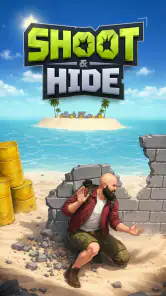
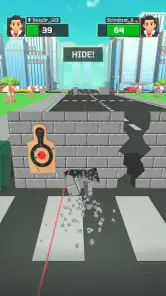
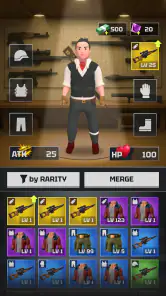
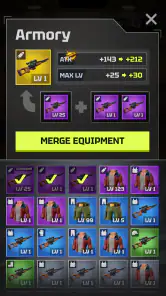
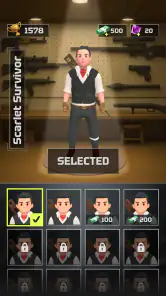
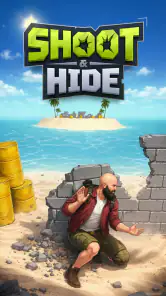
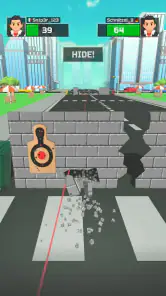
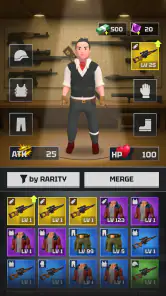
Analysis by Reviewed
I like action games that make a simple idea feel tense without asking me to study a long tutorial first. Shoot & Hide has an immediately readable premise: act quickly, then get out of sight before the danger catches up. That makes it sound like an easy game to pick up, and it is—but the appeal depends on whether you enjoy reacting under pressure more than planning a long strategy.
As a mobile action game from CrazyLabs LTD, it is best approached in short, focused bursts. The key adjustment for a new player is to stop treating the shooting as the whole challenge. The hiding is just as important, and timing those two actions is what gives the concept its bite. I would recommend it to someone who wants a brisk distraction, while anyone seeking a deep campaign or a slow, tactical shooter should look elsewhere.
What to expect from the action
The game’s central rhythm is easy to grasp: make your move, then avoid being caught. That simplicity is useful on a phone, where I may have only a few minutes and do not want to spend them learning a complicated control scheme. It also means the action has a clear source of tension. Acting too cautiously can cost momentum, but acting without thinking about what comes next can leave you exposed.
For a first-time player, I would go in expecting compact action rather than a sprawling shooter. The game is built around the contrast between taking a shot and finding a moment to stay safe. That makes it a different kind of quick-play option from games that focus mainly on aiming or uninterrupted combat. Here, restraint is part of the action: firing is only useful if you have a plan for what follows.
The store’s short label is “Shoot & Hide,” and that is a fair description of the broad idea, but it does not tell you how to approach a run. My practical advice is to watch the situation before committing to an attack. Use the first moments to understand what is threatening you and where a safer pause might be possible. Even without turning each attempt into a careful study, this small habit makes the game feel less like frantic tapping and more like a sequence of deliberate choices.
The game has a 4.5 average from around 34,000 ratings, and it has passed one million installs. Those figures suggest that it has found an audience, but they cannot tell you whether its pace suits you. The more useful question is whether you like an action loop where survival depends on knowing when not to act. If that sounds satisfying, the premise has room to hold your attention; if you want constant shooting with little interruption, the hiding-focused rhythm may feel like a brake.
Starting without overthinking it
Because the basic idea is so direct, I would not spend the opening trying to discover a perfect strategy. Start with a simple goal: make one purposeful attack and then give yourself time to respond. This keeps the first attempt manageable and helps you see whether your difficulty comes from timing, from rushing, or simply from not paying attention to what happens after you fire.
A useful first-session routine is to treat each encounter as two linked decisions rather than one. Before attacking, ask yourself what you will do immediately afterward. Then, once you have acted, shift your attention from offense to safety instead of repeating the same action automatically. That change sounds small, but it is the most practical way I can think of to make the title’s two-part rhythm click.
I would also keep early attempts short and focused. If you are playing while distracted—say, waiting for a takeaway order or sitting between errands—choose a moment when you can look at the screen for the length of a run. This is not a game I would recommend playing half-attentively while switching between messages. The core challenge relies on noticing when the situation changes, so a brief stretch of attention is more useful than a longer session broken up by interruptions.
Finding a first satisfying success
Your first meaningful success does not need to be a flawless run. A better milestone is noticing that a well-timed pause helped you avoid trouble after an attack. Once that happens, the game’s premise becomes more than a slogan: shooting creates an opportunity, but hiding gives you a chance to survive the consequences. I would count that moment of understanding as a stronger start than simply tapping quickly and hoping for the best.
One non-obvious tip is to use a failed attempt as a timing check rather than an invitation to repeat the same sequence faster. If you are caught soon after acting, slow down on the next try and pay attention to the transition between attack and safety. If you are hesitating so long that you never make progress, try committing sooner once you have identified a reasonable opening. The point is not to be universally cautious or aggressive; it is to notice which side of the rhythm is causing trouble.
Another useful habit is to avoid making every action in a run identical. A repeated pattern can feel comfortable, but it may also stop you from reacting to what is happening now. I would treat each opportunity as a fresh choice: is it worth attacking at this moment, or is staying out of danger the better move? That little question gives the game a more thoughtful feel without adding complicated rules that a new player has to memorize.
For a realistic everyday session, imagine having a short break before a meeting. I would open the game, play a focused attempt or two, and put it away rather than expecting it to fill the whole break with a deep story. That is where this kind of compact action can work well: the goal is a quick burst of engagement, not a major commitment. If you find yourself getting annoyed by a close call, taking a pause is likely more helpful than immediately retrying while frustrated.
Common points of confusion
The first is assuming that the shooting should always come first. The title pairs attacking with hiding for a reason: if you focus only on landing the next shot, you may overlook the need to get out of danger. I would make survival the measure of a good decision, not simply whether you acted quickly. Sometimes the better move is to wait for a more suitable moment rather than forcing an attack because the game is an action title.
The second is expecting every run to feel like a traditional shooter. In a conventional action game, the main satisfaction often comes from aiming, sustained firefights, or building a loadout. Shoot & Hide’s identity is narrower and more immediate. If you want extended tactical planning, a large arsenal to compare, or a long progression arc, a more expansive shooter is probably a better fit. This game makes more sense when you want a compact test of timing and composure.
It is also worth separating the game’s free entry point from its in-app purchases. The game is free to download, while optional purchases range from $0.99 to $99.99 per item. I would start by playing without spending and decide first whether the core action suits you. If you are considering a purchase, check what it offers in the game before committing; there is no reason to treat spending as part of the basic first-session plan.
Age suitability is another practical consideration. It carries a Teen content rating, so I would check that rating against the standards of whoever will be using the device, especially if you are choosing a game for a younger player. It is an action game, not a quiet puzzle app, and the fast, confrontational premise may not be what every household wants on a shared phone or tablet.
Who will enjoy it, and who may not
I think it is a good match for players who like quick action, clear stakes, and the small satisfaction of improving their timing. It may also work for someone who wants to try an action game without first learning a dense set of systems. The central decision is easy to understand, but there is still a useful skill to practice: knowing when to press forward and when to protect yourself.
I would skip it if you prefer a calm pace, dislike being asked to react quickly, or want a game with a substantial narrative to follow. It may also disappoint players who judge shooters mainly by deep aiming mechanics or detailed tactical options. Those are reasonable preferences, but they point toward a different kind of game. Here, the attraction is the repeated tension between taking action and staying out of reach.
Compared with the usual alternatives in mobile action, this is less about building a long-term combat routine and more about making a timely choice in the moment. That focus is a strength when you want a fast session and a limitation when you want variety through elaborate systems. I would choose it over a more involved shooter for a short break, but I would choose the more involved game for an evening when I want extended progression and a broader set of tools to master.
Taking the next step
Once the basic rhythm makes sense, focus on consistency rather than speed. Try to recognize the point at which you are most likely to rush, then deliberately give yourself a beat to consider what comes after the shot. This is not a promise of a perfect run; it is a simple way to make your decisions clearer. If you are already surviving comfortably, the next challenge is to avoid becoming so cautious that you stop taking useful opportunities.
The current version is 1.10.1, and the minimum operating system requirement is Android 8.0. It was released on June 17, 2025. Those details are helpful when checking whether the game is suitable for your device, but the more important test is still practical: install it when you have a few uninterrupted minutes, try the attack-then-hide rhythm, and see whether the tension feels fun rather than stressful.
My overall view is positive but specific. Shoot & Hide is an approachable mobile action game when you want a quick test of timing, and its clearest strength is how directly it ties offense to survival. Its narrow focus will not suit everyone, and the game is a weaker choice for anyone expecting a deep shooter or relaxed play. If you enjoy short action sessions and are willing to pause before your next move, I think it is worth trying for free and judging by that first moment when a well-timed escape saves your run.
Shoot & Hide Frequently Asked Questions
What is Shoot & Hide?
Shoot & Hide is a mobile game built around a simple action-and-stealth premise: players take aim, fire, and use cover or concealment to avoid being hit. Its appeal is in combining quick shooting decisions with careful positioning, rather than relying only on nonstop combat. The exact modes, objectives, and available features can vary by version, so check the store listing and in-game menus for the current details before downloading.
Is Shoot & Hide free to download, and does it include purchases or ads?
The price and monetization options for Shoot & Hide can differ between the Android and iOS versions, as well as by region and app update. Before installing, review the relevant Google Play or App Store listing for its price, in-app purchase information, and advertising disclosures. If the game offers optional purchases, consider checking whether they affect progression or are limited to extras, and use device-level purchase controls when children may play.
Can I play Shoot & Hide offline?
Offline availability depends on how the current version handles its game modes and online services. A game may allow some solo play without a connection while still requiring internet access for multiplayer, account features, downloads, or advertisements. Check the store description and test the relevant mode before relying on it during travel or in places with limited connectivity. Also note that an initial download or update may require an internet connection.
Is Shoot & Hide suitable for children?
Suitability depends on the game’s content, controls, and any communication or purchase features included in the version you install. Because Shoot & Hide involves shooting, parents should check the age rating and content notes on the appropriate app store rather than assuming the title is suitable for every child. It is also sensible to review privacy information, available chat or social features, and purchase settings before allowing younger players to use the app.
What should I check before downloading Shoot & Hide?
Confirm that your phone or tablet meets the current operating-system and device requirements shown in the official store listing, and make sure you have enough storage for the installation and updates. Download from Google Play or the Apple App Store so you receive the official version and its updates. Check recent reviews for reports about performance, controls, or crashes on devices like yours, and review permissions and privacy details before launching the game.
Pros
- Quick rounds make it easy to play in short sessions.
- Simple controls are approachable for newcomers.
- Stealth adds variety to the shooting gameplay.
- A lighthearted premise keeps the action from feeling too serious.
- Unlockable content gives players goals to work toward.
Cons
- Gameplay may feel repetitive after extended play.
- Stealth mechanics can be less satisfying than direct combat.
- Progress may depend on replaying the same stages.
- Limited depth may not appeal to players seeking a longer campaign.
- Ads or in-app purchases may interrupt the experience.

- Category
- Action
- Version
- 1.10.1