Rogue Slime
- 64.00
- 4.2
- Installs
- 100.00K
- Price
- Free

Screenshots
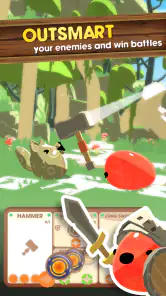


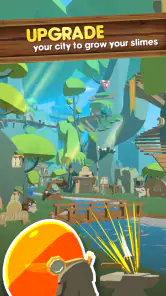
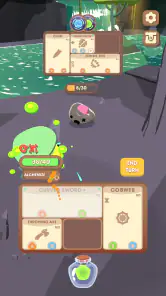



Analysis by Reviewed
I usually reach for a mobile game when I have a small gap in my day, and Rogue Slime initially looks like a natural fit: a cute blob, dungeon runs, and quick decisions. The important thing to know, though, is that its strategy focus is not just about dodging enemies. Quest Seeker Games frames the game around choosing cards and managing resources as a run develops, so it suits players who enjoy thinking ahead as much as reacting.
What the purchase details tell you
The game is free to start, with optional in-app purchases priced from $0.99 to $4.99 per item. That gives you a way to try the core experience before spending, but it does not, by itself, answer whether purchases affect progress or how often the game encourages them. I would treat spending as optional until you decide the game earns a place in your routine, rather than assuming a purchase is needed to enjoy it.
It is rated for Everyone, and its current version is 0.2.11.5, with Android 5.1 as the minimum operating system. The game has a 4.2 average from over 600 ratings and has passed 100,000 installs. Those figures suggest there is an established audience, but they cannot tell you whether its specific mix of cards, roguelite runs, and resource decisions will click for you. I’d use the free entry point to find that out for yourself.
How the runs reward careful choices
The appeal for me is the tension between making progress now and keeping enough options for what comes next. In a card-based roguelite, a choice that looks powerful in isolation may not fit the resources you have available later. That makes a run more interesting than simply collecting the biggest-looking attack, and it gives each decision a reason to matter.
Making a short session count
For an everyday example, imagine opening the game while waiting for a coffee or taking a break between tasks. Rather than rushing through every choice, I’d use that session to focus on one question: which card or resource decision is helping this run, and which one is just tempting because it looks strong right now? That small habit makes the strategy easier to follow and helps you learn from a run even if it does not go well.
The trade-off is that thoughtful card play may not feel as instantly satisfying as a fast action game. If you want a game that asks for little attention or lets you make progress without weighing options, this may not be the best use of a short break. I’d also avoid starting a run when you know you will need to put your phone down immediately; turn-based decisions are flexible, but the appeal comes from following how your choices connect.
Who will enjoy the strategy mix
I’d recommend it most to someone who likes experimenting with a plan, adapting when a run changes, and replaying after a setback with a better idea. Compared with a conventional turn-based card game, the roguelite structure gives decisions a run-by-run context; compared with a more action-heavy dungeon game, the card and resource side puts more weight on planning than reflexes. If you prefer a fixed campaign, a story-first adventure, or uncomplicated arcade action, a different strategy or action game may suit you better.
More From Our News Desk

Weather by Xiaomi Review: Clear at a Glance, Less Clear Up Close

X Under Pressure: Can It Recover When Posting Goes Wrong?

Clash of Clans Is Won Between the Battles

Android Auto Makes the Case for Quieter Car Software

MobiOffice: Transforming Mobile Productivity with Seamless Integration

EA SPORTS FC™ Mobile Soccer: Redefining Mobile Sports Gaming
A useful approach is to make one deliberate choice at a time instead of trying to predict an entire run. Pay attention to how a resource decision affects your next options, then change your approach on a later attempt. That is a more useful way to judge the game than expecting every early choice to produce an obvious reward. Its strength is the thinking between turns, not a promise that every run will feel equally smooth.
Fairness, limits, and what to watch
The free download lowers the risk of trying it, while the listed purchase range makes the potential spending easy to understand at a basic level. Still, the price range alone does not show what each item does, whether purchases change the balance, or how much progress is possible without paying. I would not call the game pay-to-win or fully purchase-neutral without knowing those details. If fairness is a deciding factor for you, play first and check each purchase carefully before confirming it.
The same restraint applies to the game’s longer-term pressure. Its roguelite setup makes setbacks part of the format, which can be motivating if you enjoy learning through repeated attempts but tiring if you dislike losing progress. I’d skip it if a run ending tends to feel like wasted time rather than a chance to adjust your strategy. The central question is whether you enjoy improving your decisions, not whether every attempt ends in a win.
My verdict after getting a feel for it
Rogue Slime is a promising choice for players who want a free strategy game built around card decisions, resource management, and replayable runs. I like that its appeal is easy to explain: plan, adapt, and see how far that approach takes you. The main caveat is equally clear: anyone seeking straightforward action or certainty about the role of purchases should take time to test the game and inspect the options before investing money.
My recommendation is to try it when you have enough time to pay attention to a few choices, then decide whether the run-based rhythm suits you. If it does, the mix can make even a brief session feel purposeful; if you would rather have a fixed path and predictable progress, another kind of mobile strategy game is likely a better fit.
A practical way to decide if it fits your routine
I’d judge the game across a few separate sessions rather than letting one good or frustrating run decide everything. A useful first check is whether you enjoy making choices when their value is not immediately obvious. In a card-and-resource game, the satisfying moment may come later, when an earlier decision gives you a better answer to a new problem. If you mainly want instant rewards, that slower payoff can feel like friction rather than depth.
For a realistic routine, I can imagine opening it during a quiet commute or after dinner, when I have enough attention to follow a run but do not want to commit to a long story chapter. I would avoid playing while multitasking heavily: even if turns leave room to pause, splitting attention makes it harder to notice why a plan worked or failed. After a run, remembering one decision that helped and one that did not is a simple way to make the next attempt feel purposeful instead of repetitive.
What the run structure asks of you
Roguelite play is a particular kind of bargain. You accept uncertainty and the possibility of losing progress in exchange for varied attempts and room to adjust your approach. That can be a good match if you like testing ideas, but it is not the same as steady, chapter-by-chapter advancement. Before settling in, ask yourself whether a failed run would make you curious about trying a different plan or simply annoyed that your time did not move a permanent campaign forward.
I also would not treat a single attempt as a complete test of the strategy. If a card or resource choice seems weak, its usefulness may depend on what comes later; conversely, a choice that looks impressive may leave you short of flexibility. The practical tip is to notice what a decision costs you as well as what it offers. That keeps the game from becoming a hunt for the biggest-looking option and gives you a clearer basis for deciding whether its systems are engaging.
For players who like planning, the turn-based card focus offers a calmer alternative to dungeon games built around quick movement and reactions. It is also distinct from a traditional card battler whose main pleasure is assembling a familiar deck for a more predictable match: here, the roguelite framing makes each attempt its own small problem. The trade-off is that players seeking a consistent competitive routine or a carefully authored story may find those usual alternatives more satisfying.
Spending, fairness, and sensible expectations
There is a straightforward way to approach the purchase question: begin without paying, notice whether the game itself holds your interest, and only then consider whether an optional item is worth its stated cost to you. The available price range is $0.99 to $4.99 per item, but that alone cannot establish what an item provides or whether it changes difficulty. I would inspect the purchase screen in context, take time to understand the specific offer, and avoid buying simply because a run has gone badly.
That last point matters in a game where setbacks can be part of the loop. Frustration can make any purchase feel like a shortcut, even when you have not decided whether you want to keep playing. My standard would be to spend only if I already enjoy the core decision-making and can explain what I expect the item to add. If you need certainty about equal progression without purchases before trying a game, this one leaves a question you should resolve through cautious play rather than assumption.
Who should pass, and what I would check first
I would steer away from it if you want a hands-off idle game, a reflex-first action experience, or a fixed adventure where every session advances a clear storyline. It may also be a poor match if repeated attempts feel like punishment to you, or if you prefer to know exactly how purchases affect balance before starting. Those are not minor preferences; they shape whether the game’s run-based uncertainty feels inviting or bothersome.
If you are curious, the most useful first checks are practical: see whether the pace of card decisions suits the breaks you actually have, decide how you feel about restarting after a setback, and read any purchase description before confirming it. The game is free to try, so you can make those judgments without treating its audience figures as a guarantee that you will enjoy it. Its 4.2 average reflects many players’ opinions, not a promise that the same mix will fit every routine.
If you’re on the hunt for a quirky and engaging mobile game, then let me introduce you to Rogue Slime. This game has become my go-to whenever I need a quick gaming fix. Trust me, once you dive into its gooey world, you might find it hard to get out!
Get Slimy with It
In Rogue Slime, you play as a rather adorable yet mischievous blob of slime, navigating through various dungeons. The game is a blend of action and strategy, where every move counts. What I love most is the unpredictability of the dungeons. They are procedurally generated, meaning no two playthroughs are the same. Just when you think you’ve got the hang of it, bam! A new challenge awaits.
Gameplay That Sticks
The controls are simple and intuitive, a crucial factor for any mobile game. You swipe to move your slime in different directions, and tapping allows you to attack. What’s really cool is the variety of enemies and traps you encounter. Each dungeon is filled with surprises, keeping you on your toes.
One aspect that’s particularly thrilling is the rogue-like elements. Each death is permanent, so you have to start over from scratch. It might sound frustrating, but it adds a layer of excitement that’s hard to resist. Plus, with each run, you learn something new – whether it’s a smarter way to tackle a boss or a hidden path you missed earlier.
Visually Appealing
Let’s talk graphics. The developers have done an outstanding job with the visuals. The game has a charming pixel art style that’s both nostalgic and fresh. Each dungeon is uniquely designed, with vibrant colors and intricate details that make the experience immersive. The animations are smooth, ensuring that your slimy adventures are as enjoyable as they are challenging.
Soundtrack to Your Slime Adventures
No game is complete without a killer soundtrack, and Rogue Slime doesn’t disappoint. The music complements the gameplay perfectly, setting the mood whether you’re sneaking past enemies or engaged in an all-out slime brawl. It’s catchy enough to hum along to, yet subtle enough not to distract from the action.
In conclusion, Rogue Slime is a must-try for anyone who loves a good challenge wrapped in a fun and engaging package. It’s perfect for those quick gaming sessions when you just have a few minutes to spare. But be warned, it’s incredibly addictive! So, go ahead, give it a shot, and let your inner slime shine through.
Rogue Slime Frequently Asked Questions
Is Rogue Slime free to download, and what should I know about purchases?
Rogue Slime is free to download, so you can try its mix of turn-based card gameplay, roguelite elements, and resource management without paying upfront. The game also offers optional in-app purchases, with individual items priced from $0.99 to $4.99. Consider whether you are comfortable with optional spending before installing, especially if you prefer games with no purchases at all.
Will Rogue Slime run on my phone or tablet?
Rogue Slime requires Android 5.1 or later, which makes checking your device’s operating system a useful first step before downloading. It is a mobile strategy game, so you can play on a compatible phone or tablet. The game is developed by Quest Seeker Games, and its current version is 0.2.11.5.
What is Rogue Slime about?
Rogue Slime is an action-packed roguelike game where players control a slime character navigating through procedurally generated dungeons. The goal is to defeat enemies, collect loot, and survive as long as possible while leveling up your slime and unlocking new abilities. The game's challenging mechanics and ever-changing environments provide endless replayability for fans of the genre. Its store description also highlights a combination of turn-based card games and resource management, giving the experience a strategy-focused side.
Is Rogue Slime available on both Android and iOS?
Yes, Rogue Slime is available for download on both Android and iOS platforms. Players can enjoy the game on their smartphones or tablets, providing a seamless experience across different devices. Both versions offer the same core gameplay features, ensuring that users on either platform can enjoy the full Rogue Slime experience.
What are the key features of Rogue Slime?
Rogue Slime offers a variety of features that enhance the gaming experience. These include procedurally generated dungeons, a wide array of enemies and bosses, character customization options, and a leveling system that allows players to unlock new abilities. The game also supports offline play, ensuring that players can enjoy it anytime, anywhere without the need for an internet connection. Its blend of turn-based card play, roguelite progression, and resource management may appeal to players who enjoy planning each move.
Pros
- Engaging and strategic gameplay.
- Variety of levels and challenges.
- Smooth and intuitive controls.
- Appealing graphics and design.
- Regular updates and new content.
Cons
- In-app purchases can be costly.
- Occasional bugs and glitches.
- May require a strong internet connection.
- Advertisements can be intrusive.
- Limited offline play options.
- Category
- Strategy
- Version
- 0.2.11.5