Railroad Ink Challenge
- 75.00
- 3.8
- Installs
- 10.00K
- Price
- $3.99

Screenshots
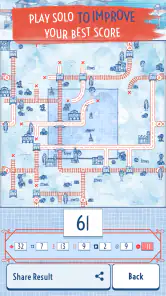

Analysis by Reviewed
I like route-building games that make me pause over a small decision without asking me to learn a giant rulebook. That is the appeal of Railroad Ink Challenge: each turn gives me a compact planning problem, and a few lines can determine whether my network comes together or leaves awkward gaps. It is a board game in digital form, but it feels especially suited to short sessions on a phone.
The basic rhythm: read, plan, draw
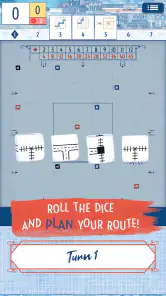
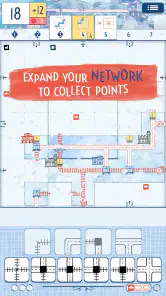
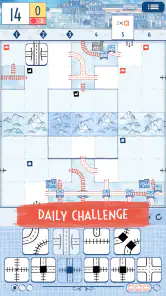
The central routine is easy to grasp. Route dice show the connections available, and I draw those routes on a seven-by-seven grid, trying to link exits and build a useful network. The challenge is not simply to fill the board. A line that looks helpful now may point in the wrong direction later, so I try to consider how each placement affects the next few turns.
My most dependable habit is to look at the edges before drawing anything. Exits are natural targets, but a route reaching an edge without a sensible continuation can leave me with a dead end rather than a satisfying connection. I then scan the available dice for pieces that could join routes already on the board. Starting with the board’s needs, instead of immediately tracing the first appealing shape, helps me avoid scattered lines.
This makes the game approachable without making every round feel automatic. The rules can be understood quickly, yet a board rarely solves itself. I often have to choose between extending a promising connection and placing a route that fits the current roll but may not serve my longer plan. That tension is the reason I keep returning to it.
Unleashing Your Inner Strategist
When I first downloaded Railroad Ink Challenge, I was expecting just another puzzle game. But boy, was I in for a surprise! This app ingeniously combines the elements of a board game with the convenience of digital play, inviting you to create intricate rail and road networks on a 7x7 grid. The concept is simple yet brilliantly executed—you roll dice to determine which routes you can use and then strategically draw them on your board. The goal? Connect as many exits as possible while maximizing your points. It’s like solving a delightful puzzle that changes every time you play.
Small decisions that improve a run
One useful way to get more from a round is to treat the grid as a plan rather than a canvas. Before committing to a route, I check whether it can continue through a neighboring square and whether its orientation supports the network I want. This quick pause matters because a route that looks tidy in isolation may create a connection that is difficult to extend. It is a simple discipline, not a hidden feature, and it makes the dice feel like a planning prompt rather than a command.
I also try not to chase every possible exit equally. When several parts of the board compete for attention, choosing one area to develop can produce a clearer network than spreading placements across the grid. There are turns when the available routes do not fit that plan, of course. In those moments I look for the placement that preserves options, even if it does not immediately complete a connection. A flexible junction can be more valuable than a neat-looking line that leaves no useful way forward.
More From Our News Desk

Weather by Xiaomi Review: Clear at a Glance, Less Clear Up Close

X Under Pressure: Can It Recover When Posting Goes Wrong?

Clash of Clans Is Won Between the Battles

Android Auto Makes the Case for Quieter Car Software

MobiOffice: Transforming Mobile Productivity with Seamless Integration

EA SPORTS FC™ Mobile Soccer: Redefining Mobile Sports Gaming
Another practical habit is to review the whole board after each placement. It is easy to focus on the last route and miss a connection opportunity elsewhere, especially when the grid begins to fill. A brief scan of the edges, open ends, and adjacent routes helps me spot where the next roll could matter most. That makes the game feel less like drawing one piece at a time and more like managing a network that is gradually taking shape.
Challenges That Keep You Hooked
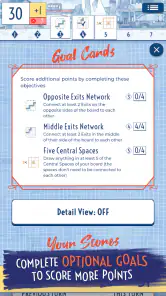
What really stands out about this game are the challenges. Each roll of the dice brings a new set of possibilities, and with multiple modes to choose from, you're never short of fresh challenges. The game allows you to play solo or compete against others. Personally, I love the multiplayer mode where I can test my wits against friends or global players. It adds a competitive edge that keeps you coming back for more.
The choice between a solo session and a contest changes what I pay attention to. On my own, I can take a little more time to test an approach and learn from an untidy board. When playing with other people, the same decisions take on a sharper edge: I want a good result, but I also want to keep the pace moving. If you are introducing the game to a friend, I would explain the basic route-and-grid idea first and let the decisions teach the rest. It is easier to enjoy the puzzle once the goal is clear.
For a realistic everyday use, I can see myself opening it during a quiet stretch between errands or while waiting for someone. A single round offers a defined task: inspect the dice, make a plan, and see how the network turns out. It does not demand the kind of continuous attention I would give a long story-driven game, though I still prefer to play when I can focus enough to think through placements. If I am distracted, I may make a careless connection and spend the rest of the round working around it.
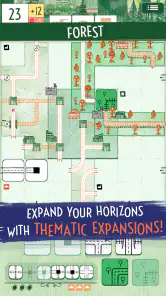
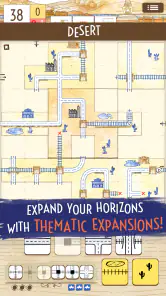
Moreover, the game introduces various expansions that you can unlock. These expansions bring unique dice and rules into play, offering a fresh twist to your strategies and keeping the gameplay exciting. It’s this evolving challenge that makes Railroad Ink Challenge not just a game, but an experience.
Settings and add-ons worth considering
Before settling into regular play, I would take a moment to look through the available modes and options rather than assuming every session needs to be approached in the same way. The different challenges can change what I prioritize, so a strategy that feels comfortable in one setup may not be the best fit in another. I find it helpful to begin with a familiar approach, then adjust when a challenge encourages a different sort of network.
The expansions are an appealing way to add variety, but they also ask for a little more mental space. New dice and rules can make a familiar board feel less predictable, which is welcome once the basic decisions have become comfortable. I would not treat extra content as essential before learning the core rhythm. If you are still figuring out how routes fit together, adding more possibilities could make the game feel busier rather than deeper.
The game costs $3.99, with in-app purchases priced at $1.99 per item. I would think of the expansions as optional ways to extend a game you already enjoy, not as something to buy simply because it is available. If you are unsure whether the core puzzle suits you, spend time with the basic experience first. That is a better way to judge whether additional rules will add worthwhile variety for your own play style.
Where it fits among board and puzzle games
Compared with a traditional tabletop route-building game, the digital version is convenient: there is no need to set out pieces or keep track of a paper score sheet. The phone format also makes it easy to return for a focused session. The trade-off is that people who enjoy handling physical tiles, seeing everyone’s boards on a table, or talking through plans face to face may prefer the tabletop experience. The app suits solo practice and quick access better than recreating the social feel of sitting around a board.
Against more open-ended drawing or city-building games, this one gives me a firmer structure. The dice constrain what I can place, and the grid makes each decision count. That is a strength if you like working within limits; it is less appealing if you want complete freedom to design a sprawling network exactly as you imagine it. I also would not choose it when I want a fast reflex challenge or a game whose main pleasure comes from a long narrative. Its reward is careful placement, not speed or story.
The audience I would recommend it to is someone who enjoys spatial puzzles, likes replaying a compact challenge, and does not mind adapting a plan when the available routes are inconvenient. It is also a sensible fit for board-game fans who want a portable version of a route-planning idea. I would steer away from it if you dislike constrained choices, find grid-based planning frustrating, or mainly want a casual game that never asks you to think ahead.
Design and User Experience
Visually, the app is a treat. The minimalist design is both charming and functional, allowing you to focus on your strategy without unnecessary distractions. The soothing color palette and calming background music make it the perfect game to unwind with after a hectic day. Navigation is a breeze, with intuitive controls that make drawing routes a seamless experience. It’s clear that the developers have put a lot of thought into making the user experience as smooth as possible.
For me, clarity is particularly important in a game where the shape and direction of each route matter. I want to spend my attention deciding what to build, not fighting the interface. The restrained presentation supports that focus, though a calm look should not be mistaken for a trivial puzzle: one misplaced route can narrow the choices available later. The experience is most satisfying when I take a second to make sure a drawing fits the square and the network I am trying to develop.
The game is made by Horrible Guild, a name worth knowing if you are browsing for digital board games. Its current version is 3.2.0, and it runs on Android 6.0 or later. The age rating is Everyone, which makes it broadly accessible, although younger players may still need help understanding why a route that looks good now can cause trouble farther into a round. The app has an average rating of 3.8 from around 500 ratings, with over 10,000 installs and 75 written reviews. Those figures suggest an established audience, but I would still judge it by whether this particular planning style sounds enjoyable to you.
One of the things I appreciate most is how the game caters to both quick sessions and long marathons. Whether you have a few minutes or a few hours to spare, Railroad Ink Challenge fits perfectly into your schedule. It’s like having a pocket-sized strategist’s paradise right on your phone.
Limits to keep in mind
The dice are both the source of variety and the main constraint. A careful plan can still be disrupted when the routes I hoped to use do not appear, so I have to accept imperfect turns instead of expecting to build an ideal network every time. If randomness makes you feel that a puzzle should always have a clean, controllable solution, this can be frustrating. I enjoy the need to adapt, but I would not describe every board as a chance to execute a perfect plan.
There is also a learning curve hidden inside the apparent simplicity. Understanding how to draw a route is one thing; recognizing which connections are likely to remain useful is another. New players may initially place whatever seems to fit, then notice later that the board has become difficult to extend. I recommend treating early games as practice, paying attention to which placements create flexibility and which ones box a network in. The payoff is better decision-making, not a sudden shortcut that removes the puzzle.
Multiplayer adds a reason to compare results, but it will not suit everyone equally. If your favorite part of a board game is direct conversation and reading people across a table, a screen-based match may feel less warm. If you prefer to solve quietly at your own pace, solo play is the more natural fit. The important question is whether competition makes you more curious about your choices or simply adds pressure; the game has room for both moods, but the latter may not be relaxing.
Final Thoughts
If you’re in the market for a game that’s equal parts relaxing and challenging, Railroad Ink Challenge is definitely worth checking out. It’s a game that has found the perfect balance between simplicity and depth, offering endless replayability and a satisfying sense of achievement with each completed puzzle. Plus, the ability to compete with others adds a social element that’s just the cherry on top.
So, if you’re ready to embark on a strategic adventure that’s as fun as it is rewarding, give Railroad Ink Challenge a try. Trust me, you won’t regret it!
My recommendation comes with one qualification: buy into the idea of adapting, not just drawing a perfect route map. The pleasure is in making a workable network from limited choices, noticing how one placement changes the next, and gradually getting better at leaving yourself room. If that sounds satisfying, this is a strong pick for a thoughtful phone game. If you would rather have unrestricted building, a tactile tabletop session, or a puzzle with no luck involved, another option will probably suit you better.
Railroad Ink Challenge Frequently Asked Questions
Is Railroad Ink Challenge suitable for children and casual players?
Railroad Ink Challenge is rated Everyone, making it suitable for a broad audience. Its central activity—drawing routes on a board—can be approachable for casual players, while planning how to connect exits gives each round a strategic puzzle to work through. If you enjoy turn-based board games and route-building challenges, it offers a thoughtful option that does not depend on fast reflexes.
How much does Railroad Ink Challenge cost, and are there extra purchases?
Railroad Ink Challenge costs $3.99 to download, and it also offers in-app purchases priced at $1.99 per item. The additional purchases include expansion packs that bring new dice and rules into the game. If you want to try the core route-planning experience first, you can consider the base game separately and decide later whether the extra content suits your play style.
What is Railroad Ink Challenge?
Railroad Ink Challenge is a strategic puzzle game where players draw routes on their own boards, aiming to connect as many exits as possible. The game offers different dice rolls each round, which introduces new elements and challenges, ensuring a unique experience every time. It’s available on both Android and iOS platforms. It is a board game from Horrible Guild, built around the store’s simple description: “The route-planning dice game!”
How do you play Railroad Ink Challenge?
In Railroad Ink Challenge, players roll dice to determine which routes they can draw on their boards. The objective is to connect as many exits as possible with the routes you draw. The game includes various modes and challenges, such as the expansion packs, which introduce new rules and strategies. Each game unfolds over seven rounds. The changing dice results give you decisions to make as you plan connections across your board.
Is Railroad Ink Challenge available for offline play?
Yes, Railroad Ink Challenge is available for offline play. This allows players to enjoy the game without the need for a constant internet connection. However, online features like leaderboards and multiplayer modes require an internet connection to function properly. This makes it convenient for players who want to enjoy the game on the go, while connected play is useful when you want to access those online options.
Pros
- Engaging puzzle gameplay.
- Stunning visual design.
- Multi-player mode available.
- Offline play supported.
- Frequent updates with new content.
Cons
- Limited tutorial guidance.
- Can become repetitive.
- In-app purchases can be pricey.
- Requires strategic planning.
- Challenging for beginners.
- Category
- Board
- Version
- 3.2.0