Evergreen: The Board Game
- 4.00
- 4.9
- Installs
- 500.00
- Price
- $4.99

Screenshots
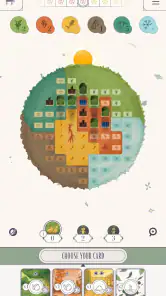




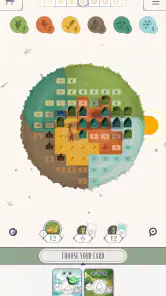
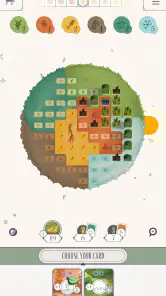

Analysis by Reviewed
When I try a digital board game, the first question is whether the app makes it easy to get from opening the game to understanding what a turn asks of me. Evergreen: The Board Game is a tree-growing strategy game from Horrible Guild, and its appeal is clearest when I want a thoughtful board-game session without setting up a physical table. It costs $4.99, is rated Everyone, and has optional in-app purchases listed at $1.49 per item. That makes it worth checking the purchase details before downloading, especially if you expect a free-to-start experience.
Where setup and first turns can feel unclear
The digital format removes the need to lay out a board and pieces, but it does not remove the learning curve that comes with a strategy game. I would give myself a few unhurried turns to get comfortable with the choices and their consequences rather than judging the game from a quick glance. The rules may be approachable, yet deciding how to use a turn well takes more attention than a casual, purely luck-based board game.
That distinction matters if you are opening it during a short break. A quiet stretch is better for learning the flow; once the choices feel familiar, it becomes easier to settle into a session. I also recommend checking that you have enough time to finish the game you start, rather than treating it like a quick puzzle that can always be paused and resumed without thought.
Simple checks before you play
The game was released on Apr 3, 2024, and its current version is 0.4.7. It requires Android 6.0 or later, so I would check your device’s software before buying. The average rating is 4.9 from 33 ratings, alongside 4 written reviews, and it has more than 500 installs. Those figures suggest a small audience so far, not a long-established consensus, so I would treat them as a useful snapshot rather than proof that every player will have the same experience.
If the game seems slow to start or a control does not respond as expected, I would first close and reopen it, then check for an available update and make sure the device is not struggling with other open apps. These are ordinary first checks, not a claim that Evergreen has a particular technical fault. If a purchase is part of your plan, review the final store price and the optional item cost before confirming, so the paid entry point does not come as a surprise.
Getting more from a session
When I lose my place in a session, I find it more useful to pause and reassess the choices on the board than to hurry through the next move. That gives me a chance to distinguish a strategic decision from a control problem and keeps a learning game from feeling frustrating. With that calmer rhythm in mind, I’d also plan the session around the time and attention I can actually give it.
Recover your rhythm without rushing
When I lose track of a strategy game, I find it helps to pause and look at the board before making another move. In Evergreen, I would focus on the immediate choice in front of me and consider what it contributes to the broader plan, rather than trying to optimize everything at once. This is a practical way to reduce careless decisions, particularly while learning. If something appears stuck, returning to the main screen and starting a fresh session is a sensible fallback; I would not assume that a particular save or recovery feature is available.
More From Our News Desk

Weather by Xiaomi Review: Clear at a Glance, Less Clear Up Close

X Under Pressure: Can It Recover When Posting Goes Wrong?

Clash of Clans Is Won Between the Battles

Android Auto Makes the Case for Quieter Car Software

MobiOffice: Transforming Mobile Productivity with Seamless Integration

EA SPORTS FC™ Mobile Soccer: Redefining Mobile Sports Gaming
For an everyday use case, I can imagine playing at home after dinner, when I have time to focus, instead of squeezing a first session into a noisy commute. Someone who already enjoys calm, strategic board games may appreciate the compact digital format. By contrast, if I wanted instant action, a very short round, or a game that asks almost nothing of me, I would choose a lighter mobile alternative. Evergreen is a better fit when I am in the mood to think through choices, not when I want background entertainment.
What the digital version suits—and what it does not
Compared with a physical board game, the app avoids arranging components and makes it easier to play on a phone, but it cannot replace the face-to-face feel of sitting around a table. Compared with a simple mobile puzzle, it asks for more deliberate planning and may take longer to feel rewarding. That trade-off is central: I would recommend it to players who enjoy strategy and want a board-game-style experience in digital form, but not to anyone choosing mainly for social conversation, fast rounds, or a free download.
If you are deciding whether to buy it, ask yourself two practical questions: do you enjoy learning a strategy game at your own pace, and are you comfortable paying up front before you know whether its style clicks? The rating is encouraging, but the modest number of ratings means it cannot settle that choice for you. The game is marked for Everyone, though that age label is not a promise that its strategic decisions will suit every child or casual player. I would use the store’s purchase screen to confirm the current terms, then make the call based on your appetite for a considered board game.
Planning a first session that feels fair
I would treat the first play as a learning session, not a test of whether I am good at the game. That small change in expectation makes strategy titles more welcoming: instead of worrying about every choice, I can notice which decisions feel intuitive and which ones deserve another look next time. A useful habit is to identify one goal for the session—understanding the turn flow, for example—rather than trying to master every possibility at once.
Evergreen is also easier to judge when I separate the appeal of its theme from the appeal of its decisions. The tree-growing premise gives the game a clear identity, but the reason I would return is whether I enjoy weighing options and seeing how one choice affects the overall plan. If the theme attracts you but strategic planning does not, the visual idea alone may not carry a long session. If you like thoughtful turns, on the other hand, the theme offers a pleasant frame for that kind of play.
Who will enjoy the trade-offs
I see this as a better match for someone who likes compact strategy games and is happy to learn by playing than for someone who wants a tutorial to do all the thinking. A board-game fan who already understands that early turns can be exploratory may settle in quickly. A newcomer can still give it a chance, but should allow room for trial and error instead of expecting the first few decisions to feel obvious.
It is less suited to players who mainly want a shared, talk-filled evening. A digital board game can handle the physical setup for you, but a phone screen does not create the same table presence as passing pieces around and reading other players face to face. If that social ritual is the main reason you play board games, I would choose an in-person option. If convenience and a focused solo-style session matter more, the digital format becomes a stronger argument.
Small habits that make play smoother
Before starting, I would check that the device has enough battery and that I can give the game my attention. That is not a special technical requirement; it is simply a better way to approach a turn-based strategy game than trying to make decisions while juggling several distractions. If I need to stop, I would avoid assuming that progress is preserved automatically. I would first look for the game’s own available controls and, when uncertain, finish the current session before closing it.
When a move seems confusing, I would resist tapping repeatedly. A moment to reread the board and inspect the available choices is more useful than treating a strategic decision as a misbehaving button. If the interface still does not respond, the basic restart and update checks are reasonable next steps. This distinction matters: some hesitation is simply the game asking me to think, while a genuinely unresponsive screen is a separate issue.
How it compares with other ways to play
Against a lightweight puzzle game, Evergreen asks for more patience and gives less of an instant hit of progress. Against a physical strategy game, it saves setup and storage space but loses the tactile and social parts of play. Those are not flaws that a digital version can automatically solve; they are different priorities. I would choose Evergreen when I want a board-game-like decision session on a device, and choose a quick puzzle when I only have a minute or two.
It also sits in a different buying situation from free casual games. The upfront cost asks me to be reasonably sure I want this particular kind of play, while the optional purchases mean I would check the checkout screen rather than assume every part of the experience is bundled together. That is a practical consideration, not a reason to avoid it outright. People who prefer to sample a game at no cost before committing may be happier with another option.
A measured recommendation
If you’ve ever found yourself lost in the world of board games, then you’ll appreciate the charm of Evergreen: The Board Game. What I adore about it is how it channels the nostalgia of traditional board games while offering a fresh twist. The graphics are vibrant and engaging, making each session feel like an adventure in a whimsical world.
A Gameplay Experience Like No Other
When it comes to gameplay, Evergreen doesn’t disappoint. The rules are straightforward, yet they offer enough complexity to keep even the most seasoned board game lovers on their toes. Whether you’re strategizing your next move or just going with the flow, the game adapts beautifully to your style. There’s a satisfying mix of luck and strategy that keeps the suspense alive.
Interactive and Intuitive
One of the standout features of this app is its interactive interface. Navigating through the game is a breeze, thanks to its intuitive design. You don’t need to be a tech wizard to figure things out, which means more playtime and less fumbling around with controls. Plus, the multiplayer feature is a blast, allowing you to challenge friends or make new ones in the Evergreen community.
Why It’s Worth Your Time
So why should you download this app? Well, aside from offering endless entertainment, it’s a great way to unwind. Whether you’re on a break, commuting, or just chilling at home, Evergreen: The Board Game provides a pocket-sized escape into a world of fun. The game costs $4.99, with optional in-app purchases, which is worth weighing against how much you enjoy its style of play.
In conclusion, Evergreen: The Board Game is more than just an app; it’s a portal to a delightful gaming experience. Its combination of beautiful design, engaging gameplay, and social interaction makes it a standout in the realm of mobile board games. So, give it a try and let yourself get swept away by the magic of Evergreen.
Evergreen: The Board Game Frequently Asked Questions
How much does Evergreen: The Board Game cost to download?
Evergreen: The Board Game is a paid board game priced at $4.99. It is worth considering whether its tree-growing strategy suits your tastes before downloading: the central appeal is planning how to nurture a forest, rather than fast action or a collection of short arcade challenges. Optional in-app purchases are also available, so check your store’s purchase settings if you prefer to control additional spending.
What is Evergreen: The Board Game about?
Evergreen: The Board Game is a strategic and engaging game designed to simulate the dynamics of a thriving forest ecosystem. Players are tasked with nurturing trees, managing resources, and ensuring the survival of their forest. The game combines strategy with environmental education, offering an immersive experience that is both entertaining and educational.
Is Evergreen: The Board Game suitable for children?
Yes, Evergreen: The Board Game is suitable for children, typically aged 8 and above. The game is designed to be family-friendly, with rules that are easy to understand and gameplay that encourages learning about ecology and strategy. However, younger children might need assistance from adults to fully grasp the game's strategic elements. Its Everyone content rating also makes it a broadly accessible choice for family play.
How many players can join in a single game of Evergreen?
Evergreen: The Board Game supports 2 to 4 players, making it ideal for small groups and family gatherings. This player range ensures that the game remains engaging and competitive, allowing players to interact and strategize effectively. The multi-player setup encourages teamwork and communication, enhancing the overall gaming experience.
What devices is Evergreen: The Board Game available on?
Evergreen: The Board Game is available for download on both Android and iOS devices. This cross-platform availability ensures that a wide range of users can enjoy the game, whether they prefer playing on a smartphone or a tablet. The game is optimized for various screen sizes, offering smooth and visually appealing gameplay on all supported devices. Android users need version 6.0 or later to install it.
Pros
- Engaging gameplay with strategic depth.
- High-quality graphics and animations.
- Variety of game modes keeps it fresh.
- Intuitive user interface for easy navigation.
- Regular updates with new content.
Cons
- Requires a stable internet connection.
- In-app purchases can be expensive.
- Steep learning curve for beginners.
- Occasional bugs and glitches.
- Limited offline play options.
- Category
- Board
- Version
- 0.4.7