Project Entropy
- 814.00
- 4.6
- Installs
- 1.00M
- Price
- Free

Screenshots
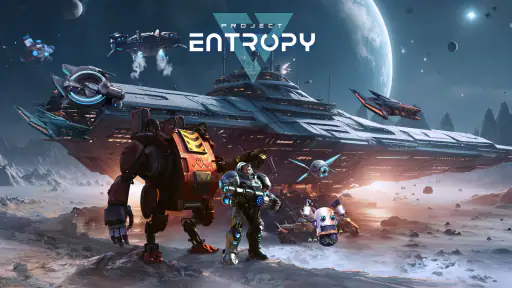
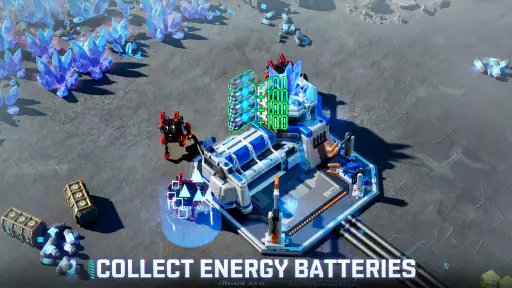
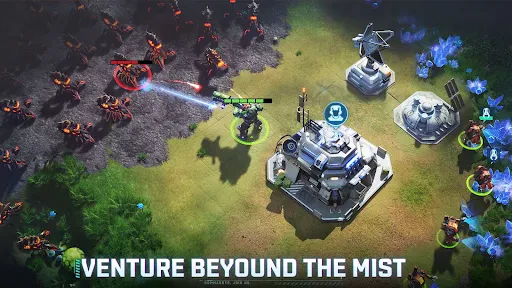
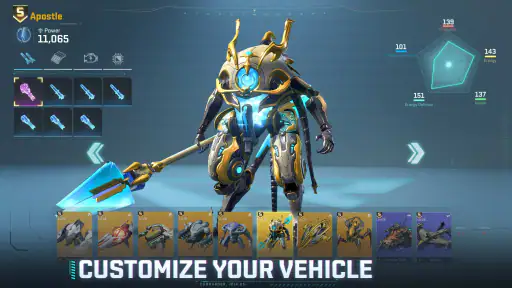
Analysis by Reviewed
I came to Project Entropy expecting a mobile strategy game built around futuristic combat, and its central appeal is easy to grasp: choose how to commit your forces, watch the clash unfold, then decide what to change for the next attempt. That action-and-response rhythm is more compelling than simply tapping through a string of menus. It suits players who enjoy making a plan and seeing how it holds up, though it may be less satisfying if you want a quick arcade match with no decisions to weigh.
Starting with a plan, not just a tap
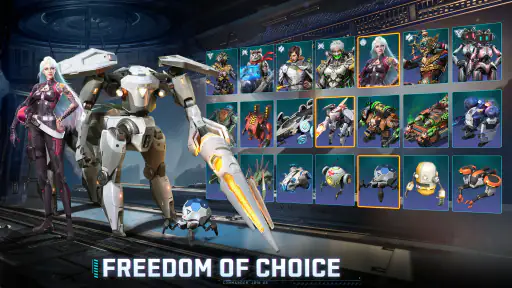
The game puts warships and ground mechs at the center of its combat premise, giving battles a distinct mix of units to think about. I’d approach each encounter with a small question in mind: what do I want my force to accomplish, and what should I change if it fails? That makes even a short play session feel purposeful. Rather than treating every loss as wasted time, use it as a prompt to reconsider your deployment before trying again.
That practical mindset is also useful when you only have a few minutes. I can see this working well during a commute break or while waiting for an appointment: make one deliberate attempt, take note of what seemed ineffective, and stop there if time is up. The strategy is in the choices surrounding the clash, not merely in keeping your hands busy. Players who prefer to think ahead will likely get more from that structure than people looking for uninterrupted, reflex-heavy action.
Unpacking the Mystery
Upon launching Project Entropy, the first thing that strikes you is its sleek and intuitive design. The developers have done a commendable job in keeping the interface user-friendly while also incorporating some visually stunning elements. You don't need to be a tech guru to navigate through this app, which makes it accessible to everyone from tech-savvy teens to, let's say, my grandma who just discovered the wonders of smartphones.
Gameplay That Keeps You Hooked
Now, let's get into the meat of the matter - the gameplay. Project Entropy offers an immersive experience that keeps you on the edge of your seat. Whether it's the challenging puzzles or the strategic planning required to advance through the stages, there's never a dull moment. Each level presents a new challenge, which means you're constantly engaged and, more importantly, entertained. It's one of those games where you tell yourself, "Just one more level," and suddenly realize it's 2 AM.
The beauty of Project Entropy lies in its ability to blend complexity with simplicity. While the game mechanics are easy to grasp, mastering them is a whole different ball game. This duality ensures that the game remains exciting for both newcomers and seasoned players alike.
Reading the feedback between attempts
The most useful habit I’d bring to its strategy loop is to change one part of a plan at a time. If you alter several choices together, it becomes harder to tell what actually helped. A focused retry gives you clearer feedback and makes the next decision feel earned rather than random. This is a good fit for players who enjoy learning a system through experimentation; it is a weaker fit if you expect every encounter to explain itself or hand you an obvious best move.
More From Our News Desk

Clash of Clans Is Won Between the Battles

Android Auto Makes the Case for Quieter Car Software

MobiOffice: Transforming Mobile Productivity with Seamless Integration

EA SPORTS FC™ Mobile Soccer: Redefining Mobile Sports Gaming

How Microsoft OneDrive Became a Mobile Productivity Giant

How Google Translate Breaks Language Barriers Effortlessly
There is a trade-off in that kind of repetition. A setback can make a later success satisfying, but repeating an approach without understanding why it failed can feel like busywork. I’d pause after an unsuccessful attempt, identify one likely adjustment, and return with that specific idea. That keeps the loop thoughtful and helps prevent “one more try” from turning into aimless tapping.
Sounds and Visuals That Mesmerize
One cannot talk about Project Entropy without mentioning its captivating soundscapes and visuals. The background score is perfectly tailored to the game's atmosphere, enhancing the overall immersion. Pair this with crisp, high-quality graphics, and you've got yourself an app that isn't just fun to play but also a treat for the eyes and ears.
It's clear that a lot of thought and effort went into curating the aesthetic of this app. The visuals aren't just there to make things look pretty; they play a crucial role in storytelling, adding depth to the narrative and making the gaming experience all the more enriching.
What a win should earn you
For me, a reward in a strategy game matters most when it gives the next decision some weight. Here, the appeal is the sense of having made a better call after learning from a previous clash, rather than treating every victory as a reason to keep clicking automatically. I’d take a moment after a successful attempt to consider which choice seemed to matter, then carry that lesson into the next one. That small pause can make progress feel more deliberate.
The game is free to download, which lowers the barrier to trying it, but optional in-app purchases range from $0.49 to $99.99 per item. I’d treat spending as a personal limit to decide in advance, not as a shortcut to enjoyment. If you prefer games where every useful step is earned without purchase decisions, that pricing range is worth considering before settling in. It’s a strategy game from FunPlus International AG, with a Teen content rating; the current version is 1.16.0 and requires Android 5.0 or later.
Making the loop work in everyday play
The practical question is whether the game fits the gaps in your day or asks for more attention than you can comfortably give it. I’d use a quiet break when I can focus on a single encounter, rather than opening it while walking, in a conversation, or when I need to keep checking the time. A battle built around choosing forces and judging what happened is more enjoyable when I can actually watch the result and remember the decision that led there.
For a new player, I’d avoid trying to optimize everything at once. Start by paying attention to the relationship between your deployment and the outcome, then make one adjustment on the next attempt. If that change helps, you have a useful clue; if it does not, you have narrowed down what to consider next. This is not a guarantee that every battle will become transparent, but it gives experimentation a purpose and helps keep retries from feeling arbitrary.
It also makes the game easier to put down. Before starting, decide whether you have time for one focused attempt or a longer stretch, and stop at the result rather than automatically launching another try. That boundary matters for a game whose retry loop can encourage “one more” thinking. If you enjoy focused bursts of strategy, this can be a strength; if you want a game that is effortless to interrupt at any moment, it may take more self-control than you prefer.
Choosing it over other strategy games
Strategy is a wide category, and the alternatives often ask for a different kind of attention. Some games center on building an empire over long periods, balancing resources, and planning across a broad map. Others are closer to tactical puzzles, where the pleasure comes from finding a precise answer to a contained challenge. Project Entropy’s stated combat identity, with warships and ground mechs, makes it more appealing if you want to focus on force deployment and the result of a clash than on managing a sprawling settlement.
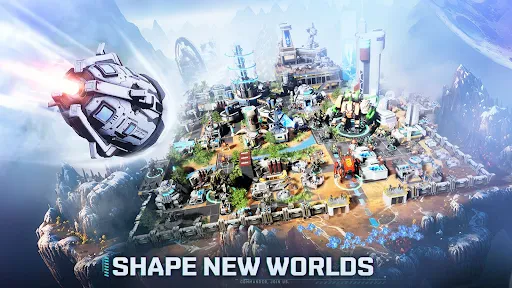
That focus is also a limitation if your favorite part of strategy is shaping a world over time. A player who wants deep base management, a long campaign of economic choices, or a purely competitive match may be better served by a title built specifically around those priorities. I would choose this one when I want a science-fiction combat premise and room to test a plan; I would choose a broader management game when I want to spend a session tending systems beyond the battlefield.
It is also worth separating “easy to start” from “easy to master.” A clear interface can lower the first barrier, but it does not mean the combat decisions will always be obvious. If you prefer a game that tells you exactly why an attempt succeeded or failed, the learning process here may feel less comfortable. Players who like drawing their own conclusions from outcomes are more likely to enjoy that uncertainty.
Who is likely to enjoy the challenge
I’d recommend giving it a try if you like futuristic units, strategic choices, and the satisfaction of refining a plan after seeing it play out. It has a sensible entry point for people curious about mobile strategy who do not want to begin with a long list of management tasks. The free download makes a trial straightforward, while the game’s Teen rating is a useful age guide for families deciding whether it is appropriate.
I would be more cautious about recommending it to someone who wants a completely passive game, a quick reflex challenge, or a session that never involves repeating an attempt. It is also not the obvious pick for players who dislike optional purchase prompts or want to avoid spending decisions altogether. The listed purchase range is broad, so I’d make a budget choice before playing rather than deciding in the heat of a frustrating retry.
For a shared household device, I’d also think about whether everyone using it wants the same kind of game. One person may enjoy analyzing a failed deployment, while another may find the same process repetitive. The appeal depends less on being a strategy fan in general and more on liking this particular cycle of committing forces, watching the result, and adapting.
When the next session makes sense
A useful stopping point is after a clear result, whether that is a win or a failed plan you understand better. That gives each session a natural reset: the next time you return, you have a concrete idea to test instead of simply chasing progress. For example, if I opened the game during a short evening break, I’d make one attempt, note what I would change, and leave the next experiment for tomorrow. That approach is less likely to turn a casual strategy game into an obligation.
Compared with strategy games that emphasize long stretches of empire management, this one’s combat focus is a better match for someone who wants decisions tied closely to deploying forces and seeing the outcome. If you want a broad management sandbox, or a game that never asks you to retry a plan, another strategy title may suit you better. Project Entropy has drawn a 4.6 average from around 72,000 ratings and passed 1 million installs, so plenty of players have given it a look; those figures are context, not a promise that its particular rhythm will click for everyone.
Final Thoughts
In a world saturated with apps and games, finding something that stands out can feel like searching for a needle in a haystack. Yet, Project Entropy manages to do just that and more. It's not just another game; it's an experience. An experience that challenges, entertains, and captivates you all at once.
So, if you're on the hunt for a new app to dive into, give Project Entropy a try. Who knows, it might just become your next obsession. Just don't blame me if you end up losing track of time!
Project Entropy Frequently Asked Questions
Is Project Entropy suitable for someone new to strategy games?
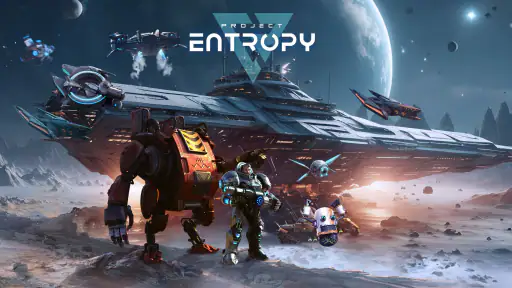
Project Entropy is a strategy game centered on deploying warships and ground mechs against the incoming Grod fleet. That premise gives newcomers a clear sci-fi conflict to engage with, although the experience is still aimed at players who enjoy making strategic choices rather than playing a purely casual game. If you are new to the genre, consider whether managing forces and planning combat sounds appealing before downloading.
Can I play Project Entropy offline, or does it need an internet connection?
Project Entropy focuses on deploying forces in a sci-fi conflict, so a reliable connection is a practical consideration when deciding whether to install it. If you usually play games while traveling or in places with limited access, check that your connection is available when you want to play. It is also sensible to use a stable connection when downloading the game and any updates.
What kind of game is Project Entropy, and what should I expect before downloading?
Project Entropy is a strategy game built around deploying warships and ground mechs to defend against an incoming Grod fleet. Its store description sets up a sci-fi conflict in which your forces take center stage, so expect a combat-focused experience rather than a casual puzzle or simulation. The game is free to download, and its Teen content rating is worth considering when deciding whether it suits you or a younger player.
What is Project Entropy and what makes it unique?
Project Entropy is an innovative game designed for mobile devices, available on both Android and iOS platforms. It stands out due to its immersive gameplay and unique blend of strategic planning and real-time action. Players must navigate through a dynamic environment, making critical decisions that affect the outcome of the game. The app also features high-quality graphics and an engaging storyline that keep users captivated. It's this combination of elements that sets Project Entropy apart from other games in the market.
Is Project Entropy free to download and play?
Yes, Project Entropy is free to download and play on both Android and iOS devices. However, the game includes in-app purchases that allow players to enhance their gaming experience. These purchases are optional and not necessary to enjoy the full range of the game's features. Players can choose to buy additional items or capabilities to progress faster or customize their gameplay experience. In-app purchase prices range from $0.49 to $99.99 per item, so review purchase settings before letting someone else play on your device.
Pros
- Innovative gameplay mechanics.
- High-quality graphics.
- Engaging storyline.
- Smooth user interface.
- Regular updates and support.
Cons
- Requires high-end device.
- Large file size.
- Frequent in-game purchases.
- Steep learning curve.
- Occasional bugs.

- Category
- Strategy
- Version
- 1.16.0