Phobies:Turn-Based Card Battle
- 1.75K
- 4.4
- Installs
- 1.00M
- Price
- Free

Screenshots
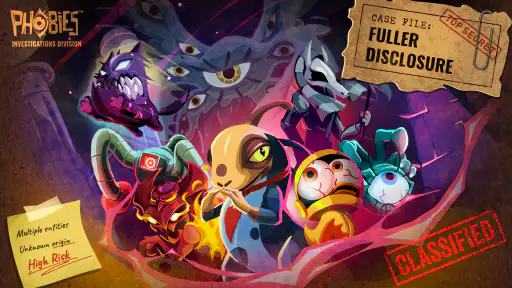
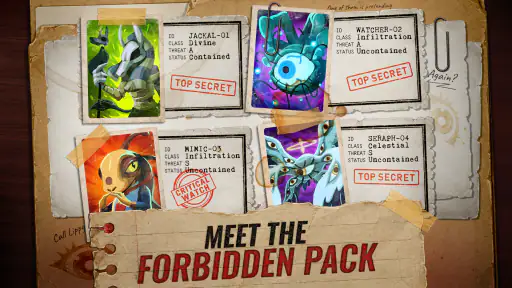
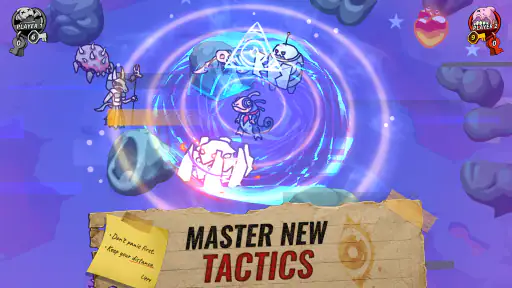
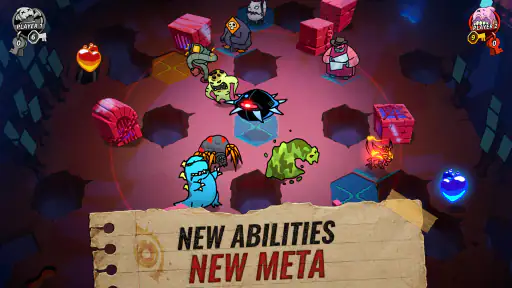
Analysis by Reviewed
I went into Phobies: Turn-Based Card Battle expecting a small card game with a horror-comedy theme, but I found something more deliberate than a quick collectible battler. It is a free strategy game from Phobies Holdings Inc. where monster cards meet turn-based positioning, and the appeal comes from making careful decisions rather than simply building the biggest-looking deck. The basic idea is easy to understand: choose strange creatures, place them on a battlefield, and try to outthink the opposing side.
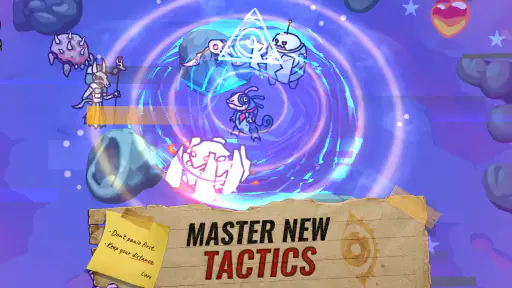
That description sounds familiar if you have played other mobile card battlers, yet the moment-to-moment experience feels different. Your choices are not limited to selecting the strongest card or waiting for a better hand. Movement, timing, distance, and the shape of the battlefield all influence whether a creature is useful. I often found myself planning one turn ahead while also keeping a backup idea ready in case the opponent blocked a route or exposed a weakness.
The game is listed for Everyone 10+ and runs on Android devices using version 6.0 or later. It has reached over a million installs, with an average rating of 4.4 from around 31 thousand ratings. Those numbers suggest a healthy audience, but they do not tell you whether the style suits you. My impression is that this is best approached as a thinking game with monster-card presentation, not as a purely casual collection of cute or creepy characters.
How the free entry point affects its value
The download is free, which makes trying it straightforward. You do not have to decide on a purchase before learning whether the battlefield, pacing, and card-based strategy work for you. That matters here because the game’s strongest qualities are difficult to judge from screenshots. The real test is whether you enjoy taking turns slowly, studying the available options, and accepting that a seemingly minor move can change the rest of a match.
In-app purchases range from $0.99 to $149.99 per item. I see that range as a reason to treat the game as a free trial first rather than assuming that spending is necessary. The free entry point gives you room to understand the core loop, while the upper end of the purchase range is significant enough that I would not recommend buying impulsively. If you decide to spend, do it only after you know exactly what kind of progress or collection goal you are paying toward.
That distinction is important for value. The game can be free to access and still become expensive for someone who wants every available advantage or collectible quickly. I would judge the free experience by whether it gives you enough strategic variety to make matches worthwhile before spending. I would judge purchases separately, because a paid item can be personally useful without being necessary for someone who only wants occasional battles.
I also appreciate that the game’s purchase range does not force the decision at the start. You can install it, learn its rhythm, and decide later whether collecting more cards or accelerating progress matters to you. My practical advice is to set a personal limit before entering the shop. That simple step keeps the game’s tactical choices at the center instead of letting collection pressure decide how much value you receive.
The battlefield is more important than the card artwork
The monster designs are the obvious hook, but they are not what kept me playing. The deeper appeal comes from using a limited group of creatures in the right order. A card that looks unimpressive in isolation can become valuable when it controls a narrow route, protects a stronger attacker, or forces the opponent to spend a turn responding. Conversely, a powerful-looking creature can waste its opportunity if it is placed too early or left without support.
This creates a useful separation between collecting and understanding. You may enjoy discovering new Phobies, but simply having more options does not automatically make you better at the game. I learned more from reviewing why a move failed than from chasing a new card immediately. When a match went badly, the cause was often poor positioning or impatience rather than a complete lack of strength.
For new players, I recommend resisting the urge to move every creature as soon as possible. Before committing a turn, look at which spaces the move opens, which spaces it closes, and whether the opponent gains an easy target. This is one of the less obvious habits that improves the experience: treat movement as a resource, not just a way to get closer. A quiet turn can be better than an aggressive one if it preserves several future choices.
The turn-based structure also makes the game easier to fit into a busy day than a real-time strategy title. I could pause to consider a route or compare two possible attacks instead of reacting instantly. That does not make every match relaxing; losing after a long chain of decisions can be frustrating. Still, the format is friendly to players who prefer thoughtfulness over fast reflexes.
Why the card collection has strategic depth
The collection works best when I viewed each creature as part of a situation rather than as a permanent ranking. Different cards can matter for different reasons: reach, timing, defensive value, pressure, or the ability to make an opponent change plans. This encourages experimentation, especially when a familiar approach stops working against a different style of opponent.
One practical workflow helped me avoid random deck changes. After a loss, I changed only one part of my lineup and then played again before making another adjustment. That made it easier to understand whether the problem was the card choice, the order of deployment, or the way I used the battlefield. Replacing everything at once may feel productive, but it removes the feedback needed to improve.
I also found value in keeping a flexible option rather than filling every decision with an immediate attack. A creature held back for one turn can discourage an opponent from advancing or punish a move that seemed safe. This is a trade-off, because waiting can surrender initiative. The useful question is not “Can I attack now?” but “What does attacking now allow the other side to do?”
That kind of thinking separates this title from many simpler mobile card games. In a straightforward card battler, the main excitement may come from drawing a strong combination. Here, the same collection can feel different depending on where and when its members are used. That makes the game more rewarding for analytical players, although it also means that beginners may need patience before the choices feel natural.
Where the free experience delivers real value
The free version is most valuable when you enjoy learning through repeated matches. You are not just consuming a short campaign and moving on; the entertainment comes from gradually recognizing patterns, testing choices, and improving your response to unfamiliar threats. If you like games that give you something to think about after closing them, this structure has lasting appeal even without treating the collection as a race.
A realistic everyday use case is a short break when you want more involvement than a puzzle but less commitment than a long role-playing session. I could begin a match, consider each turn carefully, and stop thinking about it afterward without needing a large uninterrupted block of time. It is also a good fit for someone who enjoys discussing strategy with friends, because a surprising result usually has a clear decision behind it rather than being explained only by reflexes.
The game’s age rating makes it accessible to a broad audience, but younger players may still need guidance around in-app purchases. The free label is useful, yet the presence of items priced up to $149.99 means families should use the device’s purchase controls and agree on expectations beforehand. That is not a criticism of the battlefield itself; it is simply part of evaluating the real cost of a free-to-start game responsibly.
Another source of value is replayability through decision-making rather than visual novelty alone. The monster theme gives the collection personality, but the reason to return is usually that you believe you can make a better choice next time. If you prefer games where progress is mostly automatic or where a short session guarantees a clear reward, the same design may feel demanding instead of satisfying.
The friction points I noticed while playing
The largest limitation is the learning curve created by the combination of cards and positioning. A new player can understand the rules and still lose because the important consequences are not yet obvious. It takes time to recognize when a route is unsafe, when an attack is bait, or when preserving a creature is more valuable than dealing damage immediately.
That learning process can feel less welcoming than a conventional casual card game. If you want to open an app, make a few obvious plays, and feel powerful right away, this may not be the right choice. The game asks you to accept mistakes as part of learning, and some players will find that motivating while others will find it tiring.
The collection aspect introduces another trade-off. More cards can expand your options, but a larger collection can also make it harder to identify which combinations fit your preferred style. I recommend choosing a small group of reliable creatures and learning their roles before constantly chasing alternatives. This keeps experimentation focused and reduces the feeling that every loss means you need something new.
Spending can create a second kind of friction. Because purchases range from a small amount to a very high individual price, the game requires self-control from anyone tempted by faster collection progress. I would not describe the purchase system as a reason to avoid trying the game, but I would avoid presenting paid items as part of the basic admission price. The honest value proposition is free access with optional spending that should be considered carefully.
There is also a difference between enjoying the theme and enjoying the mechanics. The unusual creatures may attract you, but the battles are not merely a showcase for their designs. If you mainly want a relaxed creature-collecting experience, the strategic pressure may be more than you want. If you mainly want a competitive tactical challenge, the monster presentation adds character without replacing the need to think.
Who will get the most from it
I would recommend this game to players who like turn-based strategy, collectible systems, and gradual mastery. It suits someone who enjoys asking why a match was lost and trying a different plan next time. It is especially appealing if you prefer positioning and timing to rapid tapping, and if you want a mobile game that can occupy your attention without demanding real-time reactions.
It can also work for card-game fans who feel that ordinary deck construction is not enough. The battlefield gives your choices physical consequences: a card is not useful only because of what it contains, but because of where you place it and how the opponent can answer. That extra layer makes the game more expressive than a purely menu-driven contest.
I would be more cautious recommending it to players who dislike losing while learning. The game rewards patience, and early mistakes may feel harsher because they can affect several later turns. It is also not ideal for anyone looking for a completely free experience with no temptation to spend, since optional purchases cover a wide range and include a high-priced tier.
For families, the Everyone 10+ rating provides a general age guide, while the purchase range deserves a separate conversation. For older players, the main question is not whether the game is accessible but whether its tactical pace feels rewarding. I would suggest trying the free version first, then deciding based on the actual battles rather than the monster theme or the store rating alone.
How it compares with familiar alternatives
Compared with a traditional digital card battler, this game places more emphasis on the battlefield. In a deck-focused alternative, you may spend most of your attention on drawing, resource curves, and combinations. Here, those collection decisions matter, but the placement of each creature gives the opponent more ways to punish a careless turn. That makes it a better choice for someone who wants card strategy with a spatial layer.
Compared with a real-time strategy game, it is less dependent on speed and multitasking. You have more opportunity to examine the position before committing, which makes it friendlier to thoughtful players and to short sessions interrupted by everyday responsibilities. The trade-off is that the experience may feel slower if you enjoy constant action and immediate reactions.
Compared with a simple match-three or idle game, it offers more meaningful decision-making but less effortless relaxation. I would choose it when I want to engage my brain, not when I need something that plays itself in the background. That distinction helps explain why the game can be highly satisfying for one person and frustrating for another even when both enjoy mobile games.
The monster-card theme also gives it a personality that a generic tactical board game may lack. Still, the theme is not enough to carry the experience on its own. The lasting value comes from the interaction between collection choices and turn-by-turn positioning. If that combination sounds appealing, the game has a clearer reason to exist on your phone than simply offering another set of collectible creatures.
My practical approach for new players
I would begin by learning the battlefield before worrying about collection breadth. Use early matches to notice how far creatures can safely move, which spaces expose them, and how long an attack remains useful. Do not measure success only by damage dealt. A move that prevents an opponent from reaching an important area may be the better result even if it looks passive.
Next, keep notes mentally about the decisions that caused trouble. Was a creature exposed because it advanced alone? Did an attack remove a target but leave your side unable to respond? Did you spend an important option too early? These questions are more useful than immediately assuming that a different card would have solved everything.
When experimenting, change one variable at a time. Try a different opening order, then a different defensive position, then a different card choice. This approach reveals the game’s logic and helps you build a personal style. It is also a good way to decide whether spending would add genuine enjoyment or merely cover frustration from not yet understanding the system.
Finally, give yourself permission to stop after a few matches if the decision-heavy pace is not enjoyable. A free game does not become good value simply because it costs nothing to install. Its value comes from the time you willingly give it. In my experience, this title earns that time when I am in the mood for careful tactical play, but not when I want a low-effort distraction.
Final verdict on the free-to-start experience
Phobies: Turn-Based Card Battle is a distinctive strategy game built around monster cards, deliberate turns, and the consequences of positioning. I like that its collection is not the whole story: knowing when to move, wait, attack, or protect a route matters just as much as having interesting creatures available. That gives the game more depth than its simple premise suggests.
The free download makes it easy to test, and the broad install base and 4.4 average rating show that it has connected with many players. The current version is 1.16.1020.0, and the Android requirement reaches back to version 6.0, so the technical entry point is relatively approachable for compatible devices. I would still treat the purchase range carefully and avoid spending until the core loop has proved enjoyable on its own.
My recommendation is to try it if you want a thoughtful mobile strategy game and do not mind learning through mistakes. I would skip it if you want instant victories, constant action, or a collection experience with no pressure to consider optional purchases. For the right player, the strongest value is not the promise of owning more cards; it is the satisfaction of making a small, intelligent decision and watching it shape the entire match.
In short, this is a good free starting point for anyone who likes tactical card battles with a physical sense of space. I would recommend approaching it slowly, building understanding before building a collection, and keeping purchases separate from the question of whether the game itself is fun. If the answer to that question is yes, the unusual Phobies theme and careful turn structure give it enough personality to remain worth returning to.
Pros
- Strategic battles reward careful positioning and thoughtful team composition.
- Matches are easy to start but offer considerable depth for experienced players.
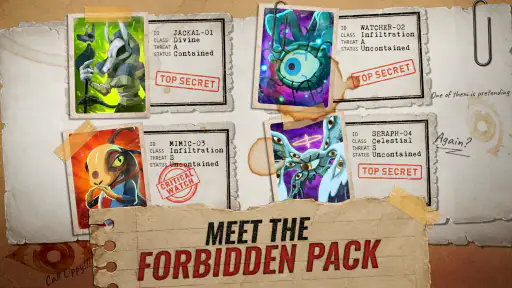
- Distinct creature abilities make each card feel useful and memorable.
- Regular events and challenges provide reasons to keep returning.
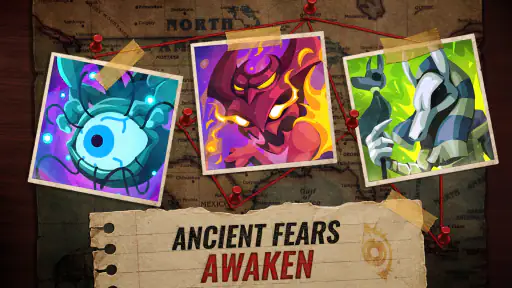
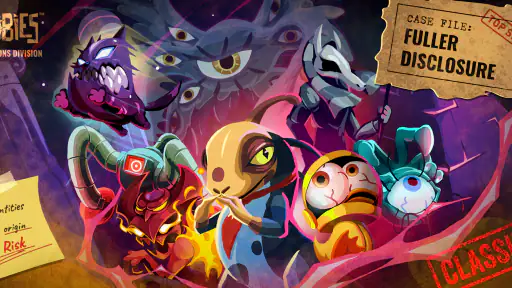
- The darkly humorous art style gives the game a distinctive personality.
Cons
- Some upgrades and unlocks can feel slow without spending resources.
- Matchmaking may occasionally pair newer players with stronger opponents.
- The large roster can make learning counters and abilities overwhelming.
- Energy or progression limits may interrupt longer play sessions.
- Random card draws can sometimes make victories feel less skill-based.

- Category
- Strategy
- Version
- 1.16.1020.0