Minipuzzles - Daily Challenges
- 480.00
- 4.5
- Installs
- 1.00M
- Price
- Free

Screenshots
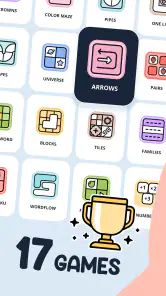
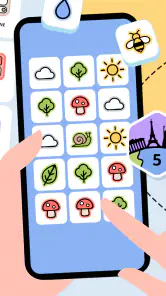
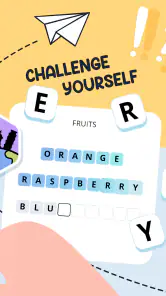
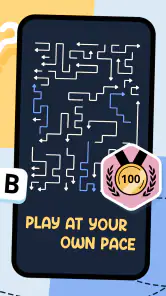
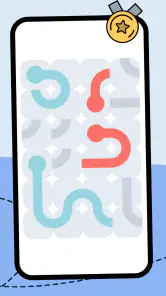
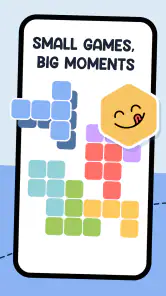
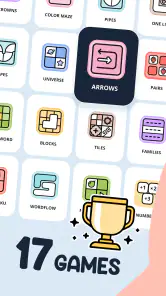
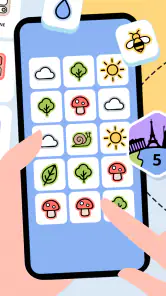
Analysis by Reviewed
I like puzzle games best when they fit into a spare moment without demanding a long session or a complicated setup. Minipuzzles - Daily Challenges is built around that kind of quick mental break: a trivia game from Puzztime! that presents bite-sized puzzles and gives me a reason to return regularly. Its appeal is less about settling in for an elaborate campaign and more about turning a pause in the day into a small test of attention and recall.
That focus makes it easy to understand, but it also sets a clear expectation. This is not a deep trivia encyclopedia, a full-length quiz night, or a sprawling puzzle adventure that keeps revealing new layers for hours. I see it as a lightweight daily routine for people who enjoy short challenges. If that sounds appealing, the key is to approach each puzzle deliberately rather than expecting a large game mode to unfold around it.
Making a short puzzle session work
A simple baseline for daily play
The most useful way to begin is to treat a session as a small standalone activity. Open the game when you have a few minutes, focus on the puzzle in front of you, and stop when you have had enough. That approach suits its minipuzzle format better than trying to turn every visit into a long play session. It also makes the game an easy choice while waiting for a drink, taking a short break, or winding down between other tasks.
I would avoid rushing just because the puzzles look compact. With trivia and puzzle games, a quick answer can feel satisfying, but pausing to notice exactly what a question asks is often more useful than responding to the first familiar clue. A practical habit is to read the whole prompt once, identify what information it is asking for, and only then choose an answer or solve the puzzle. That small routine helps keep a short challenge from becoming a careless tap-through.
The daily framing gives the game a natural stopping point. Instead of browsing endlessly for something to do, I can make one visit part of a repeatable habit: check in during a lunch break or after finishing a task, give the puzzle my attention, and get back to the day. That makes it better suited to brief, intentional play than to marathon sessions. Anyone looking for a game that fills an entire evening may find this rhythm too restrained.
Settings and expectations before settling in
Before building a routine around any mobile puzzle game, I recommend checking the settings and purchase controls available on your device. The game is free to download, with in-app purchases ranging from $0.99 to $22.99 per item. That does not mean a purchase is necessary to enjoy a short puzzle session, but it is sensible to know where purchase prompts and device-level spending controls are before handing a phone to a child or letting someone else play.
The age rating is Everyone, so the game is positioned for a broad audience. I would still make the same practical check I make with any app: look over its current settings on the device you use, especially if you prefer a quieter or more controlled play environment. That is a useful step for parents, too. An age rating helps set expectations, while purchase controls are a separate matter worth checking before a child plays independently.
You May Like

Clash of Clans Is Won Between the Battles

Android Auto Makes the Case for Quieter Car Software

MobiOffice: Transforming Mobile Productivity with Seamless Integration

EA SPORTS FC™ Mobile Soccer: Redefining Mobile Sports Gaming

How Microsoft OneDrive Became a Mobile Productivity Giant

How Google Translate Breaks Language Barriers Effortlessly
Compatibility is another sensible first check. The listed minimum OS is 7.1, and the current version is 7.1.5. If the game is already installed, keeping it up to date is a straightforward way to make sure you are using the current release. I would not assume that every device will feel identical, though; how comfortably a short puzzle works can depend on screen size, touch accuracy, and the way you prefer to hold your phone.
For the best first impression, try a session when you are not distracted and notice whether the puzzle style itself clicks for you. The format is concise, so a few interruptions can make it feel more abrupt than it really is. A quiet minute gives you a fairer sense of whether the challenge is satisfying or whether you would rather have a longer quiz with more context.
Small habits that make each challenge more satisfying
One useful pattern is to separate solving from reviewing. First, give the puzzle a genuine attempt without immediately guessing. Afterward, think about what made the answer clear—or what led you in the wrong direction. That reflection is a low-effort way to get more from trivia than simply collecting correct responses. It also helps you notice whether you enjoy testing knowledge, spotting patterns, or just taking a quick mental detour.
A second practical habit is to choose a consistent moment for play. The daily concept works especially well when attached to an existing routine: after breakfast, during a commute break when you are safely stationary, or while waiting for a meeting to begin. Keeping it to one brief window prevents a casual game from turning into constant phone checking. It also means the puzzle feels like a deliberate treat rather than another notification-driven task.
If you are sharing the game with someone nearby, compare how you reasoned rather than treating the result as a serious contest. A compact puzzle can make a good conversation starter because each person can explain what clue they noticed first. This is a different kind of social use from a full multiplayer quiz: it works best as a quick exchange, not as a substitute for a structured group game or a long head-to-head session.
For players who like to improve, keep the goal modest and specific. Instead of deciding that you must be faster every day, focus on avoiding one recurring mistake, such as overlooking a qualifier or relying on a familiar answer too quickly. That makes progress feel grounded in your own thinking rather than in a score comparison. It is particularly useful when the appeal of the game is mental exercise, not competitive ranking.
A practical way to fit it around a busy day
For example, I might open it while waiting for lunch to heat, silence other distractions, solve the current challenge, then close the game before moving on. The useful part of this routine is not squeezing in as many puzzles as possible; it is giving one small task a clear beginning and end. If a puzzle catches my interest, I can take a moment to think through it, but I do not need to turn a spare minute into a commitment to keep playing.
That makes the game particularly suitable for people who want a low-pressure alternative to scrolling through a feed. It offers a defined focus rather than an endless stream of content. On the other hand, if you usually pick up your phone because you want a substantial distraction, a short puzzle may leave you looking for something else almost immediately. I would treat that as a matter of fit, not a flaw that a longer session can necessarily fix.
Where the format reaches its limits
The same brevity that makes Minipuzzles convenient can leave some players wanting more. If you prefer layered logic problems, a continuous story, a deep collection of categories, or long rounds with a visible sense of progression, a daily minipuzzle format may feel slight. I would choose a dedicated logic-puzzle game for sustained problem solving, or a conventional trivia app for longer quizzes and broader session variety.
It is also not the best match for someone who wants a detailed study tool. A short challenge can prompt curiosity, but it should not be treated as a structured course or a reliable way to cover a subject comprehensively. If your goal is to learn a language, prepare for an exam, or build expertise in one topic, a purpose-built learning app or reference source is a better fit. This game works more naturally as a light test of the mind than as a planned curriculum.
Another trade-off is that daily play depends on enjoying the individual challenge in front of you. A routine can make it easier to return, but habit alone cannot make every puzzle equally engaging for every person. If you miss the appeal of a particular puzzle style, there is no reason to force a long session. The sensible approach is to give it a fair try, then decide whether the short format suits your taste.
Its audience numbers suggest that the game has found a substantial group of players: it has more than 1 million installs and an average rating of 4.5 from around 26,000 ratings. Those figures are encouraging context, not a promise that every puzzle will land for every player. I would use them as a sign that the basic idea has broad appeal, while making the decision based on whether a compact daily challenge fits your own habits.
Who should make it part of the day?
I would recommend it to people who like trivia but do not always have time for a full quiz, and to casual players who want a small, low-commitment puzzle break. It can also suit families looking for a brief shared activity, provided an adult checks purchase controls and everyone is comfortable with the format. The game is free to start, which makes trying that routine straightforward, while optional purchases are worth keeping in mind.
I would skip it if you need extensive explanations, a long-term progression system, or a dependable source of educational material. I would also look elsewhere if your favorite part of trivia is competing in extended matches with a group. The game’s strength is its compact scale; expecting it to replace a more substantial quiz or logic title would be unfair to both the app and your own preferences.
How it compares with other quick brain breaks
Compared with a broad trivia app, this game makes more sense when I want one contained challenge rather than a sequence of rounds or an extended quiz session. Compared with a dedicated logic title, it is the better choice when I want variety and a lighter commitment, not when I want to work through one demanding problem for a long stretch. Choosing between them is less about which format is universally better and more about whether I have a spare moment or a longer block of focused time.
It also sits between solo play and a group quiz in a useful way. I can think through a puzzle alone, then share my reasoning with someone nearby if they are interested, without needing to organize a match. That informal use is handy during a quiet break, but anyone looking for team rounds, a live opponent, or a strong social competition should choose a game built around those activities instead.
A measured verdict on the daily routine
Minipuzzles - Daily Challenges is most appealing when I treat it as a small, repeatable mental pause rather than a major game commitment. Its trivia focus, concise format, and daily framing give it a clear place in a busy day, and the game has attracted over 26,000 written reviews alongside its wider rating base. Puzztime! has made a straightforward proposition: open the game, spend a little attention on a puzzle, and return to whatever you were doing.
My recommendation is to try it with a simple routine and realistic expectations. Check the device settings and purchase controls, choose a time when you can concentrate, and notice whether the challenge leaves you pleasantly engaged or wishing for more depth. If a brief daily brain break is what you want, this is a sensible game to try; if you want a full quiz platform or a serious learning tool, another option will serve you better.
Minipuzzles - Daily Challenges Frequently Asked Questions
What is Minipuzzles - Daily Challenges?
Minipuzzles - Daily Challenges is a casual puzzle app built around short challenges that you can tackle in brief sessions. It is suited to players who enjoy testing their logic, spotting patterns, or solving bite-sized brain teasers without committing to a long game. The exact puzzle types and available features can vary by version, so check the app’s current store listing for the latest details.
Is Minipuzzles - Daily Challenges free to download and play?
The app may be available to download without an upfront purchase, but that does not necessarily mean every feature is free. Some versions of mobile puzzle games include advertisements, optional in-app purchases, or paid features. Before installing, review the store listing for pricing and purchase information, and check the app after opening it for any prompts about subscriptions or additional content.
Do I need an internet connection to play?
Whether you can play offline depends on how the current version handles daily content and progress. A daily challenge may need an internet connection to load, while puzzles already stored on your device could remain available offline. If offline access matters to you, check the app’s description and try disconnecting after installation; avoid assuming that every mode or feature will work without a connection.
Is Minipuzzles - Daily Challenges suitable for children?
The short puzzle format may appeal to a wide range of ages, but suitability depends on the specific content, advertising, and purchase options in the version available to you. Check the age rating and content disclosures on Google Play or the App Store before downloading. If a child will use the app, consider reviewing its ads and in-app purchase settings and enabling suitable parental controls.
How can I get help if a puzzle does not work or my progress is lost?
First, check that the app is updated and restart it; these basic steps can resolve temporary loading or display problems. If progress disappears, look for an in-app account, cloud-save, or support option, since recovery depends on the app’s available features. You can also use the developer contact details on the app’s store page, providing your device model, operating system, and a clear description of the issue.
Pros
- Daily challenges offer a quick
- bite-sized way to keep your mind active.
- Short puzzles fit easily into breaks or other spare moments.
- A variety of puzzle formats can keep daily play feeling fresh.
- Simple sessions make it easy to pick up without a long time commitment.
- Daily goals can encourage a consistent puzzle-solving habit.
Cons
- Daily challenge limits may leave you wanting more puzzles at once.
- Some puzzle types may feel repetitive with frequent play.
- Difficulty may not suit every player's experience level.
- Daily progress can be discouraging if you miss a challenge.
- Small puzzle layouts may feel cramped on compact screens.

- Category
- Trivia
- Version
- 7.1.5