Lost Lands 9
- 546.00
- 4.6
- Installs
- 1.00M
- Price
- Free

Screenshots
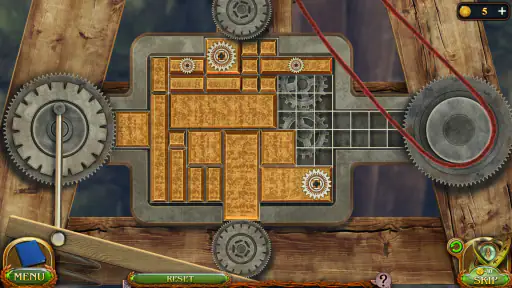
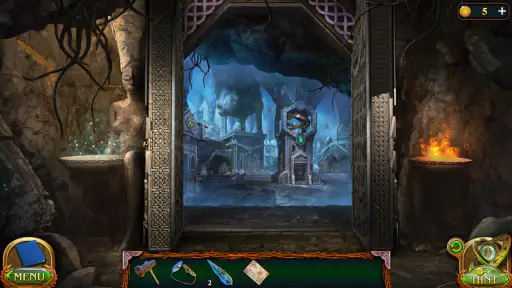
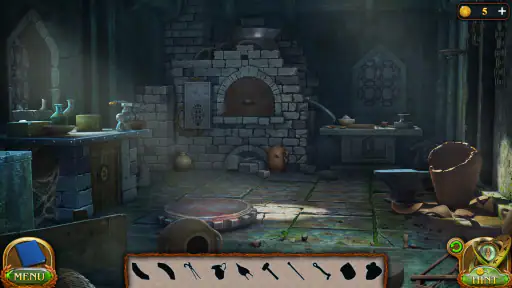
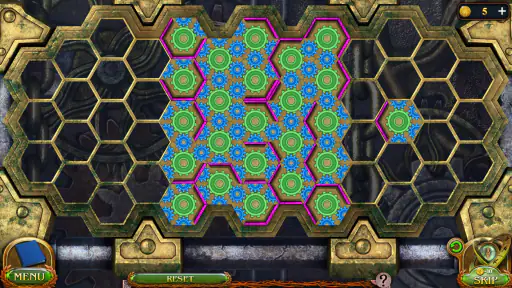
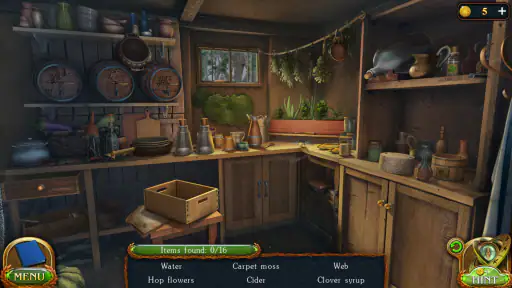
Analysis by Reviewed
I approached Lost Lands 9 as the kind of adventure game that can work surprisingly well on a shared household device. It is free to start, easy to pass between people, and built around the sort of puzzles that invite a second opinion. I found myself explaining a clue to someone nearby, handing over the phone when a scene became interesting, and then taking it back to test a different idea. That social, informal way of playing is one of its strongest qualities.
At the same time, this is not a quick party game or a simple distraction for very young players. It asks for attention, patience, and a willingness to inspect scenes carefully. The Teen content rating matters when several people use the same tablet, especially if children may open games without an adult nearby. My overall impression is positive, but the best experience comes when everyone sharing the device understands that progress, purchases, and play time need a little coordination.
A story-led adventure that works well when a household shares one screen
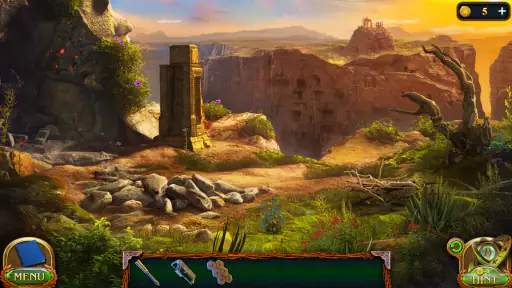
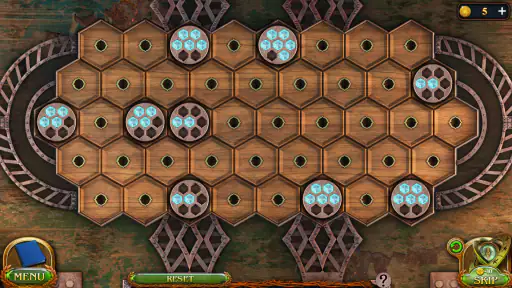
FIVE-BN GAMES places this release in the adventure category, and that description fits better than calling it a casual puzzle game. The puzzles are important, but they sit inside a larger journey with exploration, atmosphere, and a continuing story. I did not feel that I was simply moving from one isolated brainteaser to another. The surrounding world gives each task a reason to exist, which made me more interested in finding the next object or understanding the next location.
The central appeal is the rhythm: examine a scene, collect something useful, notice a connection, and return to an earlier problem with a new idea. That rhythm is particularly suitable for a shared device because one person can search while another remembers a detail from a previous location. It also means that the game rewards conversation rather than reflexes. A younger player might spot a visual clue, while an older player may be better at tracking the sequence of actions.
In my experience, the most enjoyable household scenario is a quiet evening when two people are willing to solve one section together. One person holds the device and explores, while the other keeps an eye on symbols, objects, and unusual details. This avoids the awkwardness of passing the phone every few seconds. It also turns difficult moments into a joint problem instead of a reason to quit.
There is a trade-off, though. The game is not designed around simultaneous participation. Only the person controlling the device is actively making progress, so a group of several players may spend more time watching than playing. For a couple, parent and child, or two friends, that can be comfortable. For a larger family expecting everyone to have an equal turn, a multiplayer title would be a better match.
Why the investigation style feels different from ordinary mobile alternatives
Many mobile adventure games push the player toward short sessions filled with obvious objectives. Lost Lands 9 is more deliberate. I often had to stop, scan the whole screen, and think about whether an item belonged to the current problem or a later one. That slower pace gives the setting more weight, but it can feel demanding if you only want a five-minute game between tasks.
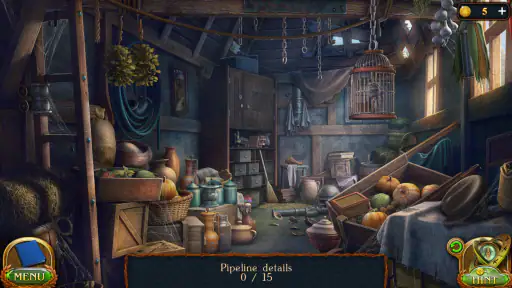
Compared with a traditional hidden-object game, this release asks for more than spotting a list of items. The useful object is not always meaningful until another clue explains it, and the order in which I approached a problem mattered. Compared with a purely narrative adventure, it gives me more responsibility: I have to observe, test ideas, and remember relationships instead of simply tapping through dialogue.
The key trade-off is atmosphere versus immediacy. If you enjoy building an understanding of a place, the slower investigation is rewarding. If you prefer instant feedback, rapid battles, or clearly marked objectives, the same design may feel like unnecessary friction. I would recommend it to someone who likes mystery and exploration more than action.
What I would decide before installing it on a shared device
The game is free, which makes trying it straightforward. However, in-app purchases range from less than a dollar to around twenty dollars per item, so I would not hand a shared phone or tablet to a child without first agreeing on purchase rules. A free download does not mean every optional transaction is irrelevant. The safest household habit is simple: the person who owns the store account should remain responsible for any purchase decision.
I would also check the device’s operating system before planning a family session. The minimum requirement is Android 7.1, so older hardware may not be suitable. That is especially worth considering with an old tablet kept in a living room or passed down between family members. A game can be a good fit in every other way and still become frustrating if the device struggles to run it smoothly.
The current version is 1.0.3.1597.2062. I mention that because shared-device users often encounter a practical problem: one person starts playing, and another later opens the same game expecting a fresh beginning. Before anyone begins, decide whether the household wants one continuing journey or separate play sessions. The game is much easier to enjoy when people know whose progress they are continuing.
Progress boundaries matter more than people expect
I would treat the device itself as the boundary unless the game clearly offers another arrangement during use. In other words, do not assume that different household members automatically have separate progress spaces. If one person is solving the story and another starts tapping around casually, the second session may alter the shared journey or make it harder to remember what has already been completed.
A practical routine is to give the game one agreed player or one agreed household save. If several people want to participate, keep a small note beside the device with the last location, the current objective, and any puzzle that is still open. That may sound old-fashioned, but it prevents the common shared-game problem of returning later and asking, “What were we trying to do here?”
I also found that taking a screenshot of a complicated clue can be useful for coordination, provided everyone understands that it is only a reference and not a replacement for solving the puzzle. A child can show an adult the scene that caused confusion, or two siblings can discuss a symbol away from the device. This is a better workflow than repeatedly restarting the same area while trying to remember a visual detail.
Another helpful boundary is session length. Because the game encourages close inspection, tired players are more likely to tap randomly and lose the thread. In a household setting, stopping after a natural puzzle or location is better than ending in the middle of a complicated sequence. The next player then has a clear starting point rather than a screen full of half-remembered possibilities.
How to coordinate without turning the game into homework
The best shared sessions I had followed a loose division of roles. One person explored the environment, another watched for patterns, and both agreed before using an item or committing to a solution. This kept the player at the controls while still giving the observer a meaningful job. It also reduced the temptation for the non-player to shout instructions without understanding the whole scene.
For a parent playing with a child, I would resist solving every puzzle immediately. Asking what the child notices first turns the game into a conversation about observation and reasoning. When a clue is difficult, offer a narrower question rather than the answer: what objects look out of place, what symbols repeat, or where was a similar shape seen earlier? The game’s investigative structure supports that style naturally.
For siblings, a turn-based arrangement can work, but I would change turns at sensible milestones rather than after every tap. A new location, completed puzzle, or discovered object gives the next player context. Constant handoffs make the experience feel disjointed and can cause arguments over who is actually playing.
Adults sharing the device should also agree on hint behavior. If one person wants to solve everything independently while another prefers help at the first sign of difficulty, tension can build quickly. I enjoyed using discussion before looking for assistance because it preserved the satisfaction of discovery. The important point is not to treat one approach as correct for everyone; decide whether the shared session is about finishing efficiently or enjoying the reasoning.
Teen rating, trust, and choosing the right audience
The Teen content rating means I would place this game with older children, teenagers, and adults rather than assuming it is suitable for every child who can operate a touchscreen. A household should consider the individual player’s comfort with the story and atmosphere, not only their ability to solve puzzles. A parent who wants a completely gentle, preschool-friendly title should choose something else.
That does not make it a poor family game. It simply changes the way I would introduce it. I would play the opening portion together, observe how the younger player reacts, and decide whether independent play feels appropriate. Shared use is valuable here because an adult can provide context if a scene or story moment feels unsettling.
Trust also applies to spending. Since the game is free but includes optional purchases, I would make the rule explicit before handing over the device: no purchase without asking. This is especially important when a child uses an adult’s phone, because the child may not understand that an on-screen confirmation can have a real financial consequence. The game itself should not be blamed for a household that never established a clear boundary.
Account expectations deserve the same clarity. I would not promise separate identities, independent saves, or a family-sharing arrangement unless the device and game visibly provide those options. For a household that needs strict separation between players, a game with clearly documented profiles would be more convenient. Here, the simplest dependable approach is to keep the game associated with one agreed play path and coordinate manually.
Small habits that make the puzzles less frustrating
My first useful habit was to slow down before tapping. Adventure games often make players think they have missed an item when they have actually overlooked a connection. I found it better to inspect the whole scene, note unusual shapes, and only then test an object. Random tapping may occasionally work, but it weakens the reasoning that makes the game satisfying.
Second, I would keep track of unresolved locations mentally or in a brief note. The game’s backtracking structure means that an object found now may become meaningful later. When playing alone, I could remember most of the open threads; during shared sessions, that memory became less reliable because different people noticed different clues. A short record of “locked mechanism,” “symbol pattern,” or “object needs another part” saved time without giving away the solution.
Third, I would avoid letting one confident player dominate every decision. The less obvious insight in a scene may come from the person who is not holding the device. In my sessions, the observer sometimes noticed a visual relationship that the active player had ignored. That is a real strength for household play, but only if the group leaves room for both people to look carefully.
Finally, I would stop before frustration turns into guessing. When a puzzle stops making sense, taking a break often works better than repeatedly trying combinations. Returning with a fresh view can reveal a detail that was visible all along. This is also why I would not use the game as background entertainment while multitasking; its clues reward attention, not divided focus.
Who should choose it, and who should skip it
I think Lost Lands 9 is a strong choice for players who enjoy story-driven exploration, environmental clues, and puzzles that are meant to be considered rather than rushed. It suits an adult who wants a thoughtful mobile adventure, a teenager who likes mystery, or two people who enjoy solving problems together while sharing one screen.
It is less suitable for someone looking for combat, competitive play, fast movement, or a short repeatable challenge. It is also not my first recommendation for a young child using a device independently, because the Teen rating and optional purchases call for adult judgement. A family that needs separate accounts or tightly divided progress should look for a title built around explicit player profiles.
Players who dislike backtracking may also want to think carefully before installing it. Returning to earlier areas is part of the investigation style, not an accidental detour. I found that structure rewarding when I remembered why I was going back, but it could feel repetitive when I had forgotten the original clue. The game rewards organized attention more than casual tapping.
My household verdict after spending time with the adventure
FIVE-BN GAMES has made a free mobile adventure that is particularly easy to share informally. Its strongest feature is not simply that two people can look at the same screen; it is that the puzzles create genuine reasons to compare observations. I enjoyed the moments when another person noticed a pattern I had missed, and I appreciated that progress came from understanding the environment rather than from quick reactions.
The limitations are equally practical. Shared progress needs a clear agreement, purchases need adult oversight, and the Teen rating means it should not be treated as an all-ages default. The deliberate pace can also test the patience of players who want immediate objectives. None of those points ruined my experience, but they determine whether the game fits a particular household.
With a 4.6 average from around twenty thousand ratings and more than a million installs, it has clearly found a sizable audience. I would read those figures as a sign that the format connects with many mobile players, not as a guarantee that every puzzle style will suit everyone. The game is free to try, so the sensible approach is to begin with a shared session, establish who is responsible for progress and spending, and see whether the atmosphere works for the intended player.
My recommendation is therefore specific: choose it when you want a calm, story-focused investigation that can become a two-person evening activity. Skip it when you need multiplayer competition, separate household profiles, or a completely child-oriented experience. For the right audience, the best reason to install it is the conversation its puzzles create—not merely the promise of another game to fill time.
Pros
- Atmospheric environments make exploration feel immersive and memorable.
- Puzzles offer satisfying variety without overwhelming the main story.
- Helpful hints reduce frustration when you get stuck.
- Detailed item descriptions add context to the adventure.
- Runs well on many devices with simple
- intuitive controls.
Cons
- Some puzzle solutions may feel unclear without using hints.
- The opening can be slower than later chapters.
- Certain item interactions rely on trial and error.
- The free portion may feel short for players wanting a full adventure.
- Replay value is limited once the puzzles and story are completed.

- Category
- Adventure
- Version
- 1.0.3.1597.2062