Legendary Tales 2
- 798.00
- 4.6
- Installs
- 1.00M
- Price
- Free

Screenshots

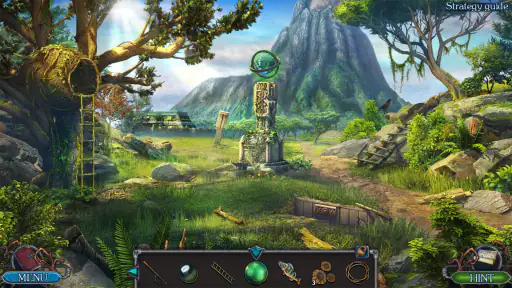
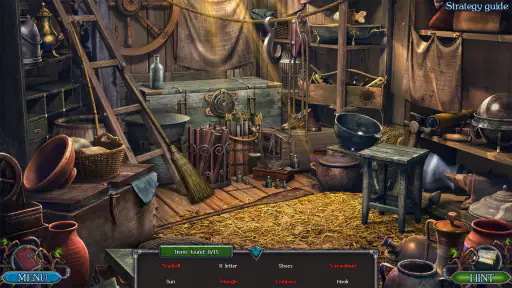
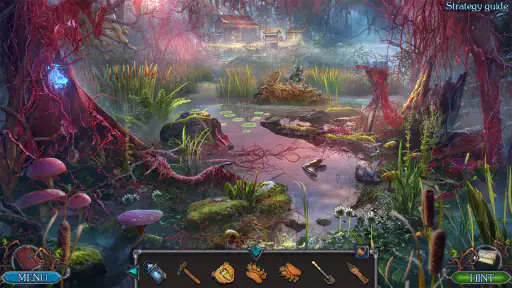
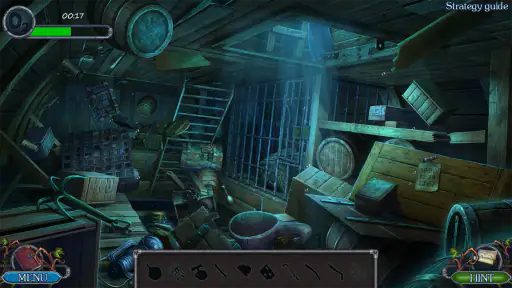
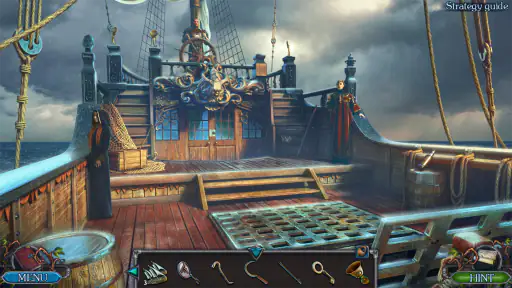
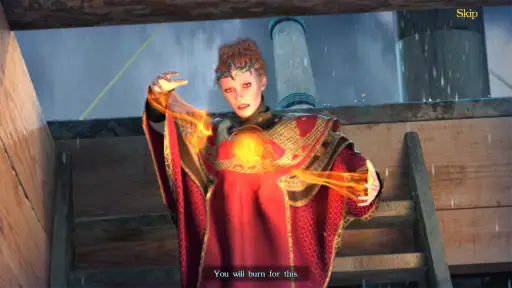
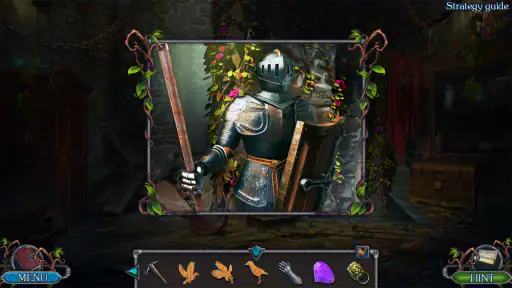
Analysis by Reviewed
I approached Legendary Tales 2 as the kind of adventure game you start when you want more than a quick distraction. It is built around discovery, investigation, and the feeling that an ordinary world is hiding something important. That makes the opening especially appealing to players who enjoy examining a scene, following clues, and gradually understanding why the story has taken an unexpected turn.
Developed by FIVE-BN GAMES, this free adventure game has attracted over a million installs and holds a 4.6 average from roughly thirty-six thousand ratings. Those figures suggest that it has found a substantial audience, but they do not replace the more useful question: does it suit the way you like to play? In my experience, it works best for patient players who enjoy solving problems at their own pace rather than rushing from one action sequence to the next.
What to expect when the familiar world changes
The central appeal is the contrast between the recognizable and the mysterious. The premise begins with an undiscovered secret capable of disturbing the world you thought you understood. I liked that setup because it gives the investigation a clear emotional purpose. You are not simply collecting objects or tapping through disconnected scenes; you are trying to make sense of a disturbance that gradually becomes more significant.
The game belongs firmly to the adventure genre, so the main pleasure comes from observation and deduction. You should expect to inspect your surroundings carefully, notice details that are easy to overlook, and connect information across different moments of the journey. It is a better match for someone who enjoys asking “what does this belong to?” than for someone who wants constant combat or rapid reflex challenges.
That distinction matters before you install it. Many mobile games use an adventure label while focusing mainly on fast battles, endless running, or short competitive rounds. This one is more comfortable when you have time to pause and think. I found that the story has more impact when I resisted the urge to tap everything immediately and instead looked at each location as a small puzzle board.
The free entry point is convenient, particularly if you are unsure whether a story-led game will hold your attention. There are in-app purchases ranging from ninety-nine cents to fourteen dollars and ninety-nine cents per item, so I would approach the game with the expectation that optional spending may be part of the experience. My practical advice is to play far enough to understand the rhythm before buying anything. That gives you a clearer idea of whether you value convenience more than the satisfaction of working through a problem yourself.
The age rating is Everyone, which makes the game approachable for a broad audience. Even so, “Everyone” should not be confused with “effortless.” Younger players may still need help with reading, remembering clues, or understanding why an apparently useful object does not work in the first place. For adults, the gentle rating makes it a comfortable choice for quiet evening play, travel, or a shared puzzle-solving session with a family member.
Why the opening deserves patience
The beginning is not something I would rush through. A first-time player may be tempted to treat every screen like a checklist: tap an object, collect it, move on. That approach can make the experience feel more confusing than it really is. Instead, I recommend taking a few seconds to study the whole scene before interacting with anything. Notice doors, unusual markings, containers, pathways, and objects that look out of place.
Your first meaningful success comes from learning how the game wants you to observe. Once you understand that a small detail can matter later, the locations become less like static backgrounds and more like connected parts of a larger question. This is one of the strongest reasons to give the game a fair trial instead of judging it after only a few taps.
Getting started without making the first hour harder
The game supports devices running Android 7.1 or later, which makes it accessible to people using older compatible phones and tablets. Before starting, I would choose a place where you can concentrate and keep the device charged. That may sound obvious, but investigation-heavy games are more enjoyable when you are not repeatedly interrupted or forced to stop in the middle of remembering a clue.
There is no complicated preparation needed from the player’s side. The important setup is mental: expect to revisit ideas, reconsider earlier observations, and accept that the most interesting answer may not be available immediately. If you normally play mobile games in short bursts, you can still use this one that way, but I would make a quick note of important symbols or unusual objects before closing it. That simple habit reduces the frustration of returning later and wondering what you were trying to solve.
I also suggest deciding early whether you want to use hints as soon as you feel stuck. A hint can protect the flow of the story, but using one too quickly may remove the most rewarding part of a puzzle. My preferred approach is to try three different things first: inspect the scene again, review the items you have collected, and revisit the last location where the story changed direction. If none of those helps, a hint becomes a useful tool rather than an automatic shortcut.
The current version is 1.0.2.1597.1691. For a first-time user, the practical point is simply to check that the installed build is current before beginning a serious play session. Adventure games depend on steady progress, and starting with an outdated installation can make any later troubleshooting more confusing than it needs to be.
The first successful action is usually an observation
When I begin a game like this, I do not try to solve the biggest mystery immediately. I look for the smallest action that proves I understand the environment. That might mean identifying an object that clearly belongs somewhere, recognizing a repeated visual clue, or realizing that a seemingly decorative part of the scene deserves attention.
This approach is useful because it turns the opening into a sequence of manageable questions. What can I interact with? Which objects are clearly relevant? What changed after the last action? If you work through those questions in order, the game feels more welcoming. You are building a mental map instead of guessing randomly.
A particularly helpful workflow is to separate collection from interpretation. First, gather what the scene allows you to gather. Then stop and consider how those items relate to the setting. Players often become stuck because they assume the newest object must be used immediately. In my experience, an item can be important without being useful at once, and carrying it forward may be part of the intended rhythm.
Another useful habit is to remember the reason you entered a location. The story’s mystery gives context to your actions, so an object that seems meaningless in isolation may make sense when connected to the current goal. If you keep the immediate objective in mind, you are less likely to waste time tapping every surface without a plan.
How to handle puzzles without losing the story
I prefer solving the game’s problems independently, but I do not think using assistance is a failure. The right balance depends on why you are playing. If the mystery and discovery are your main reasons, delay hints and allow yourself time to form a theory. If you are primarily interested in seeing what happens next, use help when the puzzle stops being enjoyable.
The important trade-off is that convenience can weaken the sense of discovery. A direct solution may save time, but it also removes the moment when separate clues suddenly fit together. I recommend setting a personal rule: make a serious attempt, explain the problem to yourself in plain language, and only then seek assistance. Describing the obstacle often reveals that you have missed a small interaction rather than encountered a genuinely difficult puzzle.
Do not assume that every obstacle is solved in the same way. Some problems reward close visual attention, while others depend on remembering what you saw earlier. When I felt stuck, changing my method worked better than repeating the same taps. I would leave the scene, review the broader objective, and return with a different question. That is more effective than treating the screen like a combination lock and trying every possible action.
Common confusion and the friction you should expect
The most likely early confusion is not knowing whether an object is decorative, collectible, or part of a puzzle. Adventure games often train players to look for obvious highlights, but the more satisfying moments come from noticing relationships between ordinary-looking details. If something seems visually unusual, remember it even if it cannot be used yet.
Another source of friction is backtracking. Returning to a previous location can feel like lost progress when you are used to mobile games that always point you toward the next stage. Here, revisiting a place may be the correct move because new information changes the meaning of something you already saw. I recommend treating the world as a connected investigation rather than a straight line.
Players who prefer explicit objectives may also need time to adjust. The mystery-driven structure is more rewarding when you participate in the reasoning, but it can feel vague if you expect a constant list of instructions. When the next step is unclear, ask yourself what the story has just revealed and which location, object, or character is most closely connected to that revelation.
In-app purchases are another consideration. Because individual items can cost from ninety-nine cents up to fourteen dollars and ninety-nine cents, I would not recommend spending impulsively during the first difficult puzzle. Decide whether you are paying to save time, to continue enjoying the story, or simply because you are frustrated. Those are different reasons, and only the second one usually leads to a purchase you will feel good about afterward.
The game is also not ideal for every player. If you want a competitive experience, constant action, online matches, or a game that can be understood in seconds, a faster mobile alternative will probably suit you better. Likewise, if you dislike revisiting scenes or keeping track of clues, the investigative structure may feel like work. I would choose this title over a typical casual game only when I want a slower, more thoughtful session.
Small habits that make progress easier
My first practical tip is to keep a short clue note outside the game. Write down only distinctive details: a symbol, an unusual object, a location that seemed important, or a question the story raised. Do not copy everything. A compact note helps when you return after a break without turning the experience into administrative work.
My second tip is to inspect a scene again after every major discovery. A new piece of information can change what deserves attention, and the player’s understanding is often meant to develop gradually. This is especially helpful if you initially dismissed a location as empty or unimportant.
My third tip is to use the item inventory as a reasoning aid rather than a storage box. Look at what you are carrying and ask what kind of problem each object could address. An item’s shape, material, or apparent purpose may suggest a connection even before the game makes it obvious. This approach is more reliable than trying each object on every available target.
A fourth useful habit is to stop playing briefly when frustration rises. Puzzle logic becomes harder to see when you are repeating the same action. I have often found that a short break makes the solution look simpler on return, especially when the obstacle was caused by overlooking a detail rather than lacking skill.
Who will enjoy the next stage of the journey
After the opening clicks, the game becomes most enjoyable when you let the mystery guide your attention. Rather than treating each puzzle as an isolated challenge, look for the larger pattern behind the locations and discoveries. The story’s promise is not merely that something strange exists, but that the secret can change your understanding of the familiar world.
This makes the game a good choice for quiet solo play. I can imagine opening it during a calm evening, completing one small investigation, and stopping at a natural pause without feeling pressured to maintain a competitive streak. It also works well as a shared experience: one person can search the scene while another remembers where a clue appeared. That kind of cooperation does not require the game to become multiplayer; conversation itself adds another layer to the investigation.
Compared with hidden-object games that focus mainly on finding everything quickly, this experience asks for more interpretation. Compared with action adventures, it trades speed and physical challenge for atmosphere and thought. Compared with very casual puzzle apps, it offers a stronger reason to keep going because each solution contributes to a continuing mystery. Those differences are its identity, but they also explain why it will not satisfy someone looking for immediate rewards.
For a first-time player, the best next step is simple: play through the beginning without spending money, learn how the locations and clues connect, and decide whether the act of investigating feels rewarding. If you enjoy forming theories, revisiting details, and solving problems at a measured pace, continue with a notebook or a few mental reminders. If you find yourself tapping randomly or wishing every puzzle would disappear, that is a sign that another kind of adventure game may be a better fit.
FIVE-BN GAMES has made a free entry point that is easy to approach but not shallow in its demands. The Everyone rating and broad device support make it accessible, while the story-led structure gives it more staying power than a disposable time-filler. Its main weakness is the same quality that gives it character: progress depends on patience, attention, and a willingness to think beyond the current screen.
My recommendation is to try Legendary Tales 2 when you want a calm, mystery-focused adventure rather than a fast mobile challenge. Start slowly, study the first scenes, and resist using assistance before you have formed your own explanation. If that process feels satisfying, the game has a strong chance of becoming the sort of thoughtful journey you return to whenever you want a secret worth uncovering.
Pros
- Atmospheric environments make exploration feel immersive.
- Character builds offer meaningful customization and replay value.
- Combat rewards timing
- positioning
- and careful ability use.
- Hidden areas and optional loot encourage thorough exploration.
- The dark fantasy presentation suits fans of classic dungeon adventures.
Cons
- Some encounters can feel repetitive during longer play sessions.
- Progress may be slow without investing time in exploration.
- Certain areas are easy to miss without careful attention.
- The dark visuals can make details difficult to distinguish on small screens.
- New players may need time to understand the game’s systems.

- Category
- Adventure
- Version
- 1.0.2.1597.1691