Last Day on Earth: Survival
- 177.16K
- 4.4
- Installs
- 100.00M
- Price
- Free
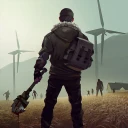
Screenshots


Analysis by Reviewed
I approached Last Day on Earth: Survival as a game to dip into between other tasks, but its mix of scavenging, crafting, and risky trips makes it easy to start planning one more run. It is an action game from KEFIR, built around surviving in a zombie-ravaged setting rather than simply clearing enemies. The basic appeal is straightforward; the decisions about what to collect, make, and risk are where the experience gets its staying power.
A game shaped by small survival decisions
The current version is 1.49.1, and the game has been available since May 24, 2017. Those details place it well beyond a short-lived experiment, though they do not tell me exactly how every part has changed over time. What matters to a new player is that the central loop remains easy to understand: gather useful materials, prepare your character and shelter, then decide whether a trip is worth the danger.
That loop suits players who enjoy setting their own short-term goals. I might go out with a specific need in mind, such as finding materials for an item, and treat everything else as a bonus. A useful habit is to check what I am trying to craft before leaving, rather than filling my inventory with whatever catches my eye. It makes each trip feel more deliberate and helps avoid returning with a bag full of supplies that do not solve the immediate problem.
How it fits into the survival genre
Compared with action games that focus on quick combat or a linear story, this one puts more weight on preparation and resource choices. It is also less suited to someone who wants a relaxed, consequence-free wander: danger and scarcity are part of the appeal, not occasional interruptions. Players who prefer a guided campaign with clear missions may find the open-ended routine less compelling, while fans of crafting and gradual base-building are more likely to settle in.
For a realistic everyday session, I would open the game with one task in mind, make a short supply run, and stop once I have enough to work on the next base or equipment goal. That approach keeps the game manageable when I only have a little time and makes it easier to avoid risky detours. If I want an experience that rewards careful preparation over a quick win, it is a good fit; if I want a match that starts and finishes cleanly in a few minutes, a round-based action game is probably the better pick.
Survival of the Fittest
From the moment you start Last Day on Earth: Survival, you're on your own. The game doesn't hold your hand, which is part of its charm. You're dropped into a barren landscape with nothing but your wits and a few basic tools to get you started. The goal? Survive as long as you can. Easy, right? Well, not exactly.
The game is all about resource management. You'll find yourself scavenging for food, water, and materials to build a shelter. But it’s not just about gathering supplies; it’s about using them wisely. You’ll need to craft weapons, upgrade your base, and fend off those pesky zombies that seem to pop up at the worst times. I mean, seriously, can we ever catch a break?
More From Our News Desk

Weather by Xiaomi Review: Clear at a Glance, Less Clear Up Close

X Under Pressure: Can It Recover When Posting Goes Wrong?

Clash of Clans Is Won Between the Battles

Android Auto Makes the Case for Quieter Car Software

MobiOffice: Transforming Mobile Productivity with Seamless Integration

EA SPORTS FC™ Mobile Soccer: Redefining Mobile Sports Gaming
Crafting and Building
One of the most engaging aspects of the game is its crafting system. You can create a variety of items, from simple tools to complex weapons. The more you play, the more you'll unlock, allowing you to craft better gear to survive longer. Building your base is equally crucial. A strong base means you can withstand zombie attacks and store your precious resources safely.
My practical tip is to treat crafting as a plan rather than a checklist: decide which upgrade would make the next outing safer, then reserve the materials for it. Spending every useful resource as soon as it appears can leave you short when a more valuable recipe becomes available. The trade-off is that saving supplies can slow immediate progress, so I would prioritize what supports the way I actually play—safer exploration, stronger equipment, or a more useful shelter.
But don’t get too comfortable! Regular updates bring new items and challenges, keeping the game fresh and exciting. Trust me, there’s nothing like the thrill of upgrading your base and knowing you’re a little bit more prepared for the next zombie onslaught.
Multiplayer Interaction
What’s a survival game without a bit of social interaction? In Last Day on Earth, you can team up with friends or encounter other players. Whether you decide to collaborate or compete is up to you. Personally, I find teaming up adds a layer of strategy to the game. Plus, it's nice to have someone watch your back while you raid a zombie-infested bunker.
I would still approach encounters with a plan instead of assuming another player is automatically an ally. The possibility of cooperation can make a risky excursion feel less solitary, but it also changes how much I am willing to carry and how much trust I place in someone else. If I prefer complete control over a run, playing solo is the simpler choice; if I enjoy coordinating and adapting to another person, the social side gives the survival routine a different texture.
However, be cautious because not all players have good intentions. You might find yourself in a sticky situation if you trust too easily. It's a dog-eat-dog world out there, after all.
Graphics and Atmosphere
Visually, the game is quite impressive. The graphics are detailed, creating an immersive experience that really draws you into the world. The eerie sound effects and music add to the tension, making you feel like you're right there in the thick of it. It's these little details that make the game stand out from others in the genre.
The interface is useful once its basic controls become familiar, but an unfamiliar player should expect a short learning period rather than instant mastery. I would take early outings as practice: learn what I can gather, how I manage supplies, and when a fight is not worth the trouble. That is more forgiving than treating every trip as a contest to collect as much as possible, especially when I am still figuring out which resources matter to my next goal.
Not to mention, the user interface is clean and intuitive. It doesn’t take long to get the hang of the controls, which is great because you'll need to act fast when zombies are breathing down your neck.
Cost, commitment, and who should try it
The game is free to download, with optional in-app purchases listed from $0.49 to $199.99 per item. That wide range is worth keeping in mind if you are cautious about spending: I would begin without paying and decide whether the regular resource-and-risk loop is enjoyable before considering any purchase. It is rated Teen, and the scale of its audience—over 100 million installs, an average rating of 4.4 from around 4.7 million ratings, and about 177,000 written reviews—shows that it has attracted a large player base, though popularity alone cannot guarantee that its pace will suit everyone.
It is a stronger recommendation for someone who likes making progress through preparation, accepts that setbacks can be part of survival, and enjoys returning to a longer-running game. I would steer away if I wanted a tightly scripted story, immediate action with little inventory management, or a completely low-pressure experience. The key question is whether gathering and planning feel satisfying to me; if they feel like chores, the zombie setting will not make the routine more enjoyable.
What to watch as you play
Because the game continues to receive updates, returning players may encounter new items or challenges, but I would judge each change by how it affects my own routine rather than assuming every addition improves the experience. The version number offers a useful snapshot of the current release, not a promise about what comes next. For someone already invested, the practical test is whether updates give a fresh reason to adjust goals without making the familiar resource loop feel like busywork.
So, is the game worth your time? If you love a game that challenges your strategic thinking and keeps your adrenaline pumping, then absolutely. It's not just about surviving; it's about thriving in a world that wants nothing more than to see you fail. Each session feels like a new adventure, and the unpredictability keeps you coming back for more.
Whether you’re building alliances with other players or fending off zombies solo, this game offers a robust experience that will keep you engaged for hours. So, grab your gear, brace yourself, and dive into the chaos. Just remember, in this world, it’s survival of the fittest!
Making a run feel worthwhile
One helpful way to manage the game’s open-ended pace is to give each session a clear stopping point. I might decide that I am only gathering supplies for one planned craft, then return to the shelter rather than chasing every opportunity that appears. This keeps a short play break from turning into a string of increasingly risky decisions. It also makes progress easier to notice: a completed goal is more satisfying than a full inventory with no clear next step.
When supplies are tight, I would think about the cost of carrying them as well as their usefulness. A material can be valuable in principle but not worth bringing home if it crowds out something needed for the current plan. That small bit of prioritizing is more useful than trying to collect everything, especially for new players who have not yet learned which items fit their immediate needs.
Choosing the right kind of challenge
The game’s survival focus makes it a better fit for players who like self-directed goals than for those who need constant mission markers. Its appeal is the chain of choices between preparation and risk, not simply fast combat. If I want a story that leads me through a carefully paced sequence, I would choose a more narrative action game. If I want to make my own priorities and gradually improve a shelter, this offers a more absorbing routine.
It is also worth considering how much uncertainty I enjoy. A cautious player can reduce avoidable losses by planning trips and treating unfamiliar encounters as a reason to pause, but cannot turn the whole experience into a safe checklist. That tension is part of the design. Someone who finds setbacks frustrating may be happier with a survival game that emphasizes exploration without the same pressure around supplies and danger.
What returning players can reasonably expect
Its long-running release history and current version give returning players a reason to expect an established game rather than a newly launched one, but neither fact guarantees that every session will feel different. I would come back with a small personal goal—finishing a shelter improvement or preparing for a more demanding outing—and see whether the existing loop still feels rewarding. New content can provide fresh aims, while the core attraction remains the planning and resource decisions.
For anyone deciding whether to install it, the low-risk approach is to try the free game first and pay attention to how the routine feels before spending. The optional purchases have a broad price range, so I would treat them as a personal choice rather than a requirement for enjoying the basics. The most important test is simple: do I enjoy making careful plans and adapting when a run becomes uncomfortable? If yes, this can become a satisfying game to revisit; if not, its bleak setting and crafting will not be enough to overcome the friction.
Last Day on Earth: Survival Frequently Asked Questions
What kind of gameplay does Last Day on Earth: Survival offer?
Last Day on Earth: Survival is an action survival game centered on exploring a dangerous post-apocalyptic world, gathering supplies, crafting gear, and building a shelter. Combat and preparation are both part of the experience: you need useful equipment and resources to face threats while developing your base. It may appeal if you enjoy survival games that combine action with gradual progression.
Is Last Day on Earth: Survival a single-player game or can I play with others?
The game begins with a strong focus on solo survival, while also offering multiplayer elements. You can join clans and take part in cooperative events, so playing with others is part of the broader experience. Its scavenging, crafting, and shelter-building activities remain central, making it suitable for players who enjoy developing their own survival setup as well as occasional collaboration.
Does Last Day on Earth: Survival have a story or campaign to follow?
The main appeal is its survival loop: exploring a world devastated by a zombie outbreak, collecting useful materials, crafting equipment, and protecting your shelter. Rather than approaching it as a conventional, linear action campaign, expect to spend time preparing and improving your position in the world. If you enjoy setting your own goals around survival and progression, that structure may be a good fit.
How challenging is Last Day on Earth: Survival for a new player?
New players should expect to learn how to gather resources, craft useful items, and prepare before facing threats. Survival encounters give planning a role, so charging into every situation without suitable equipment may not suit the game’s approach. The experience is built around gradually improving your supplies and shelter, which can appeal to players who enjoy learning a survival system over time.
Is Last Day on Earth: Survival focused more on combat or survival management?
It combines both. You face zombies and other dangers, but much of the preparation happens through collecting resources, crafting weapons and other equipment, and improving your shelter. Combat gives those preparations a purpose, while survival activities shape how you approach each challenge. Players looking only for nonstop fighting may find that resource gathering and base development are also important parts of play.
Pros
- Immersive survival gameplay experience.
- Regular updates with new content.
- Engaging multiplayer features.
- Detailed crafting system.
- Challenging strategic elements.
Cons
- Requires constant internet connection.
- Can be time-consuming to progress.
- In-app purchases can be pricey.
- Occasional server stability issues.
- Steep learning curve for beginners.
- Category
- Action
- Version
- 1.49.1