極速三國 一秒開戰
- 9.00
- 4.1
- Installs
- 100.00K
- Price
- Free
Screenshots





Analysis by Reviewed
I approached 極速三國 一秒開戰 as a strategy game built around a simple promise: getting players into the Three Kingdoms conflict quickly, without turning the opening into a long wait for the “real” game to begin. That focus matters more than the dramatic setting. Plenty of mobile strategy games spend their first sessions guiding you through menus, upgrades, and scripted tasks. Here, the appeal is the feeling that your decisions should lead promptly to a campaign, a clash, and a reason to return.
My overall impression is that it suits players who enjoy the planning side of a Three Kingdoms game but do not want a slow, overly formal introduction. It is free to download, rated Teen, and developed by 頑星遊戲. The game has an average rating of 4.1 from around 7 thousand ratings, with more than 100 thousand installs, so it has already attracted a meaningful audience without being presented as a niche experiment.
The central idea is not merely speed for its own sake. The fast-start approach changes how I think about each visit. Instead of treating the game as something that requires a long uninterrupted session, I can imagine opening it during a short break, checking the state of my campaign, making a few strategic choices, and leaving with a clear next objective. That makes it more approachable than a strategy title that demands a large block of time before anything important happens.
Why the fast-war focus changes the experience
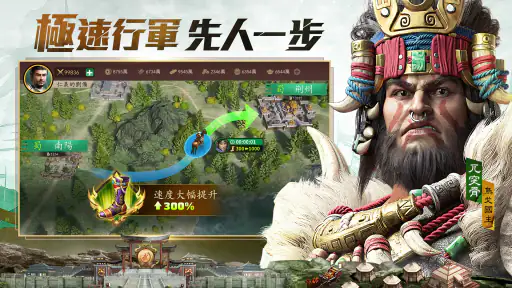
The key capability is the quick transition from preparation to conflict. In practice, that means the game’s identity depends on reducing the distance between choosing a direction and seeing the consequences. A strategy game can have attractive characters and a familiar historical setting, but those elements only become meaningful when the player can use them to make decisions rather than simply watch introductory scenes.
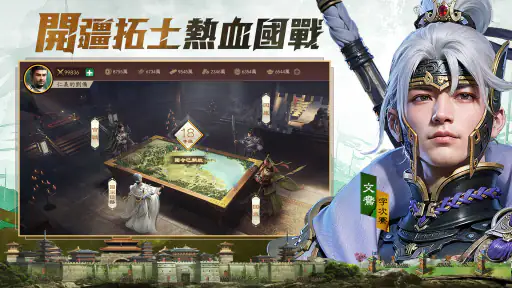
I found this emphasis useful because it gives the Three Kingdoms theme a practical purpose. The famous names and divided territory are not just decoration; they establish a world where alliances, rivalries, and territorial ambition naturally support strategic play. The presentation aims for a high-quality visual style, but the more important result is that the setting gives every choice a sense of context. A move feels like part of a larger struggle rather than an isolated puzzle.
That distinction is important for mobile players. A quick battle is not automatically a good strategy experience. If speed removes the need to think, the result becomes a shallow tap-through exercise. The better interpretation of “quick” is that the game tries to keep the pace active while leaving room for decisions about heroes, timing, and the direction of a campaign. I would recommend approaching it with that expectation: it is designed to keep momentum high, not to replace strategy with a single button.
The game’s category is strategy, and I think that label is more useful than describing it only as a historical war title. The Three Kingdoms setting may be the hook, but the long-term question is whether you enjoy weighing options and adjusting plans. Players who want a purely narrative retelling may find the strategic layer more demanding than expected. Players who already like mobile war games may appreciate that the historical framing gives their choices a recognizable cast and conflict.
What the opening pace means for a new player
When I start a fast-moving strategy game, I want to understand three things quickly: what I am trying to control, which decisions are reversible, and which choices deserve attention immediately. The quick-war concept makes those questions especially important. A new player should resist the urge to treat every available action as equally valuable. The first useful habit is to identify the game’s main loop, then spend early resources on choices that help reveal that loop rather than scattering them across every option.
This is also where the game can separate itself from more traditional alternatives. Some familiar mobile strategy titles emphasize a long construction cycle, repeated resource collection, or a heavily guided tutorial. Those games can be satisfying for players who enjoy steady development, but they may feel like management software with a battle screen attached. 極速三國 一秒開戰 is more attractive if you want the conflict to remain visible in your mind while you are making progress.
That does not mean it eliminates waiting or routine. A free strategy game still has to balance progression, resources, and optional spending. The quicker presentation can make those systems feel more noticeable because the player reaches meaningful decisions sooner. My advice is to judge the game by whether the decisions remain interesting after the initial excitement. If you enjoy adapting to changing circumstances, the pace works in its favor. If you prefer a relaxed builder where nothing feels urgent, the same pace may feel pressuring.
How I would use the game in a normal day
A realistic use case is a player with ten or fifteen minutes between other tasks. I would open the game, check what has changed, review the available strategic priorities, and choose one immediate action instead of trying to complete everything. The fast-war design is most useful here because it gives a short session a beginning and an ending. I can make a decision, observe its result, and close the app without feeling that I stopped halfway through a long cinematic sequence.
There is a second scenario for longer sessions. On a quiet evening, the same player can spend more time comparing possible directions and thinking about how to use the available heroes. The quick opening does not prevent a deeper session; it simply removes some of the friction before the player reaches the part that requires attention. That flexibility is one of the strongest reasons I would suggest trying it over a slower alternative.
One practical tip is to avoid opening the game with a checklist mentality. If I treat every notification, task, or reward as equally urgent, the speed of the interface can turn into hurried play. I get more value by choosing a single purpose for each visit: progress, preparation, or testing a plan. This keeps the game’s quick rhythm from becoming random tapping.
Where the strategy becomes more demanding
The fast format rewards players who can prioritize. A common mistake in mobile strategy games is to improve whatever is available first, simply because the button is visible. In a game built around rapid engagement, that habit can be costly in attention even when it is not costly in currency. I would instead look for the choice that supports the next conflict or clarifies which part of the roster deserves investment.
Another useful approach is to treat heroes as strategic tools rather than a collection to admire. The Three Kingdoms theme naturally encourages attachment to famous figures, but a recognizable name does not automatically make a choice suitable for every situation. I would compare what a hero contributes to the current plan, then consider whether adding another character actually improves that plan or merely creates more options to manage.
This is one of the less obvious trade-offs of a quick strategy game: speed increases the value of preparation performed before the battle. If I enter every encounter without a clear idea of what I am testing, the rapid pace may make losses feel abrupt. A few seconds spent deciding what I want to learn from an engagement can make the result more useful, even when the outcome is not favorable.
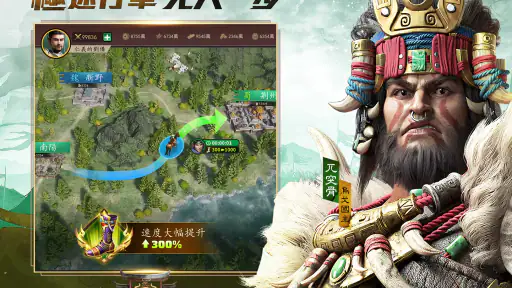
The visual presentation also affects this process. The game aims to recreate the Three Kingdoms world with a polished, large-scale look, and that can make the battlefield feel more dramatic than a plain menu-driven strategy title. The trade-off is that visual intensity can draw attention away from the information needed for a decision. I would take time to read the available details rather than assuming the most impressive animation represents the strongest option.
The best fit for short, active strategy sessions
The game is at its best for someone who wants a recognizable historical setting and a quicker route to strategic action. It is particularly suitable for players who have tried standard mobile strategy games but lost interest during the long early development phase. The fast-war focus gives those players a reason to stay engaged because the main conflict is part of the experience rather than a distant reward.
It can also work for fans of the Three Kingdoms period who want to make choices instead of reading a fixed story. The setting provides enough historical flavor to make the roster and rivalries interesting, while the strategy category keeps the player responsible for outcomes. I would not approach it as a substitute for a detailed historical simulation, though. Its purpose is to turn the setting into accessible mobile conflict, not to serve as a textbook or a slow, exhaustive reconstruction.
For a parent considering the game for a teenager, the Teen content rating is worth noticing. That rating makes it more appropriate for older players than for young children, and the war-focused setting should be considered alongside a child’s comfort with conflict and competitive play. The game is free to start, but optional purchases range from $0.99 to $299.99 per item. I would recommend setting a spending limit before playing, especially if the player enjoys collecting heroes or feels pressure to progress quickly.
The purchase range is not automatically a reason to avoid the game, but it changes how I would evaluate it. A free strategy game is easiest to enjoy when I decide in advance that spending is optional rather than treating it as part of normal progress. If the game’s pace makes me feel that I must buy something to keep up, then the fast-war promise stops feeling convenient. It becomes a source of pressure, and that is a personal warning sign.
Where slower alternatives may be better
I would choose a slower city-building strategy game instead if my main pleasure came from watching a settlement develop gradually. Those games often provide a calmer sense of ownership: collect materials, plan construction, wait, and return later to see the result. 極速三國 一秒開戰 is a better choice when I want the conflict to stay close to the surface. It is not the ideal pick for someone who finds repeated battles or urgent decisions tiring.
I would also choose a story-first Three Kingdoms game if I wanted a carefully paced campaign centered on dialogue and character development. Here, the historical cast supports strategic action, but the player’s attention is directed toward conquest and decision-making. That makes the experience more interactive in one sense, while making it less suitable for someone who wants a passive or cinematic retelling.
Compared with a conventional turn-based tactics game, the appeal is the quicker sense of movement. A traditional tactics title may offer more deliberate positioning and a clearer pause between decisions. This game’s advantage is momentum, but momentum can reduce the time I have to reflect. Players who enjoy analyzing every move on a grid may prefer the slower alternative, while players who want a campaign that gets moving promptly may find this one easier to return to.
Version, device expectations, and starting advice
The current version is 2.47, and the game supports Android devices running version 5.0 or later. That makes its stated platform requirement fairly accessible for people using older Android hardware, although a supported operating system alone does not guarantee that every device will feel equally comfortable with a visually ambitious strategy game. I would keep storage space and general device performance in mind before committing to long sessions.
My first-session advice is simple. Learn the rhythm before trying to optimize everything. Notice how quickly the game moves from preparation to conflict, identify which decisions actually influence your next objective, and avoid spending just because an option is available. This approach is more revealing than rushing through the opening and then deciding that the game is either too simple or too complicated.
A second tip is to use short sessions as experiments. Try one approach, observe what changes, and remember which choice produced the clearest result. This is more useful than attempting to master the entire system immediately. The game’s quick structure should make that learning cycle convenient, but only if I treat each visit as a small test rather than a race to clear every activity.
A third tip concerns the roster. Do not assume that gathering more heroes automatically improves the campaign. In a fast-moving strategy game, a smaller group that supports a clear plan can be easier to understand than a large collection used without purpose. I would first decide what kind of conflict I want to handle, then look for characters that make that approach more coherent.
Who will get the most from it
The strongest audience is a player who likes strategy, recognizes the appeal of the Three Kingdoms setting, and wants a mobile game that reaches its central conflict quickly. That player is likely to appreciate the balance between short visits and longer planning sessions. The game also makes sense for someone who has abandoned slower strategy titles because the early hours felt like preparation without payoff.
It is less convincing for players who dislike competitive pressure, want a purely relaxed builder, or expect a strictly historical experience. I would also be cautious if optional purchases tend to make me feel rushed. The free entry point is useful, but the listed purchase range means I would play with a clear personal budget and judge progress by decisions rather than by how quickly I can unlock everything.
After spending time with the idea behind the game and considering how that pace affects actual play, I see its strongest quality as focus. It knows that mobile players often need a reason to care within a short visit, and the quick-war concept gives the opening a clear purpose. The result is not automatically the deepest strategy game available, but it is more inviting than a title that hides its best material behind a long routine.
My recommendation is therefore fairly specific: try it if you want Three Kingdoms strategy with an active opening and you enjoy learning through rapid choices. Start slowly, keep spending optional, and pay attention to which decisions genuinely shape your campaign. If you want a quiet builder or a detailed historical narrative, another kind of game will probably suit you better. For the right player, though, 極速三國 一秒開戰 turns a familiar era into a compact, repeatable strategy experience that fits naturally into everyday mobile play.
Pros
- Quick battles make it easy to play during short breaks.
- Three Kingdoms characters offer familiar historical appeal.
- Auto-battle helps reduce repetitive combat management.
- Multiple upgrade systems provide long-term progression goals.
- The one-tap start design makes matches simple for beginners.
Cons
- Frequent progression tasks may feel repetitive after extended play.
- Power gaps can make competitive modes frustrating for new players.
- Many features may require learning before the interface feels clear.
- Higher-level upgrades can demand considerable time or resources.
- Online-focused gameplay may be less enjoyable with an unstable connection.
- Category
- Strategy
- Version
- 2.47