Geometry Tower
- 320.00
- 4.5
- Installs
- 1.00M
- Price
- Free

Screenshots
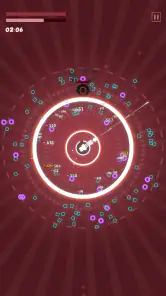
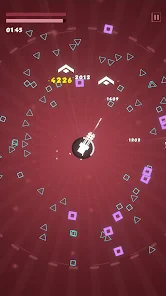
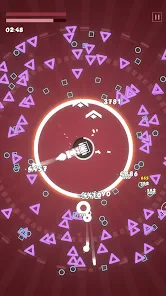
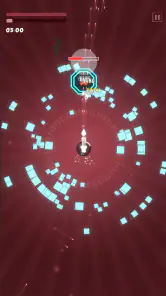
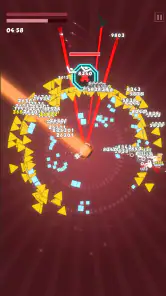
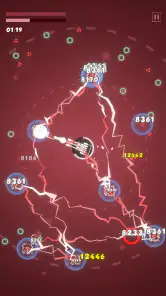
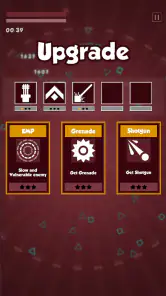
Analysis by Reviewed
I judge Geometry Tower less by the height of a tower than by whether its decisions make me pause and think. It is a strategy game from CyberJoy Game, built around upgrading a tower, attacking enemies, and trying to last through a roguelike run. That mix suits short sessions: I can make a few choices, see how they play out, and decide whether to keep going. The game is free to start, though optional in-app purchases range from $0.99 to $99.99 per item, so I’d treat spending as a personal choice rather than part of the basic appeal.
What to check before you settle in
Before I get invested in a run, I make two simple checks: whether the device is compatible and whether I have enough time to give the decisions some attention. The minimum Android requirement is version 6.0, and the game is rated Everyone. Its current version is 0.2.89. That gives families a quick way to judge basic suitability, while the age rating should not replace a parent’s own judgment about whether the game’s combat and play style are a good fit.
I also avoid starting when I know I will be interrupted immediately. A short break can be enough to try the game, but strategic choices are less satisfying when I am switching constantly between the screen and other tasks. If I am unsure whether the format works for me, a brief first session is a better test than assuming I need to commit to a long stretch.
Making a run easier to read
When a run starts to feel messy, I find it useful to stop treating each upgrade as an isolated reward. Instead, I ask what problem the next choice is meant to solve: staying alive longer, dealing with a threat sooner, or supporting a plan I have already begun. That small pause can make a run feel more deliberate, even when the outcome is uncertain. It is not a shortcut to winning; it is a way to understand why a choice helped or failed.
I also try not to change several parts of my approach at once. If I experiment with one priority and then pay attention to what happens, I can learn something from the attempt. When I make a string of unrelated choices, a loss tells me much less. This is especially useful for players who enjoy figuring out a game through trial and error, but it may feel like work to someone who wants each attempt to deliver obvious progress.
Where a run can become confusing
The main friction is that a promising start does not guarantee a strong run. Roguelike play asks me to adapt as situations change, and it can be tempting to focus on immediate damage when a steadier upgrade might help later. I try to read each decision in terms of what it supports next: a tower that survives longer can create more chances to deal with enemies, while an aggressive choice may be worthwhile when I need to end a threat quickly. That is a useful habit here, not a guaranteed winning formula.
If a run stalls, I don’t assume I have missed a hidden button or that the game is broken. I pause long enough to consider whether the current tower plan is suited to the enemies in front of me, then adjust the next choice instead of repeating the same approach. The appeal is in responding to pressure, but that also means players who prefer a fixed, predictable path may find the changing run less comfortable.
More From Our News Desk

Weather by Xiaomi Review: Clear at a Glance, Less Clear Up Close

X Under Pressure: Can It Recover When Posting Goes Wrong?

Clash of Clans Is Won Between the Battles

Android Auto Makes the Case for Quieter Car Software

MobiOffice: Transforming Mobile Productivity with Seamless Integration

EA SPORTS FC™ Mobile Soccer: Redefining Mobile Sports Gaming
Gameplay Mechanics That Keep You Hooked
The core of Geometry Tower revolves around stacking various geometric shapes to build the tallest tower possible without toppling over. The game cleverly incorporates physics, making every move you make crucial. Each shape has a different weight and balance point, which means you can't just stack them willy-nilly. You have to think ahead, plan your moves, and sometimes pray to the geometry gods that your tower doesn't come crashing down.
One of the standout features is the variety of shapes and the unpredictable nature of their appearances. No two games are alike, which keeps things fresh and exciting. As you progress, you'll encounter different levels of difficulty, each designed to test your mental acuity and patience. It's a game that subtly educates while it entertains.
How I would fit it into an ordinary day
For me, the best everyday use case is a quiet pause when I can pay attention without needing to plan around a long gaming session. On a commute, I would only start if I had a seat and could focus; when standing in a crowded space or watching for a stop, the decisions are easy to rush. At home, a short break between tasks is a more comfortable setting because I can think through a choice rather than tapping through one just to fill time.
One useful distinction is whether I want a quick distraction or a game that asks me to learn. Geometry Tower leans toward the second: even a brief attempt is more rewarding when I notice what changed after an upgrade. If I only have a few seconds, a simple arcade game is a better fit. If I have a little breathing room and want to engage with a changing tactical problem, this game makes more sense.
Visuals and Soundtrack That Enhance the Experience
Visually, Geometry Tower is a treat. The developers have opted for a minimalist design, which not only looks sleek but also ensures that players can focus entirely on the gameplay. The colors are vibrant, making each shape stand out distinctly. This visual clarity is crucial, especially when you're strategizing your next move.
The soundtrack deserves a special mention. It's soothing yet engaging, providing the perfect backdrop as you build your tower. If you're like me and often find yourself getting tense during challenging moments, the music helps in calming those nerves, allowing you to think clearly.
Checks before a longer session
For setup, I’d first check that the device meets the game’s Android requirement: version 6.0 or later. Geometry Tower is rated for Everyone, and its current version is 0.2.89. Those details make it straightforward to judge basic suitability before installing, especially if a younger player may use the device. I would also leave enough room for ordinary app updates rather than filling storage completely; that is sensible housekeeping for any game, not a special requirement.
The game has a 4.5 average from around 12,000 ratings, and it has passed one million installs. I take that as useful context about its reach, not proof that every player will enjoy its pace or choices. If you are trying it during a busy day, starting with a short session is a practical way to see whether its strategy loop clicks before you commit to longer runs.
When the device or the moment is the issue
If play feels interrupted, I’d separate a game decision from a general device problem before changing how I play. Check that the device has a stable connection when one is needed, close other apps if the phone is struggling, and reopen the game if it stops responding. I would avoid repeatedly tapping during a slowdown: that can make it harder to tell whether an input registered. These are ordinary troubleshooting steps, not evidence that a particular failure is built into the game.
There is also a simple timing trade-off. A commute or a quiet break can suit a run because the game asks for attention, but it is a poor fit when I need to keep checking messages or step away every few seconds. If I have to leave mid-decision, I’d rather finish the immediate choice first than play distracted and blame the result on the controls.
When a different strategy game is a better choice
Strategy games cover very different moods. Compared with a conventional tower-defense game, where the satisfaction often comes from arranging defenses for a defined wave, Geometry Tower puts more emphasis on responding to a run as it develops. Compared with a management game that rewards long-term planning, its appeal is more immediate. I would choose it when I want compact decisions and can accept an imperfect attempt; I would choose a longer-form strategy title if I wanted to build toward a more predictable plan over time.
It is also not the right pick for someone looking for a pure geometry puzzle. The shapes and tower idea may sound like a quiet balancing challenge, but the game’s strategic identity includes attacking enemies and surviving a roguelike run. If combat pressure is exactly what I want to avoid, a physics puzzle without enemy encounters is a better match. That distinction is worth keeping in mind before downloading, because the title’s geometric theme alone does not describe the whole experience.
Who will enjoy its kind of strategy
Geometry Tower is a better match for players who like adjusting a plan as a run develops than for people seeking a story campaign or a purely hands-off experience. Compared with familiar strategy games built around long-term base management, its appeal is the compact roguelike rhythm: make a choice, face the result, then adapt. If you want a slower game where planning happens over a long horizon, a traditional tower-defense or management title may be more satisfying. If you want quick decisions with consequences, this is the more natural fit.
One practical approach is to treat early runs as experiments. Notice which upgrades make it easier to stay in the fight, and avoid spending resources just because an option looks powerful in isolation. That gives each attempt a purpose even when it ends early. It also helps answer the question of whether the game rewards your preferred style: if you enjoy learning from a failed plan, the loop has a reason to bring you back; if losing progress is frustrating, it may wear thin.
How to approach optional spending
The game is free, which makes it easy to find out whether the central loop suits me before spending anything. Optional purchases are listed from $0.99 to $99.99 per item, a wide range that deserves a little care on a shared device. I would review purchase controls with a child and avoid treating an offer as necessary simply because a run has gone badly. Spending cannot make a strategy style enjoyable if the underlying repetition is not for you.
For an adult deciding whether to buy anything, my practical advice is to play enough to identify what is actually frustrating. If I am enjoying the tactical choices but merely need more time to understand them, a purchase is unlikely to be the answer. If I am dissatisfied with the repeating run structure itself, paying will not change that preference. Starting free keeps the decision grounded in how the game feels to play.
User Experience: Smooth and Intuitive
Downloading and setting up the game is a breeze. It's lightweight, meaning it won't hog your device's storage, and it runs smoothly without any noticeable lags. The user interface is intuitive, with controls that are easy to grasp even for those who might not be tech-savvy. Whether you're killing time on a commute or looking for a brain-teaser before bed, this game fits seamlessly into any routine.
Another highlight is the game's community. There are forums and groups where players share tips, tricks, and sometimes, just vent about that one pesky level they can't seem to beat. It's a social experience as much as it is a solitary one, and that's something I truly appreciate.
My practical verdict
What I’d want to know before downloading is whether a strategy game can hold my attention without demanding a long uninterrupted session. Geometry Tower’s tower upgrades and enemy encounters give each run a clear focus, while its changing situations leave room to rethink a plan. I’d recommend it to someone who likes compact tactical decisions and is comfortable learning through trial and error. I’d skip it if I wanted a calm, predictable puzzle with no combat pressure, or if I strongly dislike roguelike repetition.
CyberJoy Game’s title is free to try, but the listed purchase range is broad enough that I’d keep an eye on optional spending, particularly on a shared device. No purchase is necessary to decide whether the core loop suits you. If you enjoy adapting your tower strategy from one encounter to the next, it is worth a look; if you prefer a fixed solution and a guaranteed sense of progress, another kind of strategy game will likely be a better use of your time.
In conclusion, if you're searching for a game that challenges your brain without being overly complex, then Geometry Tower is worth a download. It's engaging, educational, and just plain fun. So go ahead, give it a try, and see how high you can stack those shapes!
Geometry Tower Frequently Asked Questions
Is Geometry Tower free to download, and what should I know about purchases?
Geometry Tower is free to download, so you can try its tower-building gameplay without paying upfront. Optional in-app purchases are available, with prices ranging from $0.99 to $99.99 per item. The earlier published FAQ describes purchases such as themes, power-ups, and extra lives, while noting that they are not required to enjoy the core experience. Check purchase options carefully if you share your device with children.
What kind of game is Geometry Tower, and who developed it?
Geometry Tower is a strategy game developed by CyberJoy Game. Its store summary describes a roguelike experience focused on upgrading your tower, attacking enemies, and surviving. That gives it a broader emphasis than simply building a tall structure: players can expect tower upgrades and combat to be part of the central concept. It may appeal to people looking for a mix of strategic decisions and survival-themed gameplay.
What is the main objective of Geometry Tower?
Geometry Tower challenges players to stack various geometric shapes as high as possible without letting them fall. The primary goal is to build a stable tower by strategically placing each shape, taking into account their different sizes and weights. The game requires players to think critically and plan their moves carefully to achieve the highest score possible.
Is Geometry Tower suitable for all ages?
Yes, Geometry Tower is designed to be suitable for players of all ages. Its intuitive interface and simple gameplay mechanics make it accessible to younger players, while the increasing difficulty levels provide a challenge for older players. The game encourages strategic thinking, making it both educational and entertaining for families and individuals alike. Its content rating is Everyone, which makes it a broadly accessible option for family play.
Are there any in-app purchases in Geometry Tower?
Geometry Tower offers optional in-app purchases that enhance the gaming experience. Players can buy additional themes, power-ups, and extra lives to aid in their gameplay. While these purchases can provide advantages, they are not necessary to enjoy the game fully. The core experience remains available to all players without spending money.
Pros
- Engaging physics-based gameplay.
- Vibrant and colorful graphics.
- Challenging levels to test skills.
- Intuitive touch controls.
- Frequent updates with new content.
Cons
- Contains ads that can be intrusive.
- Levels can be repetitive over time.
- Occasional lag on older devices.
- In-app purchases can be expensive.
- Limited multiplayer features.
- Category
- Strategy
- Version
- 0.2.89