Game of Thrones: Conquest ™
- 28.48K
- 4.2
- Installs
- 10.00M
- Price
- Free

Screenshots
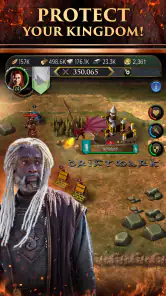
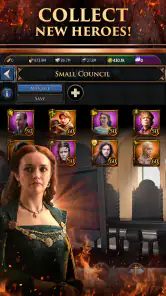
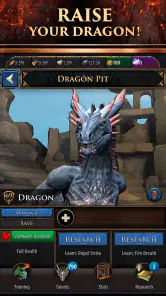
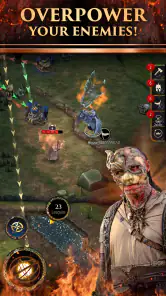
Analysis by Reviewed
I’d approach Game of Thrones: Conquest™ as a strategy game you check in on regularly, rather than one you finish in a single sitting. The main early question is whether its mix of kingdom-building, resource decisions, battles, and player alliances suits the way you like to play. If you enjoy planning over time and negotiating with other players, there is a lot to engage with; if you want a self-contained story that moves at your pace, the real-time structure may feel like a poor fit.
Where new players can get stuck
The number of things competing for attention can make the opening stretch feel busy. You are trying to develop your house while also thinking about power, relationships, and the wider contest for the throne. My practical advice is to avoid treating every available action as equally urgent. Pick a near-term goal, such as strengthening your position or understanding how your alliance operates, and let that guide what you do next.
There is also a social learning curve. An alliance can make the strategic side more rewarding, but joining one means that other players’ plans and timing become part of your experience. Before committing to a coordinated move, make sure you understand what your group expects and whether you can be active when it matters. A strong alliance is useful only if its pace works for you.
Checks that make the first sessions smoother
Before you settle into a routine, check that the game is supported by your device: it requires Android 6.0 or later. It is free to start, with in-app purchases ranging from $0.99 to $99.99 per item, so I’d decide in advance whether you are comfortable with optional spending. That matters in a strategy game where progress and competition can encourage you to consider purchases; there is no need to spend simply because the game presents that choice.
It is also worth setting expectations about the tone and time commitment. The age rating is Teen, and the game is built around ongoing activity rather than a quick campaign with a neat ending. Warner Bros. International Enterprises develops it, and the current version is 25.5.812438. If your device is compatible but the experience feels demanding, try shorter, deliberate visits instead of keeping the game open as a constant obligation.
Stepping into Westeros
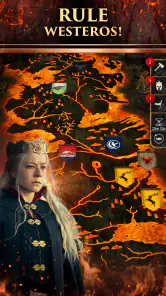
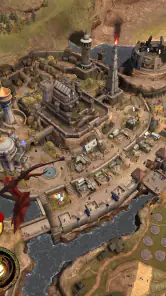
When you first launch Game of Thrones: Conquest™, it feels like you’ve been transported right into the heart of Westeros. The visuals are stunning, echoing the grandeur and grit of the TV series. You start off as a lowly lord, and your mission, should you choose to accept it, is to rise to power and claim the Iron Throne. Sounds simple, right? But as any GoT fan would tell you, nothing is ever simple in Westeros.
Gameplay That Keeps You Hooked
The game is a mix of strategy and resource management. You’ll need to build your house, form alliances, and strategize your way through battles. The strategic depth here is pretty impressive. You’re not just mindlessly tapping away; you’re constantly making decisions that affect your power and influence in the realm. I found myself getting lost in planning my next move, often wondering if I should trust a particular ally or prepare for inevitable betrayal.
More From Our News Desk

Weather by Xiaomi Review: Clear at a Glance, Less Clear Up Close

X Under Pressure: Can It Recover When Posting Goes Wrong?

Clash of Clans Is Won Between the Battles

Android Auto Makes the Case for Quieter Car Software

MobiOffice: Transforming Mobile Productivity with Seamless Integration

EA SPORTS FC™ Mobile Soccer: Redefining Mobile Sports Gaming
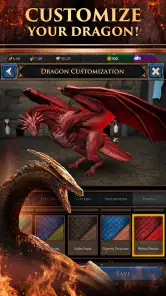
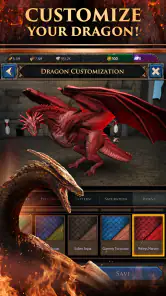
One of my favorite features is the ability to raise your own dragon. Yep, you read that right. You can hatch and raise a dragon, which becomes a formidable asset in your quest for power. The game does a great job of making you feel like you’re part of the unfolding saga, with familiar characters appearing to guide you along the way.
The Social Aspect
This game is not just about solo play. The alliance system is robust and essential for survival. You can join forces with other players, which adds a layer of social interaction that’s both fun and strategic. Coordinating attacks and defenses with your allies can make or break your experience, and it’s genuinely satisfying when a well-coordinated plan comes to fruition.
However, keep in mind that the game operates in real-time, so it can be a bit demanding. You’ll need to stay active to keep up with the fast-paced world of Westeros. But for those who enjoy a bit of commitment in their gaming, this can be a rewarding challenge.
Making the long game manageable
I’d use a brief daily check-in to review what your house needs next, then leave the bigger decisions for a moment when you can think them through. For example, if you only have a few minutes while waiting for a ride, focus on one straightforward task rather than starting a plan that depends on several other players responding. Save alliance coordination for a time when you can read messages and follow through. That small distinction helps the game feel strategic instead of like another notification demanding attention.
The dragon is a memorable part of the appeal, but I wouldn’t let it distract from the wider decisions around your house and allies. Treat it as one strand of your plans, not a shortcut that replaces them. Likewise, familiar characters and the show’s setting add flavor, but the main draw is still making choices within a shared strategy game. Fans may enjoy the atmosphere more immediately; newcomers can still follow the basic appeal of building influence and weighing risks.
Recovering when a plan goes sideways
If a session feels confusing or you lose track of what you meant to do, pause before making several changes at once. Recheck your current goal, look at what your alliance is asking of you, and choose one next step. If the game itself is behaving unexpectedly, a sensible first response is to close and reopen it, then check that your connection is working and that your device meets the Android requirement. Avoid assuming that a delayed response means your strategy has failed; in a real-time game, other players and network conditions can affect the rhythm.
Not every frustrating moment is caused by the app. An alliance may be quiet, a coordinated plan may not suit your schedule, or the pressure to keep pace may simply clash with how you want to play. I’d give yourself permission to step back rather than spend money or time trying to force a fit. Players who prefer a solo campaign, quick matches, or a strategy game without ongoing social coordination will probably be happier with a different kind of strategy title.
Who will enjoy this version of Westeros?
Compared with a conventional turn-based strategy game, this one asks for more patience with an evolving world and more attention to other players. That can be its distinctive pleasure: alliances create stakes beyond your own next move. It can also be its main drawback, because you have less control over when the wider contest develops. I’d recommend it to fans who enjoy long-term planning and to strategy players who like cooperation and rivalry. I’d skip it if you want a complete story that can be played offline or at a fixed pace.
For a realistic routine, imagine checking in after dinner, reviewing your house’s needs, and seeing whether your alliance has a plan worth joining. If nothing requires your attention, you can leave and return later rather than inventing busywork. The game is free to download, has a 4.2 average from around 321,000 ratings, and has been installed over 10 million times. Those figures suggest a sizeable audience, but they don’t guarantee that its persistent, social style will suit you personally.
Final Thoughts
Overall, Game of Thrones: Conquest™ is a must-try for any strategy game enthusiast or fan of the series. It beautifully captures the essence of the world we’ve all come to love (and sometimes hate). Whether you’re plotting your next move or engaging in epic battles, there’s always something exciting happening. Just remember, in the game of thrones, you win or you die. So, gather your allies, raise your dragon, and may your house rise to power!
My recommendation comes with one qualification: enjoy the setting, but judge the game by whether its ongoing decisions fit your actual routine. The rating is Teen, and the game was released on October 17, 2017, so it has been around long enough to have an established audience. I’d try it without treating purchases or constant activity as requirements. If you like the balance of planning, dragons, and alliance play, it can be an engaging way to spend short, purposeful sessions; if not, choosing a less persistent strategy game is a perfectly sensible call.
Choosing a pace that fits your day
A useful way to decide whether the game belongs on your phone is to test it against the kind of breaks you actually have. If you usually play in short gaps, make each visit self-contained: check your immediate priorities, complete a task you understand, and stop before you begin coordinating something that needs replies. If you have a longer evening free, that is a better time to read alliance messages and think through a joint move. This split keeps a casual check-in from turning into a half-finished commitment.
It also helps to distinguish between enjoying the world and enjoying the format. The recognizable setting and dragon give the game a strong identity, but they do not change the central trade-off: you are participating in a continuing strategy experience shaped partly by other players. A fan who mainly wants to revisit characters may find that the planning and social layer takes up more attention than expected. Someone who is less attached to the series but likes persistent strategy may find the reverse.
What to try before giving up on a session
When progress feels unclear, I’d resist making a string of purchases or changing several plans just to create momentum. First identify what you are trying to accomplish, then check whether that goal depends on alliance timing or on your own next decision. If it depends on other people, ask whether the group’s schedule is workable for you; if it does not, focus on a manageable house task and return to the larger plan later. That simple separation can tell you whether the friction is strategic confusion or a mismatch with the game’s pace.
For basic technical trouble, keep the response modest and systematic: confirm your connection, close and reopen the game, and make sure the device meets the stated Android requirement. If the same issue persists, avoid repeatedly tapping through uncertain actions, since that can make it harder to tell what happened. These checks are useful first steps, not a guarantee that every interruption has the same cause. A quiet alliance or a delayed response from another player, for instance, is a different problem from the game failing to behave normally.
How it differs from a quick strategy match
Many strategy games let you start a match, make decisions, and reach a clear conclusion before putting the phone away. This one is better understood as a shared contest that continues between visits. That makes alliance relationships more meaningful than they are in a self-contained round, but it also means you cannot always dictate the timing of the interesting moments. If you want clean beginnings and endings, a turn-based or campaign-focused alternative will likely respect your schedule better.
On the other hand, players who enjoy tracking a longer plan may appreciate that an evening’s choices are part of a wider effort rather than a disposable match. I would approach that as a reason to be selective, not constantly online: choose an alliance whose expectations suit your availability, keep your own goal visible, and do not confuse more activity with better play. The best fit is someone who enjoys gradual development and can accept that cooperation sometimes asks for patience.
Who should leave it on the shortlist
I’d keep it in consideration if you like the particular combination of Westeros atmosphere, house development, dragon-focused appeal, and player coordination. It is especially suited to someone who enjoys talking through plans and can treat setbacks as part of a larger contest rather than as a reason to rush into spending. The Teen rating and free entry make it straightforward to consider, while the optional purchases are a sensible reason to set a personal limit before competitive play becomes absorbing.
I would look elsewhere if you want a relaxed game that never depends on other people, a story campaign with a fixed finish, or strategy that can be played entirely at your own pace. The same is true if checking an ongoing game feels like an obligation rather than a pleasure. A conventional solo strategy title is a better choice in those cases, even if it lacks this game’s alliance dynamic and familiar setting.
My practical verdict is that this is worth trying when its social, continuing structure is part of the appeal, not merely because you recognize the world. Give yourself a modest routine, pay attention to whether your alliance’s pace feels comfortable, and make purchases only if they fit your own limits. If those conditions work for you, the mix of planning and shared rivalry can make each return feel purposeful; if they do not, moving on is not a failure to understand the game but a sensible choice about how you want to play.
Game of Thrones: Conquest ™ Frequently Asked Questions
Is Game of Thrones: Conquest™ free to download, and what should I know about purchases?
Yes, Game of Thrones: Conquest™ is free to download and play. However, it offers in-app purchases for various items and resources that can enhance gameplay. These purchases can speed up progress, unlock special items, or provide additional resources. Players can enjoy the game without spending money, but purchasing can provide a competitive edge. Optional purchases range from $0.99 to $99.99 per item, so check the available options before buying.
Who developed Game of Thrones: Conquest™, and what kind of game is it?
Game of Thrones: Conquest™ is a strategy-based mobile game developed by Warner Bros. International Enterprises. Players can build their own house and navigate the complex political landscape of Westeros. By forming alliances and raising armies, players aim to take the Iron Throne and dominate the Seven Kingdoms. The game integrates elements of resource management, tactical battles, and character interactions inspired by the Game of Thrones TV series.
Is Game of Thrones: Conquest™ suitable for younger players?
Game of Thrones: Conquest™ has a Teen content rating, so it is generally intended for teenage players and older. Its setting draws on a fantasy world of political rivalry and warfare, making it a better fit for people comfortable with those themes. Families should consider the age rating and decide whether the game’s subject matter is appropriate for each player.
Does Game of Thrones: Conquest™ require an internet connection?
The game is designed around interaction with other players and ongoing gameplay, so a stable internet connection is important. Being online supports activities such as coordinating with an alliance and taking part in the shared strategy experience. If you expect to play somewhere with unreliable connectivity, that may interrupt your session and make it harder to participate consistently.
What type of game is Game of Thrones: Conquest™?
Game of Thrones: Conquest™ is a strategy-based mobile game where players can build their own house and navigate the complex political landscape of Westeros. By forming alliances and raising armies, players aim to take the Iron Throne and dominate the Seven Kingdoms. The game integrates elements of resource management, tactical battles, and character interactions inspired by the Game of Thrones TV series.
Pros
- Immersive gameplay with rich storylines.
- High-quality graphics and sound effects.
- Engaging multiplayer alliances and battles.
- Frequent updates and new content.
- Free to play with optional in-game purchases.
Cons
- Requires a stable internet connection.
- In-game purchases can be expensive.
- Can be time-consuming to progress.
- Some bugs and glitches reported.
- Steep learning curve for new players.
- Category
- Strategy
- Version
- 25.5.812438