Everdell
- 149.00
- 4.9
- Installs
- 10.00K
- Price
- $9.99

Screenshots
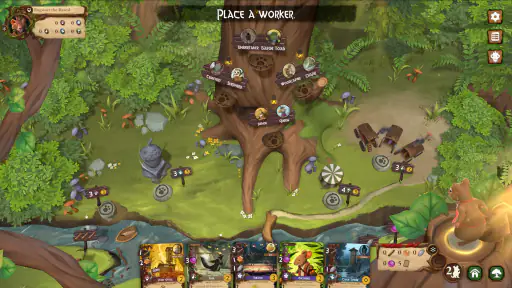
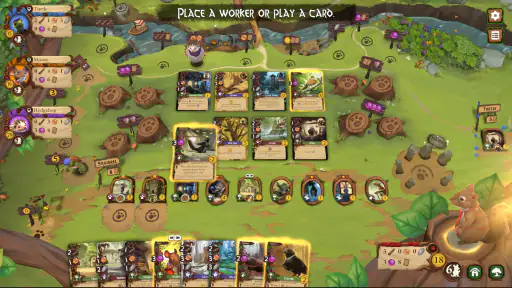
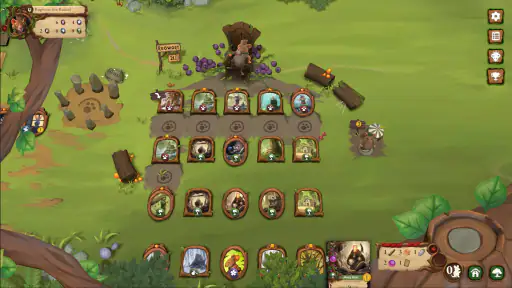
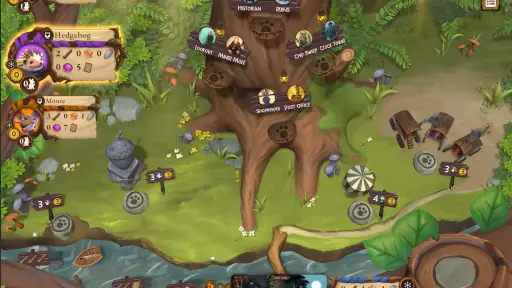
Analysis by Reviewed
I’d think of Everdell as a thoughtful digital board game for people who enjoy planning a few moves ahead, rather than a quick game to play without much attention. Its woodland setting is warm and inviting, but the appeal for me is the way resource choices and city-building give each turn a purpose. If you like board games that reward patience and small decisions, it is an easy one to consider; if you mainly want fast action, it may not be the right fit.
What to consider before choosing it
The central question is whether you enjoy weighing options while the board changes around you. In Everdell, resources are not just collectibles: they help determine which buildings you can construct and which inhabitants you can bring into your city. That makes it satisfying to plan, but it also means a move that looks attractive now may leave you short of what you need later. I find that tension more interesting than simply collecting the largest pile of anything.
The seasonal structure is worth keeping in mind, too. It gives a game a sense of progression and encourages you to think about timing, not only about the next available action. A useful habit is to check your likely resource needs before committing to a plan; chasing a tempting card or building without considering what it costs can narrow your choices later. That small pause is part of the fun for me, though players who prefer spontaneous, low-stakes turns may find it fussy.
Where the digital board game stands out
The storybook woodland presentation makes the strategy feel welcoming rather than austere. I appreciate that the charming critters and colorful scenery give the table a personality, while the underlying decisions still ask me to pay attention. It works particularly well for a quiet evening when I want something absorbing but not frantic, or for a shared session with someone who likes board games but does not want a competitive, high-pressure atmosphere.
As a board game from Dire Wolf Digital, it has a distinctly tabletop-minded rhythm: take a turn, consider what is available, and adapt as the game develops. That is a different pleasure from the instant feedback of many casual mobile games. The game’s 4.9 average from around 1,100 ratings and more than 10,000 installs suggest it has found an audience, though those figures are not a substitute for deciding whether this slower, planning-focused style suits you.
Who may prefer another kind of game
If you want a board game that can be played in brief bursts with almost no setup or forward thinking, a simpler casual title may suit you better. Everdell asks for attention to resources, construction, inhabitants, and seasonal timing, so it can feel demanding when you are tired or trying to split your focus. I would also look elsewhere if your main draw is direct confrontation or fast reactions: the appeal here is building and planning, not reflexes.
For everyday use, I can picture starting a game after dinner, taking turns at an unhurried pace, and leaving room to think through a choice instead of rushing. The turn-based format makes that style comfortable, but it does not make the decisions automatic. Newcomers can use the tutorial to learn the basics, then improve by noticing which resources repeatedly block their plans. That is more useful than trying to memorize every possibility before playing.
More From Our News Desk

Clash of Clans Is Won Between the Battles

Android Auto Makes the Case for Quieter Car Software

MobiOffice: Transforming Mobile Productivity with Seamless Integration

EA SPORTS FC™ Mobile Soccer: Redefining Mobile Sports Gaming

How Microsoft OneDrive Became a Mobile Productivity Giant

How Google Translate Breaks Language Barriers Effortlessly
The Enchanting World of Everdell
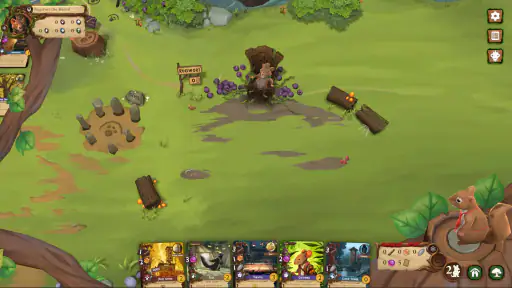
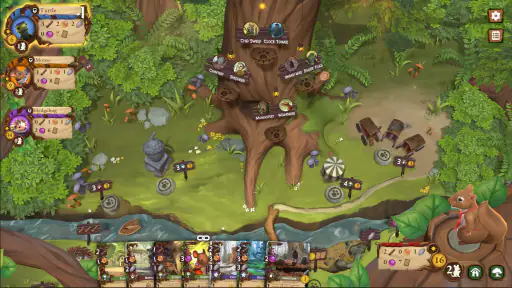
From the moment you launch the game, you’re transported into a lush, vibrant world populated by charming critters. The artwork is nothing short of stunning, making you feel like you’ve stepped into a storybook. The game’s objective is to build a bustling city within the forest, and let me tell you, it’s as engaging as it sounds.
Gameplay Mechanics
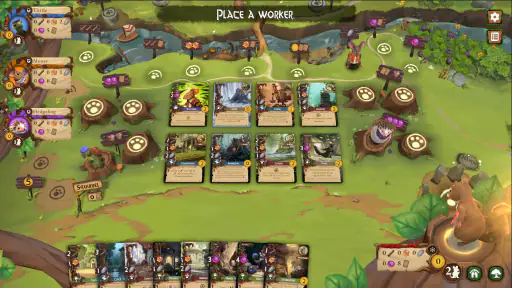
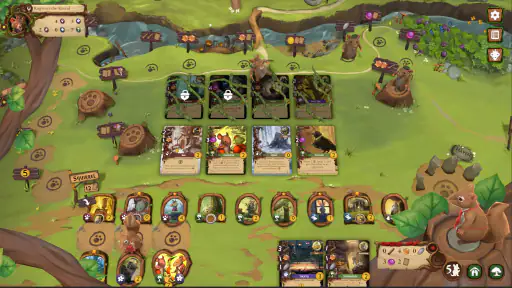
Everdell is all about resource management and strategic planning. You’ll find yourself collecting resources like twigs, resin, and pebbles, which are essential for constructing buildings and attracting new inhabitants to your woodland city. The game is turn-based, which means you have all the time to ponder your next move—a feature I particularly enjoyed as it adds a layer of depth to the strategy.
One of the aspects I absolutely adored about Everdell is its seasonal mechanic. Each game year is divided into different seasons, each with its own set of actions and opportunities. This keeps the gameplay fresh and dynamic, ensuring you’re always on your toes, thinking several steps ahead.
Multiplayer Experience
If you’re someone who enjoys playing games with friends, you’ll be thrilled to know that Everdell supports both local and online multiplayer modes. You can challenge your pals or make new friends in the expansive world of Everdell. The multiplayer experience is seamless, and I didn’t encounter any lag or connectivity issues during my play sessions.
What’s more, the game’s interface is incredibly intuitive, making it easy for newcomers to pick up and play. There’s also a handy tutorial mode, which I found to be a great way to get acquainted with the game’s mechanics without feeling overwhelmed.
Price, fit, and my recommendation
The game costs $9.99, so I’d treat it as a board-game purchase rather than a free casual download. In-app purchases are listed at $5.99 per item, making it sensible to check what an optional purchase offers before spending more. I’d start with the base experience and see whether the resource planning and seasonal pacing click for you before considering anything extra.
It is rated Everyone, and the listed release date is July 28, 2022. Version 1.2.2 requires Android 8.0 or later. Those practical details matter if you are choosing a game for a shared device or checking whether an older phone can run it; the age rating is broad, but the strategic choices may be more engaging for players who enjoy taking their time.
Compared with lighter digital board games, Everdell gives more weight to managing a small economy and developing a woodland city. Compared with more confrontational strategy games, it puts the pleasure in shaping your own tableau and adjusting your plans. The trade-off is that it asks for a longer stretch of attention than a quick puzzle or a simple turn-by-turn diversion. I would choose a lighter alternative for short commutes or distracted play, and this one for a deliberate session.
Making a session work for you
A practical way to approach your first few games is to avoid treating every attractive option as a must-have. I’d scan what is available, identify one or two plausible directions for my city, and keep enough flexibility to change course when the right resources do not arrive. That prevents a common frustration in planning games: becoming attached to a particular construction chain and then spending several turns trying to force it. In Everdell, a backup idea is not wasted planning; it is what lets you respond to the board instead of feeling stuck.
It also helps to separate learning the rules from trying to play perfectly. On an early attempt, I would focus on understanding how taking an action affects the resources and opportunities left for later, rather than trying to calculate every possible outcome. Once those relationships feel familiar, it becomes easier to notice why a seemingly modest move might be more useful than a flashy one. This is a game where learning through a complete session can be more satisfying than stopping constantly to optimize each turn.
How it compares with other board-game styles
Against a compact puzzle game, this is a less immediate choice: you are not just solving one isolated problem, but shaping a city over the course of a session. That gives decisions more context, yet makes it less convenient when you only have a spare minute. A simple family board game may be easier to explain and quicker to bring out, while Everdell is the better fit when the group wants a more considered challenge and enjoys seeing a plan develop.
It also occupies a different space from highly confrontational strategy. I would choose it when I want the satisfaction of improving my own position through resource choices and card combinations, not when the table is looking for constant direct pressure. This distinction matters for groups: people can enjoy strategic games for very different reasons. If your friends like building, adapting, and comparing the cities they create, the theme and pace may draw them in; if they prefer blocking rivals or dramatic head-to-head exchanges, another style will probably suit them better.
Playing with other people
For a shared session, I’d agree on a relaxed pace before starting, especially if one player is new. The turn-based format gives room to think, but a long pause can still interrupt the flow when everyone is waiting. A useful compromise is to look over your options while other players take their turns, then make the final decision when it is yours. That keeps the game thoughtful without turning every move into a lengthy debate.
Multiplayer is most appealing when the group enjoys discussing choices without needing the game to become a contest of speed. The digital board can make a tabletop-style game easier to bring together, but it does not remove the social question of whether everyone enjoys this kind of planning. I’d introduce it to friends who already like engine-building or city-development ideas, and choose something lighter if the group wants to chat more than concentrate.
When the purchase makes sense
The upfront price makes this a more deliberate choice than a free-to-start diversion. I’d ask myself whether I expect to return to a thoughtful board game, rather than buying it solely because the woodland art looks appealing. The presentation can invite you in, but the lasting value depends on enjoying the decisions beneath it. If the idea of adjusting a plan around limited resources sounds satisfying, the purchase is easier to justify; if that sounds like homework, a free casual game may be a safer use of your time and money.
One question a buyer may have is whether optional purchases are necessary to enjoy the core experience. My approach would be to begin with what comes with the main purchase and only consider an extra item if I understand what it adds and know I want it. That keeps the spending decision separate from the basic question of whether the game’s pace and strategy suit me. It is also a sensible habit for a shared device, where someone else might be tempted by an in-game offer without knowing whether it is essential.
Another practical question is whether it suits a short break. It is turn-based, so there is no need to react instantly, but the layered decisions make it more rewarding when you can give the session steady attention. For a bus ride or a few minutes between tasks, I’d pick a quick puzzle instead. At home, where I can settle in and follow the changing options, the slower rhythm is a strength rather than a drawback.
Who I would recommend it to
I’d recommend this to someone who wants a digital board game with a gentle presentation and meaningful planning, especially if they like developing a personal board rather than chasing reflex challenges. It can also work for a household with mixed experience: the theme is approachable, and the tutorial gives newcomers a way into the rules. The best first session is probably with someone patient enough to let a new player consider choices, rather than a group that expects everyone to know the strategy immediately.
I would skip it if you want a quick, nearly automatic game, dislike managing several related resources, or prefer direct conflict as the main source of excitement. It is also not my pick when I am too tired to weigh options; a game can be calm in presentation and still ask for real concentration. Knowing that distinction beforehand helps avoid mistaking a thoughtful pace for a lack of engagement.
Final Thoughts
In conclusion, Everdell is a captivating game that beautifully combines strategy with a charming aesthetic. Whether you’re a seasoned strategist or a casual gamer, this game has something to offer. The enchanting visuals, coupled with the engaging gameplay, make for an experience that’s both relaxing and mentally stimulating.
If you’re looking for a game that provides a perfect blend of strategy and charm, then Everdell is definitely worth checking out. So, gather your resources, plan your city, and immerse yourself in the magical world of Everdell. You won’t regret it!
Everdell Frequently Asked Questions
What does a typical game of Everdell involve?
Everdell is a board game about gathering resources and building a woodland village. Its central appeal is planning: you choose how to use what you collect and which additions will help your settlement develop. If you enjoy thoughtful turns and a charming forest setting, the digital version offers that style of play on a screen.
How much does Everdell cost, and are there optional purchases?
Everdell is a paid game, with a listed price of $9.99. It also offers in-app purchases priced at $5.99 per item. That means it is worth considering both the initial purchase and the optional spending before downloading; you can decide whether the base experience is enough for you or whether you are interested in additional content.
What is Everdell and what can I expect from the app?
Everdell is a captivating digital board game adaptation that transports players to a whimsical woodland world where they build and manage a thriving settlement. Expect stunning visuals, engaging gameplay mechanics, and a seamless transition from the physical board game to the digital realm. Players can enjoy both single-player and multiplayer modes, making it perfect for solo or competitive play.
Is Everdell available on both Android and iOS platforms?
Yes, Everdell is available for download on both Android and iOS platforms. The app has been optimized to run smoothly on a variety of devices, ensuring a consistent and enjoyable experience regardless of your preferred operating system. Simply visit the Google Play Store or Apple App Store to download the game.
Does Everdell offer multiplayer capabilities, and how does it work?
Everdell offers robust multiplayer capabilities, allowing players to compete against friends or other players online. The app includes options for both asynchronous and real-time multiplayer matches. Asynchronous play lets players take turns at their convenience, while real-time matches require all participants to be online simultaneously, making it versatile for different gaming preferences.
Pros
- Beautiful graphics and art style.
- Engaging and strategic gameplay.
- Variety of characters and cards.
- Intuitive user interface.
- Regular updates with new content.
Cons
- Steep learning curve for beginners.
- Occasional bugs and glitches.
- Requires stable internet connection.
- Can be time-consuming.
- In-app purchases may be necessary.
- Category
- Board
- Version
- 1.2.2