Dreamy Kill the Immortal
- 4.00
- 3.5
- Installs
- 10.00K
- Price
- Free

Screenshots






Analysis by Reviewed
Dreamy Kill the Immortal is a free arcade game from zag info tech that caught my attention because it aims for a more atmospheric kind of quick-play experience than the usual bright, purely score-driven arcade title. Its central appeal is the combination of an Eastern fantasy setting with three-dimensional presentation, giving each short session a more dreamlike mood than the basic tap-and-dodge formula many mobile games use.
I approached it as the sort of game I might open when I have a few minutes to spare, rather than as a long, story-heavy adventure. That distinction matters. The game’s strongest quality is not that it replaces a full console-style fantasy journey; it is that it gives lightweight arcade play a distinctive visual identity. When the mood, controls, and pace line up, that makes a short session feel more memorable. When they do not, the limited depth becomes easier to notice.
Why the three-dimensional Eastern fantasy style matters
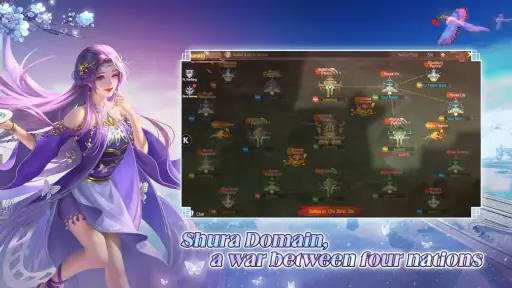
The verified store summary describes an Eastern fantasy 3D game, and that is the capability I found most important to the overall experience. Three-dimensional presentation is not merely decoration here. It changes how I read the action, how I judge movement, and how quickly the game creates a sense of place compared with a flat arcade screen.
Many games in this category rely on familiar visual shortcuts: colorful blocks, endless lanes, cartoon characters, or abstract obstacles. Dreamy Kill the Immortal instead tries to make its arcade action feel like it belongs inside a fantasy world. The result is a more relaxed and slightly mysterious atmosphere. I could imagine playing it late in the day when I wanted something more visually expressive than a conventional reflex game, but still much lighter than a large role-playing game.
The phrase “Kill the Immortal” also suggests a fantasy conflict rather than a simple score chase. I would not install this expecting the broad character development, equipment management, or elaborate quest structure associated with a full RPG. The attraction is narrower and clearer: a compact arcade experience presented through a fantasy lens. That focus is useful because it sets the right expectations before downloading.
The important strength is atmosphere with low commitment. I do not need to reserve a long uninterrupted evening for it. A short session can still feel different from the previous one because the visual framing gives the action more personality. For players who become bored by interchangeable arcade themes, that distinction may be enough to make this game worth trying.
How the fantasy presentation affects play
In practice, the 3D viewpoint asks me to pay more attention to what is happening in space, not just to what is approaching from the edge of a flat screen. That can make timing feel more involved. Instead of treating every challenge as a simple two-dimensional pattern, I have to watch the scene and interpret movement in context.
This is also where personal preference becomes important. Players who enjoy visual immersion may appreciate the extra depth, while players who want instantly readable silhouettes and extremely direct controls may prefer a simpler arcade alternative. A more decorative scene can look appealing, but it can also make the action feel less immediately transparent than a minimalist design.
I found that the best way to approach the game is to give the screen a moment of attention rather than playing it casually while doing something else. The fantasy styling rewards looking at the whole scene. If I treated it as background entertainment, the visual identity lost much of its value and the remaining action felt more ordinary.
What playing it is like in an everyday situation
A realistic use case is a short break between tasks. Imagine waiting for a friend, sitting on public transport, or taking a few minutes away from work. This is where a free arcade game can make sense: there is no need to commit to a lengthy campaign, and the fantasy setting offers a little more escape than a generic score screen.
My practical advice is to begin with a short test session rather than judging it after only a few seconds. The first impression comes from the art direction, but the real question is whether the pace suits your reflexes and patience. If the movement feels natural after a few attempts, the game can become a pleasant filler for spare time. If you immediately want a detailed tutorial, a deep progression system, or a large world to explore, this probably is not the right kind of game.
It is also better suited to focused breaks than to multitasking. Because the action is presented in 3D, glancing away can make it harder to understand what has changed when I return to the screen. That is a small but meaningful trade-off: the same visual depth that gives the game its identity can make it less forgiving when my attention is divided.
How it works in practice
Dreamy Kill the Immortal is listed under arcade games, and that classification is a useful guide to its rhythm. I would approach each session as a sequence of immediate decisions rather than as a slow exploration exercise. The pleasure comes from responding, learning the visual language, and trying again when a run ends or a mistake breaks the flow.
The fantasy setting helps those repeated attempts feel less mechanical. Even when I am doing something familiar for the genre, the surrounding presentation gives the attempt a stronger emotional tone. That is the difference between a game I open because I want to improve and one I open only because I have nothing else to do.
At the same time, the game’s compact arcade identity means repetition is part of the bargain. I would not recommend it to someone who dislikes retrying similar challenges. There is no reason to expect the flexible freedom of a large open-world game from a title built around quick arcade interaction. Its value depends on whether you enjoy refining your response to a focused challenge.
A sensible way to learn the game
My first recommendation is to avoid chasing a perfect result immediately. Use the opening attempts to understand how the three-dimensional view communicates danger and movement. Watch how objects occupy the scene, notice the visual cues that precede an obstacle, and pay attention to whether the camera or perspective changes how you judge distance.
That approach is more effective than tapping or swiping randomly. In a fantasy arcade game with a 3D presentation, the key skill is often visual interpretation before it becomes reflex. Once the scene begins to make sense, the controls feel less like guesswork. This is one of the less obvious advantages of spending a few minutes learning the presentation instead of deciding instantly that the game is too simple or too confusing.
I would also keep the first sessions short. Repeated arcade attempts can become tiring when I continue after my attention has dropped. A brief pause can be more useful than forcing another run, especially if the screen is visually busy. Returning with fresh concentration lets me tell whether I am improving or merely reacting carelessly.
Device expectations and access
The game supports Android devices running at least Android seven, so it is not restricted to only the newest phones. That widens its potential audience, although the exact feel can still vary with screen size, touch response, and general device performance. A smaller display may make the 3D scene feel more compact, while a larger screen can make visual relationships easier to read.
It is free to download, which makes experimentation straightforward. The current release is version 1.0.1, and the game has passed ten thousand installs. Its average rating is three and a half stars from more than one hundred ratings, a mixed enough response to encourage realistic expectations rather than blind enthusiasm. I read that as a sign that the game will appeal strongly to some players while leaving others wanting a smoother or deeper arcade experience.
The content rating is Teen. That is worth considering for parents or younger players, especially because the title and fantasy combat framing are more mature than a completely harmless puzzle game. I would check the on-device store information before handing it to a child and would not assume that its colorful presentation automatically makes it suitable for every age.
The best scenario for this particular game
The strongest scenario is a player who wants a fantasy mood without the time demand of a full adventure game. If I have ten minutes and want something more distinctive than a standard endless runner, Dreamy Kill the Immortal makes a reasonable choice. The setting gives the break a sense of escape, while the arcade structure keeps the commitment low.
It also works for players who like learning through repetition. The game is more appealing when I treat each attempt as information: which visual cues matter, which moments cause hesitation, and whether a different rhythm improves my response. That mindset turns a short session into a small personal challenge rather than a disposable distraction.
Another good fit is someone who enjoys fantasy themes but does not want complicated menus. Large role-playing games can bury the player under inventories, dialogue, upgrades, and map markers. This title’s appeal is that it points attention toward the immediate action and the atmosphere. If that sounds refreshing, it is easier to appreciate what the game is trying to do.
However, I would skip it if my priority is competitive online play, a substantial narrative, or a long-term character-building system. I would also choose a cleaner, more minimalist arcade game if I wanted the fastest possible visual readability. The 3D fantasy presentation is the reason to try this title, but it is also the reason it may not suit someone who values pure simplicity above all else.
How it compares with familiar arcade alternatives
Compared with a typical endless runner, Dreamy Kill the Immortal appears less interchangeable because its Eastern fantasy identity gives the action a stronger atmosphere. An endless runner may be easier to understand within seconds, especially when its lanes and obstacles are visually obvious. This game offers more mood in exchange for a little more attention.
Compared with a traditional two-dimensional reflex game, its spatial presentation can make the experience feel richer, but it may also demand more careful reading. The trade-off is not automatically good or bad. If I want a game that feels like a tiny fantasy scene, the extra visual layer is valuable. If I want a pure test of timing with no decorative interpretation, another arcade title may serve me better.
It is also different from a full mobile RPG. I would not choose it for collecting heroes, planning a long build, or following an extensive story. Its use case is narrower: short, focused fantasy-flavored action. That narrower purpose is exactly why it can fit into a break when a larger game would feel like too much work.
Trade-offs worth considering before installing
The first trade-off is depth versus accessibility. A focused arcade design is easy to pick up, but it can offer fewer reasons to stay once the novelty of the setting fades. Players who need constant new systems may find the experience limited. Players who enjoy repeating a compact challenge may see that same focus as a benefit.
The second is visual character versus instant clarity. The three-dimensional Eastern fantasy style is the game’s defining feature, yet a more atmospheric scene can require more concentration than a plain interface. I would play with the screen unobstructed and avoid treating it as something to operate with half my attention. That simple habit makes the presentation easier to appreciate.
The third concerns spending. The game is free, but optional in-app purchases range from ninety-nine cents to ninety-nine dollars and ninety-nine cents per item. I would approach those purchases carefully and set device-level spending controls if the game is being used by someone else. The free entry point is useful, but the presence of a wide purchase range means “free” should not be confused with “without monetization.”
A fourth trade-off is the size of the existing audience. With over ten thousand installs and a three-and-a-half average rating, the game has attracted players but does not present the broad social proof of a major arcade hit. That does not make it a poor choice; it simply means I would treat it as a niche experiment built around a particular mood rather than as an obvious universal recommendation.
Finally, the age rating matters. The Teen classification may be perfectly acceptable for the intended player, but it makes the title less suitable as a casual recommendation for young children. The fantasy framing should be considered alongside the player’s age and sensitivity to combat themes.
Who gains the most from playing
I would recommend Dreamy Kill the Immortal most readily to people who enjoy Eastern-inspired fantasy visuals, short arcade sessions, and the satisfaction of learning a visual pattern through repeated attempts. It is especially appealing if I want a game that feels atmospheric without requiring the long-term commitment of a role-playing adventure.
It is less suitable for someone searching for a polished competitive platform, a deep story, or a huge amount of content. It may also frustrate players who dislike any delay between seeing a challenge and immediately understanding the correct response. Those players would probably be happier with a minimalist arcade game whose rules are visible at a glance.
For me, the deciding question is simple: do I want the setting to contribute to the fun? If the answer is yes, the 3D fantasy presentation gives this small arcade game a reason to exist beyond basic repetition. If the answer is no, its central feature may feel like unnecessary decoration.
zag info tech has created a game with a clear identity rather than another completely anonymous arcade release. I like that it can turn a short break into a compact fantasy escape, and I appreciate that the free download makes it easy to test personally. My recommendation is measured rather than absolute: try it if atmosphere and focused replay appeal to you, but choose a more established or minimalist alternative if you need deep progression, competitive features, or immediate simplicity.
In the end, Dreamy Kill the Immortal works best when I judge it on its own terms. Its most meaningful capability is not a long feature list; it is the way the three-dimensional Eastern fantasy presentation changes the feel of a small arcade challenge. That gives it a distinctive place for the right player, provided the Teen rating, optional purchases, and limited arcade focus fit what you want from a mobile game.
Pros
- Simple controls make it easy to start playing quickly.
- Dreamy visuals create a distinctive atmosphere during battles.
- Short sessions suit casual play and quick breaks.
- Character progression gives you reasons to keep improving.
- The fantasy setting adds personality beyond standard action games.
Cons
- Some stages may feel repetitive after extended play.
- Progress can become slower as challenges and upgrades increase.
- The interface may take time to understand for new players.
- Performance may vary on older or less powerful devices.
- Limited variety in certain activities can reduce long-term appeal.

- Category
- Arcade
- Version
- 1.0.1