DragonVale: Hatch Dragon Eggs
- 66.48K
- 3.9
- Installs
- 10.00M
- Price
- Free

Screenshots







Analysis by Reviewed
I first tried DragonVale: Hatch Dragon Eggs expecting a light virtual-pet game, but I quickly found a more deliberate simulation underneath the colorful presentation. The basic idea is easy to understand: raise dragons, manage habitats, develop islands, and decide how to spend limited attention and resources. The challenge is not learning the controls. It is deciding what deserves priority when several improvements seem worthwhile at the same time.
That makes this a good fit for players who enjoy gradual progress rather than constant action. I can open it for a short check-in, collect what has accumulated, start a new task, and leave again. I can also spend longer sessions arranging my islands and thinking about the next breeding or building goal. The experience sits somewhere between a collection game, a casual management simulator, and a long-term planning hobby.
It is free to play, carries an Everyone age rating, and comes from Deca Games. The game has been available since November 8, 2012, and its continued popularity is reflected in more than 10 million installs, with an average rating of 3.9 from roughly 375 thousand ratings. Those figures suggest a sizeable audience, but they do not remove the need to decide whether its slow, appointment-based rhythm suits you.
Where the real decisions begin
The first important choice is not which dragon looks nicest. It is how I want each island to function. Space, habitats, decorations, and buildings all compete for attention, so placing something attractive can also create a practical problem later. I learned to leave room for expansion instead of filling every open area immediately. A crowded island may look productive for a while, but it becomes harder to reorganize when my goals change.
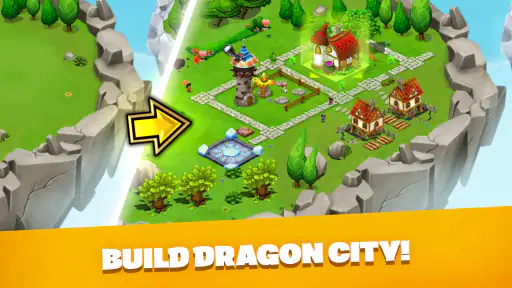
The game encourages me to think in layers. Dragons are the visible reward, yet the supporting layout determines how comfortably the park develops. I have to consider where habitats belong, which structures are worth upgrading, and whether a decoration is helping the island feel complete or simply occupying valuable room. That tension gives the simulation more personality than a simple collection screen.
Breeding adds another kind of decision. I can pursue a specific result, experiment with combinations, or accept a less predictable outcome and see what appears. The first approach is useful when I have a clear collection target. The second is more enjoyable when I am willing to wait and treat surprises as part of the fun. I prefer switching between both styles rather than treating every breeding attempt as a strict checklist.
The smartest early habit is to plan backward from the next meaningful goal. If I want a new habitat, I avoid spending everything on cosmetic changes just before starting that project. If I am trying to grow a particular dragon, I keep enough flexibility for the surrounding needs instead of assuming that one successful hatch will solve the whole problem.
More From Our News Desk

Clash of Clans Is Won Between the Battles

Android Auto Makes the Case for Quieter Car Software

MobiOffice: Transforming Mobile Productivity with Seamless Integration

EA SPORTS FC™ Mobile Soccer: Redefining Mobile Sports Gaming

How Microsoft OneDrive Became a Mobile Productivity Giant

How Google Translate Breaks Language Barriers Effortlessly
This planning is especially useful for people who play on a phone during small breaks. A quick visit feels more satisfying when I already know what I am working toward. Without a plan, the game can become a repetitive sequence of collecting, tapping, and buying whatever is immediately available. The systems are more interesting when I treat each visit as one step in a larger island plan.
Why the islands matter more than the individual dragon
Collecting is the obvious attraction, but the island-building layer gives those creatures a reason to exist beyond appearance. I am not simply filling a catalogue. I am creating a growing environment where the dragons, habitats, and visual choices support one another. That makes the park feel more personal, even when progress follows familiar simulation patterns.
I also like that the layout can reflect different priorities. One player may prefer a tidy, efficient arrangement with clear paths between habitats. Another may use decorations to create themed areas and accept a little inconvenience in exchange for a more distinctive park. The game does not force me to treat the island as a spreadsheet, although players who enjoy optimization will naturally find plenty to consider.
That freedom comes with a cost: rearranging a developed island can feel like work. I recommend leaving deliberate gaps and grouping related structures from the beginning. It is much easier to refine a layout that has breathing room than to untangle a dense collection of buildings later. This is one of the less obvious lessons of the game, because the early island looks spacious until several rounds of growth change its character.
Choosing between certainty and surprise
Breeding decisions create a useful trade-off between control and discovery. Chasing a known target can make progress feel purposeful, but it can also turn the game into a waiting routine. Experimenting keeps the process fresh, though it may delay the result I originally wanted. I find the best rhythm is to reserve some attempts for planned goals and use other opportunities for curiosity.
This approach also reduces disappointment. If every attempt is judged only by whether it produced one exact dragon, an unexpected result feels like failure. If I allow room for collection growth and experimentation, the same result can become a new planning option. The game rewards patience more than urgency, so changing the definition of success makes the waiting periods easier to enjoy.
Players should also think about when they check in. A person who likes instant rewards may find the timing structure restrictive, while someone who enjoys returning to a project throughout the day may find it comfortable. I often use it as a short evening routine: collect from the park, review what is ready, begin one longer task, and stop before turning the session into aimless maintenance.
Managing progress without losing the fun
The reward loop is built around gradual growth. Dragons develop, islands become more elaborate, and new goals give me reasons to revisit earlier decisions. The satisfaction comes from seeing a park that once felt empty become a place with its own structure. It is a slower payoff than an action game provides, but it can be more relaxing because I am rarely under pressure to perform perfectly in the moment.
There is still a risk of overcommitting. A player can begin too many projects mentally, spend resources too quickly, or focus so heavily on collecting that the park becomes difficult to manage. I try to maintain one primary objective and one secondary objective. For example, I might focus on a breeding goal while keeping island organization as the backup task. That keeps the game moving even when the main result takes time.
In-app purchases range from $0.99 to $149.99 per item, so the free entry point deserves a realistic explanation. I can start without paying, but the presence of expensive purchase options means I need a personal boundary before I become invested. The game is more comfortable for me when I view purchases as optional convenience rather than a solution to every delay.
My practical rule is simple: never spend just to escape impatience. If a purchase helps me support a decision I already wanted to make, I can judge it clearly. If I am buying because I dislike waiting or feel pushed to keep up with my own plans, I pause. This matters in any long-running collection simulator because progress itself is designed to make future goals feel attractive.
That does not make the game unsuitable for younger players, but families should still remember that a free game can present paid options. The Everyone rating describes the intended content audience, not a guarantee that every player will make sensible spending choices. For a child’s device, I would discuss purchases beforehand and use the device’s normal safeguards.
What happens when the first excitement fades
The opening phase is naturally rewarding because every new dragon and habitat changes the park noticeably. Later, progress becomes more about refinement, patience, and collection goals. This is where opinions will divide. I enjoy having a project that develops over time, but I understand why players who want a constant stream of new interaction may lose interest.
The game is not at its best when I treat it like a traditional level-based adventure. There is no need to rush from one stage to another. Its appeal comes from returning to a living project and making small improvements. If I only have time for one short session and want immediate challenge, a puzzle game or action game is probably a better choice.
On the other hand, people who enjoy decorating, collecting, and planning will find more depth than the bright art style initially suggests. The long-term question is not merely “what can I unlock next?” It is “what kind of park am I building, and which compromises am I willing to accept to get there?” That shift in perspective is what kept me interested after the initial novelty passed.
Adapting when a plan stops working
Good planning in DragonVale is flexible planning. A breeding goal may take longer than expected, a new dragon may change how I want to organize an area, or a resource decision may leave me waiting before the next improvement. Instead of treating those moments as dead ends, I use them to switch focus. I can work on layout, prepare another habitat, or pursue a less demanding collection objective.
This adaptability is more valuable than memorizing a single perfect route. The park changes as it grows, and a strategy that worked on a small island may become awkward later. I try to review the whole layout whenever a new space or structure becomes available rather than adding it wherever there happens to be room. That small pause prevents many future rearrangement problems.
I also recommend resisting the urge to copy another player’s park exactly. A highly efficient layout may be useful as inspiration, but it may not match the way I play. If I log in briefly, accessibility and clear grouping matter more than squeezing every possible object into a tight arrangement. If I enjoy long planning sessions, I may accept a more complex layout in exchange for stronger visual themes.
Compared with simpler virtual-pet games, this one gives me more control over the surrounding world. Compared with heavier city-building simulations, it feels friendlier and less demanding, with dragons providing a clearer emotional focus. It does not replace either style completely: it lacks the immediate intimacy of a single-pet game and the broad economic complexity of a serious city builder. Its strength is the middle ground between those extremes.
Who will enjoy the long-term rhythm
I would recommend it to someone who likes checking a project regularly, collecting variations, and making decisions that pay off later. It works especially well for players who enjoy a calm routine on a phone or tablet and do not need every session to contain a dramatic event. The colorful presentation makes it approachable, while the island layout and breeding choices offer enough planning to prevent it from feeling entirely automatic.
It is also a good shared-interest game for families, provided spending expectations are clear. A child can enjoy the dragons and decorations, while an older player can help with planning and organization. The Everyone rating makes the content broadly accessible, but the long-term structure means younger players may still need help understanding why a desired result takes time.
I would suggest skipping it if you dislike timers, gradual collection, or games that ask you to return repeatedly instead of finishing a complete experience in one sitting. I would also choose something else if I wanted competitive action, a strong narrative campaign, or a tightly defined ending. The game’s open-ended nature is its appeal, but that same quality can feel directionless to players who prefer clear completion.
Another possible drawback is the emotional pressure created by a growing collection. Once the park contains many dragons and possible goals, it can be tempting to treat every omission as a problem. I get more enjoyment when I accept that I will not complete everything quickly. The game becomes a relaxing hobby when I set my own pace; it becomes tiring when I turn it into an obligation.
Device expectations and current version
On Android, the game requires version 6.0 or later, which keeps it available to a wide range of devices that are not brand new. The current version is 4.41.1. For a player deciding whether to install it, the more important practical question is not raw compatibility but whether the device is comfortable for repeated visual management. A larger screen makes island organization easier, while a smaller phone is perfectly workable for quick collection and task checks.
I would also make room for the game in my routine rather than installing it with the expectation that I must play for long sessions. Its design suits short visits followed by waiting. That makes it convenient during a commute break or while winding down at night, but less satisfying if I want a continuous activity with no pauses.
My verdict after building around the waiting
DragonVale works because its decisions accumulate. A habitat placement affects future organization, a breeding choice shapes the next goal, and a small resource decision can change how smoothly the next visit feels. I enjoy that the park gradually becomes a record of my choices rather than a disposable sequence of levels.
Its weaknesses are equally clear. The pace can feel slow, the collection mindset may encourage unnecessary spending, and later progress asks for patience that not every player has. The free price makes it easy to try, but I would approach the in-app purchase range carefully and decide in advance what kind of player I want to be.
For me, the strongest way to play is with modest plans: keep the island organized, reserve some breeding attempts for experimentation, and treat delays as part of the simulation instead of problems to buy away. That approach reveals the game’s best qualities without making it feel like a chore.
If you want a gentle dragon-park simulator with meaningful long-term choices, I think it is worth trying. If you need immediate action or a clearly finished campaign, I would point you toward a different genre. But for a player who enjoys returning to a growing world and adjusting plans as it develops, DragonVale: Hatch Dragon Eggs offers a surprisingly durable hobby beneath its welcoming surface.
DragonVale: Hatch Dragon Eggs Frequently Asked Questions
Is DragonVale: Hatch Dragon Eggs a good choice for players who enjoy collecting and decorating?
DragonVale: Hatch Dragon Eggs is built around collecting dragons and shaping a park, so it may suit players who like gradually expanding a personal space. You hatch and raise dragons, build habitats, decorate islands, and work toward growing your collection. The focus is on steady management and discovery rather than fast action, making it a better fit for relaxed play sessions.
How does progression work in DragonVale: Hatch Dragon Eggs?
Progress comes from developing your park, collecting resources, and hatching, breeding, and raising dragons. Many activities take time, so the game is designed for gradual growth rather than finishing everything in one sitting. Players who enjoy planning upgrades and returning to check on their park may find that rhythm rewarding; those who prefer immediate, continuous action may find the timers slower.
What devices can run DragonVale: Hatch Dragon Eggs?
DragonVale: Hatch Dragon Eggs is a simulation game for mobile devices, and it requires Android 6.0 or later. Before downloading, check that your device meets this requirement and has enough free space for the installation and game updates. The game is free to download, so you can try its park-building and dragon-collecting gameplay without paying upfront.
What is DragonVale: Hatch Dragon Eggs about?
DragonVale: Hatch Dragon Eggs is a colorful park-building and dragon-collecting game where you hatch, raise, and display different dragon species. You design habitats, decorate your park, breed dragons, complete goals, and earn resources over time. The game combines collection mechanics with light management and social features, making it suitable for players who enjoy gradual progression rather than short, one-time sessions.
Is DragonVale: Hatch Dragon Eggs free to download and play?
Yes, the game can be downloaded and played for free, but it includes optional in-app purchases. These purchases may provide currency, speed up construction or breeding timers, and unlock certain conveniences or content more quickly. You can progress without spending money, although patience is important because many activities rely on waiting periods. Parents should also review purchase settings before allowing children to play.
Pros
- Hundreds of dragons offer plenty of collection goals.
- Breeding combinations create satisfying surprises and experimentation.
- Decorating habitats lets you personalize the entire park.
- Frequent events add new rewards and limited-time dragons.
- Runs smoothly on most modern phones and tablets.
Cons
- Some rare dragons require considerable patience or luck to obtain.
- Timers can slow progress unless you spend gems.
- The large dragon roster may feel overwhelming for new players.
- Limited-time content can create pressure to play regularly.
- Ads and in-app purchases may interrupt the free-to-play experience.

- Category
- Simulation
- Version
- 4.41.1